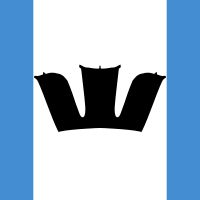
Solomon Islands, Island nation in Oceania
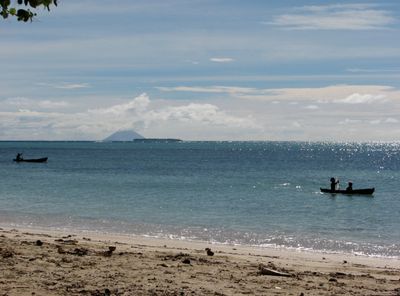
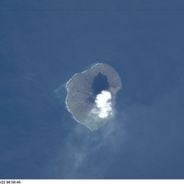
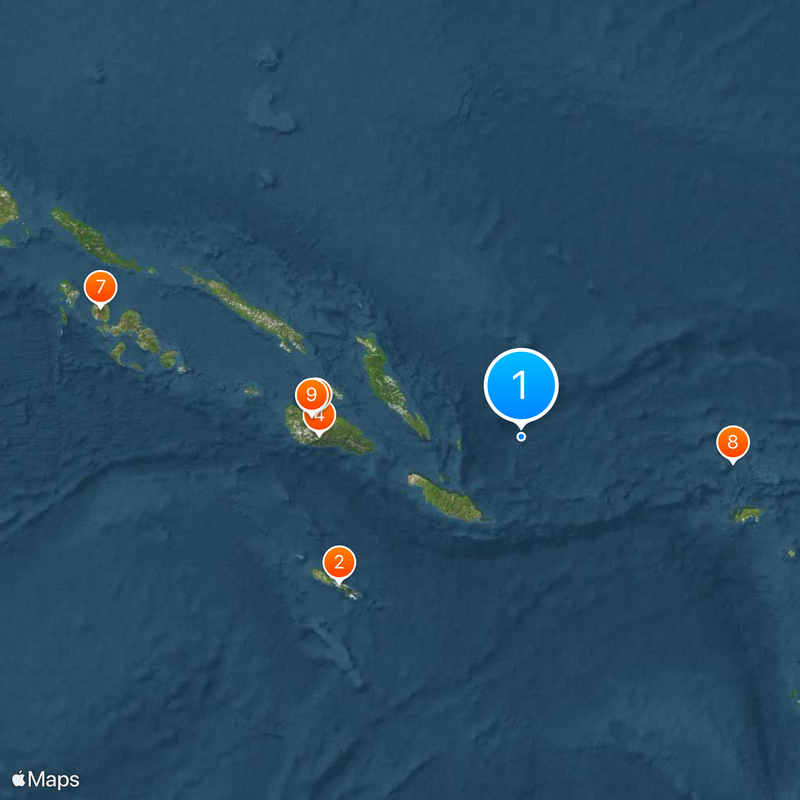
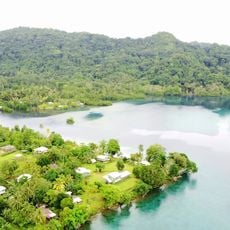
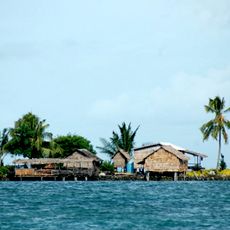
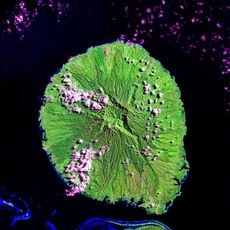
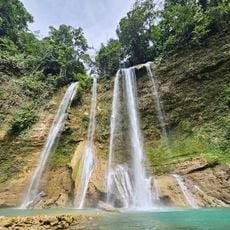
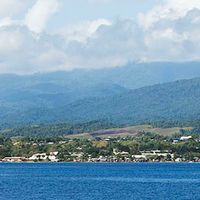
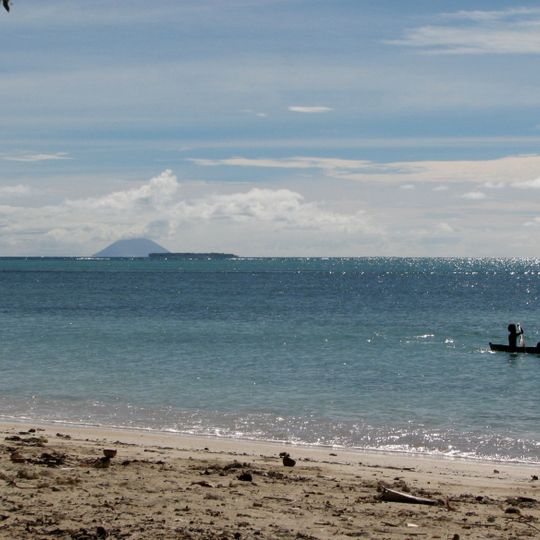
This Pacific nation stretches across six main islands and many smaller islets scattered in the southwestern ocean. Volcanic summits rise from thick rainforest, with coral reefs edging coastal waters and a varied relief ranging from lowland plains to peaks over 2,300 meters high.
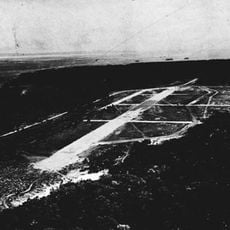
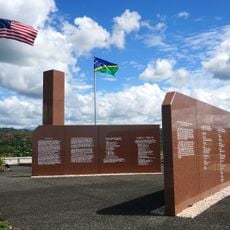
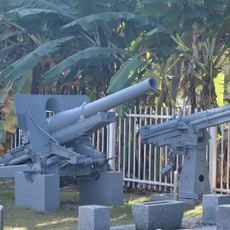
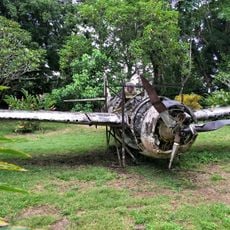
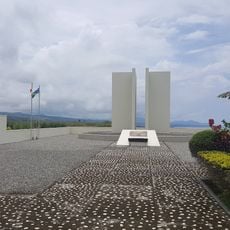
Austronesian seafarers reached the islands at least 3,000 years ago, building trade routes extending into Papua New Guinea. German and British authorities divided the territory in the late 19th century before Britain took control of southern regions, and Guadalcanal became a battlefield during 1942–1943, followed by parliamentary independence in 1978 under a constitutional monarchy.
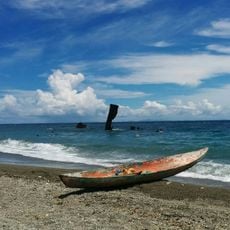
Shell money still changes hands in some rural areas, serving ceremonial purposes at weddings and funerals alongside everyday transactions. Craftspeople carve canoes from native timber and weave mats for daily use or ritual occasions, with patterns marking their home island.
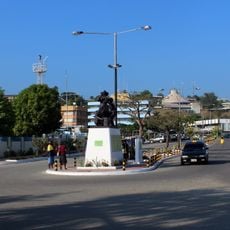
International flights land at Honiara airport on Guadalcanal, with domestic connections reaching smaller airstrips and ferry routes serving other islands. The climate brings rain throughout the year, with heavier monsoon downpours between November and April, and visitors should carry cash because ATMs are sparse beyond the capital.
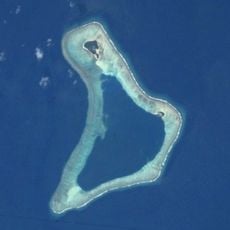
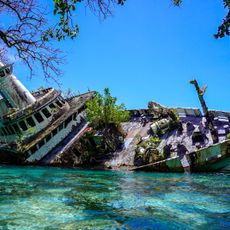
The Marovo Lagoon stretches over 700 square kilometers and forms one of the largest enclosed saltwater lagoons on Earth, with a double barrier reef structure. Divers explore remains of more than 60 warships and aircraft from the Pacific War resting in waters off Guadalcanal and neighboring islands.
The community of curious travelers
AroundUs brings together thousands of curated places, local tips, and hidden gems, enriched daily by 60,000 contributors worldwide.