Solomon Islands National Museum, National museum in Honiara, Solomon Islands
The Solomon Islands National Museum is a collection of archaeological finds and traditional objects in Honiara. You can see ceremonial masks, ancient tools, and natural specimens that show how life developed on the islands.
The museum was initiated in 1951, when the islands were a British protectorate, through private collections assembled by Geoffrey F. C. Dennis and James L. O. Tedder, among others. It opened officially in June 1969 in a building funded by the Gulbenkian Foundation, and in 1972 became a government institution, expanding its site and activities to outlying islands.
The museum displays traditional crafts and musical instruments that remain in use across the islands today. These objects help visitors understand how communities here live and pass down their stories.
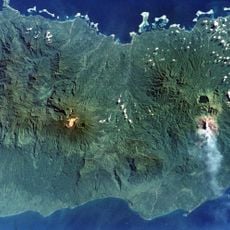
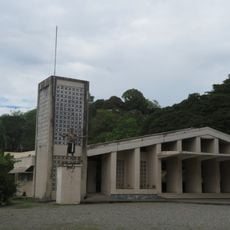
The museum stands in Honiara, the capital, on the island of Guadalcanal. Its compound holds several buildings, each with its own gallery, plus offices and an auditorium with an outdoor stage, so allow time to move between them. The grounds also host archaeological research work, and the museum has run excavations on Santa Isabel and at Apunirereha in Malaita Province.
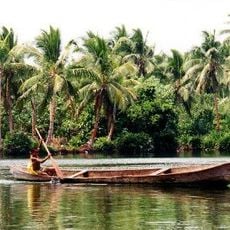
The British Museum holds a war canoe from Vella Lavella, the largest watercraft in its collections, built in 1910 by Jiosi Angele for a colonial official and bought in 1913 by William Lever. The museum had it scanned at high resolution and sent the digital data to the Solomon Islands, though local access to such infrastructure remains limited.
The community of curious travelers
AroundUs brings together thousands of curated places, local tips, and hidden gems, enriched daily by 92,763 contributors worldwide.