Kingman Reef, Protected coral reef in Pacific Ocean, United States
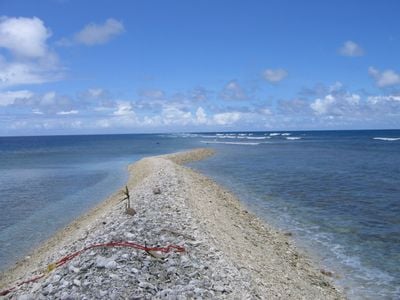
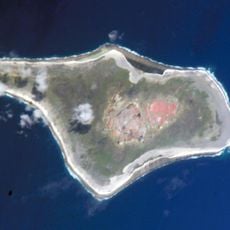
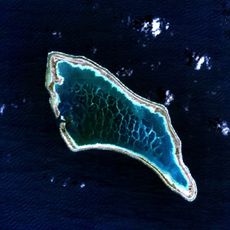
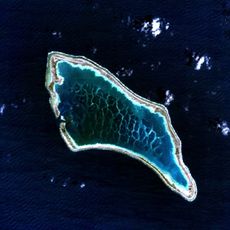
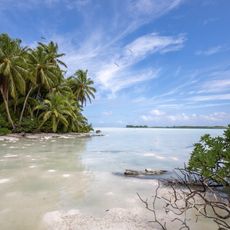
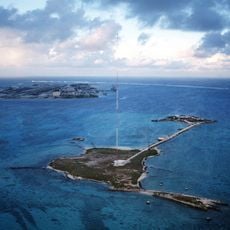
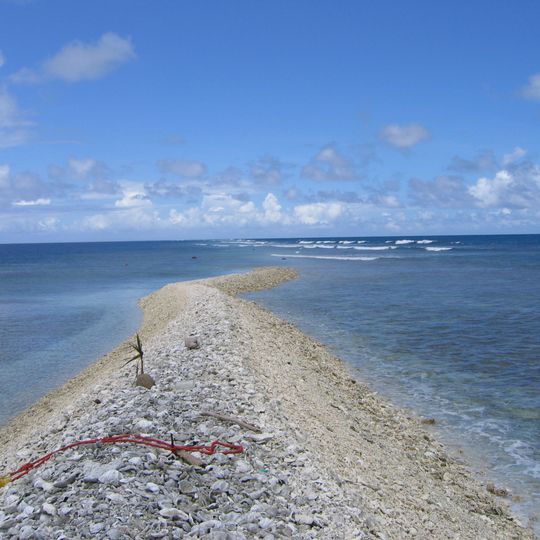
Kingman Reef is a protected coral atoll in the central Pacific Ocean, situated roughly midway between Hawaii and American Samoa. The formation consists of a shallow oval lagoon surrounded by continuous ridges of coral that break the surface during low tide.
American captain Edmund Fanning first spotted this formation in 1798 during a trading voyage, though it remained largely unexplored until the mid-1800s. The United States formally claimed the area in 1922 and later converted it into a national wildlife refuge to preserve its marine environment.
Named after W. Kingman who charted it during the 19th century, this isolated formation remains entirely uninhabited and closed to casual visitors. The surrounding waters function as a living laboratory where researchers study untouched marine ecosystems far from any human settlement.
Reaching this location requires advance coordination with federal authorities and access by boat or small vessel, as no airstrip or dock facilities exist. The remote setting means visitors must plan for completely self-sufficient journeys with all necessary supplies and safety equipment aboard.
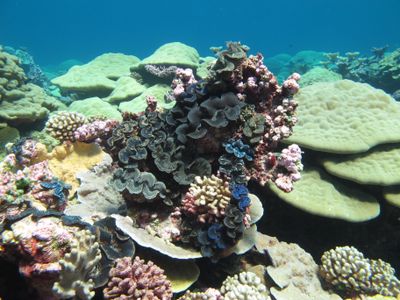
Scientists have documented more than 130 species of stony coral here, a number far exceeding what exists around the Hawaiian archipelago. This diversity makes the reef one of the richest coral ecosystems in the central Pacific basin.
The community of curious travelers
AroundUs brings together thousands of curated places, local tips, and hidden gems, enriched daily by 91,140 contributors worldwide.