Kingdom of Hawaiʻi, Historical monarchy in Hawaiian Islands, United States
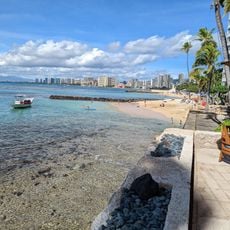
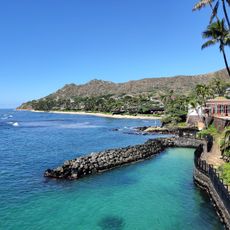
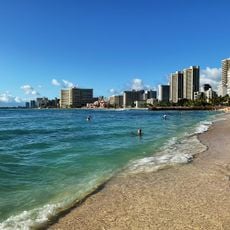
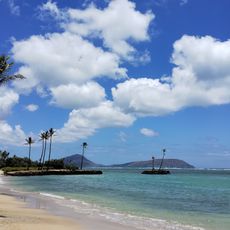
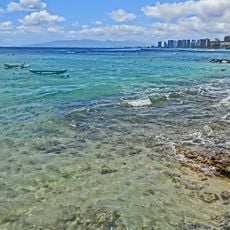
The Kingdom of Hawaiʻi consisted of 137 volcanic islands in the Pacific, with eight larger islands forming the central archipelago. This island chain spread across a vast ocean expanse and contained varied landscapes from shorelines to towering peaks.
King Kamehameha I unified separate chiefdoms in 1795 to create a sovereign state that lasted until 1893. The monarchy endured centuries of contact with sailors and merchants before ultimately losing its independence.
The islands held their position as a Pacific crossroads where indigenous Hawaiian traditions merged with influences from traders and visitors. The royal family drew on local customs and knowledge systems to guide governance and community life.
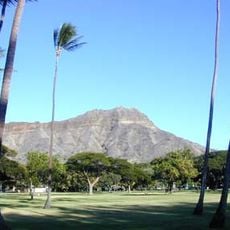
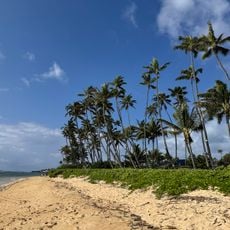
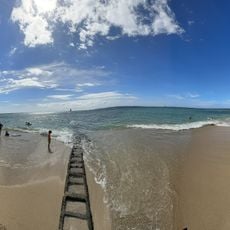
The eight principal islands presented varied conditions, from flat coastal zones to mountainous inland areas. Visitors should expect differing terrain and climate when exploring different regions of the kingdom.
Britain and France jointly declared the kingdom independent in 1843, a rare diplomatic recognition for a Pacific nation. This international acknowledgment showed that the monarchy was taken seriously on the world stage.
The community of curious travelers
AroundUs brings together thousands of curated places, local tips, and hidden gems, enriched daily by 92,738 contributors worldwide.