Haleakalā National Park, National park in Maui County, United States.
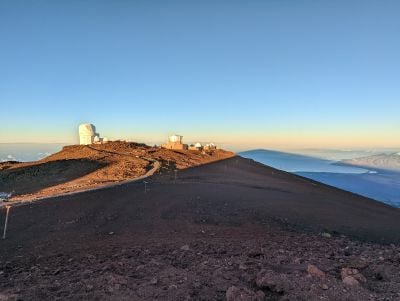
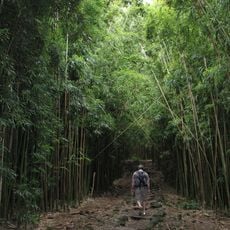
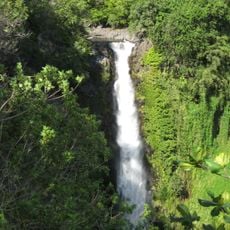
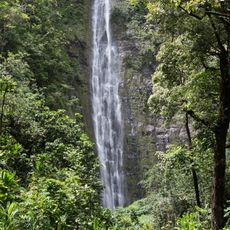
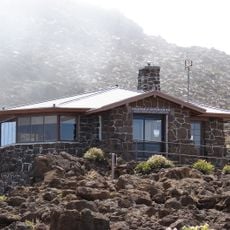
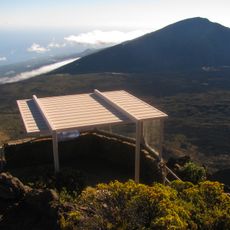
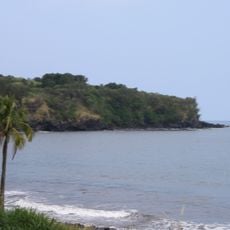
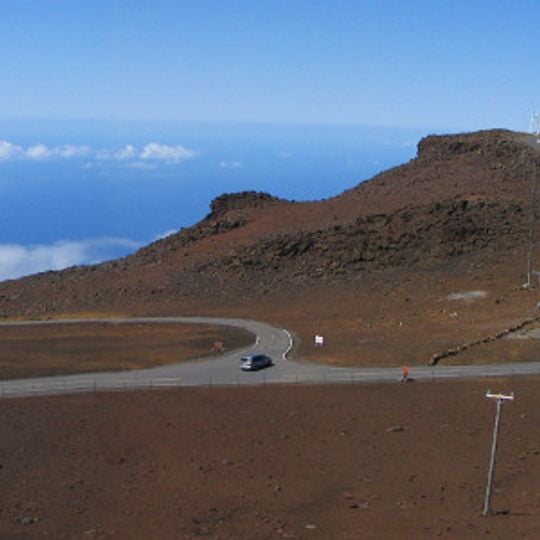
Haleakalā is a protected area on Maui island that stretches from the coast to the summit of a dormant volcano rising more than 10,000 feet above the ocean. The area covers roughly 33,000 acres with vegetation zones ranging from tropical forests to barren high-altitude terrain.
The protected area received its own status in 1961 after previously being part of a larger park that combined several volcanoes across different islands. The separation allowed focused management of the specific ecosystems on Maui.
Haleakalā means "house of the sun" in Hawaiian. In the legend, the demigod Māui captured the sun here with help from his grandmother, who lived in the summit depression, to lengthen the day. The name was first applied to the whole mountain, and it also names a peak on the southwestern edge of Kaupō Gap.
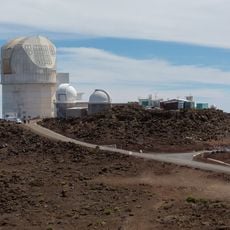
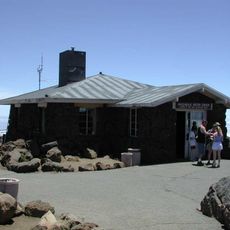
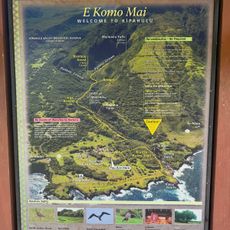
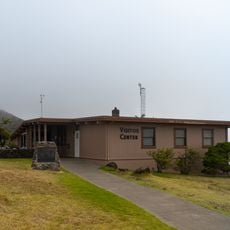
The upper section is reachable by paved road, while the coastal Kipahulu region requires a separate access point and is not directly connected to the summit zone. Mornings often bring clearer visibility in the higher elevations, where temperatures can feel cool even during summer months.
More threatened animal and plant species live here than in any other protected area in the United States, including a silver-colored plant that grows only in this volcanic landscape. The species blooms once in its lifetime and then dies, which hikers rarely witness.
The community of curious travelers
AroundUs brings together thousands of curated places, local tips, and hidden gems, enriched daily by 93,363 contributors worldwide.