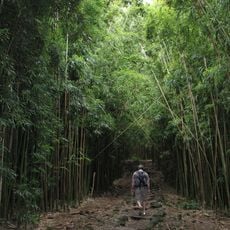
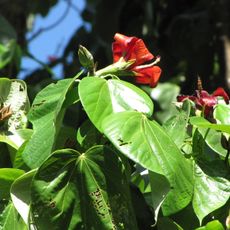
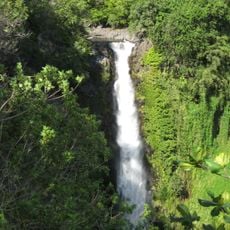
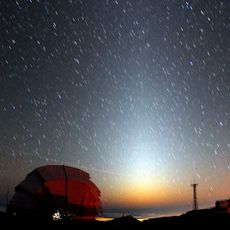
Haleakalā Wilderness, Protected wilderness area in Maui County, Hawaii.
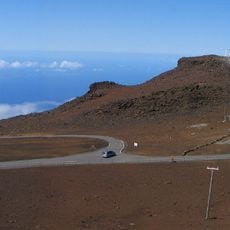
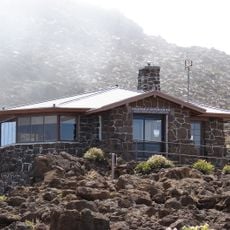
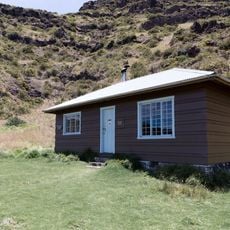
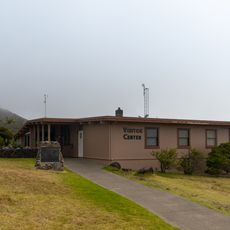
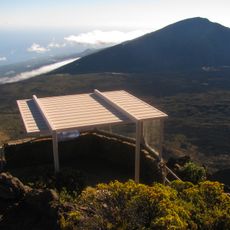
Haleakalā Wilderness covers 24,719 acres within Haleakalā National Park on Maui, protecting the summit area of the dormant Haleakalā volcano. Its centerpiece is Haleakalā Crater, an erosional valley 6.99 miles across and 2,600 feet deep, dotted with cinder cones. Two trails, Halemau'u and Sliding Sands, enter the crater, where hikers can stay in three cabins.
Haleakalā was first protected in 1916 as part of Hawaii National Park, together with Mauna Loa and Kilauea. It became a separate national park in 1961 under Bill S. 3623, and in 1976 the land was designated a national park; the boundaries were expanded in 2005. UNESCO named the park an International Biosphere Reserve in 1980.
The name Haleakalā means "house of the sun" in Hawaiian. In local legend the demigod Maui imprisoned the sun here to lengthen the day. A Hawaiian spelling correction act was proposed in 2000 but never became law, so both Haleakala and Haleakalā appear in use.
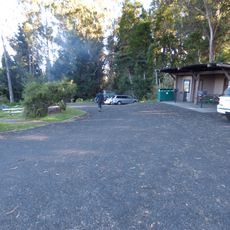
Advance reservations are required through Recreation.gov for camping at the two main sites in this area. Book early since spaces fill quickly, and be prepared for harsh mountain conditions with cold nights and sudden weather changes.
The ʻāhinahina, or Haleakalā silversword, once covered the mountain so densely that it looked snow-covered. It grows only on Haleakalā's high slopes, and its silvery leaves are an adaptation to intense sun and cold at altitude.
The community of curious travelers
AroundUs brings together thousands of curated places, local tips, and hidden gems, enriched daily by 93,952 contributors worldwide.