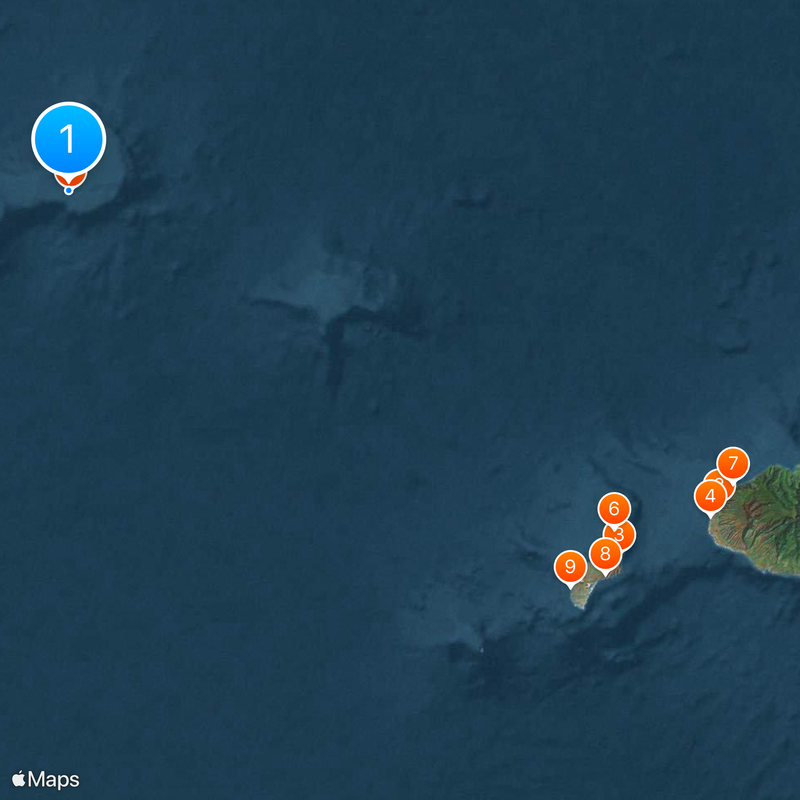
Nihoa, Archaeological site and island in Northwestern Hawaiian Islands, United States
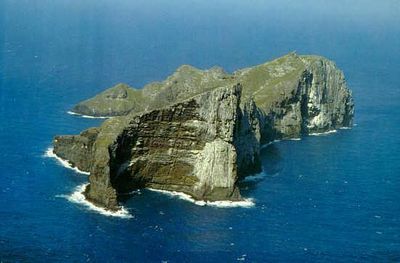
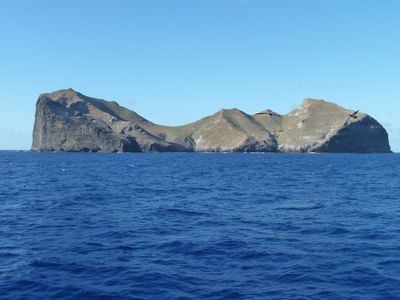
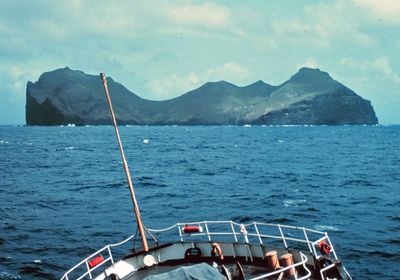
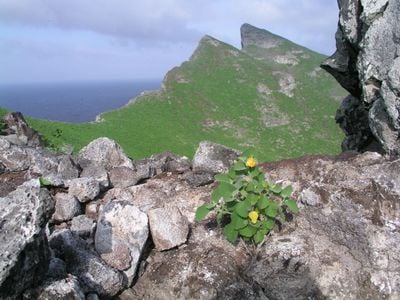
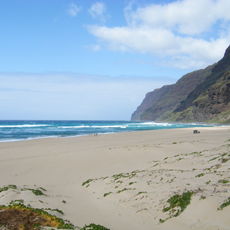
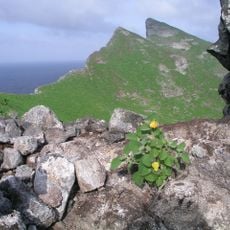
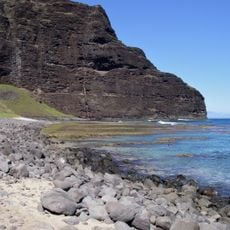
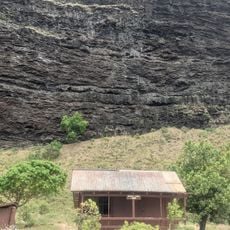
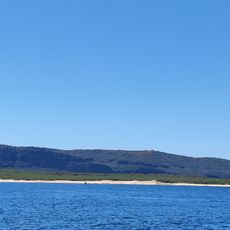
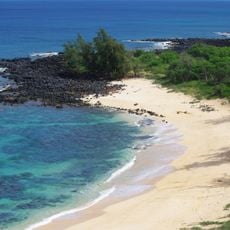
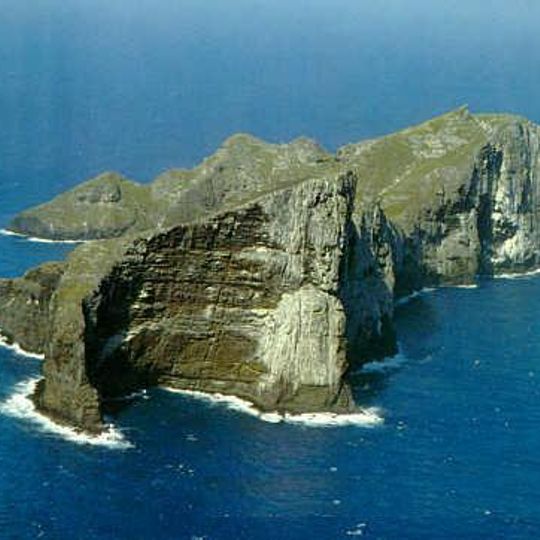
Nihoa is a small island in the Northwestern Hawaiian Islands marked by dramatic basalt cliffs reaching 900 feet and a narrow sandy beach on its southeastern shore. The island contains numerous archaeological sites scattered across its limited terrain.
Polynesian Hawaiians settled the island and maintained a community there for several centuries before abandonment around 1700. The occupation left behind more than 80 archaeological sites including terraces and religious structures.
The settlement patterns visible in the ruins reveal how people adapted their daily life to this isolated location far from other islands. Stone structures and terraces show the careful ways they worked with what nature provided.
Access requires special authorization from the U.S. Fish and Wildlife Service and is typically granted only for scientific research, cultural studies, or specific preservation work. Visitors should plan well ahead and understand the remote location offers minimal shelter or facilities.
The island shelters two bird species found nowhere else on Earth: the Nihoa finch and Nihoa millerbird, making it a living laboratory for studying isolated island species. The creature diversity also includes giant crickets and dozens of other arthropods that have adapted uniquely to this harsh environment.
The community of curious travelers
AroundUs brings together thousands of curated places, local tips, and hidden gems, enriched daily by 91,402 contributors worldwide.