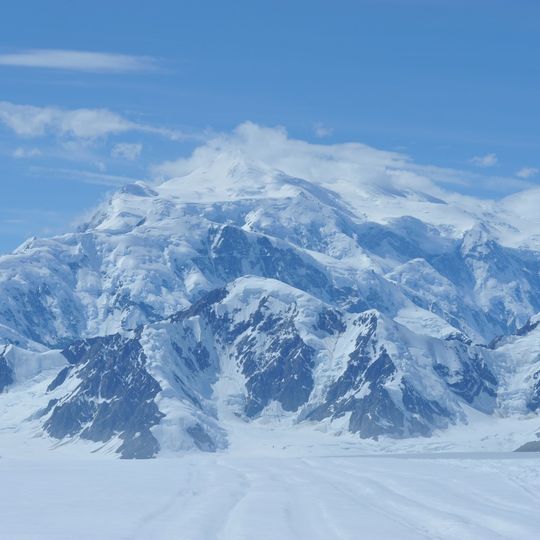
Mount Logan, Mountain summit in Kluane National Park, Canada
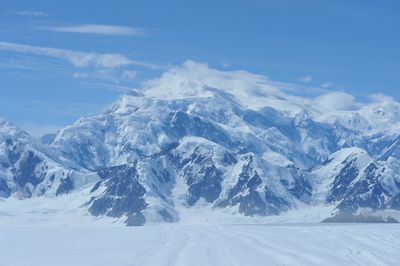
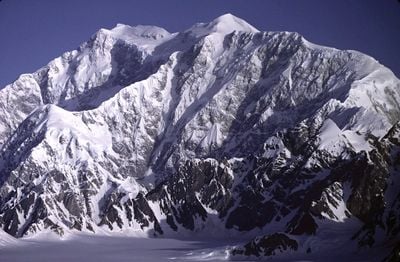
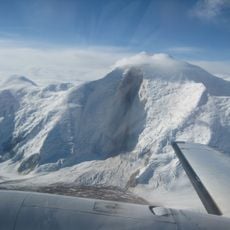
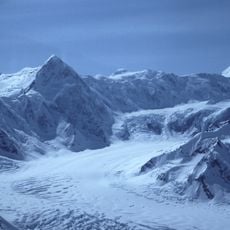
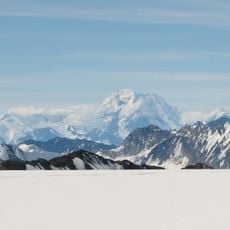
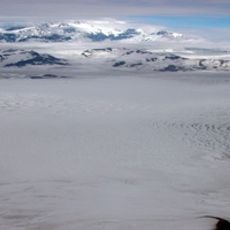
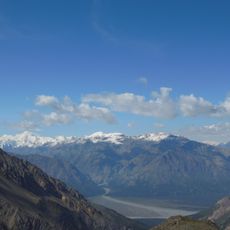
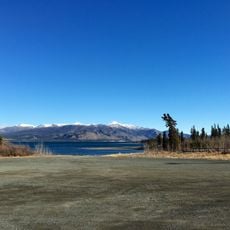
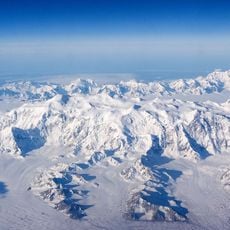
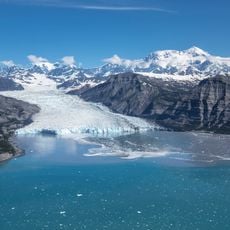
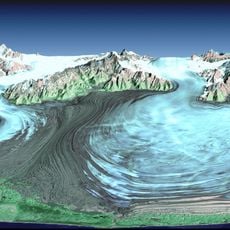
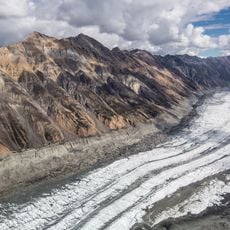
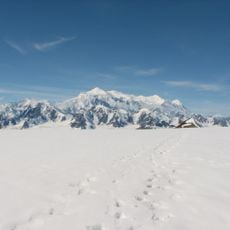
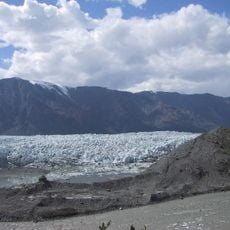
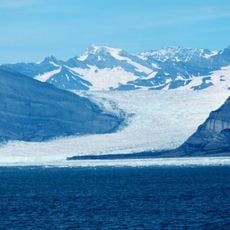
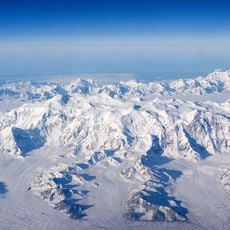
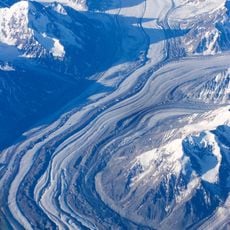
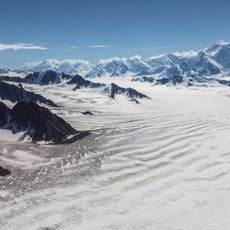
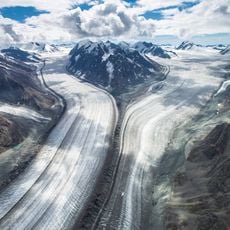
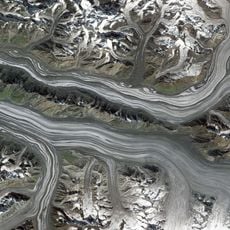
Mount Logan rises 5,959 meters (19,551 feet) into the sky from the remote icefields of the Saint Elias Range in southwestern Yukon. The granite mass forms one of the most extensive high-altitude complexes outside Asia, with multiple summits reaching beyond 5,000 meters (16,404 feet).
A team led by Albert MacCarthy completed the first ascent in June 1925 after weeks of climbing through glaciers and snowfields. Later surveys confirmed the elevation and mapped the mountain's extended plateau areas.
The mountain bears the name of Sir William Edmond Logan, who established and directed the Geological Survey of Canada from 1842 to 1869.
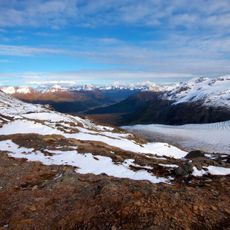
Climbers require a permit from Parks Canada and should prepare for extreme cold and several weeks on the ice. The most common route approaches from King Col across the high plateau to the highest point.
Mount Logan is believed to have the largest base circumference of any non-volcanic mountain on Earth, and its massif holds eleven peaks above 5,000 metres. It is also the 6th most topographically prominent peak on Earth.
The community of curious travelers
AroundUs brings together thousands of curated places, local tips, and hidden gems, enriched daily by 94,123 contributors worldwide.