Guadalupe Island, Volcanic island in Pacific Ocean, Mexico
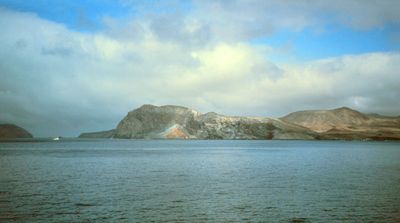
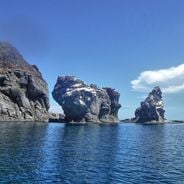
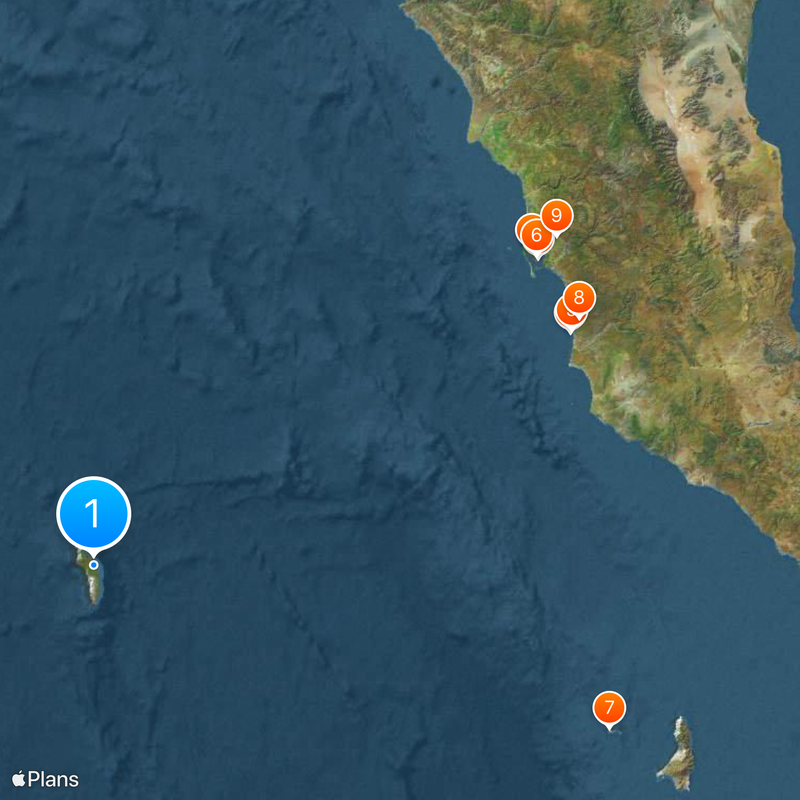
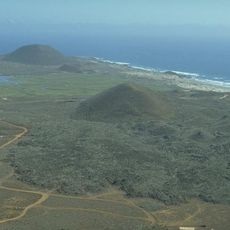
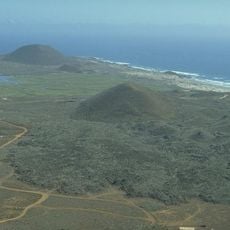
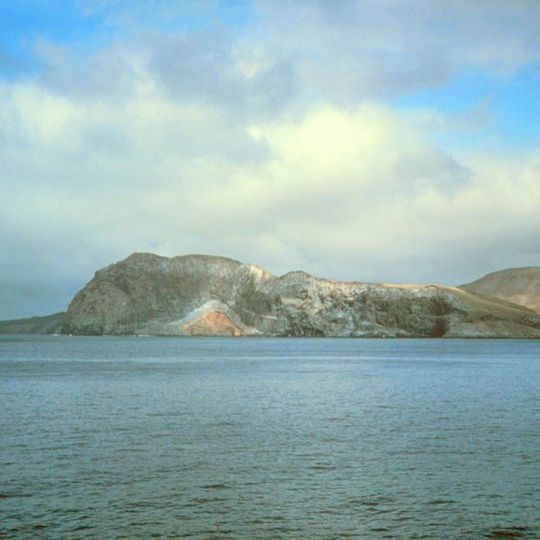
Guadalupe Island rises from the Pacific Ocean about 250 kilometers west of the Baja California Peninsula and belongs to the Mexican state of Baja California. The landmass measures roughly 35 kilometers long and up to 9.5 kilometers wide, formed by two extinct volcanic cones with Mount Augusta as the highest summit at around 1,300 meters (4,300 feet).
Spanish navigator Sebastián Vizcaíno first reached the landmass in 1602 during his expedition along the California coast. Intensive seal and sea otter hunting in the 19th century nearly wiped out these populations before Mexico introduced protection measures.
The name comes from the Spanish devotion to Our Lady of Guadalupe and appears on early 17th-century nautical charts. Scientists now use the small research station at Campo Oeste and monitor the seal colonies and the recovery of native plants after goats were removed.
All tourism has been banned since January 2023, and even scientific visits require permits from Mexican authorities. Travel happens by boat or helicopter, and weather can shift quickly, so any stay needs flexible planning.
The waters around this volcanic landmass draw an unusually high number of great white sharks, attracted by clear visibility and large seal colonies. Until the ban in 2023, divers could observe them from special cages, making the region famous worldwide.
The community of curious travelers
AroundUs brings together thousands of curated places, local tips, and hidden gems, enriched daily by 60,000 contributors worldwide.