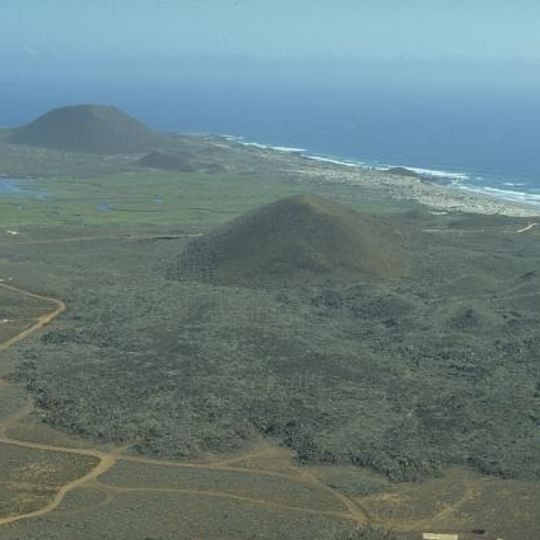
San Quintín Volcanic Field, Volcanic field in Baja California, Mexico.
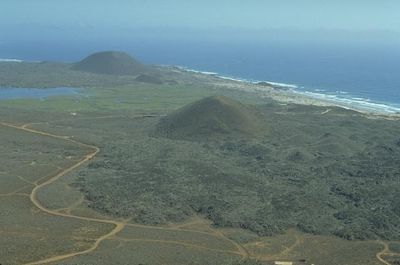
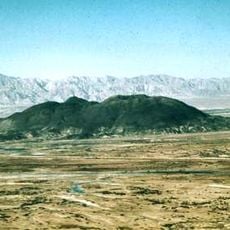
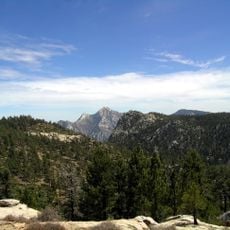
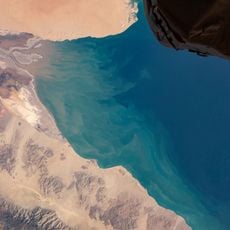
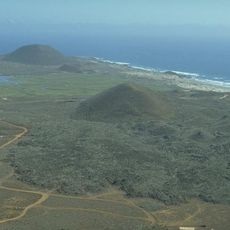
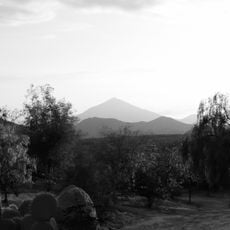
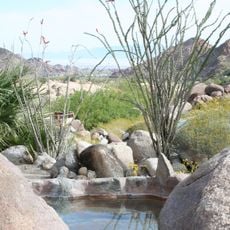
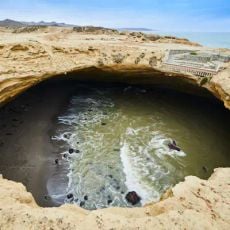
The San Quintín Volcanic Field is a collection of twelve inactive volcanoes spread across a broad landscape, featuring distinct craters and solidified lava formations. The entire area shows different stages of volcanic activity and displays varied geological features throughout.
The volcanoes formed more than 180,000 years ago through underwater volcanic activity that created solidified lava islands. The most recent eruption happened around 1,000 years ago and shaped the landscape visible today.
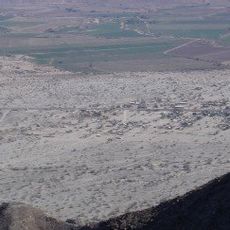
Local farming communities have long relied on the nutrient-rich volcanic soil for agriculture, a practice that remains visible today in the fields surrounding the landscape. The terrain itself shapes how people live and work in this region.
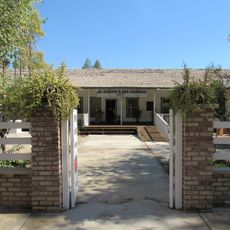
Access is available through designated observation areas throughout the year. The best time to visit is from November to March when temperatures are cooler and more comfortable for walking and exploring.
Monte Ceniza rises as a 180 meter high cone and forms the heart of a protected nature reserve with special conservation status. Its crater stretches 350 meters in diameter and stands out for its distinct circular shape.
The community of curious travelers
AroundUs brings together thousands of curated places, local tips, and hidden gems, enriched daily by 91,073 contributors worldwide.