See the monuments around you in AROpen chests in the app
Around Us is built for your phone — point your camera at the streets and discover the monuments and places around you in augmented reality.Around Us is built for your phone — chests unlock when you walk, explore and capture nearby places.
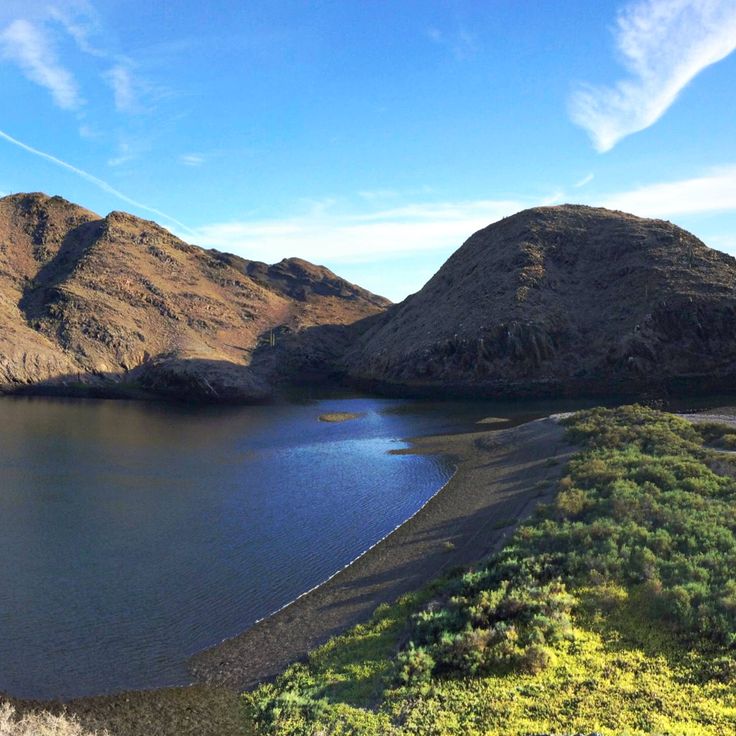
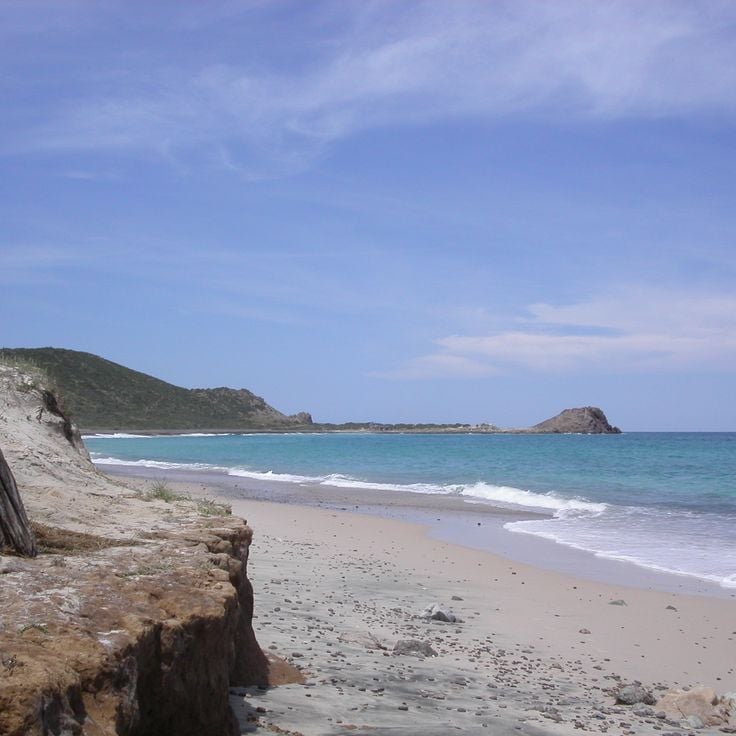
Baja California is a Mexican peninsula that offers striking contrasts in its landscapes. Desert valleys meet sandy beaches, while marine reserves protect coastal waters. The region holds ancient cave paintings, volcanic peaks, and colonial-era buildings that tell stories of human settlement. Canyons carve through mountains, and coastal ecosystems support rich marine life and distinctive geological formations.
The coast draws visitors to specific places. Isla Espíritu Santo and Isla Guadalupe sit far from shore, while Arch of Cabo San Lucas marks a dramatic meeting point of land and sea. Bahía de los Ángeles contains many small islands. La Bufadora shows the power of ocean waves crashing against rock. Inland, places like Canyon de Guadalupe and Sierra de Juárez offer mountain valleys and rocky passages. Ojo de Liebre Lagoon provides shallow waters where certain animals gather.
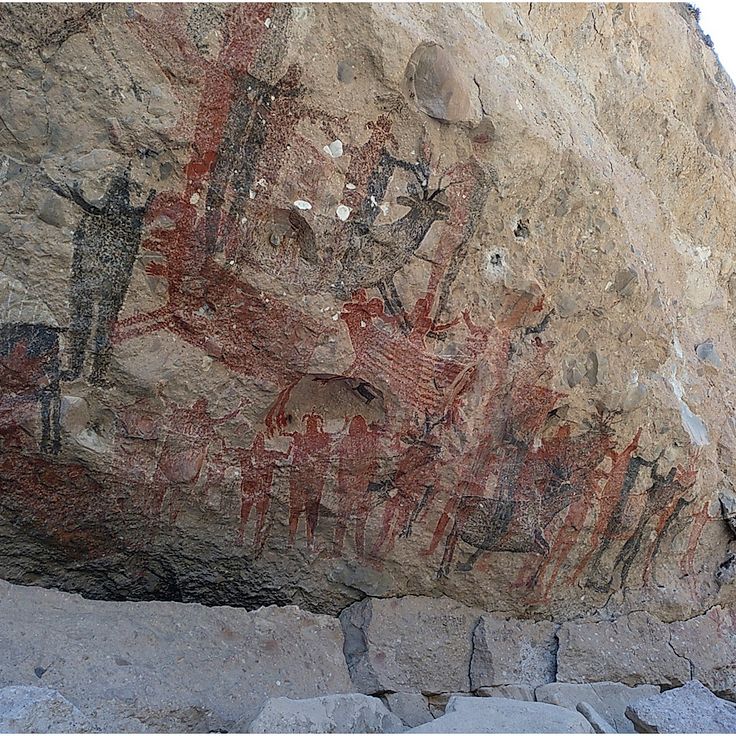
History is visible throughout the region. Missions such as Santa Rosalía reflect Spanish colonial activity. Cave paintings at Cataviña and Sierra de San Francisco show that people lived here long before. El Triunfo, once a mining town, stands as evidence of later economic activity. Smaller places like Vallé de los Cirios and La Lobera show how the land appears in its natural state.
Baja California is a Mexican peninsula that offers striking contrasts in its landscapes. Desert valleys meet sandy beaches, while marine reserves protect coastal waters. The region holds ancient cave paintings, volcanic peaks, and colonial-era buildings that tell stories of human settlement. Canyons carve through mountains, and coastal ecosystems support rich marine life and distinctive geological formations.
The coast draws visitors to specific places. Isla Espíritu Santo and Isla Guadalupe sit far from shore, while Arch of Cabo San Lucas marks a dramatic meeting point of land and sea. Bahía de los Ángeles contains many small islands. La Bufadora shows the power of ocean waves crashing against rock. Inland, places like Canyon de Guadalupe and Sierra de Juárez offer mountain valleys and rocky passages. Ojo de Liebre Lagoon provides shallow waters where certain animals gather.
History is visible throughout the region. Missions such as Santa Rosalía reflect Spanish colonial activity. Cave paintings at Cataviña and Sierra de San Francisco show that people lived here long before. El Triunfo, once a mining town, stands as evidence of later economic activity. Smaller places like Vallé de los Cirios and La Lobera show how the land appears in its natural state.
Valle de los Cirios is a natural reserve in Baja California that showcases the diverse desert landscape of this Mexican peninsula. The park contains Boojum trees, various cactus species and desert animals. Visitors experience expansive dry terrain with distinctive plant life adapted to the region's arid climate.
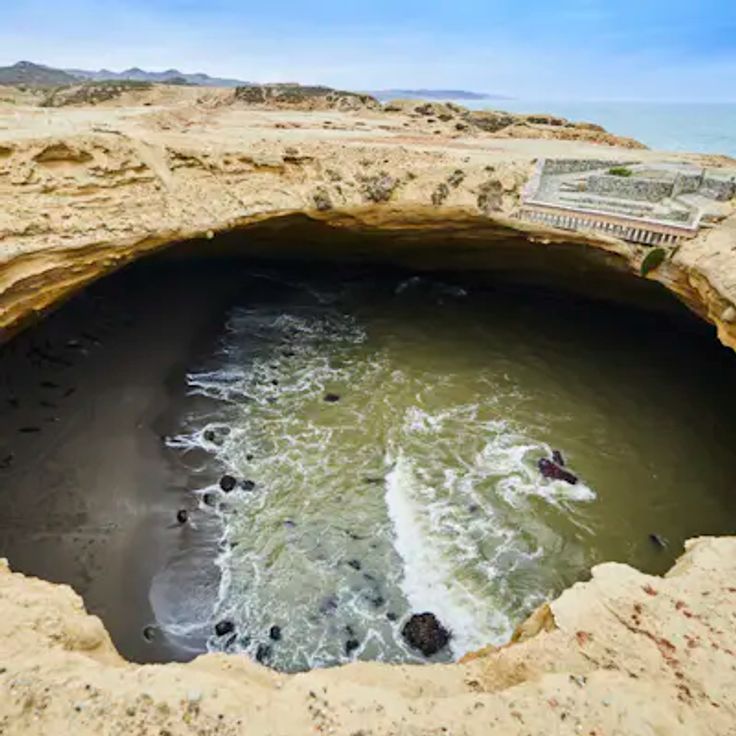
La Lobera is a coastal rock formation at San Quintín that represents the natural landscapes of Baja California. A natural depression in the rocks serves as a resting place for sea lions along the Pacific shore. This site sits within a region known for beaches, deserts and marine reserves on the Mexican peninsula.
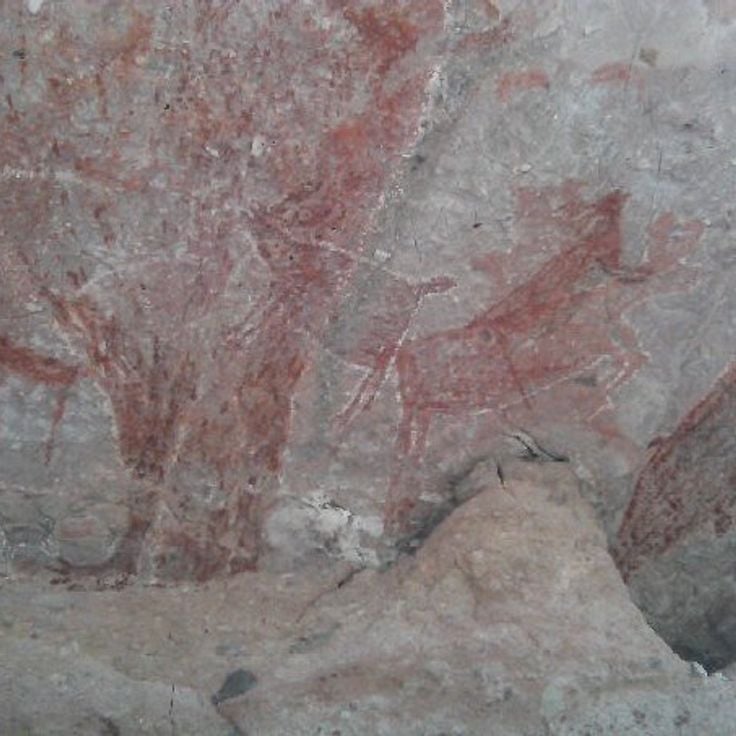
The cave paintings of Sierra de San Francisco display human figures and animals rendered in red and black paint. These artworks date back approximately 7,000 years. They form part of the historical record of early cultures in this Mexican peninsula, which combines deserts, beaches and marine reserves. The paintings provide insight into the daily life and beliefs of the people who inhabited this region.
Bahía de los Ángeles sits on the coast of the Baja California peninsula and showcases the region's diverse nature. The water here glows at night from microorganisms that shimmer with each movement. Whale sharks visit the bay from June through November to feed. The surroundings blend desert, beach and marine ecosystems in a single landscape.
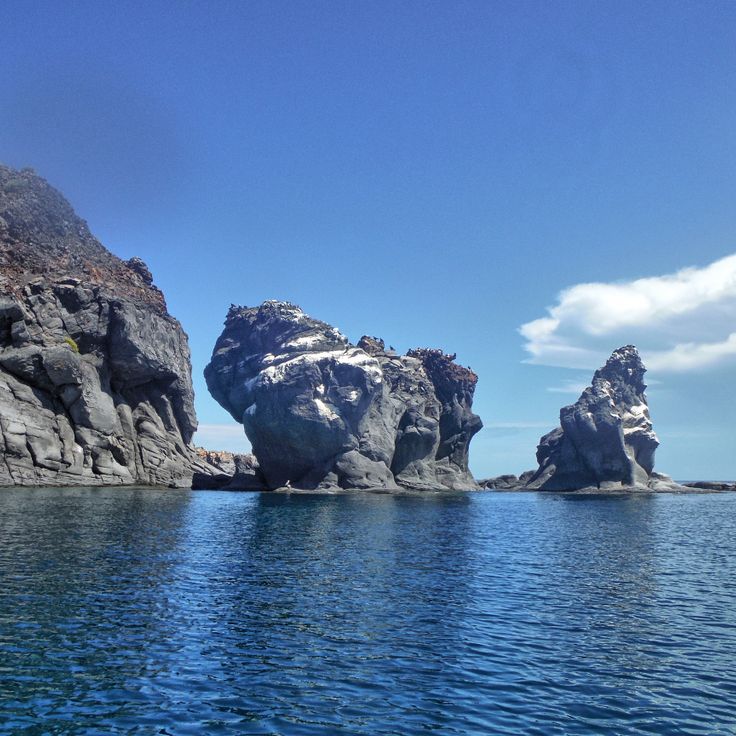
Isla Smith in the Gulf of California is part of the landscapes and nature of the Baja California peninsula. This rocky formation serves as a nesting site for marine birds and hosts sea lion populations near its shores. It represents the diverse marine life and coastal ecosystems found throughout the region.
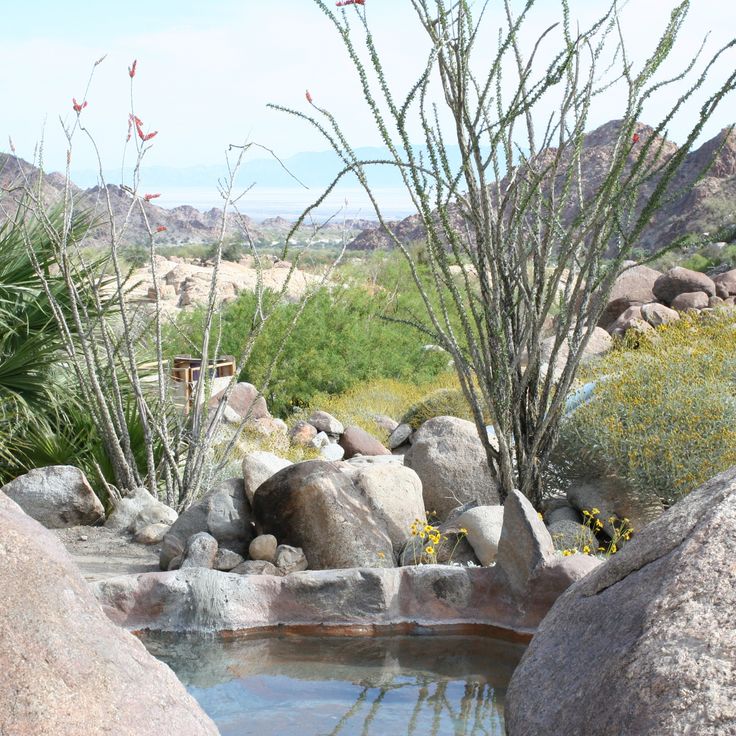
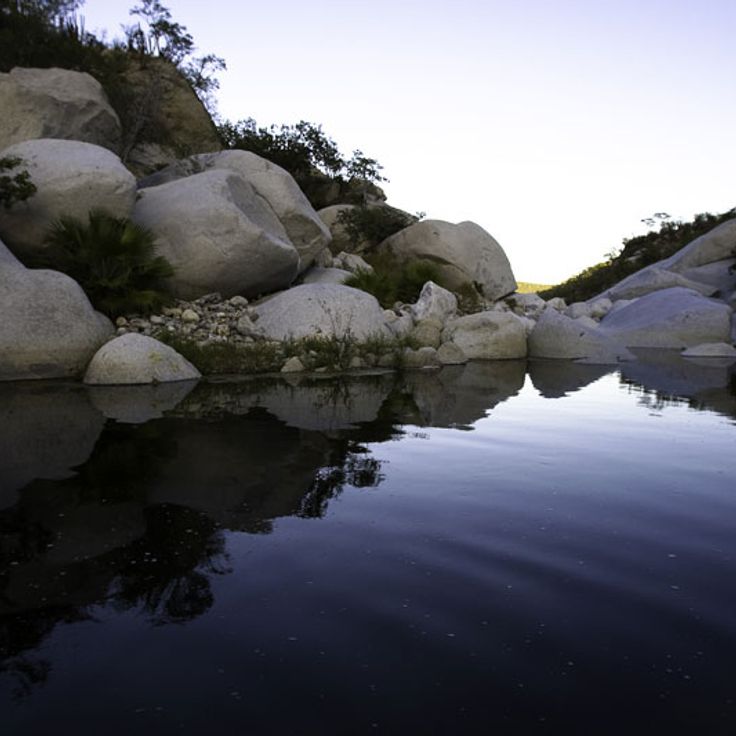
The Canyon de Guadalupe in the Sierra de Juarez forms part of the landscapes and nature collection of Baja California. The canyon features mineral water pools at constant temperature of 40°C flowing between granite walls in this desert region. The mineral waters and geological formations illustrate the distinctive characteristics of this Mexican peninsula with its canyons, mountains and varied ecosystems.
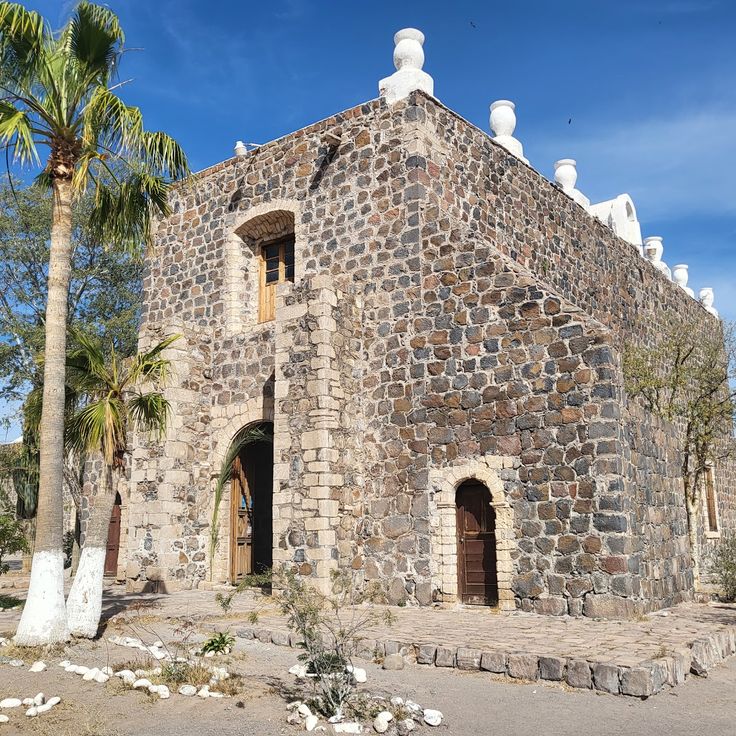
The Santa Rosalía Mission is a stone structure built by Dominican missionaries in 1705 within the landscapes and nature of Baja California. Located near a water source, the mission displays its original walls and foundation, revealing construction methods from that era. The structure reflects the colonial past of this Mexican peninsula, which combines deserts, beaches and marine reserves.
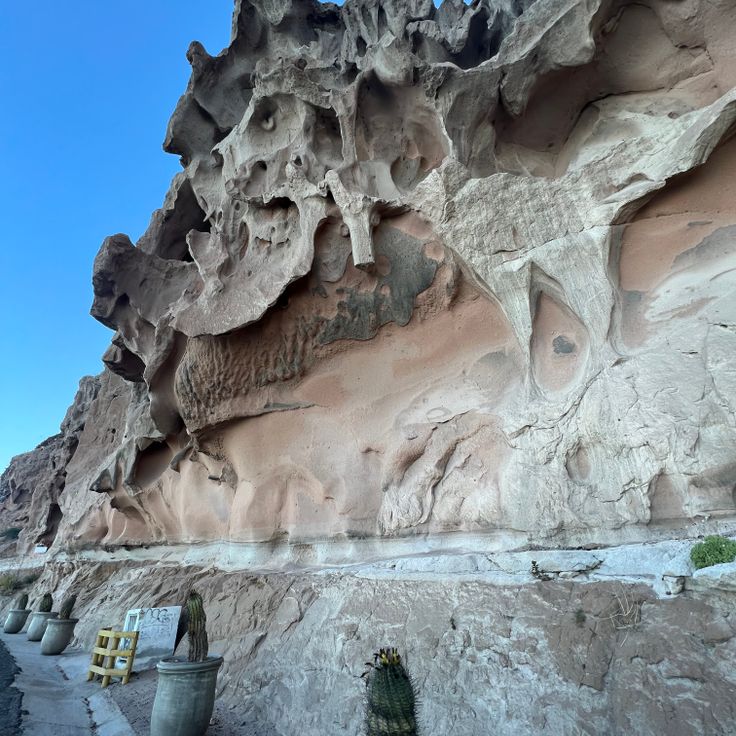
Calavera Hill is a geological formation in Baja California that resembles a skull from certain viewing angles. The rock contains cave systems with ancient indigenous art on the walls. This site combines the geological features of the Mexican peninsula with its rich history of human settlement.
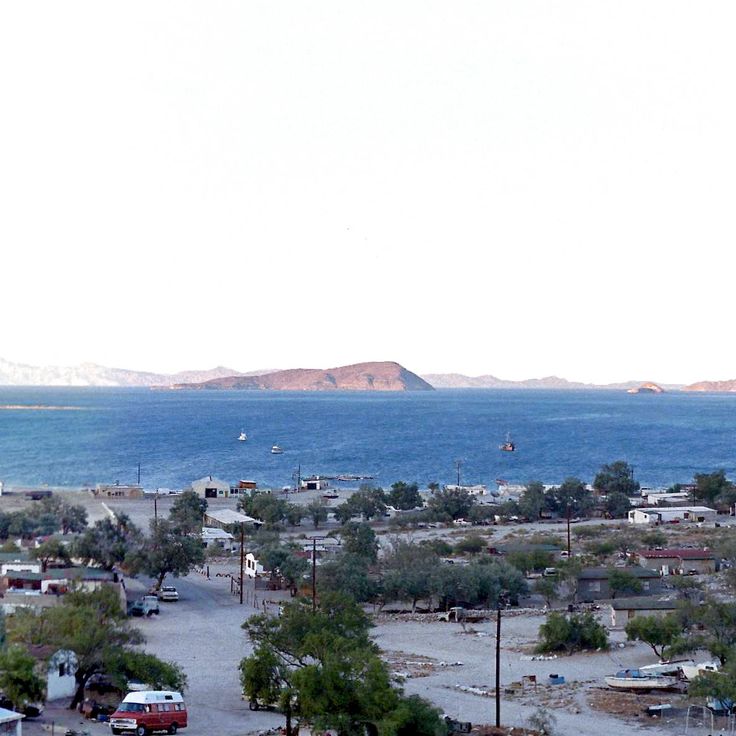
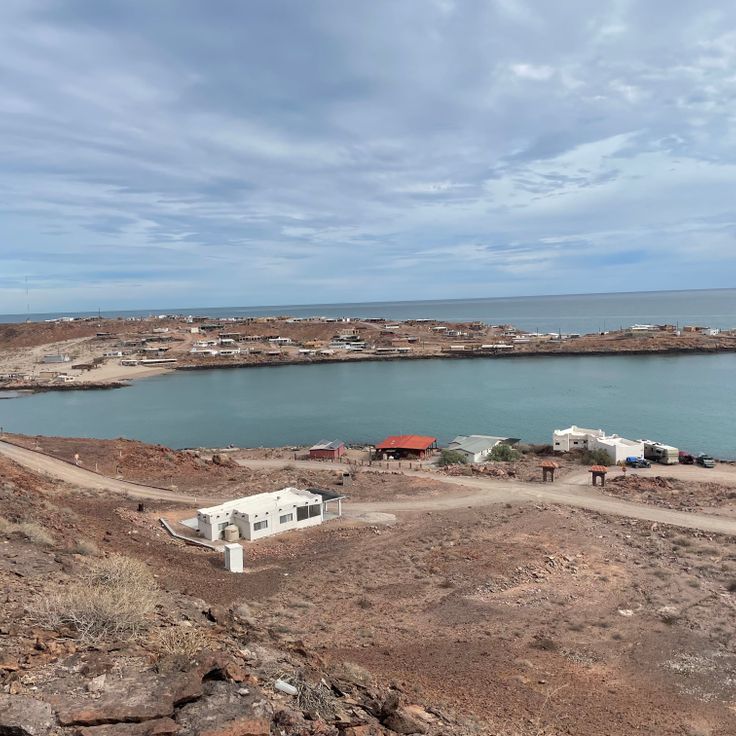
Punta Final is a coastal settlement in Baja California that reflects the diversity of this Mexican peninsula with its deserts, beaches and marine reserves. This fishing village stands on an undeveloped shoreline where boats anchor near small houses facing the Sea of Cortez. The settlement shows the simple rhythm of local life and connects to the rich history of the region, which contains colonial buildings, cave paintings and varied coastal ecosystems.
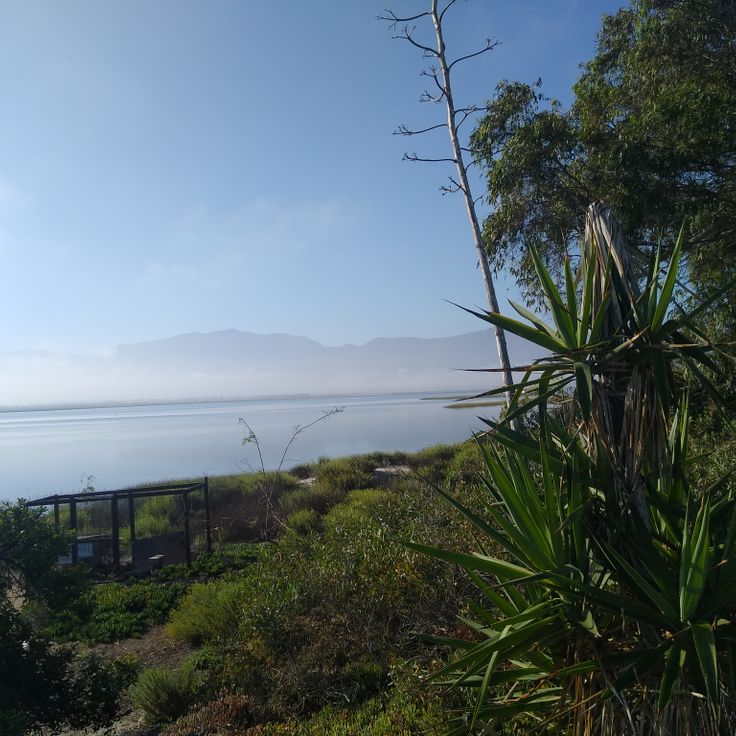
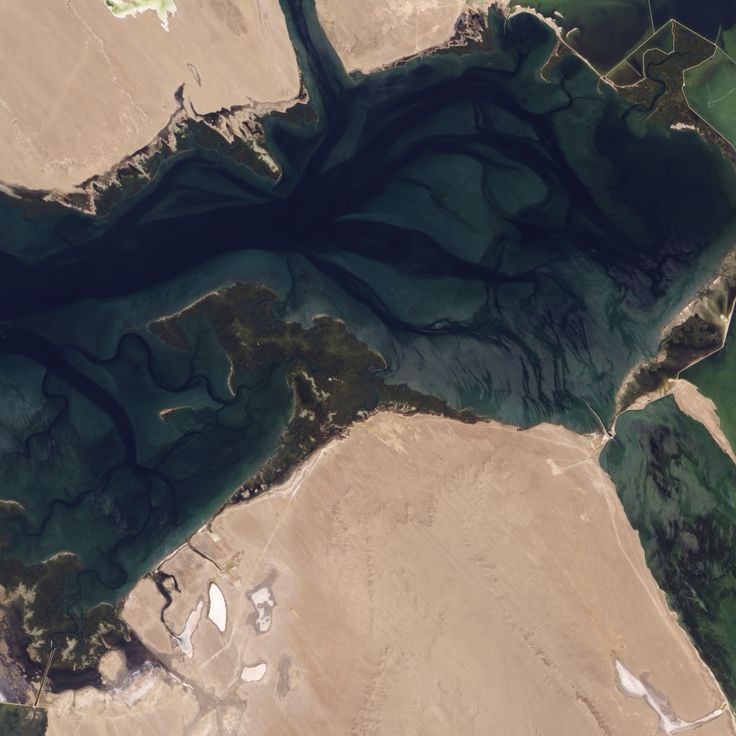
The Estero de Punta Banda is a coastal wetland featured in this collection of landscapes and nature of Baja California. This tidal area extends over several kilometers and hosts migratory birds, fish nurseries and native plant species in its salt marshes. The site showcases the diverse coastal ecosystems of the Mexican peninsula.
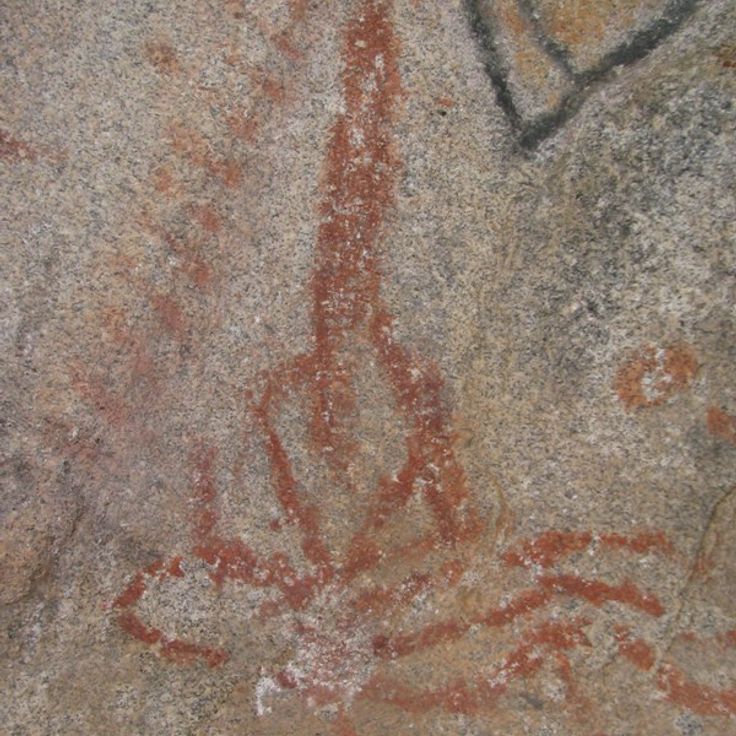
The Cataviña Rock Paintings showcase prehistoric art on granite boulders throughout this region of Baja California. Human figures, animals and geometric patterns appear in red, black and white across the stones. These paintings form part of the natural and cultural landscape of the peninsula, which combines deserts, beaches, mountains and coastal areas.
Punta Pulpito Volcano is a coastal mountain in the Loreto area that formed through volcanic activity. Rising 480 meters above sea level, it features black basalt cliffs that drop toward the shoreline. This volcano is part of the diverse geological landscape of the Baja California peninsula, where deserts, beaches, and marine reserves meet. It contributes to the volcanic areas that visitors can explore in this Mexican region.
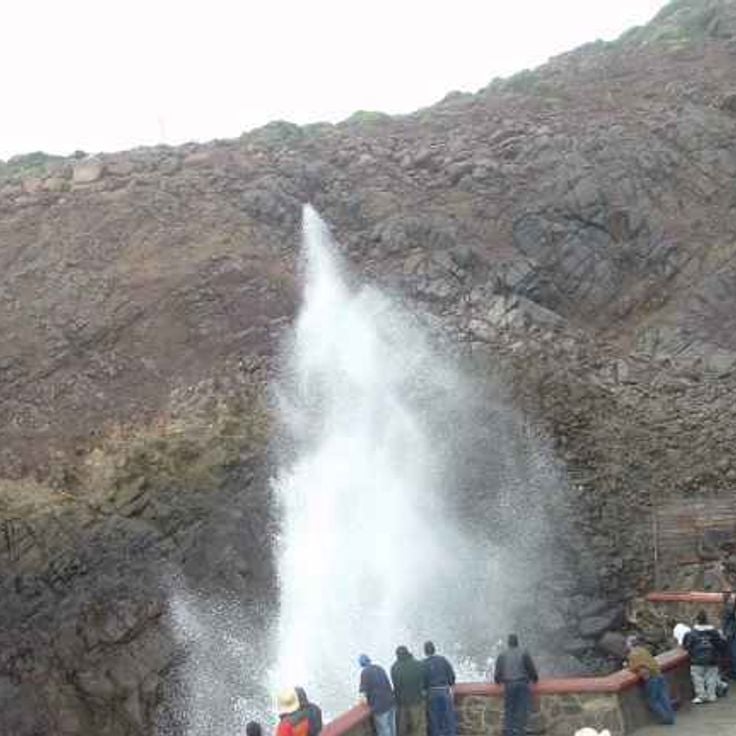
La Bufadora is a marine blowhole formation near Ensenada that exemplifies the dramatic natural forces shaping Baja California's landscape. Periodic water eruptions shoot about 30 meters high, created by air pressure trapped in underwater caves. This geological formation gives visitors a close view of how the ocean and rock interact to produce one of the region's most striking natural displays.
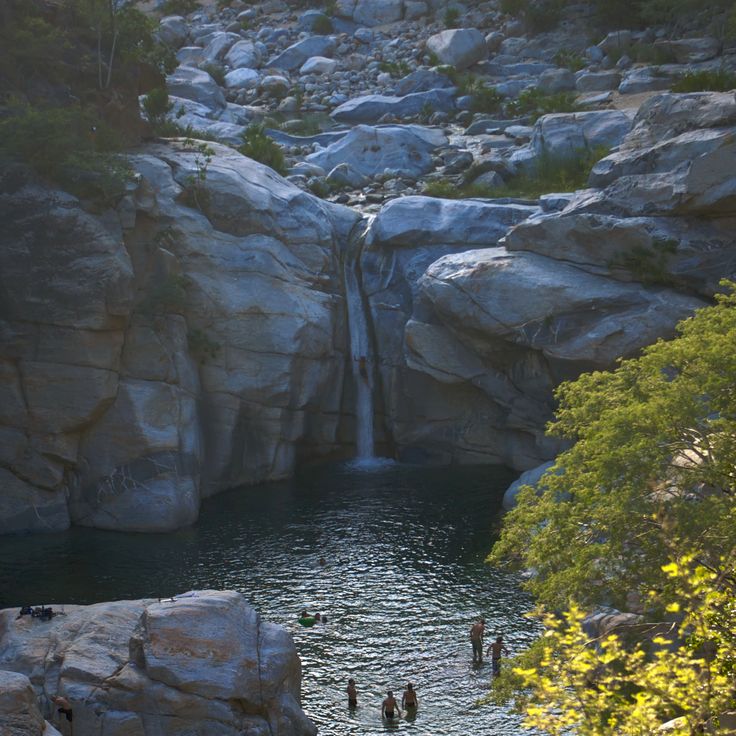
Cañón de la Zorra is a natural canyon in Santiago, part of the diverse landscapes of the Baja California peninsula. A 15-meter waterfall drops into a swimming pool at its base, surrounded by granite rock formations. This site demonstrates the geological variety of the region, where canyons and mountains combine with deserts and coastal ecosystems to create the area's character.
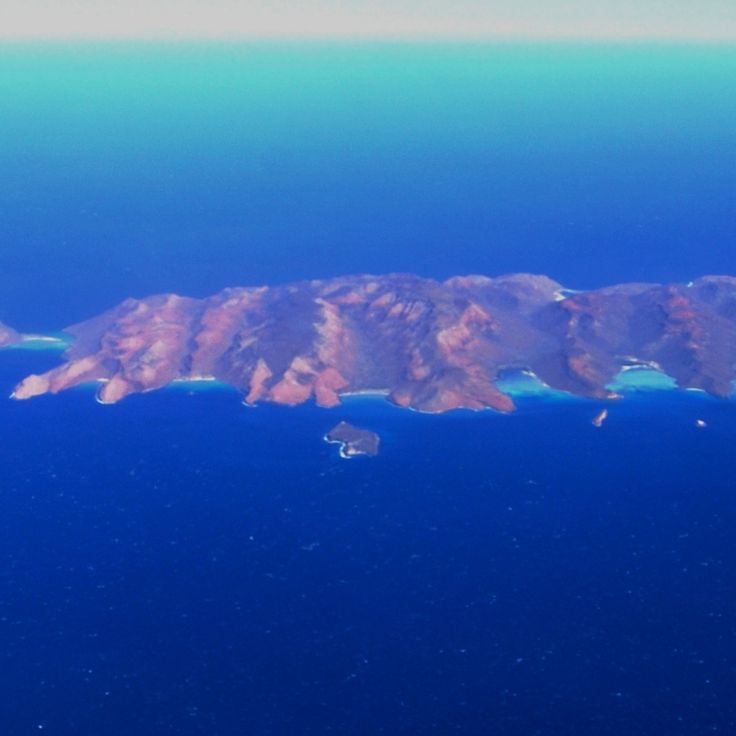
Isla Espíritu Santo is a UNESCO protected island in La Paz that represents the coastal ecosystems of the Baja California region. With white sand beaches, red rock cliffs and abundant sea lion colonies in the Sea of Cortez, this island showcases the marine life found throughout this Mexican peninsula that combines deserts, beaches and marine reserves.
Puertecitos is a fishing village in Baja California known for its natural thermal pools along the rocky shore of the Sea of Cortez. These warm pools reach temperatures around 40°C and provide a contrast to the desert and beach environments of the region. The village displays the simple way of life of local fishermen and combines coastal ecosystems with the geological formations that define this Mexican peninsula.
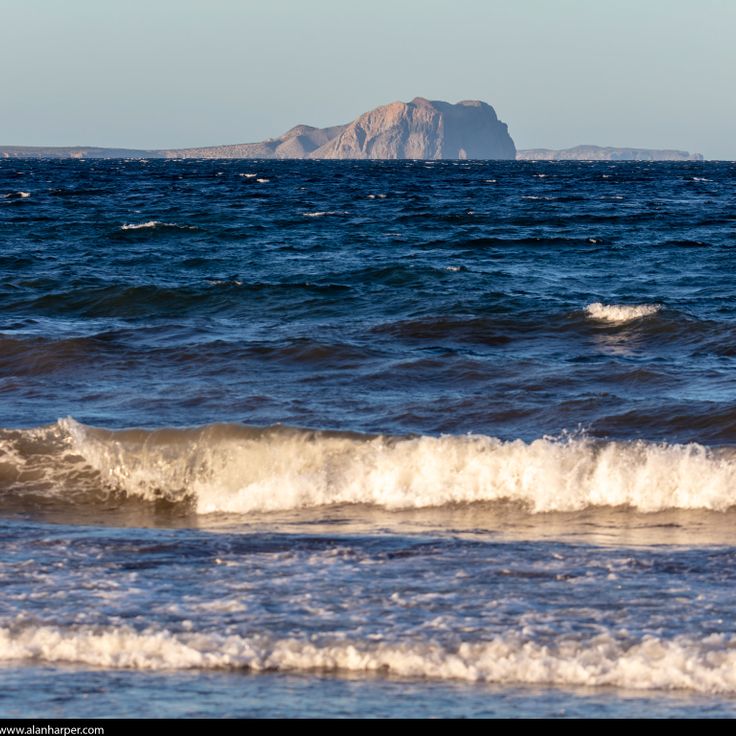
Isla Guadalupe is part of the landscapes and nature of Baja California. The island of volcanic origin is a marine protected area where white sharks regularly gather in the waters near the coast. Visitors can observe the geological formations and explore the diverse marine ecosystems that characterize this region.
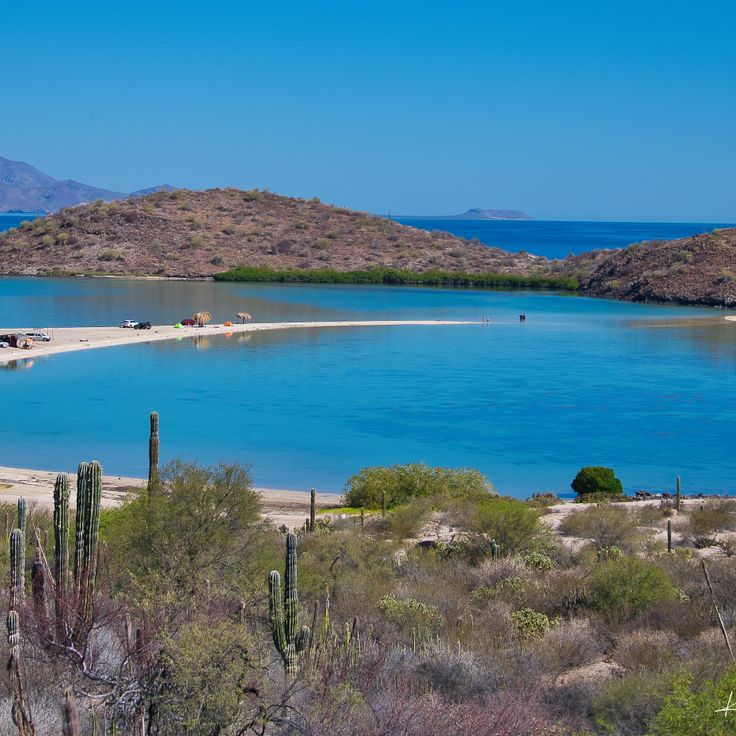
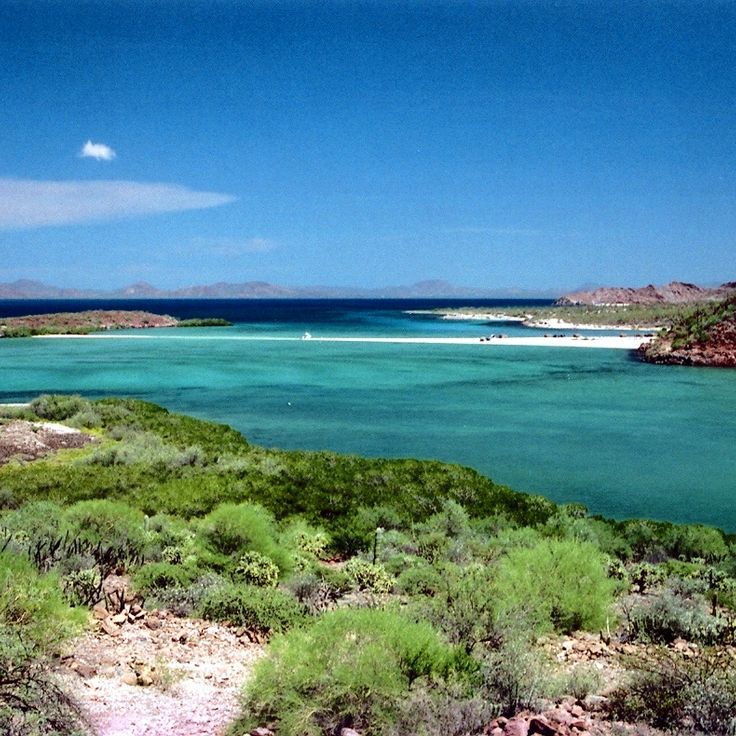
This beach in Bahía Concepción features a sand bar that connects the shore to an offshore island when the tide is low. The seawater reaches comfortable temperatures for swimming. Playa El Requesón exemplifies the natural diversity of Baja California, where desert landscapes meet coastal ecosystems and marine life thrives in protected waters.
Ojo de Liebre Lagoon is a winter zone for gray whales in the Baja California landscape. From December to April, females arrive to give birth and raise their young in these waters. This lagoon demonstrates the importance of the region's coastal ecosystems and allows visitors to observe marine life in its natural setting.
Boca de la Sierra is located within this Mexican peninsula that combines deserts, beaches and marine reserves. The mountain area displays typical desert vegetation and rock formations. Mountain springs feed several natural water basins year round, contributing to the region's varied landscape that also includes canyons, mountains and coastal ecosystems.
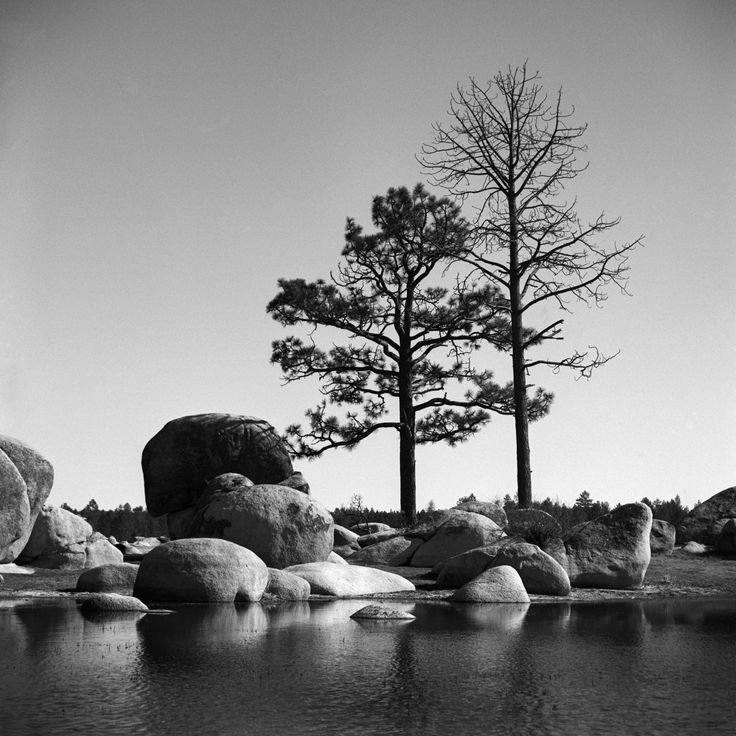
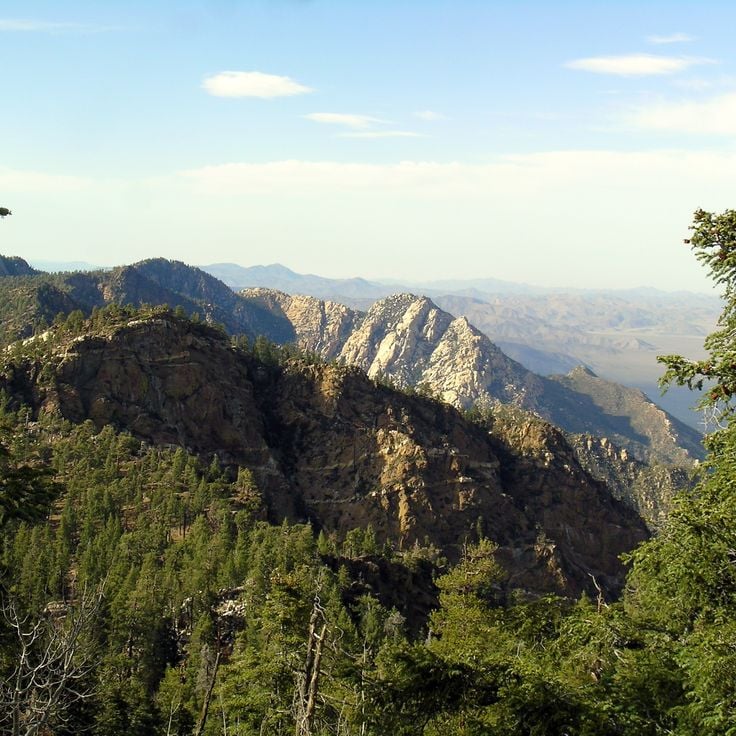
The Sierra de Juárez is a mountain range in this Mexican peninsula that combines deserts, beaches and marine reserves. The range extends 140 kilometers north to south, displaying pine forests at higher elevations and desert vegetation at lower elevations. It contributes to the region's varied landscape, where visitors encounter geological formations and different ecosystems throughout the terrain.
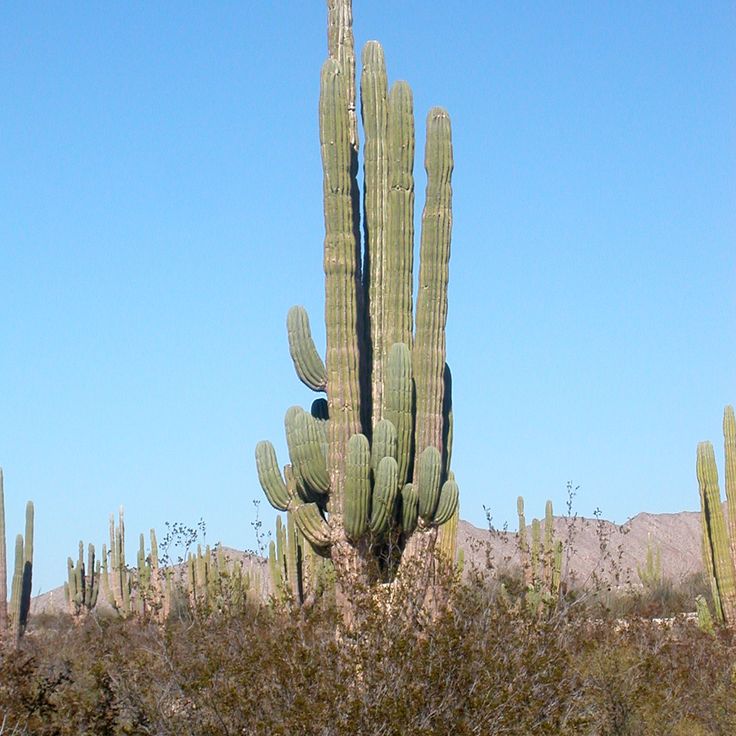
The Valle de Los Gigantes in San Felipe features cardón cacti that reach heights of up to 18 meters (59 feet) and can live for several centuries in this protected area. As part of the landscapes and nature of Baja California, this desert valley represents the region's geological formations and unique plant life. The site shows how deserts, beaches, and marine reserves shape this Mexican peninsula.
Cabo Pulmo National Park is a marine reserve in Baja California that showcases the region's coastal ecosystems. This marine protected area contains an ancient coral reef system with rich marine life, including numerous fish species and sea turtles. The park offers visitors a chance to experience the ocean habitats that are central to understanding the peninsula's natural character. It represents the type of marine environments that define Baja California's ecological identity.
The Arch of Cabo San Lucas is a striking natural rock formation rising 80 meters high where the Pacific Ocean meets the Sea of Cortez. This natural landmark embodies the geological diversity of Baja California's landscapes and demonstrates the powerful forces that have shaped this Mexican peninsula, where deserts, beaches and marine reserves converge.
San Pedro Mártir National Park sits in the mountain region of Baja California and houses Mexico's primary astronomical research center. Granite mountains are covered with pine and oak forests that shelter a variety of wildlife. Bighorn sheep, mule deer and mountain lions roam this mountainous landscape, which is part of the distinctive natural environment of this Mexican peninsula.
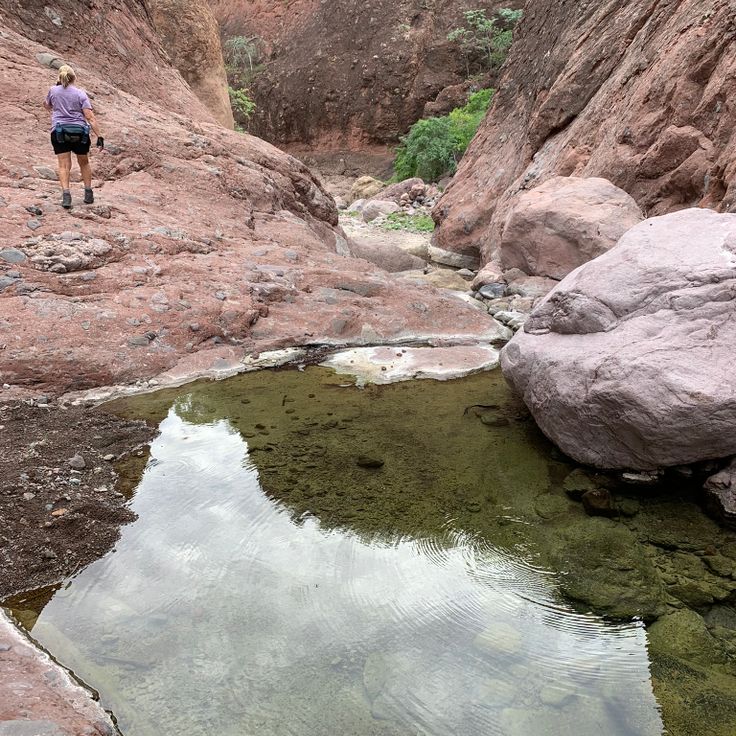
Tabor Canyon in this Mexican peninsula features natural rock pools and seasonal waterfalls. Desert vegetation grows along the steep walls of this geological formation. The canyon displays the region's varied landscape with its deserts, mountains and coastal ecosystems.
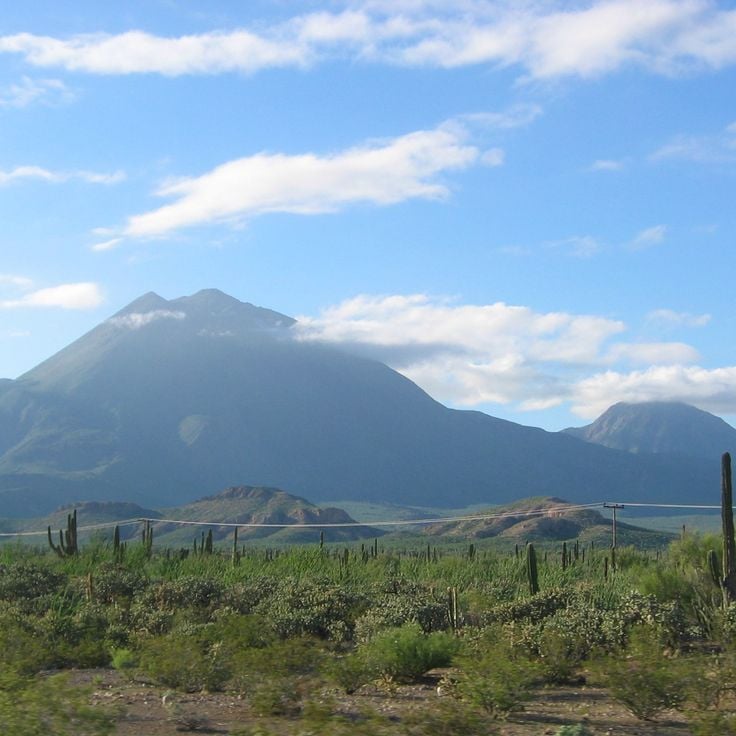
El Volcán Tres Vírgenes in Baja California Sur consists of three stratovolcanoes reaching about 2000 meters in height. This geological formation is part of the landscape and nature of the Mexican peninsula, which combines deserts, beaches and marine reserves. Around this volcanic complex lie geothermal energy plants that harness the region's volcanic activity. The landscape shows the power of the Earth's crust and offers insight into the geological processes that have shaped this area.
This cave in Mulegé displays red and black prehistoric paintings dating back about 7500 years. The wall paintings are part of the archaeological heritage of Baja California's landscapes and document the long human settlement of this desert region. It offers insight into the early cultures of this peninsula.
Bahia Concepcion sits along the coast of Baja California Sur and displays the diversity of this Mexican peninsula with its deserts, beaches and marine reserves. The bay extends through several inlets along the Sea of Cortez. Small islands dot the clear waters between sand beaches. This coastal landscape embodies the geological formations and marine life that define the region.
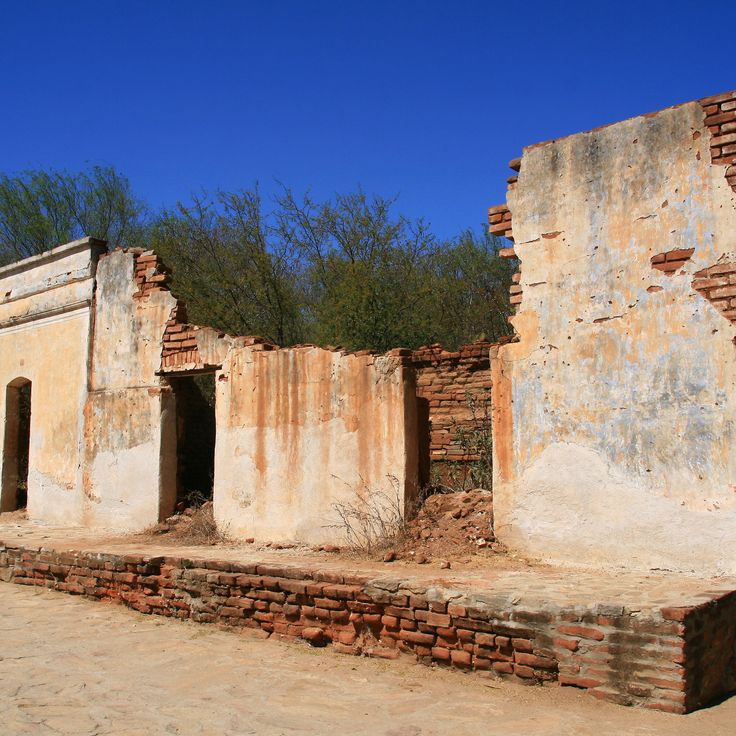
El Triunfo is a former mining town in Baja California Sur that reveals the industrial past of this Mexican peninsula. Silver mining from the 19th century shaped the character of the place. Old industrial chimneys still stand and tell of the mining era. A metallurgy museum documents the history of resource extraction and processing in a region known for its deserts, beaches and geological formations.
Isla Coronado near Loreto is part of the landscapes and nature of Baja California. The island rose from volcanic activity and rises from the Sea of Cortez. Black sand beaches line the shore, while sea lions inhabit the coral reefs. This island shows the geological formations and marine life that define the region.
Valle de los Cirios is a natural reserve in Baja California that showcases the diverse desert landscape of this Mexican peninsula. The park contains Boojum trees, various cactus species and desert animals. Visitors experience expansive dry terrain with distinctive plant life adapted to the region's arid climate.
La Lobera is a coastal rock formation at San Quintín that represents the natural landscapes of Baja California. A natural depression in the rocks serves as a resting place for sea lions along the Pacific shore. This site sits within a region known for beaches, deserts and marine reserves on the Mexican peninsula.
The cave paintings of Sierra de San Francisco display human figures and animals rendered in red and black paint. These artworks date back approximately 7,000 years. They form part of the historical record of early cultures in this Mexican peninsula, which combines deserts, beaches and marine reserves. The paintings provide insight into the daily life and beliefs of the people who inhabited this region.
Bahía de los Ángeles sits on the coast of the Baja California peninsula and showcases the region's diverse nature. The water here glows at night from microorganisms that shimmer with each movement. Whale sharks visit the bay from June through November to feed. The surroundings blend desert, beach and marine ecosystems in a single landscape.
Isla Smith in the Gulf of California is part of the landscapes and nature of the Baja California peninsula. This rocky formation serves as a nesting site for marine birds and hosts sea lion populations near its shores. It represents the diverse marine life and coastal ecosystems found throughout the region.
The Canyon de Guadalupe in the Sierra de Juarez forms part of the landscapes and nature collection of Baja California. The canyon features mineral water pools at constant temperature of 40°C flowing between granite walls in this desert region. The mineral waters and geological formations illustrate the distinctive characteristics of this Mexican peninsula with its canyons, mountains and varied ecosystems.
The Santa Rosalía Mission is a stone structure built by Dominican missionaries in 1705 within the landscapes and nature of Baja California. Located near a water source, the mission displays its original walls and foundation, revealing construction methods from that era. The structure reflects the colonial past of this Mexican peninsula, which combines deserts, beaches and marine reserves.
Calavera Hill is a geological formation in Baja California that resembles a skull from certain viewing angles. The rock contains cave systems with ancient indigenous art on the walls. This site combines the geological features of the Mexican peninsula with its rich history of human settlement.
Punta Final is a coastal settlement in Baja California that reflects the diversity of this Mexican peninsula with its deserts, beaches and marine reserves. This fishing village stands on an undeveloped shoreline where boats anchor near small houses facing the Sea of Cortez. The settlement shows the simple rhythm of local life and connects to the rich history of the region, which contains colonial buildings, cave paintings and varied coastal ecosystems.
The Estero de Punta Banda is a coastal wetland featured in this collection of landscapes and nature of Baja California. This tidal area extends over several kilometers and hosts migratory birds, fish nurseries and native plant species in its salt marshes. The site showcases the diverse coastal ecosystems of the Mexican peninsula.
The Cataviña Rock Paintings showcase prehistoric art on granite boulders throughout this region of Baja California. Human figures, animals and geometric patterns appear in red, black and white across the stones. These paintings form part of the natural and cultural landscape of the peninsula, which combines deserts, beaches, mountains and coastal areas.
Punta Pulpito Volcano is a coastal mountain in the Loreto area that formed through volcanic activity. Rising 480 meters above sea level, it features black basalt cliffs that drop toward the shoreline. This volcano is part of the diverse geological landscape of the Baja California peninsula, where deserts, beaches, and marine reserves meet. It contributes to the volcanic areas that visitors can explore in this Mexican region.
La Bufadora is a marine blowhole formation near Ensenada that exemplifies the dramatic natural forces shaping Baja California's landscape. Periodic water eruptions shoot about 30 meters high, created by air pressure trapped in underwater caves. This geological formation gives visitors a close view of how the ocean and rock interact to produce one of the region's most striking natural displays.
Cañón de la Zorra is a natural canyon in Santiago, part of the diverse landscapes of the Baja California peninsula. A 15-meter waterfall drops into a swimming pool at its base, surrounded by granite rock formations. This site demonstrates the geological variety of the region, where canyons and mountains combine with deserts and coastal ecosystems to create the area's character.
Isla Espíritu Santo is a UNESCO protected island in La Paz that represents the coastal ecosystems of the Baja California region. With white sand beaches, red rock cliffs and abundant sea lion colonies in the Sea of Cortez, this island showcases the marine life found throughout this Mexican peninsula that combines deserts, beaches and marine reserves.
Puertecitos is a fishing village in Baja California known for its natural thermal pools along the rocky shore of the Sea of Cortez. These warm pools reach temperatures around 40°C and provide a contrast to the desert and beach environments of the region. The village displays the simple way of life of local fishermen and combines coastal ecosystems with the geological formations that define this Mexican peninsula.
Isla Guadalupe is part of the landscapes and nature of Baja California. The island of volcanic origin is a marine protected area where white sharks regularly gather in the waters near the coast. Visitors can observe the geological formations and explore the diverse marine ecosystems that characterize this region.
This beach in Bahía Concepción features a sand bar that connects the shore to an offshore island when the tide is low. The seawater reaches comfortable temperatures for swimming. Playa El Requesón exemplifies the natural diversity of Baja California, where desert landscapes meet coastal ecosystems and marine life thrives in protected waters.
Ojo de Liebre Lagoon is a winter zone for gray whales in the Baja California landscape. From December to April, females arrive to give birth and raise their young in these waters. This lagoon demonstrates the importance of the region's coastal ecosystems and allows visitors to observe marine life in its natural setting.
Boca de la Sierra is located within this Mexican peninsula that combines deserts, beaches and marine reserves. The mountain area displays typical desert vegetation and rock formations. Mountain springs feed several natural water basins year round, contributing to the region's varied landscape that also includes canyons, mountains and coastal ecosystems.
The Sierra de Juárez is a mountain range in this Mexican peninsula that combines deserts, beaches and marine reserves. The range extends 140 kilometers north to south, displaying pine forests at higher elevations and desert vegetation at lower elevations. It contributes to the region's varied landscape, where visitors encounter geological formations and different ecosystems throughout the terrain.
The Valle de Los Gigantes in San Felipe features cardón cacti that reach heights of up to 18 meters (59 feet) and can live for several centuries in this protected area. As part of the landscapes and nature of Baja California, this desert valley represents the region's geological formations and unique plant life. The site shows how deserts, beaches, and marine reserves shape this Mexican peninsula.
Cabo Pulmo National Park is a marine reserve in Baja California that showcases the region's coastal ecosystems. This marine protected area contains an ancient coral reef system with rich marine life, including numerous fish species and sea turtles. The park offers visitors a chance to experience the ocean habitats that are central to understanding the peninsula's natural character. It represents the type of marine environments that define Baja California's ecological identity.
The Arch of Cabo San Lucas is a striking natural rock formation rising 80 meters high where the Pacific Ocean meets the Sea of Cortez. This natural landmark embodies the geological diversity of Baja California's landscapes and demonstrates the powerful forces that have shaped this Mexican peninsula, where deserts, beaches and marine reserves converge.
San Pedro Mártir National Park sits in the mountain region of Baja California and houses Mexico's primary astronomical research center. Granite mountains are covered with pine and oak forests that shelter a variety of wildlife. Bighorn sheep, mule deer and mountain lions roam this mountainous landscape, which is part of the distinctive natural environment of this Mexican peninsula.
Tabor Canyon in this Mexican peninsula features natural rock pools and seasonal waterfalls. Desert vegetation grows along the steep walls of this geological formation. The canyon displays the region's varied landscape with its deserts, mountains and coastal ecosystems.
El Volcán Tres Vírgenes in Baja California Sur consists of three stratovolcanoes reaching about 2000 meters in height. This geological formation is part of the landscape and nature of the Mexican peninsula, which combines deserts, beaches and marine reserves. Around this volcanic complex lie geothermal energy plants that harness the region's volcanic activity. The landscape shows the power of the Earth's crust and offers insight into the geological processes that have shaped this area.
This cave in Mulegé displays red and black prehistoric paintings dating back about 7500 years. The wall paintings are part of the archaeological heritage of Baja California's landscapes and document the long human settlement of this desert region. It offers insight into the early cultures of this peninsula.
Bahia Concepcion sits along the coast of Baja California Sur and displays the diversity of this Mexican peninsula with its deserts, beaches and marine reserves. The bay extends through several inlets along the Sea of Cortez. Small islands dot the clear waters between sand beaches. This coastal landscape embodies the geological formations and marine life that define the region.
El Triunfo is a former mining town in Baja California Sur that reveals the industrial past of this Mexican peninsula. Silver mining from the 19th century shaped the character of the place. Old industrial chimneys still stand and tell of the mining era. A metallurgy museum documents the history of resource extraction and processing in a region known for its deserts, beaches and geological formations.
Isla Coronado near Loreto is part of the landscapes and nature of Baja California. The island rose from volcanic activity and rises from the Sea of Cortez. Black sand beaches line the shore, while sea lions inhabit the coral reefs. This island shows the geological formations and marine life that define the region.
Valle de los Cirios is a natural reserve in Baja California that showcases the diverse desert landscape of this Mexican peninsula. The park contains Boojum trees, various cactus species and desert animals. Visitors experience expansive dry terrain with distinctive plant life adapted to the region's arid climate.
La Lobera is a coastal rock formation at San Quintín that represents the natural landscapes of Baja California. A natural depression in the rocks serves as a resting place for sea lions along the Pacific shore. This site sits within a region known for beaches, deserts and marine reserves on the Mexican peninsula.
The cave paintings of Sierra de San Francisco display human figures and animals rendered in red and black paint. These artworks date back approximately 7,000 years. They form part of the historical record of early cultures in this Mexican peninsula, which combines deserts, beaches and marine reserves. The paintings provide insight into the daily life and beliefs of the people who inhabited this region.
Bahía de los Ángeles sits on the coast of the Baja California peninsula and showcases the region's diverse nature. The water here glows at night from microorganisms that shimmer with each movement. Whale sharks visit the bay from June through November to feed. The surroundings blend desert, beach and marine ecosystems in a single landscape.
Isla Smith in the Gulf of California is part of the landscapes and nature of the Baja California peninsula. This rocky formation serves as a nesting site for marine birds and hosts sea lion populations near its shores. It represents the diverse marine life and coastal ecosystems found throughout the region.
The Canyon de Guadalupe in the Sierra de Juarez forms part of the landscapes and nature collection of Baja California. The canyon features mineral water pools at constant temperature of 40°C flowing between granite walls in this desert region. The mineral waters and geological formations illustrate the distinctive characteristics of this Mexican peninsula with its canyons, mountains and varied ecosystems.
The Santa Rosalía Mission is a stone structure built by Dominican missionaries in 1705 within the landscapes and nature of Baja California. Located near a water source, the mission displays its original walls and foundation, revealing construction methods from that era. The structure reflects the colonial past of this Mexican peninsula, which combines deserts, beaches and marine reserves.
Calavera Hill is a geological formation in Baja California that resembles a skull from certain viewing angles. The rock contains cave systems with ancient indigenous art on the walls. This site combines the geological features of the Mexican peninsula with its rich history of human settlement.
Punta Final is a coastal settlement in Baja California that reflects the diversity of this Mexican peninsula with its deserts, beaches and marine reserves. This fishing village stands on an undeveloped shoreline where boats anchor near small houses facing the Sea of Cortez. The settlement shows the simple rhythm of local life and connects to the rich history of the region, which contains colonial buildings, cave paintings and varied coastal ecosystems.
The Estero de Punta Banda is a coastal wetland featured in this collection of landscapes and nature of Baja California. This tidal area extends over several kilometers and hosts migratory birds, fish nurseries and native plant species in its salt marshes. The site showcases the diverse coastal ecosystems of the Mexican peninsula.
The Cataviña Rock Paintings showcase prehistoric art on granite boulders throughout this region of Baja California. Human figures, animals and geometric patterns appear in red, black and white across the stones. These paintings form part of the natural and cultural landscape of the peninsula, which combines deserts, beaches, mountains and coastal areas.
Punta Pulpito Volcano is a coastal mountain in the Loreto area that formed through volcanic activity. Rising 480 meters above sea level, it features black basalt cliffs that drop toward the shoreline. This volcano is part of the diverse geological landscape of the Baja California peninsula, where deserts, beaches, and marine reserves meet. It contributes to the volcanic areas that visitors can explore in this Mexican region.
La Bufadora is a marine blowhole formation near Ensenada that exemplifies the dramatic natural forces shaping Baja California's landscape. Periodic water eruptions shoot about 30 meters high, created by air pressure trapped in underwater caves. This geological formation gives visitors a close view of how the ocean and rock interact to produce one of the region's most striking natural displays.
Cañón de la Zorra is a natural canyon in Santiago, part of the diverse landscapes of the Baja California peninsula. A 15-meter waterfall drops into a swimming pool at its base, surrounded by granite rock formations. This site demonstrates the geological variety of the region, where canyons and mountains combine with deserts and coastal ecosystems to create the area's character.
Isla Espíritu Santo is a UNESCO protected island in La Paz that represents the coastal ecosystems of the Baja California region. With white sand beaches, red rock cliffs and abundant sea lion colonies in the Sea of Cortez, this island showcases the marine life found throughout this Mexican peninsula that combines deserts, beaches and marine reserves.
Puertecitos is a fishing village in Baja California known for its natural thermal pools along the rocky shore of the Sea of Cortez. These warm pools reach temperatures around 40°C and provide a contrast to the desert and beach environments of the region. The village displays the simple way of life of local fishermen and combines coastal ecosystems with the geological formations that define this Mexican peninsula.
Isla Guadalupe is part of the landscapes and nature of Baja California. The island of volcanic origin is a marine protected area where white sharks regularly gather in the waters near the coast. Visitors can observe the geological formations and explore the diverse marine ecosystems that characterize this region.
This beach in Bahía Concepción features a sand bar that connects the shore to an offshore island when the tide is low. The seawater reaches comfortable temperatures for swimming. Playa El Requesón exemplifies the natural diversity of Baja California, where desert landscapes meet coastal ecosystems and marine life thrives in protected waters.
Ojo de Liebre Lagoon is a winter zone for gray whales in the Baja California landscape. From December to April, females arrive to give birth and raise their young in these waters. This lagoon demonstrates the importance of the region's coastal ecosystems and allows visitors to observe marine life in its natural setting.
Boca de la Sierra is located within this Mexican peninsula that combines deserts, beaches and marine reserves. The mountain area displays typical desert vegetation and rock formations. Mountain springs feed several natural water basins year round, contributing to the region's varied landscape that also includes canyons, mountains and coastal ecosystems.
The Sierra de Juárez is a mountain range in this Mexican peninsula that combines deserts, beaches and marine reserves. The range extends 140 kilometers north to south, displaying pine forests at higher elevations and desert vegetation at lower elevations. It contributes to the region's varied landscape, where visitors encounter geological formations and different ecosystems throughout the terrain.
The Valle de Los Gigantes in San Felipe features cardón cacti that reach heights of up to 18 meters (59 feet) and can live for several centuries in this protected area. As part of the landscapes and nature of Baja California, this desert valley represents the region's geological formations and unique plant life. The site shows how deserts, beaches, and marine reserves shape this Mexican peninsula.
Cabo Pulmo National Park is a marine reserve in Baja California that showcases the region's coastal ecosystems. This marine protected area contains an ancient coral reef system with rich marine life, including numerous fish species and sea turtles. The park offers visitors a chance to experience the ocean habitats that are central to understanding the peninsula's natural character. It represents the type of marine environments that define Baja California's ecological identity.
The Arch of Cabo San Lucas is a striking natural rock formation rising 80 meters high where the Pacific Ocean meets the Sea of Cortez. This natural landmark embodies the geological diversity of Baja California's landscapes and demonstrates the powerful forces that have shaped this Mexican peninsula, where deserts, beaches and marine reserves converge.
San Pedro Mártir National Park sits in the mountain region of Baja California and houses Mexico's primary astronomical research center. Granite mountains are covered with pine and oak forests that shelter a variety of wildlife. Bighorn sheep, mule deer and mountain lions roam this mountainous landscape, which is part of the distinctive natural environment of this Mexican peninsula.
Tabor Canyon in this Mexican peninsula features natural rock pools and seasonal waterfalls. Desert vegetation grows along the steep walls of this geological formation. The canyon displays the region's varied landscape with its deserts, mountains and coastal ecosystems.
El Volcán Tres Vírgenes in Baja California Sur consists of three stratovolcanoes reaching about 2000 meters in height. This geological formation is part of the landscape and nature of the Mexican peninsula, which combines deserts, beaches and marine reserves. Around this volcanic complex lie geothermal energy plants that harness the region's volcanic activity. The landscape shows the power of the Earth's crust and offers insight into the geological processes that have shaped this area.
This cave in Mulegé displays red and black prehistoric paintings dating back about 7500 years. The wall paintings are part of the archaeological heritage of Baja California's landscapes and document the long human settlement of this desert region. It offers insight into the early cultures of this peninsula.
Bahia Concepcion sits along the coast of Baja California Sur and displays the diversity of this Mexican peninsula with its deserts, beaches and marine reserves. The bay extends through several inlets along the Sea of Cortez. Small islands dot the clear waters between sand beaches. This coastal landscape embodies the geological formations and marine life that define the region.
El Triunfo is a former mining town in Baja California Sur that reveals the industrial past of this Mexican peninsula. Silver mining from the 19th century shaped the character of the place. Old industrial chimneys still stand and tell of the mining era. A metallurgy museum documents the history of resource extraction and processing in a region known for its deserts, beaches and geological formations.
Isla Coronado near Loreto is part of the landscapes and nature of Baja California. The island rose from volcanic activity and rises from the Sea of Cortez. Black sand beaches line the shore, while sea lions inhabit the coral reefs. This island shows the geological formations and marine life that define the region.