Rock Paintings of Sierra de San Francisco, Ancient petroglyphic site in Sierra de San Francisco, Mexico
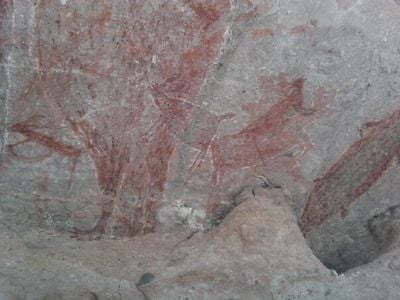
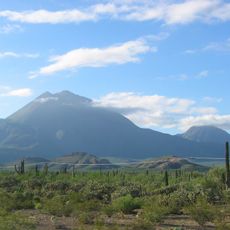
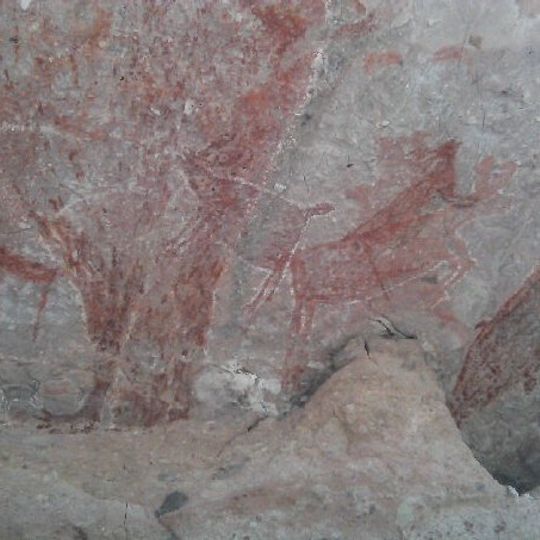
The rock paintings of Sierra de San Francisco are spread across about 250 sites throughout the mountain range, showing figures of humans, animals, and geometric patterns in red, black, and white. The artworks are located in natural caves and beneath rock shelters distributed across the rugged terrain.
The paintings date back to around 5500 BCE and were created by the Cochimi people, whose culture developed over thousands of years in this mountain region. European missionaries, particularly the Jesuit José Mariano Rotea, first documented these artworks in the 18th century and introduced them to the wider world.
The painted caves feature life-sized images of deer, wild sheep, rabbits, pumas, whales, turtles, and fish that show what animals mattered to the people living here. These pictures reveal how hunting and the natural world shaped their way of life and artistic choices.
Local guides lead expeditions through the mountain wilderness to reach the painted caves and advance arrangements are necessary since the locations are remote. The visit requires physical fitness and sure-footedness for the uneven paths and high elevations of the mountain range.
Jesuit records collected in the 18th century noted a native belief that the paintings were made by a race of giants, an idea suggested by the larger-than-life human and animal figures. Scientists discarded this explanation from the late 19th century onward, but it shows how the scale of the panels struck early observers.
The community of curious travelers
AroundUs brings together thousands of curated places, local tips, and hidden gems, enriched daily by 92,668 contributors worldwide.