Islands and Protected Areas of the Gulf of California, Nature reserve and UNESCO World Heritage Site in Baja California Sur, Mexico.
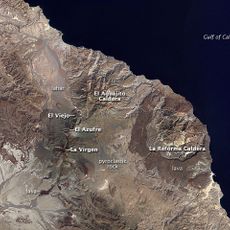
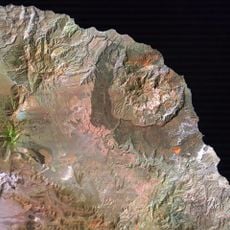
The Islands and Protected Areas of the Gulf of California is a UNESCO World Heritage Site made up of 244 islands and islets, together with protected marine and coastal zones, stretching 270 kilometers from the Colorado River delta to the southern tip of the Baja California Peninsula. More than 70 percent of the inscribed area is sea. The islands include both continental and oceanic types, and the site spans the Mexican states of Baja California, Baja California Sur, Sonora, Sinaloa and Nayarit.
The site was nominated in 2004, and IUCN recommended inscription in 2005, when the 29th session of the World Heritage Committee formally listed it as Mexico's 25th World Heritage Site and third natural one. Minor modifications in 2007 and 2011 enlarged the protected area. In 2019 the committee placed it on the List of World Heritage in Danger over the vaquita marina's imminent extinction.
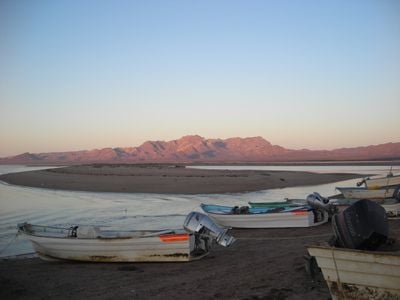
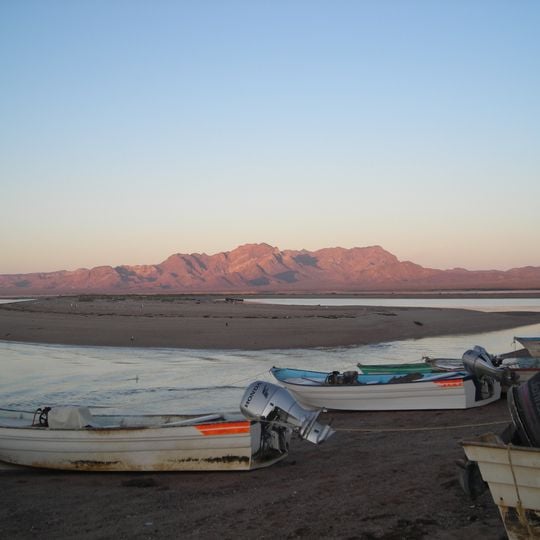
Local fishing communities work in designated zones, keeping traditional methods alive while supporting conservation efforts in the region.
The site spans 244 islands and islets from the Colorado River delta to the tip of the Baja California Peninsula, across the states of Baja California, Baja California Sur, Sonora, Sinaloa and Nayarit. Access is by boat, and permits are required for activities such as diving or camping. More than 70 percent of the registered area is marine.
The region hosts about 891 fish species, making it one of the richest marine ecosystems in North America. Many of these species are found nowhere else on Earth, making the Gulf a living laboratory for marine biodiversity.
The community of curious travelers
AroundUs brings together thousands of curated places, local tips, and hidden gems, enriched daily by 92,655 contributors worldwide.