San Pedro Mártir Island, Protected island in Gulf of California, Mexico.
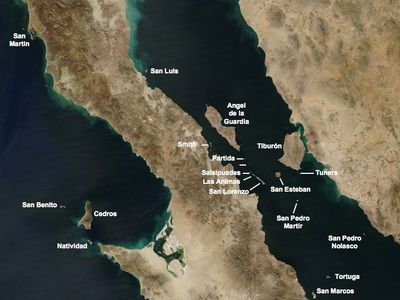
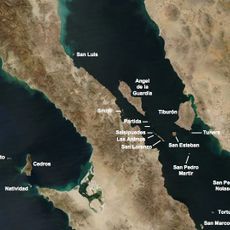
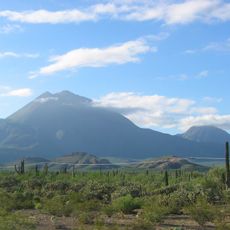
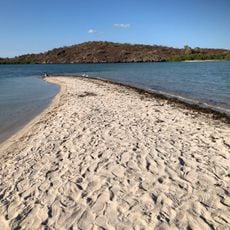
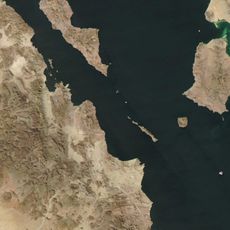
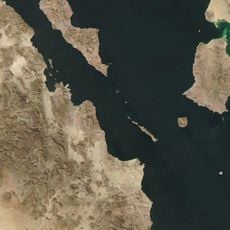
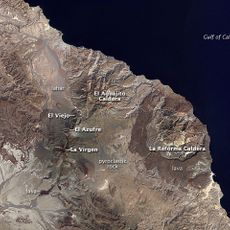
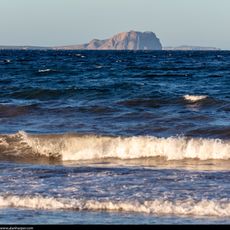
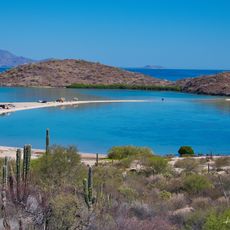
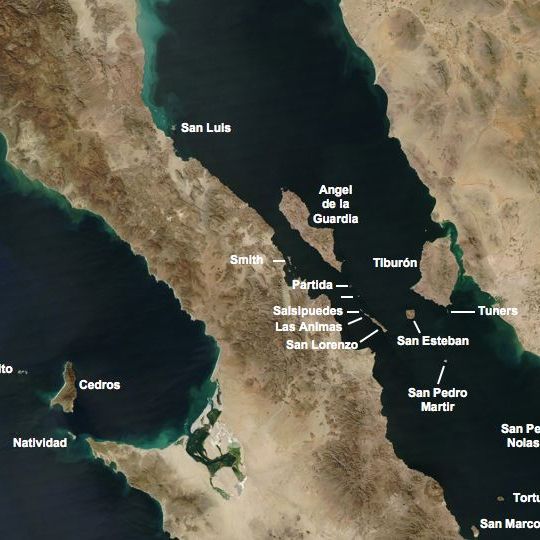
San Pedro Mártir Island is a rocky island in the Gulf of California, in the Mexican state of Sonora, shaped by sheer cliffs rising directly from the water and very little plant cover. The surrounding sea is rough and the coastline offers almost no sheltered landing spots, leaving the island largely cut off from regular human presence.
During the 1800s, the island was heavily mined for guano, which was shipped to Europe and used as fertilizer, drawing workers to this otherwise unreachable place. After that period of intensive extraction ended, the island was left largely undisturbed, and wildlife populations gradually recovered over the following decades.
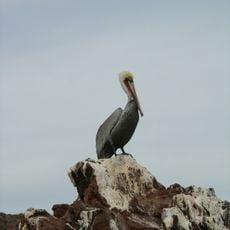
San Pedro Mártir is part of the UNESCO World Heritage Site covering the islands and protected areas of the Gulf of California, a designation that shapes how the island is managed today. Visitors on boat tours can see large colonies of seabirds nesting on the cliffs, which gives a vivid sense of the island's role as a refuge for wildlife.
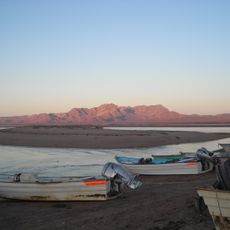
Landing on the island is restricted to protect the wildlife, so most visits take place from a boat at a distance. A guided boat tour from nearby coastal towns is the standard way to get close, and going in the morning tends to give better light for watching the birds.
San Pedro Mártir is home to one of the largest breeding colonies of blue-footed and brown boobies in the world, a fact that surprises many visitors expecting a more typical island wildlife scene. Because no one lands on the island, the birds have developed an unusually low fear of boats passing nearby, making close observation possible from the water.
The community of curious travelers
AroundUs brings together thousands of curated places, local tips, and hidden gems, enriched daily by 92,183 contributors worldwide.