Tres Vírgenes, Stratovolcano in Mulegé, Mexico
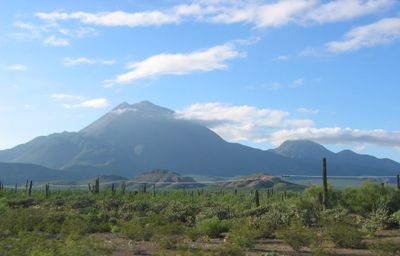
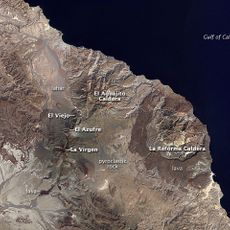
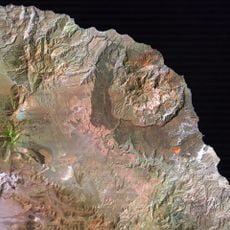
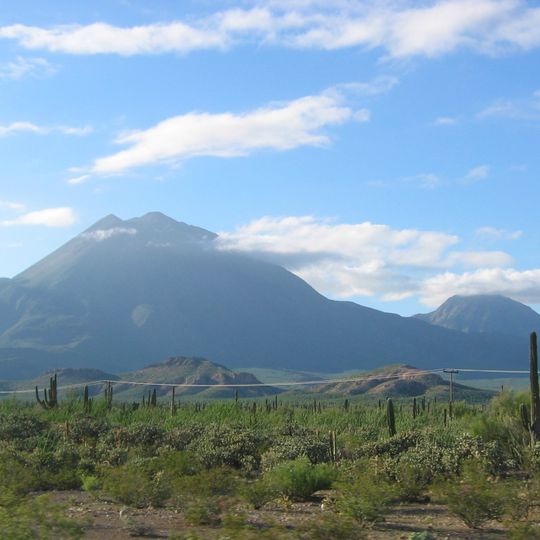
Tres Vírgenes is a volcanic complex in Mulegé consisting of three peaks aligned northeast to southwest, with the highest reaching 1,940 meters above sea level. The peaks are composed of andesite and form a coherent geological formation across this volcanic region.
The volcanic complex was documented by Croatian Jesuit missionary Ferdinand Konščak in 1746, who recorded an eruption on his map. This historical record demonstrates that volcanic activity here was observable in the early 18th century and caught the attention of early explorers.
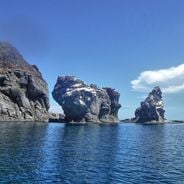
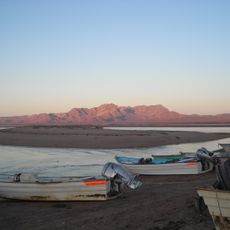
The volcanic complex sits within the El Vizcaíno Biosphere Reserve, serving as a landmark within this protected landscape of Baja California Sur. It forms part of how locals and visitors understand the geological identity of the region.
A geothermal energy plant operates in the northern section of the volcanic complex, near the edge of the El Aguajito caldera. Visitors should be aware of this industrial presence and respect marked boundaries in the area.
Beneath the younger volcanic materials lie Cretaceous granitic rocks that have been covered by andesite from the Santa Lucía Range. This layering reveals a deep geological history spanning millions of years.
The community of curious travelers
AroundUs brings together thousands of curated places, local tips, and hidden gems, enriched daily by 60,000 contributors worldwide.