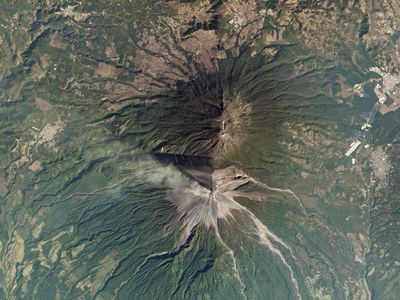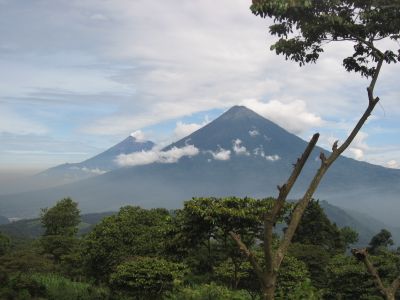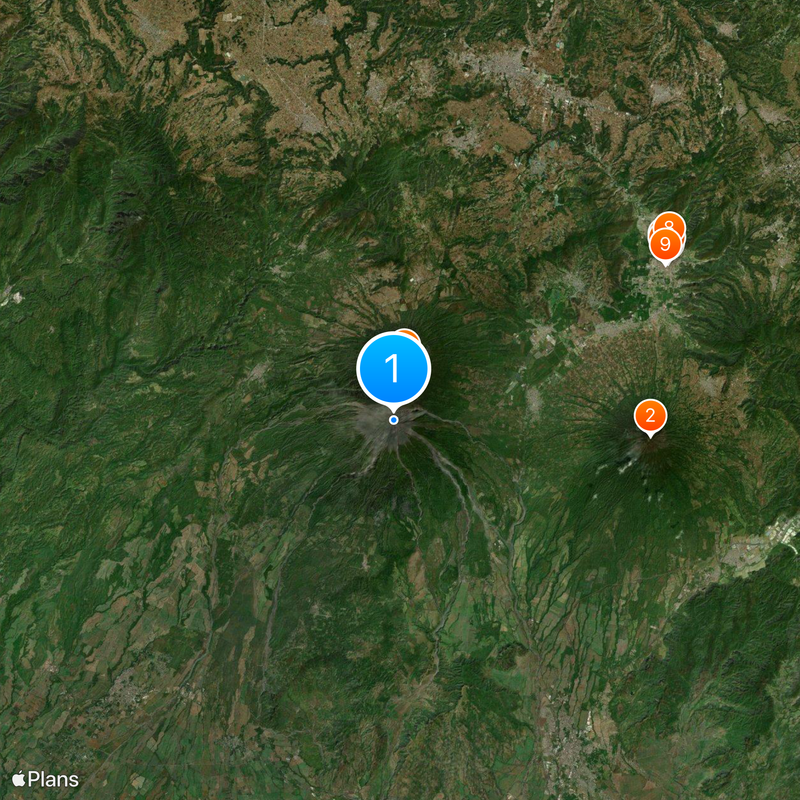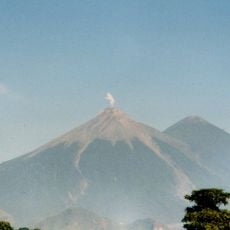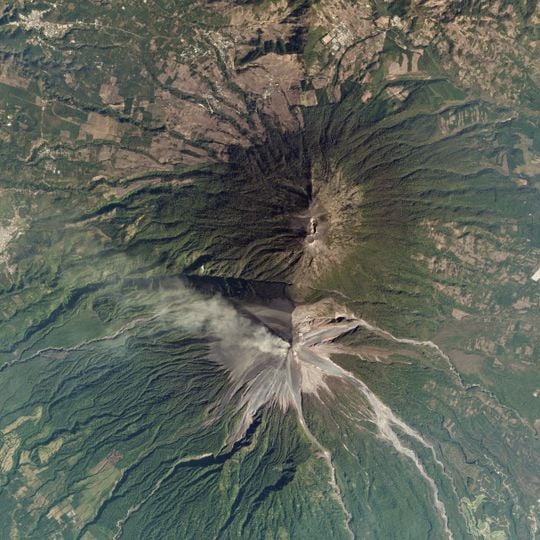
Volcán de Fuego, Active stratovolcano in Sacatepéquez, Guatemala.
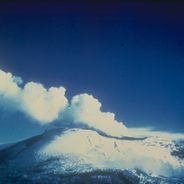
Rising 3,763 meters (12,346 feet), the stratovolcano produces regular explosive eruptions with ash plumes and lava flows visible across multiple departments, while incandescent avalanches frequently cascade down its steep flanks.
Spanish chroniclers documented eruptions starting in 1524, with seismic records cataloging over 60 events, including the June 2018 eruption that generated pyroclastic flows destroying the community of El Rodeo.
Farmers have worked the nutrient-rich slopes for centuries, developing methods that incorporate eruption cycles into planting schedules, growing coffee and vegetables between episodes of volcanic activity.
Monitoring stations track seismic activity and gas emissions around the clock, feeding data to the national coordination center CONRED, which manages evacuation protocols for at-risk zones. Access to the summit is restricted due to ongoing hazards.
Small explosions occur every 15 to 20 minutes, often accompanied by strombolian activity ejecting incandescent rock fragments visible in nighttime photographs from Antigua Guatemala, providing a natural pyrotechnic display.
The community of curious travelers
AroundUs brings together thousands of curated places, local tips, and hidden gems, enriched daily by 91,141 contributors worldwide.