Guatemala, Republic in Central America
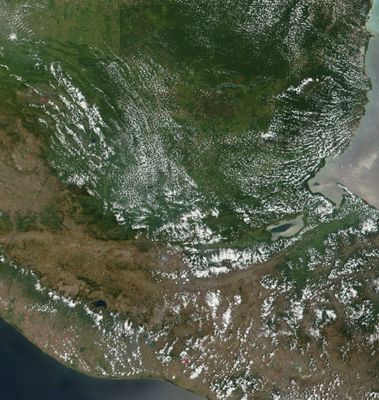
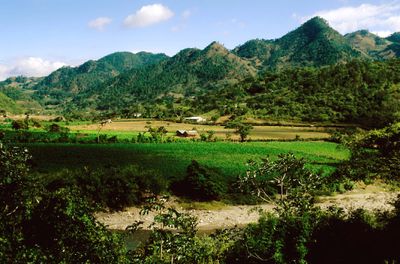
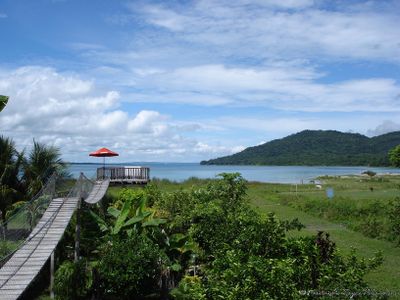
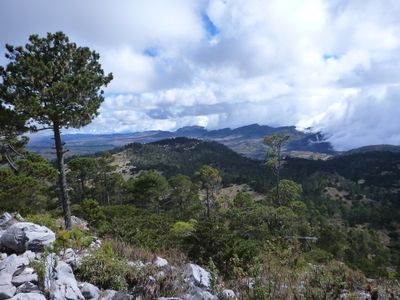
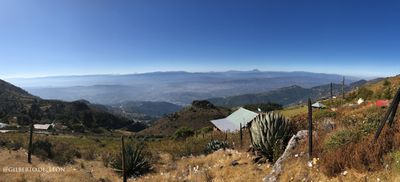
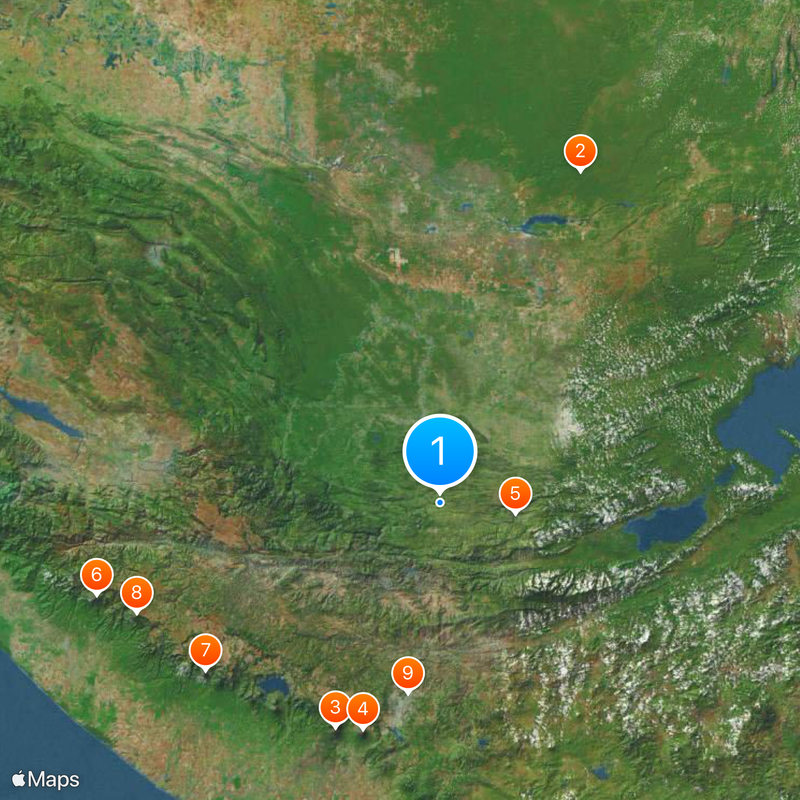
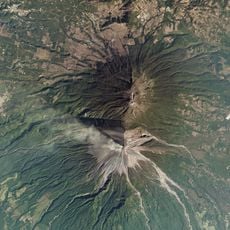
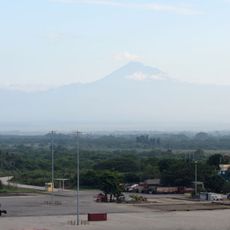
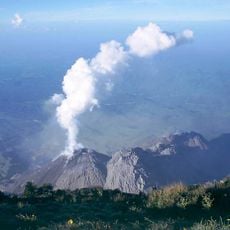
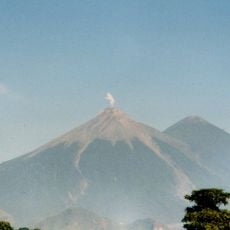
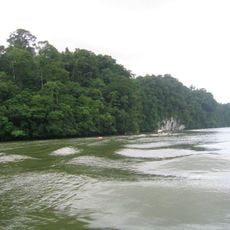
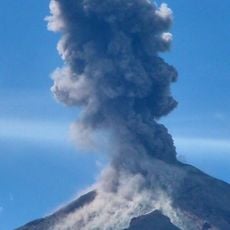
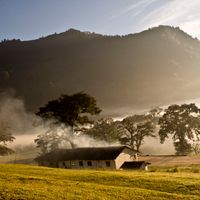
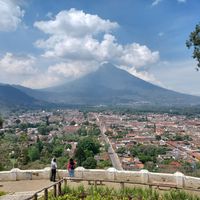
Guatemala extends across mountainous regions with twenty-seven active volcanoes, dense rainforests and coastal plains bordering Mexico, Belize, Honduras and El Salvador. The territory includes highland valleys, tropical Pacific lowlands and Caribbean beaches along the Gulf of Honduras.
The region formed the heart of Maya civilization before Spanish conquest began in 1524 and declared independence in 1821. A civil war lasted from 1960 until 1996, shaping the country's recent past.
Twenty-one Mayan languages remain active alongside Spanish, while traditional markets display handwoven textiles and indigenous crafts throughout highland communities. The regional costumes of different communities can be recognized immediately by their colorful patterns and weaving styles that identify each village.
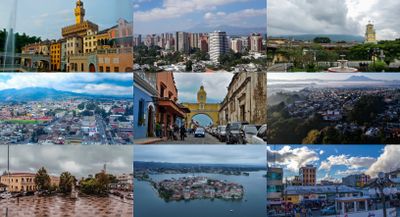
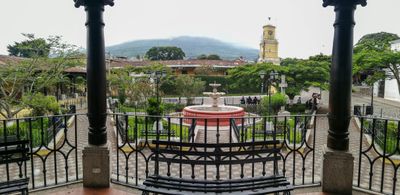
The rainy season runs from May through October, with December through February providing dry conditions for exploring archaeological sites and colonial architecture. Higher elevations bring cooler temperatures, while coastal regions remain warm year-round.
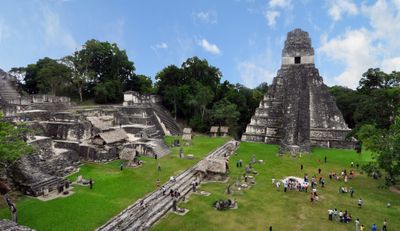
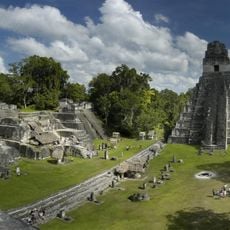
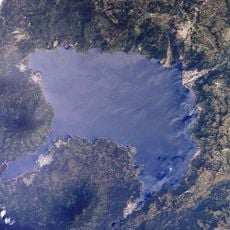
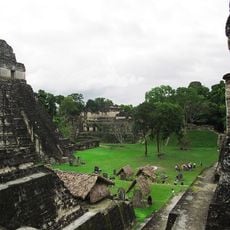
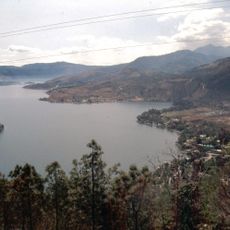
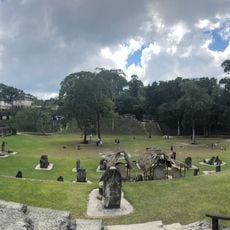
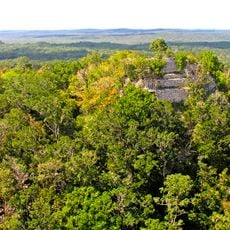
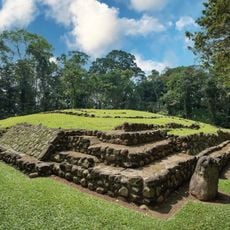
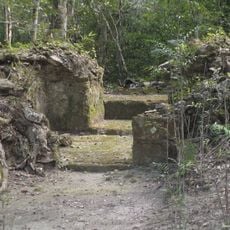
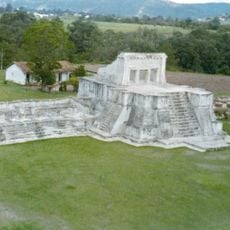
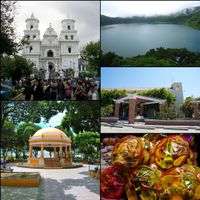
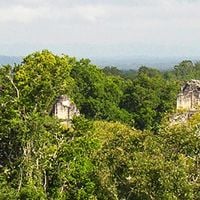
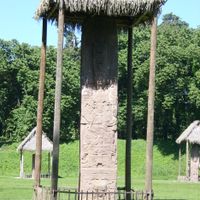
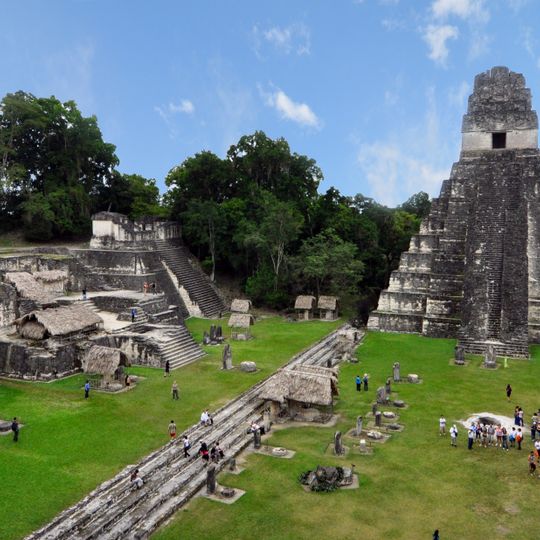
The Petén region contains more than 1,500 archaeological Maya sites within its rainforest, including the pyramids and temples of Tikal National Park. Lake Atitlán sits in a volcanic crater and is surrounded by three volcanic cones rising directly from the water.
The community of curious travelers
AroundUs brings together thousands of curated places, local tips, and hidden gems, enriched daily by 91,641 contributors worldwide.