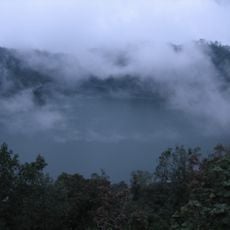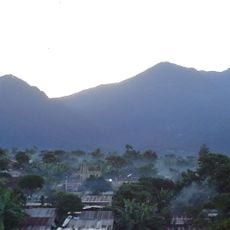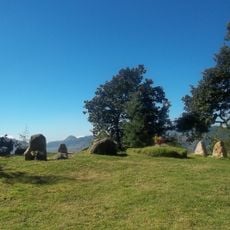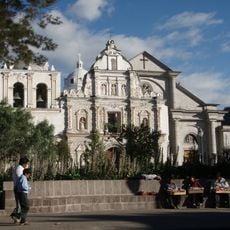
Santa María, Stratovolcano in Quetzaltenango Department, Guatemala.
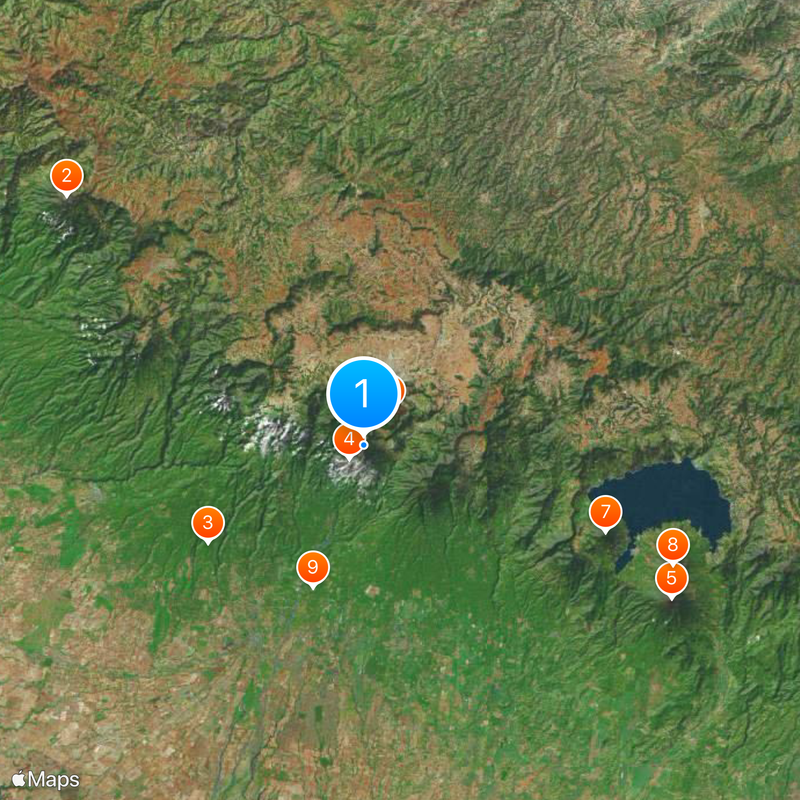
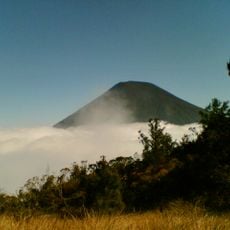
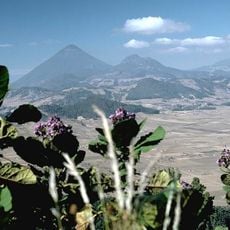
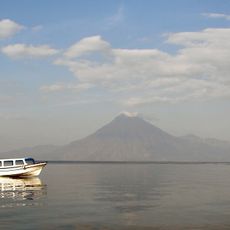
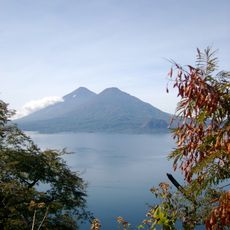
Santa María is an andesite stratovolcano in Quetzaltenango Department, western Guatemala, forming part of the Sierra Madre mountain chain. Its summit reaches 3,772 meters (12,375 feet) above sea level and sits above a tectonic plate boundary that drives frequent seismic activity.
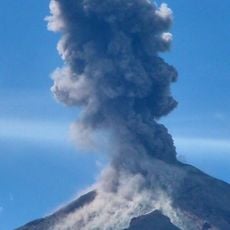
Santa María had been dormant for at least 500 years when a seismic swarm began in January 1902, followed by the San Perfecto earthquake on 18 April. The eruption started on 24 October 1902, a VEI-6 event that ejected magma and sent ash as far as San Francisco; about 6,000 people died from the eruption itself, burned or suffocated. In 1922 the Santiaguito lava dome complex began growing in the 1902 crater and has been active since.
The K'iche' people called the mountain Gagxanul, or Naked Mountain, referring to its bare slopes before Spanish contact. That original name disappeared over time as the Spanish introduced the Christian name, though the earlier reference recalls how communities viewed the peak before colonization.
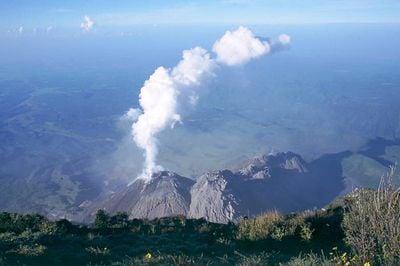
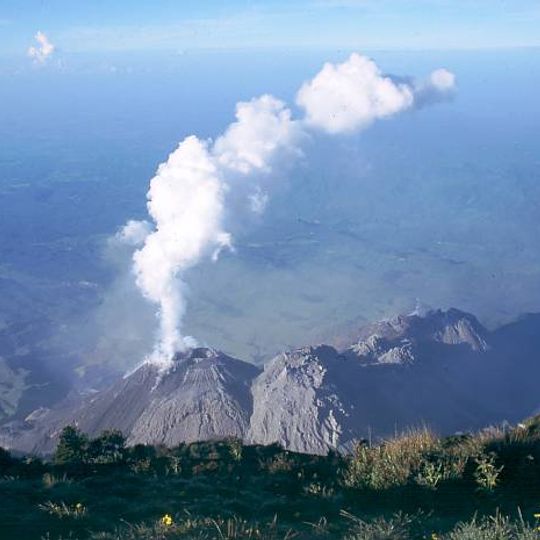
Several viewpoints along marked trails let visitors observe Santiaguito activity from a safe distance, especially during clear morning hours. The routes require good physical condition and sturdy footwear because the ascents cross loose volcanic rock and thick vegetation.
The Santiaguito dome structure has produced periodic explosions since forming in 1922, sometimes occurring several times daily and audible from great distances when conditions are clear. This constant activity makes the southern slope one of the few places on Earth where visitors can watch lava flows and pyroclastic material in real time.
The community of curious travelers
AroundUs brings together thousands of curated places, local tips, and hidden gems, enriched daily by 92,641 contributors worldwide.