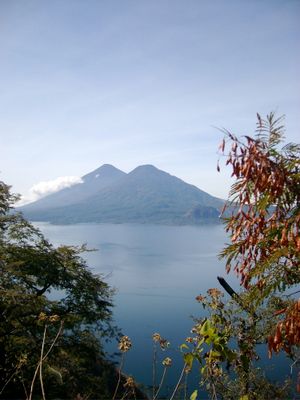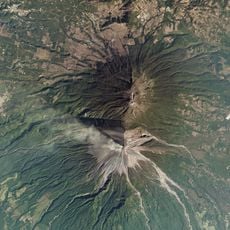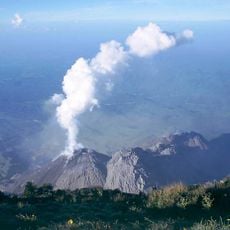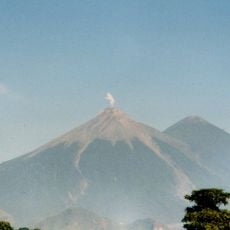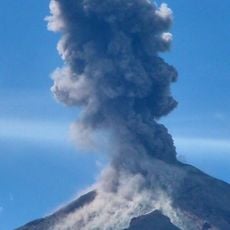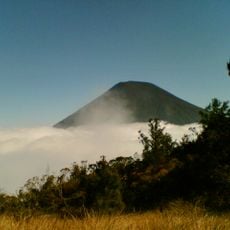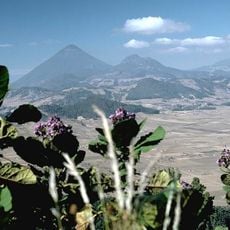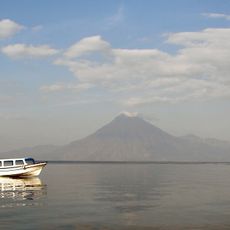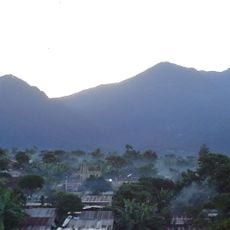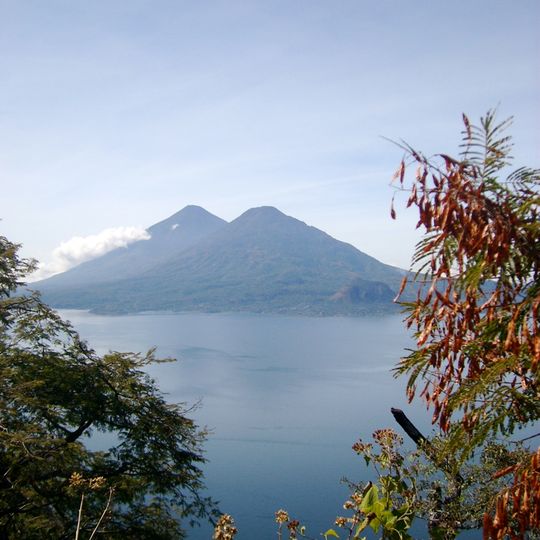
Volcán Tolimán, Stratovolcano near Lake Atitlán, Guatemala.
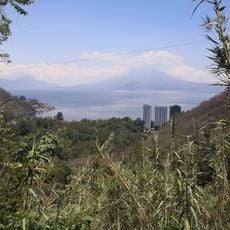
Volcán Tolimán is a stratovolcano on the northern shore of Lake Atitlán in Guatemala, rising to around 3,158 feet (960 m) above the lake surface. Its northern slope shows thick lava flows, with the heaviest deposits concentrated on the northwestern side.
Tolimán formed during the Pleistocene near the southern edge of the Atitlán III caldera, as part of the same volcanic process that shaped the valley and the lake. Since then, continued activity has altered its shape, leaving geological traces that geologists can still read today.
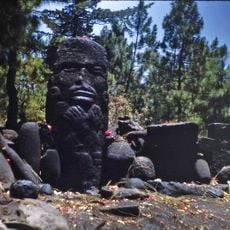
For the Maya communities around Lake Atitlán, this mountain is a sacred presence woven into daily life and ceremonial practice. Walking through nearby villages, visitors can notice how the volcano shapes the rhythm of local life, from the stories people tell to the direction they face during rituals.
The trail to the summit is steep and physically demanding, so hikers should be in good shape and carry proper gear for high-altitude terrain. Starting early in the morning is important, and hiring a certified local guide is strongly advised, as the route is not always easy to follow.
A parasitic lava dome called Cerro de Oro formed on the northern flank of Tolimán several thousand years ago and is clearly visible from the lake shore. Its presence shows that volcanic activity continued long after the main cone took shape, building new structures on its side.
The community of curious travelers
AroundUs brings together thousands of curated places, local tips, and hidden gems, enriched daily by 91,376 contributors worldwide.