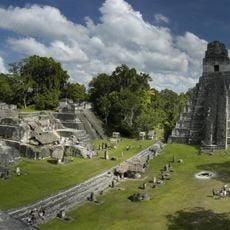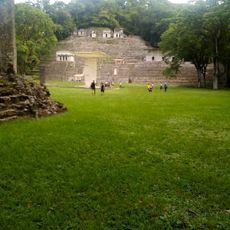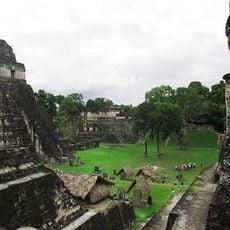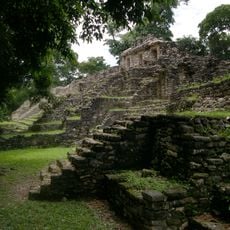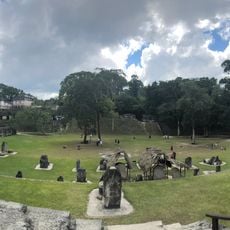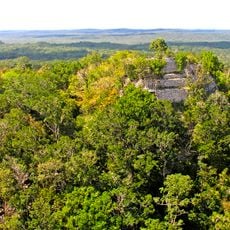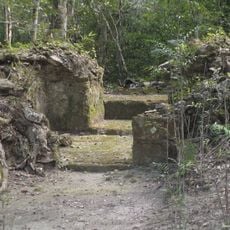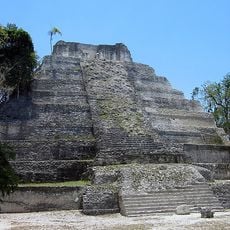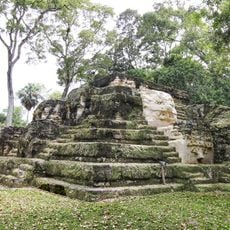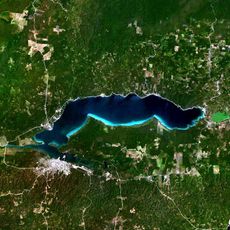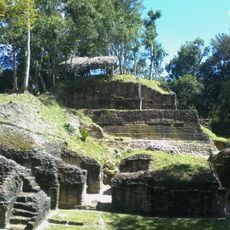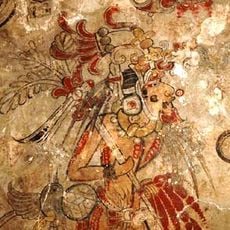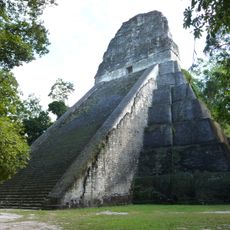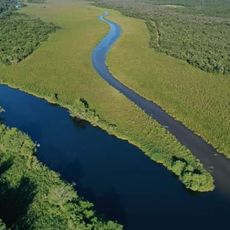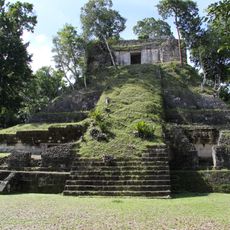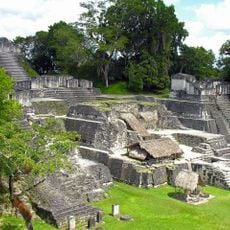
Maya Biosphere Reserve, Biosphere reserve in Petén Department, Guatemala.
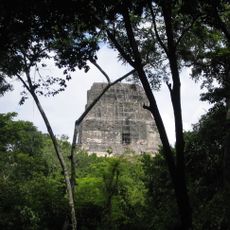
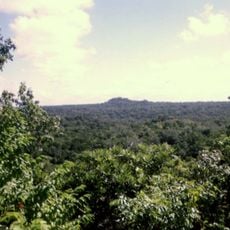
The Maya Biosphere Reserve covers 21,602 km², one-fifth of Guatemala, spanning the northern half of Petén. It ranges from wetlands to low mountain ranges, with lakes, rivers, streams and cenotes. Its forests hold breadnut, mahogany, cedar and allspice, and are home to Morelet's crocodile and the ocellated turkey.
Guatemala created the reserve in 1990 under President Vinicio Cerezo to protect the largest remaining tropical forest north of the Amazon. The UNESCO biosphere reserve model divides it into core zones, multiple-use zones and a buffer zone. In 2005, 4,500 km² of community forest concessions were certified as sustainable.
The inhabitants gather chicle from sapodilla trees and harvest timber according to rules that protect the forest from damage. These practices connect families to the land across generations and help prevent the rainforest from disappearing.
The reserve divides into core zones without human settlement and buffer zones where limited use is allowed. Visitors reach different sections by road and trail, with conditions varying depending on the season.
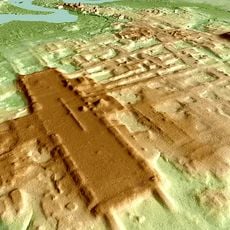
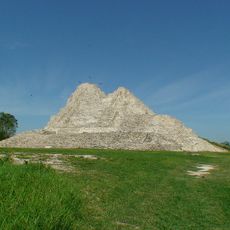
In 2018, lidar mapping near the reserve revealed about 60,000 uncharted structures, including houses, palaces, elevated highways and defensive fortifications. Archaeologist Stephen Houston called it an overwhelming finding in over 150 years of Maya archaeology. The results led researchers to estimate that 7 to 11 million Maya people lived in the Petén Basin between 650 and 800 A.D.
The community of curious travelers
AroundUs brings together thousands of curated places, local tips, and hidden gems, enriched daily by 94,065 contributors worldwide.