Lamanai, Maya archaeological site in Orange Walk District, Belize
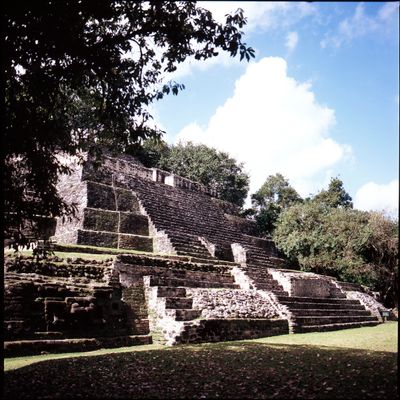
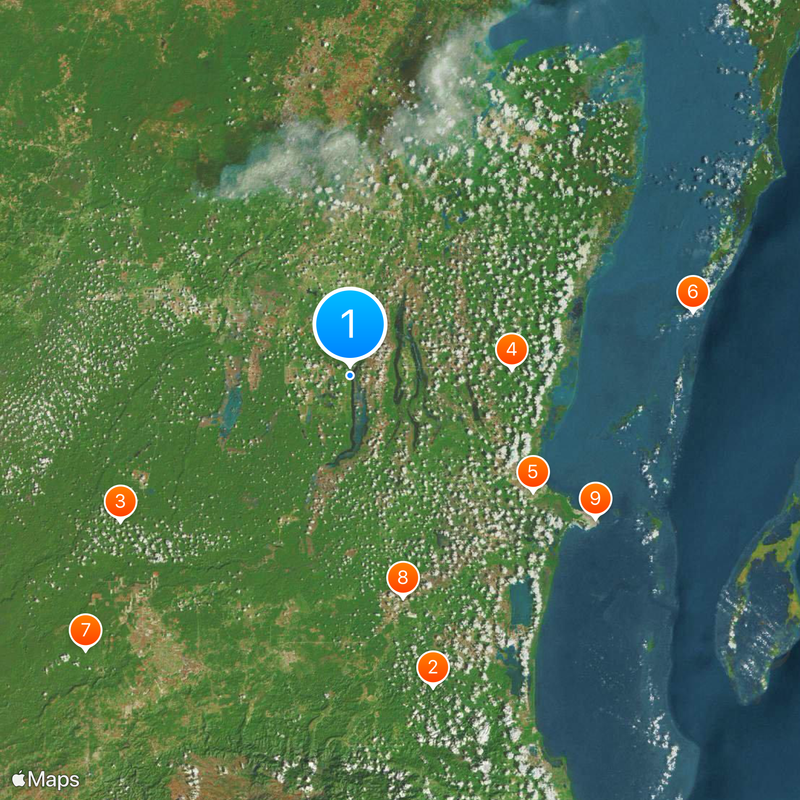
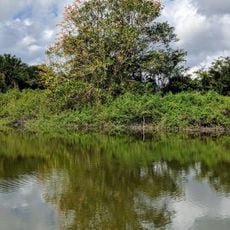
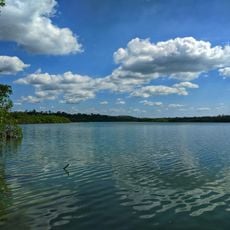
Lamanai is an archaeological site on the west bank of the New River Lagoon in Orange Walk District, Belize. Its central 4.5 square kilometres hold eight large plazas and 718 structures, including the High Temple, Mask Temple and Jaguar Temple. The High Temple rises in stepped tiers of grey-brown stone blocks, with recessed rectangular panels on its lower face and a central stairway broken by landing platforms; a small walled remnant stands at the top.
People lived here for over 3,000 years and remained even after other cities in the region collapsed. Spanish missionaries founded two churches, but residents resisted and the settlement was eventually abandoned in the 17th century.
The name Lamanai comes from Lama'anayin, "submerged crocodile" in Yucatec Maya, referring to the reptiles along the New River. The site's name was recorded by Spanish missionaries in 1582 as Lamanay or Lamayna and appears in Maya inscriptions over a millennium earlier as Lam'an'ain. Visitors can see the jaguar masks on each side of the Jaguar Temple, which gave the structure its name.
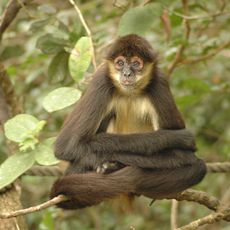
Most visitors reach the site by boat along the river, taking about an hour and passing through a nature reserve. Steep steps at the temples require good footwear and some fitness, while paths between structures can be uneven and slippery.
Many stones still show the original red paint that once covered large parts of the structures and remains visible today only in sheltered niches. One of the temples sits on a platform that was built in the earliest period and expanded and rebuilt over centuries.
The community of curious travelers
AroundUs brings together thousands of curated places, local tips, and hidden gems, enriched daily by 93,769 contributors worldwide.