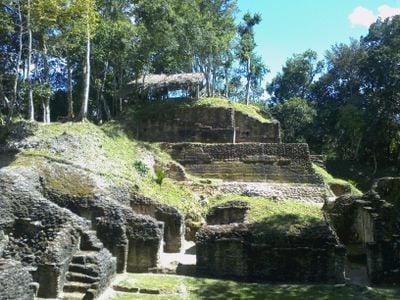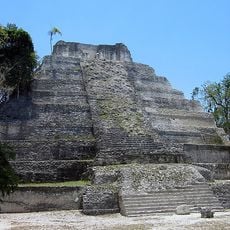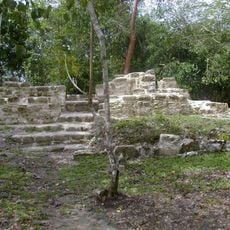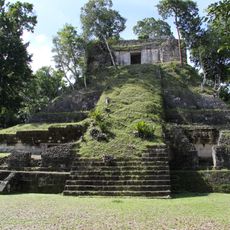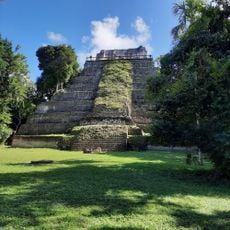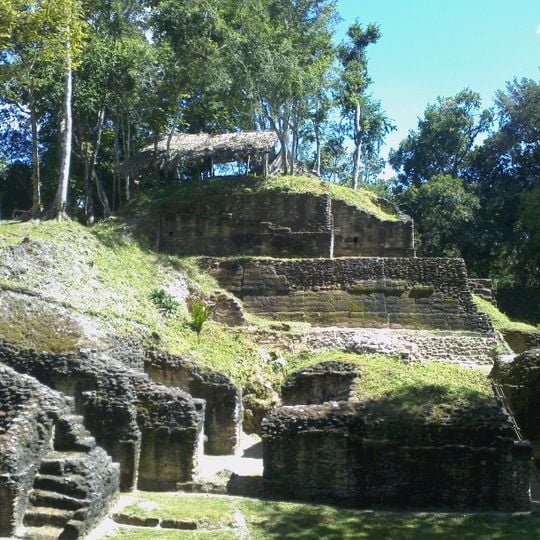
Naranjo, Maya archaeological site in Petén Department, Guatemala.
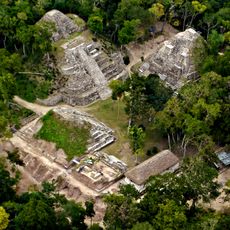
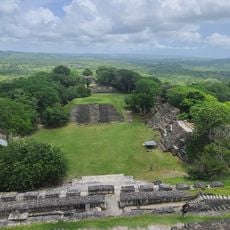
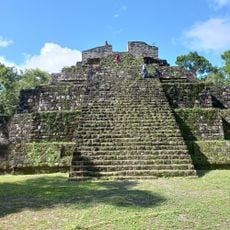
Naranjo is a Maya archaeological site in Guatemala's Petén Department with extensive remains spread across the landscape in both central and outer zones. The structures include pyramids, observatories, and a stairway carved with hieroglyphic text that reveal how ancient builders organized their city.
Naranjo was occupied from about 500 BC and reached its height in the Late Classic Period. In 546 AD Calakmul's ruler Tuun Kab Hix appointed Ah Wosaaj Chan K'inich, who paved a road in July 559 according to Altar 2. In 682 AD Lady Six Sky arrived from Dos Pilas to reestablish the dynasty, as recorded on Stela 24. The city was abandoned around 950 AD.
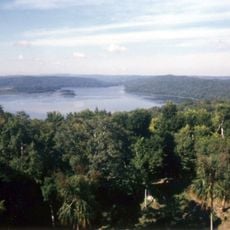
The site's Maya name, Wak Kab'nal, and its emblem glyph Sa'aal, meaning "the place where maize gruel abounds," refer to the fertile wetland soils of the Mopan and Holmul floodplains. Its rulers were titled Holy Lords of Sa'aal. The name Naranjo comes from Spanish for orange tree.
Naranjo lies within the Yaxha-Nakum-Naranjo National Park, about 50 km east of Tikal, and the ruins are reached on foot from the park entrance. The mapped core covers roughly 2.25 km2, with 389 recorded buildings in the central area, so allow several hours and carry water; the terrain is karstic plateau under forest cover. The site was heavily looted, and about 270 tunnels and trenches were recorded between 2002 and 2004, so keep to marked paths and away from open pits.
The main pyramid sits atop a hill with a cave inside that the Maya saw as sacred, tying it to their beliefs about the cosmos and the underworld. This natural feature shows how the Maya adapted their construction to align with their spiritual worldview.
The community of curious travelers
AroundUs brings together thousands of curated places, local tips, and hidden gems, enriched daily by 92,651 contributors worldwide.