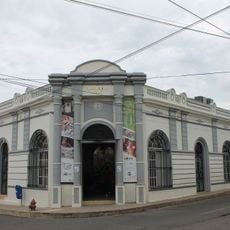
Cara Sucia, Archaeological site in Ahuachapán, El Salvador.
Cara Sucia is a pre-Columbian ceremonial center on the Pacific coastal plain that contains multiple temple mounds, pyramids, and two enclosed ball courts. The grounds were originally open and well-organized, but today most structures lie hidden beneath vegetation.
Settlement began around 900 BCE, and the site developed into a major ceremonial center over the following centuries. Later, influence from Teotihuacán shaped its architectural and artistic style until the site was abandoned near 920 CE.
The four large stone sculptures on site showcase the carving skills of the people who lived here, with particular attention to jaguar head designs. These works reveal the spiritual importance that jaguars and other creatures held in their beliefs.
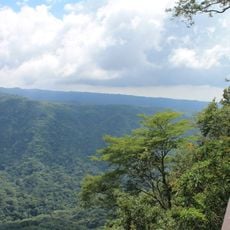
The site is accessible year-round, though overgrown paths and hidden structures mean that guidance from someone familiar with the area is helpful. Wear protective clothing against the sun and insects, as the area is surrounded by forest.
Archaeological finds suggest that cacao was once grown here on a large scale. The discovery of charred cacao seeds and even a life-sized cacao pod sculpture reveals how valuable this plant was to the people living here.
The community of curious travelers
AroundUs brings together thousands of curated places, local tips, and hidden gems, enriched daily by 92,314 contributors worldwide.