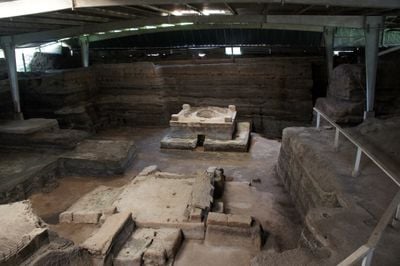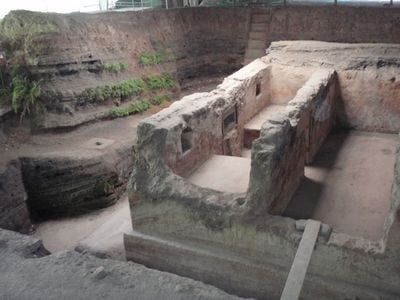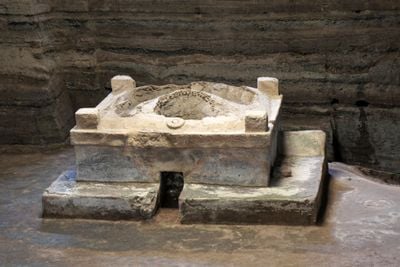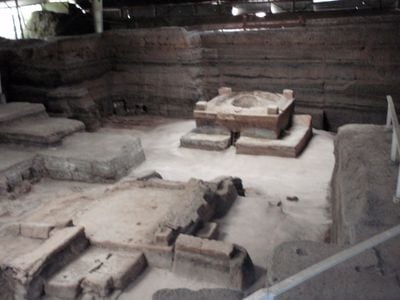
Joya de Cerén, Archaeological site in San Juan Opico, El Salvador.
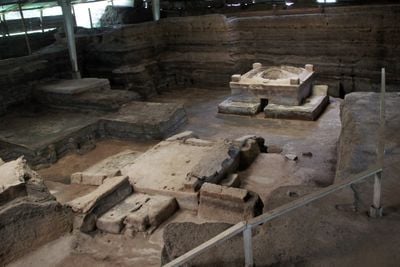
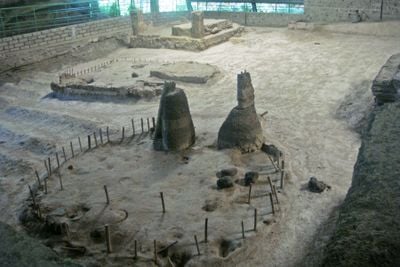
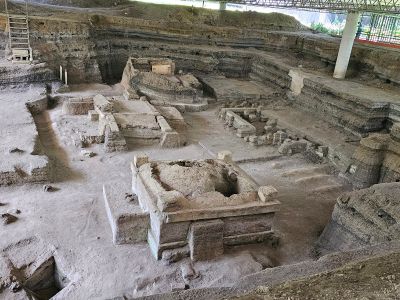
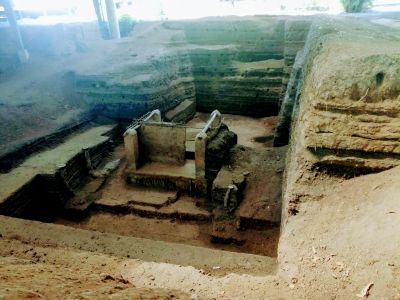
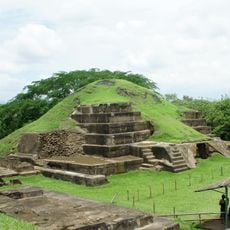
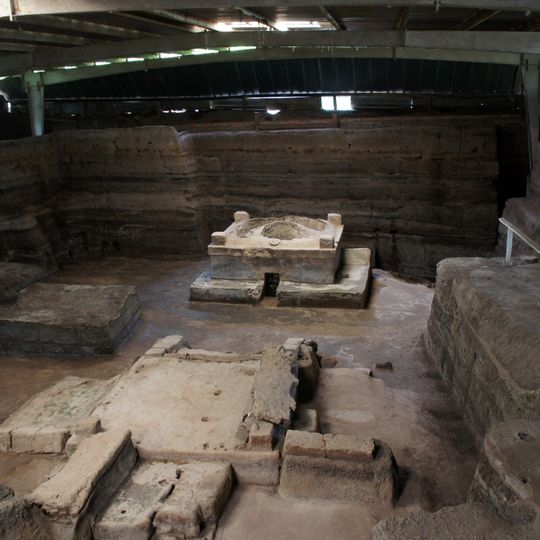
Joya de Cerén is an archaeological site in El Salvador where excavated buildings, tools, ceramics, and agricultural fields span several hectares. The remains show the houses, storage areas, and various rooms of an ancient Maya village that was buried under volcanic ash.
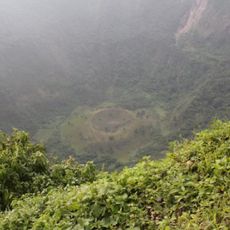
An eruption of the Loma Caldera around 600 AD buried this Maya village under layers of ash and sealed its contents for centuries. This rapid burial preserved everyday objects and buildings in an unusual way.
The structures show how Maya communities lived, with residential buildings, storage areas, and a shaman's house standing side by side. Visitors can see how different spaces served various daily functions.
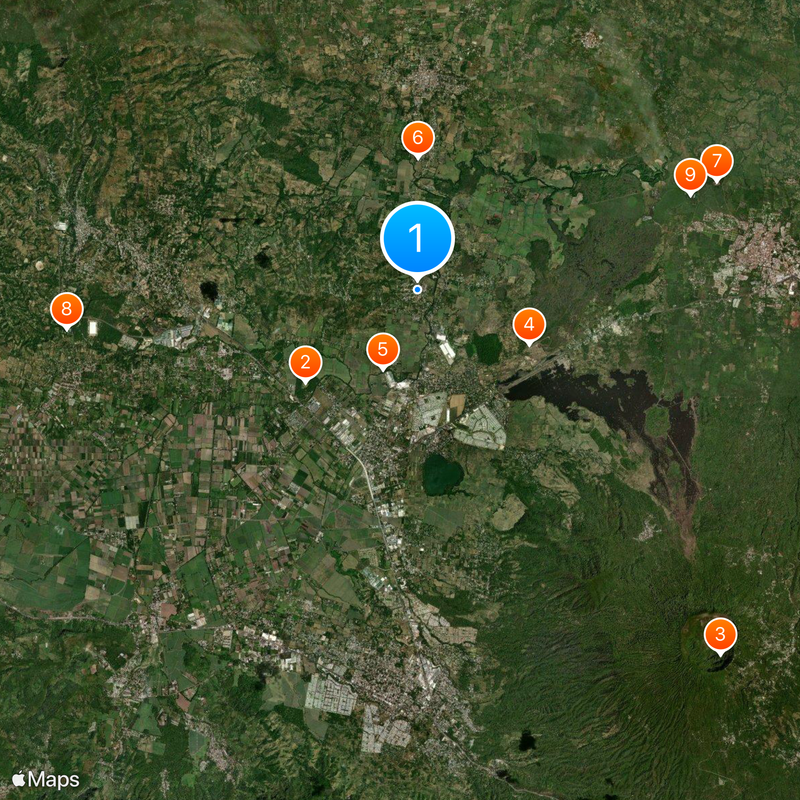
The site is located near San Salvador and is accessible with guided tours that help explain the buildings and fields. Visitors should wear good footwear since there is walking over uneven terrain.
The fields still show the ancient growing beds where residents cultivated corn, manioc, squash, beans, and cacao trees. These preserved agricultural areas are a rare chance to see the farming practices of an ancient people firsthand.
The community of curious travelers
AroundUs brings together thousands of curated places, local tips, and hidden gems, enriched daily by 92,221 contributors worldwide.