See the monuments around you in AROpen chests in the app
Around Us is built for your phone — point your camera at the streets and discover the monuments and places around you in augmented reality.Around Us is built for your phone — chests unlock when you walk, explore and capture nearby places.
El Salvador presents a collection of places where history, nature, and culture meet. The country is shaped by volcanic landscapes, clear lakes, and Pacific beaches that blend with archaeological sites from pre-Columbian times. Visitors can explore ancient Maya temples like Tazumal and Joya de Cerén, where layers of volcanic ash preserved buildings and artifacts across centuries.
Nature plays a central role in El Salvador's appeal. Los Volcanes National Park and El Imposible National Park offer trails through green terrain, while lakes such as Coatepeque and Ilopango provide quiet places to spend time. Waterfalls like Tamanique and hot springs in Ahuachapán invite outdoor experiences. The Pacific coast with spots like El Tunco and Los Cobanos draws surfers and beach visitors.
Colonial cities and urban centers tell stories from different periods. San Salvador, the capital, combines modern activity with historical sites like El Rosario Church. Character emerges in smaller towns like Suchitoto and Ataco, where cobblestone streets and colored buildings reflect daily life. Museums and theaters preserve artistic heritage, while religious buildings show the country's long history.
El Salvador presents a collection of places where history, nature, and culture meet. The country is shaped by volcanic landscapes, clear lakes, and Pacific beaches that blend with archaeological sites from pre-Columbian times. Visitors can explore ancient Maya temples like Tazumal and Joya de Cerén, where layers of volcanic ash preserved buildings and artifacts across centuries.
Nature plays a central role in El Salvador's appeal. Los Volcanes National Park and El Imposible National Park offer trails through green terrain, while lakes such as Coatepeque and Ilopango provide quiet places to spend time. Waterfalls like Tamanique and hot springs in Ahuachapán invite outdoor experiences. The Pacific coast with spots like El Tunco and Los Cobanos draws surfers and beach visitors.
Colonial cities and urban centers tell stories from different periods. San Salvador, the capital, combines modern activity with historical sites like El Rosario Church. Character emerges in smaller towns like Suchitoto and Ataco, where cobblestone streets and colored buildings reflect daily life. Museums and theaters preserve artistic heritage, while religious buildings show the country's long history.
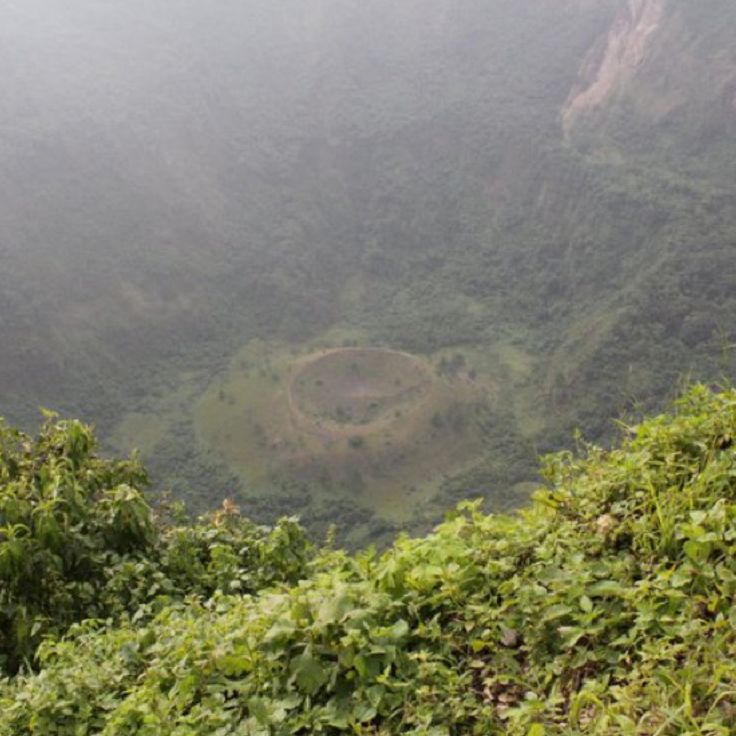
El Boquerón is a national park surrounding the San Salvador volcano. Visitors can hike along trails that lead to the crater, which measures 1500 meters in diameter and reaches 500 meters deep. This site represents one of El Salvador's natural destinations where travelers can experience volcanic landscapes firsthand. The trails offer views across the land, and walkers feel the ground shaped by volcanic forces that created this remarkable formation.
San Salvador is the administrative and economic capital of El Salvador, founded in the 16th century. This city showcases its history in the old center with the Metropolitan Cathedral and the National Palace. San Salvador serves as a gateway to explore the diverse sites across El Salvador, from volcanoes and lakes to ancient Mayan temples and colonial towns scattered throughout the region.
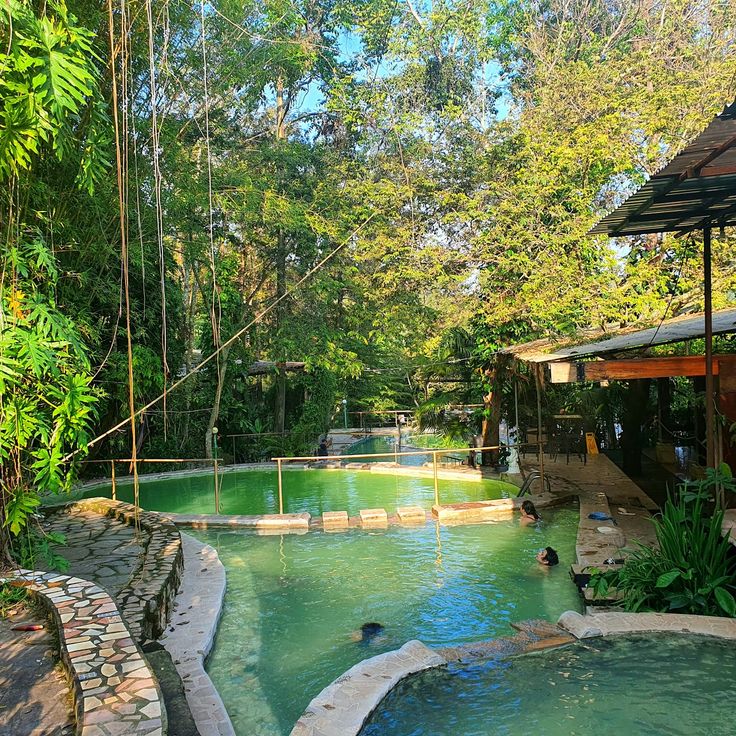
Santa Teresa Hot Springs are natural pools fed by sulfurous thermal springs, located in a mountainous setting where nature maintains the water temperature. These springs offer visitors a relaxing experience while exploring the natural sites that define El Salvador's diverse landscape.
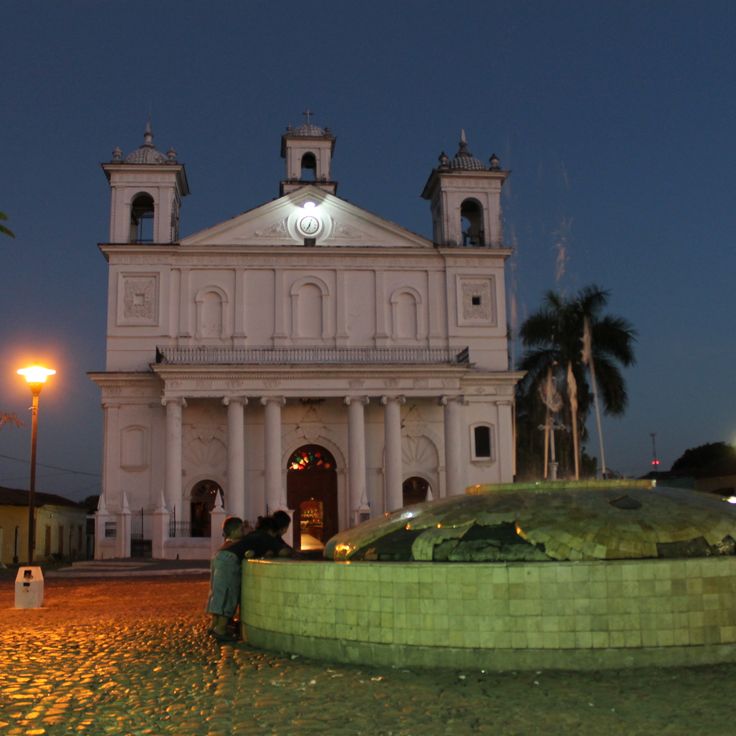
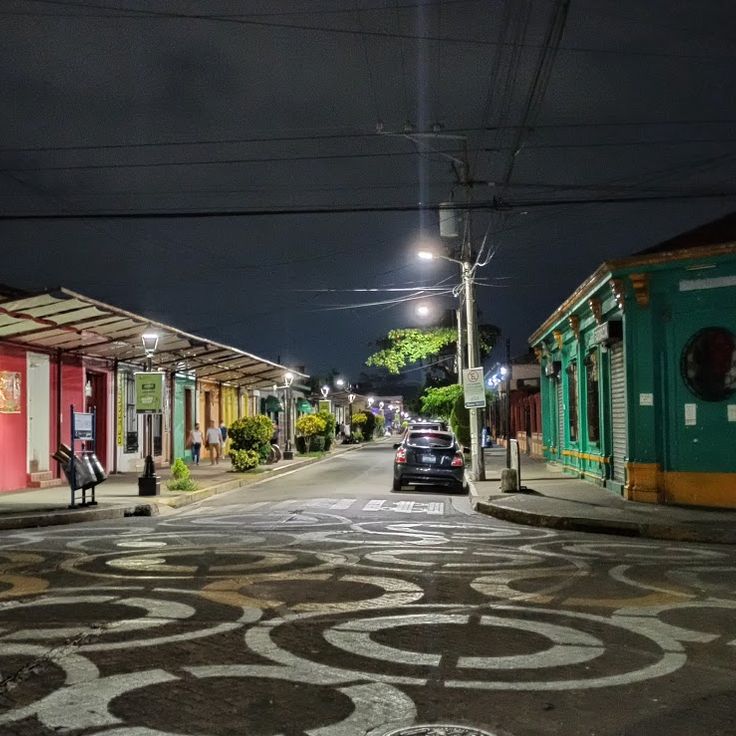
Suchitoto is a town established in the 16th century and represents one of the historical urban centers of El Salvador worth visiting. The streets here are paved with stones, lined with colonial houses painted white, and the Santa Lucia Church rises above Lake Suchitlán. Walking through this place, you sense how daily life continues in spaces shaped by centuries of history.
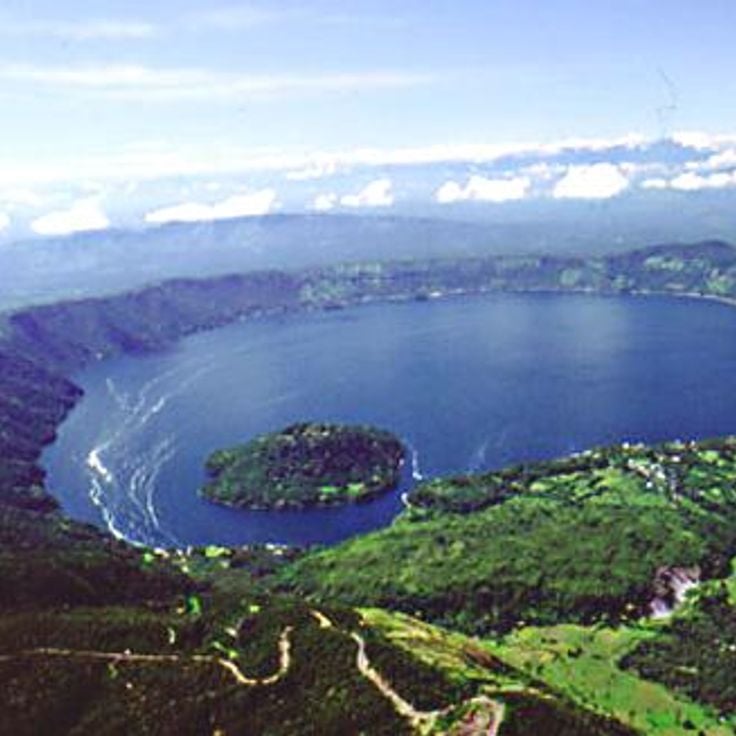
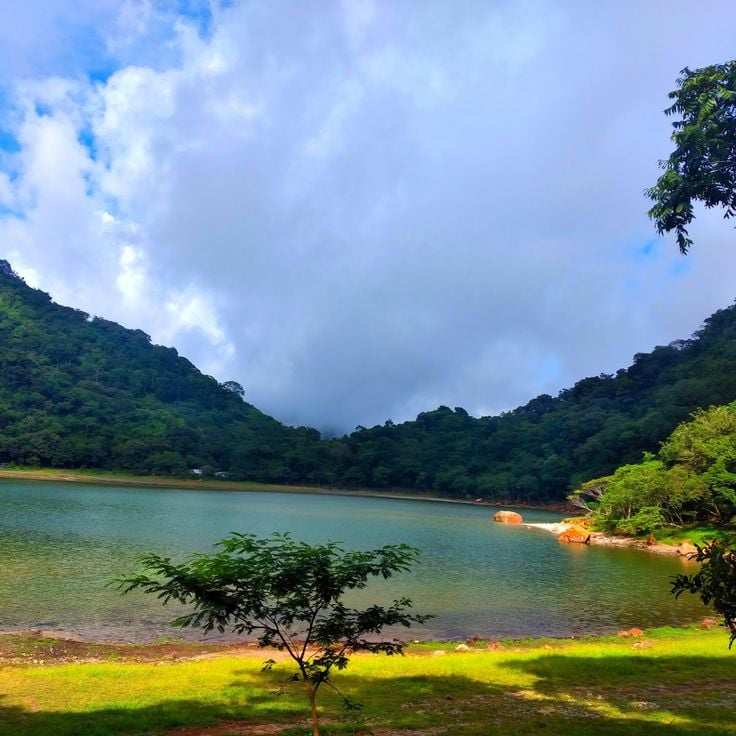
Lake Coatepeque stands out among El Salvador's natural sites worth visiting. This volcanic lake sits in the Santa Ana region and draws visitors with its striking blue waters. Wooded shores frame the lake, creating a natural, forested setting. The lake invites water activities like swimming, kayaking, and boat rides. It sits at a good elevation that keeps the climate pleasant year-round. Coatepeque offers a different kind of natural experience compared to the country's waterfalls and hot springs.
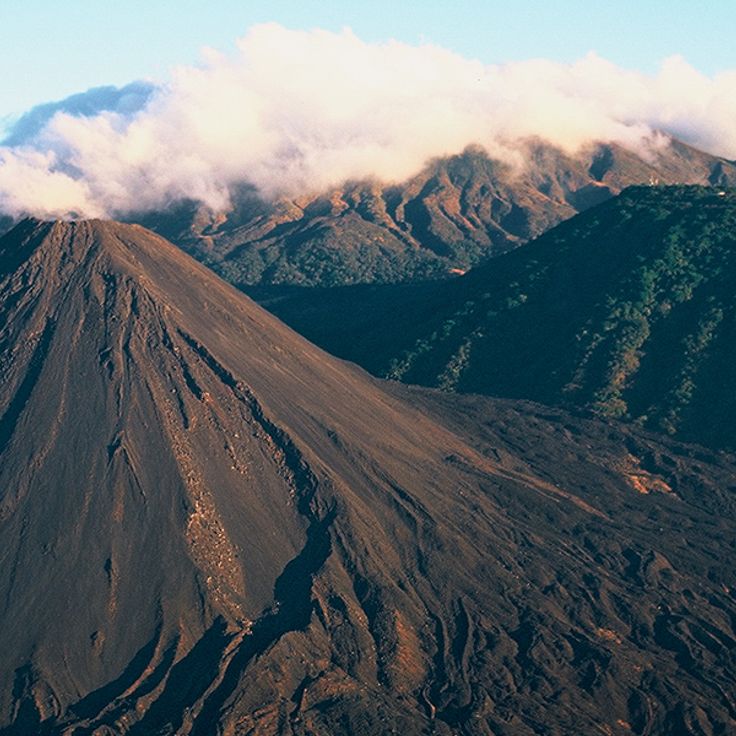
Los Volcanos National Park is a protected area covering 6000 hectares in Santa Ana that contains three of El Salvador's volcanoes. The park features Santa Ana at 2381 meters, Izalco at 1950 meters, and Cerro Verde at 2030 meters. This park allows visitors to explore El Salvador's volcanic landscape, a key part of the country's natural character and geological history.
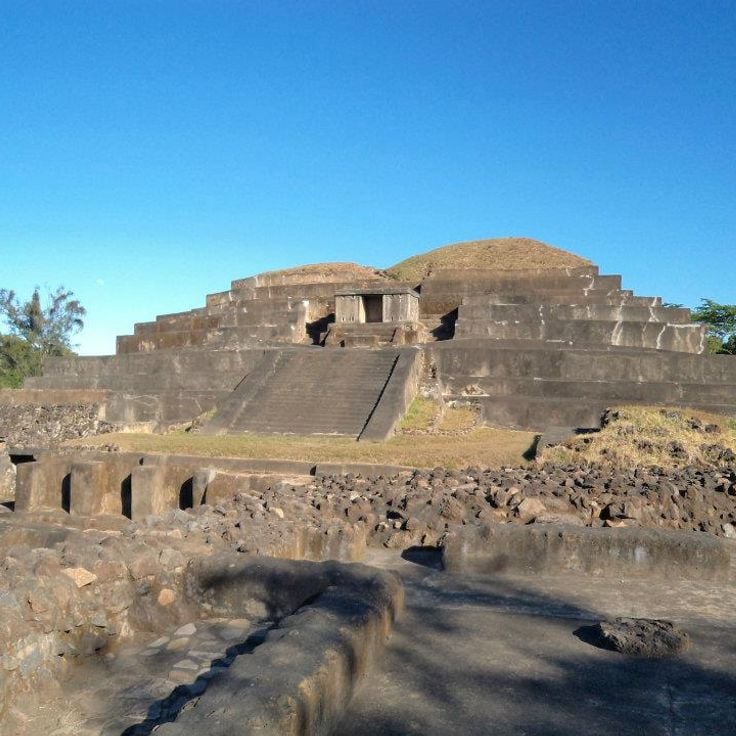
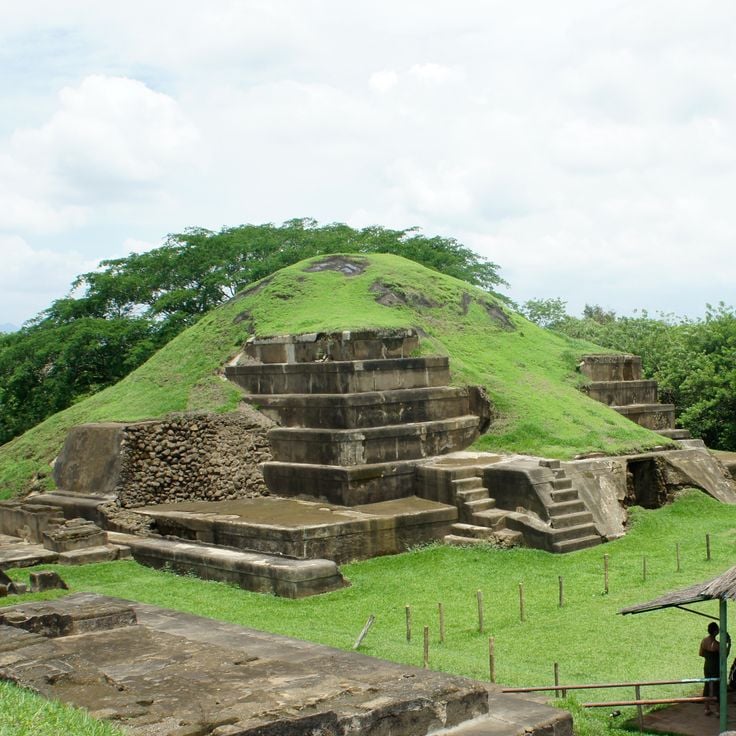
Tazumal is one of El Salvador's most important Maya sites. The archaeological site features a multi-level pyramid that still stands prominently today. Around the pyramid, visitors can see the remains of a ball court where the Maya once played ritual games. The on-site museum displays ceramic objects and other artifacts that reveal details about the daily lives of the ancient people who inhabited this place. Tazumal offers visitors a chance to explore and understand the pre-Columbian history of El Salvador.
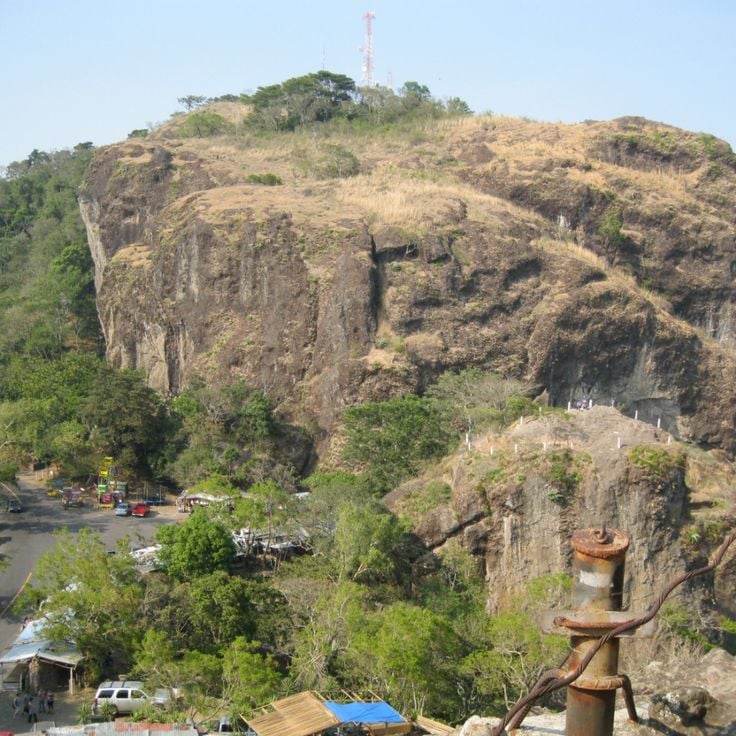
Puerta del Diablo is a natural passage carved between two towering rocks in San Salvador. This site serves as a viewpoint where visitors can see Lake Ilopango and the Pacific Ocean spreading below from an elevation of around 1000 meters (3280 feet). The location offers a vantage point to appreciate the volcanic landscape and natural beauty that define El Salvador's geography.
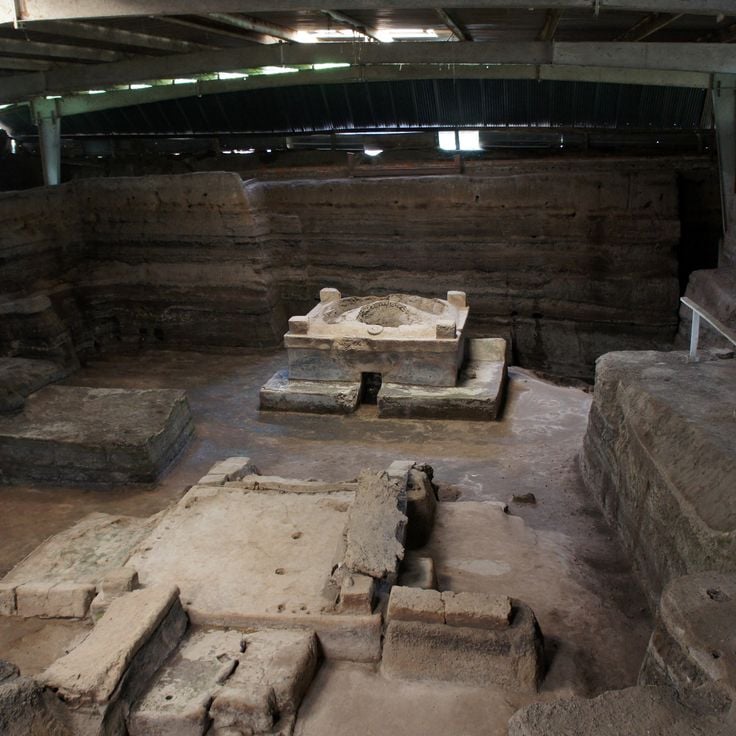
Joya de Cerén is a 6th-century Mayan village buried under volcanic ash. This site is one of El Salvador's major archaeological locations, showcasing daily life before Spanish contact. The structures and everyday objects have remained exceptionally preserved. Visitors can see houses, tools, and other items that reveal how the ancient people lived and worked in their community.
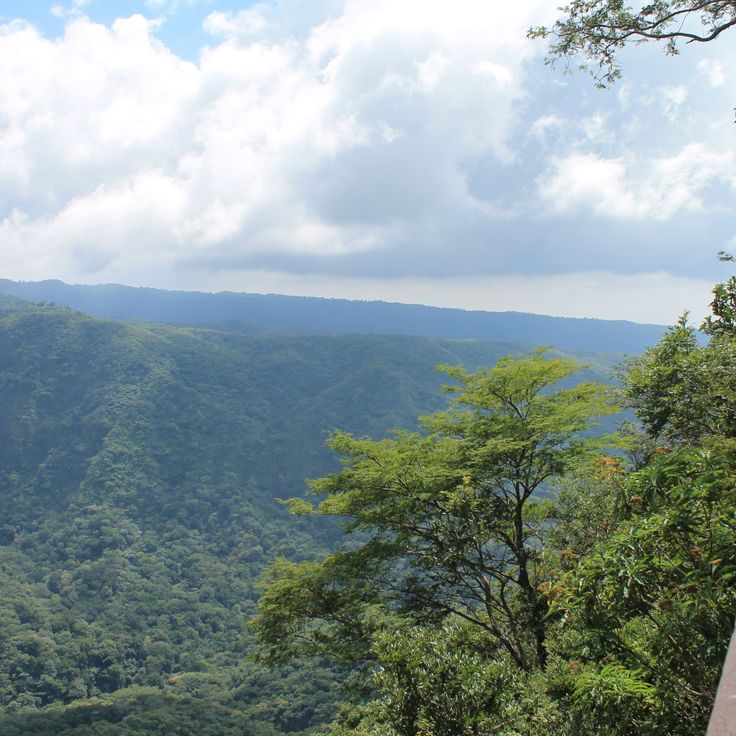
El Imposible National Park is a protected area in Ahuachapán that showcases the natural diversity El Salvador offers to visitors. This park covers a mountainous region with hiking trails and viewpoints where travelers can observe various plants and animals. The park plays an important role in preserving the country's ecological treasures.
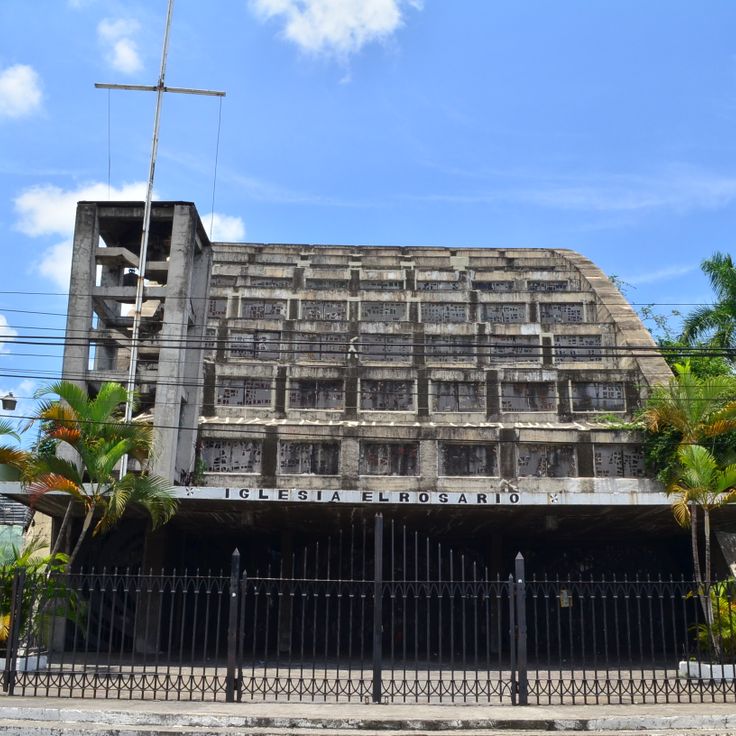
El Rosario Church in San Salvador is a modern building constructed in 1971 that stands out for its distinctive concrete design. The church features colored glass panels that cast patterns of light across the interior walls and floor, creating an interplay of colors throughout the space. As part of the collection of major sites in El Salvador, this church represents the country's mid-twentieth century architectural development and offers visitors a different perspective on religious buildings compared to the colonial structures found elsewhere in the region.
Salto de Malacatiupan is a natural waterfall in the Ahuachapán region, part of El Salvador's varied natural landscape. The water flows through successive pools and maintains a temperature of 50 degrees Celsius year-round. This site showcases the geothermal character of the country, found alongside archaeological sites, volcanoes, and colonial towns throughout the region.
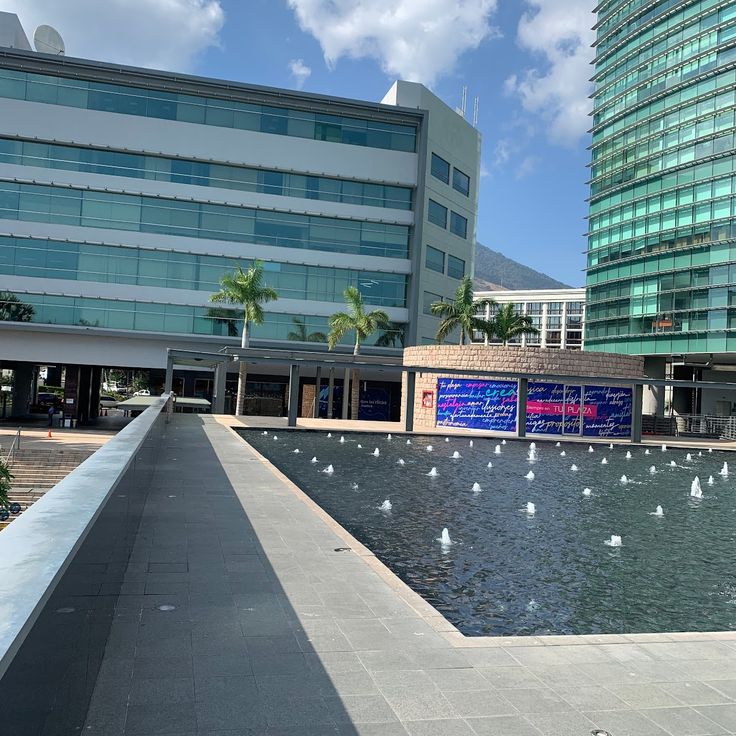
Plaza Futura is a modern commercial complex in San Salvador that fits into El Salvador's architectural and commercial landscape. The complex houses shops, offices, and restaurants, offering visitors an observation point at the top of the country's tallest tower where they can look out over the entire city. From this viewing platform, you can see the streets, buildings, and valley of San Salvador spread across the landscape below.
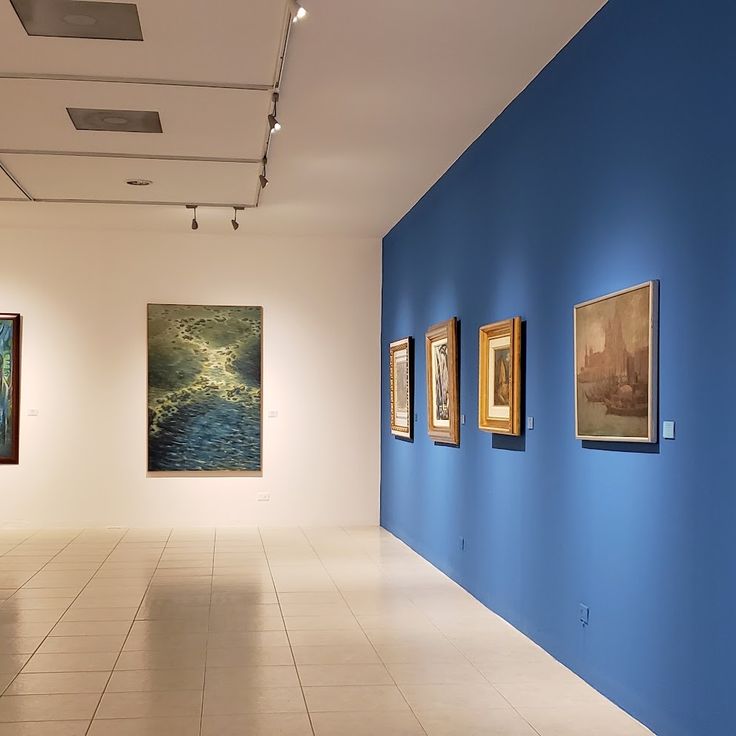
The Art Museum of El Salvador stands in San Salvador and displays works by Salvadoran artists alongside rotating international exhibitions across its galleries. This museum fits into the broader exploration of El Salvador's architectural, natural, and historical sites, which include volcanoes, lakes, Maya temples like Tazumal and Joya de Cerén, colonial towns, and Pacific beaches. The museum offers insight into the country's artistic traditions and creative expressions.
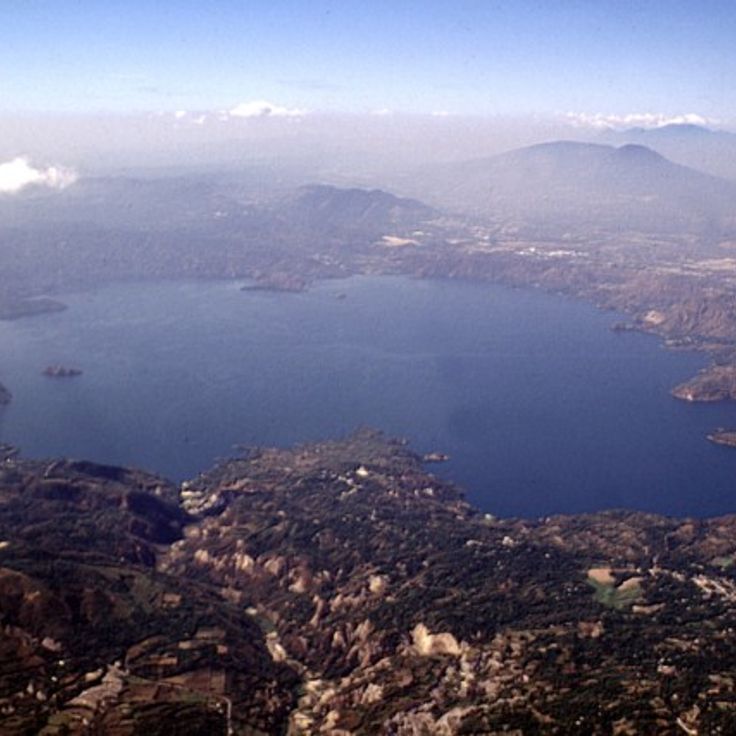
Lake Ilopango is the largest body of water in El Salvador, formed within a volcanic caldera near San Salvador. This lake sits surrounded by mountains and is an important part of the country's natural landscape. People visit to fish, swim, and relax by the water. The shores and waters offer views of the volcanic peaks that shaped the region. Walking around this lake, you sense the geological forces that created this land and continue to shape it today.
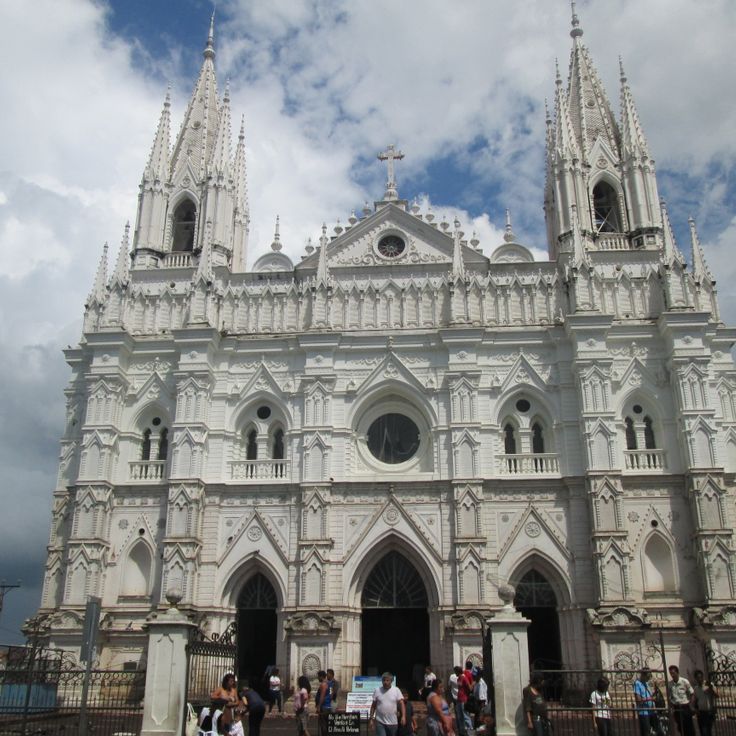
Santa Ana Cathedral is a significant religious structure in El Salvador's historical urban centers. This cathedral combines Gothic and Byzantine style elements and was constructed between 1906 and 1959. The building features an ornately decorated altar and distinctive twin bell towers that shape the city's skyline. It represents the religious and architectural heritage of the region and draws visitors who wish to explore El Salvador's cultural treasures.
The National Museum of Anthropology in San Salvador houses archaeological collections and traditional Salvadoran objects that tell the story of pre-Columbian civilizations through to modern times. Visitors can trace how different cultures developed and shaped the country across centuries, from ancient settlements to contemporary life.
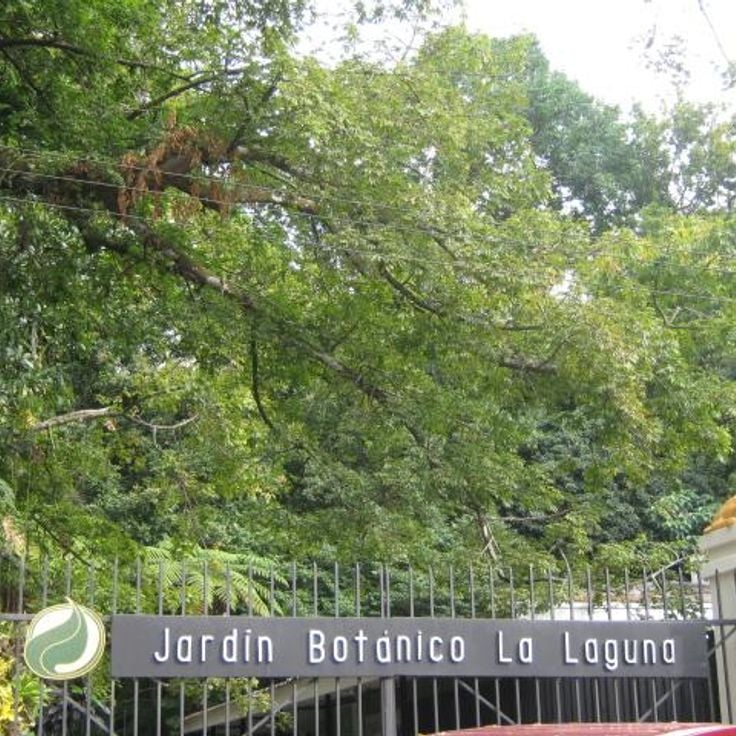
La Laguna Botanical Garden in San Salvador is a park that brings together over 3500 species of local and exotic plants. The garden is part of the natural sites that El Salvador offers to visitors, featuring walking paths where you can explore the diverse plant life. Picnic areas are scattered throughout, giving you a comfortable place to rest and enjoy the surroundings.
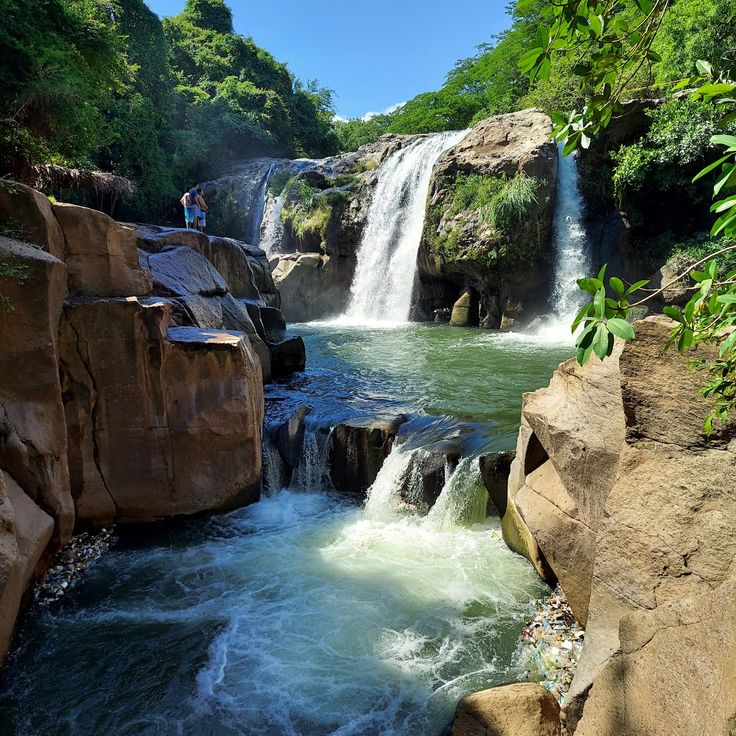
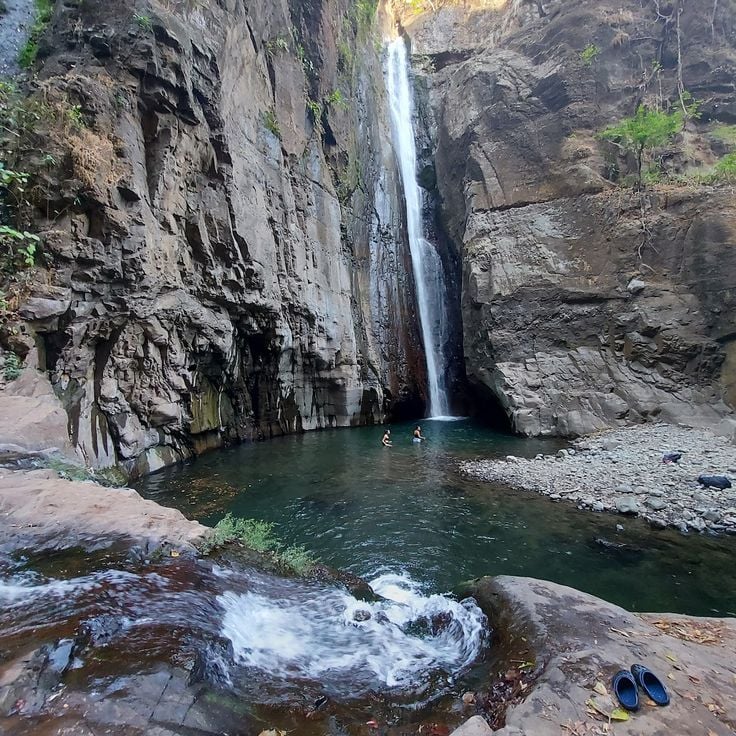
The Tamanique Waterfalls are part of El Salvador's natural landscape and consist of three waterfalls cascading down a 100-meter-high rock wall. After a 45-minute walk through the forest, visitors reach natural pools where they can swim and cool off. This site showcases the country's natural diversity alongside pre-Columbian temples and colonial towns found throughout the region.
Paseo El Carmen is a shopping street in Santa Tecla that combines restaurants and 19th-century colonial buildings. The street serves as the nightlife center of Santa Tecla and fits perfectly within the collection of major sites of El Salvador, where history, architecture, and modern life intersect.
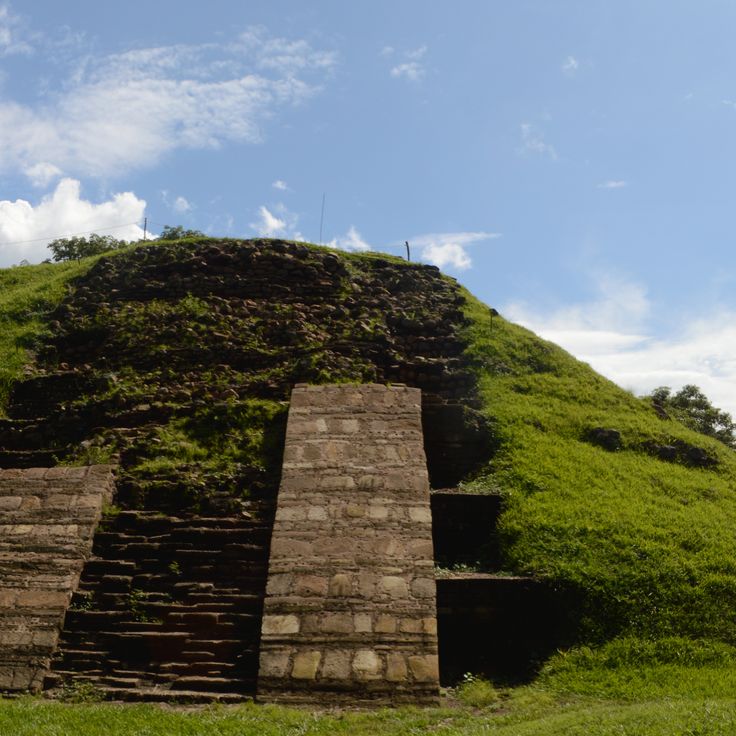
San Andrés is a Mayan archaeological site in La Libertad that ranks among El Salvador's major sites. The location features pyramids, palaces, and residential zones built between 600 and 900 CE. Visitors can explore the remains of this pre-Columbian settlement and learn about Maya life in the region during this period.
Alegría is a village in Usulután that offers visitors a place shaped by its natural surroundings and local traditions. Located at 1200 meters altitude, the village sits amid coffee plantations and is known for its hot springs and mild climate. Here travelers can experience the connection between nature and everyday life in the highlands.
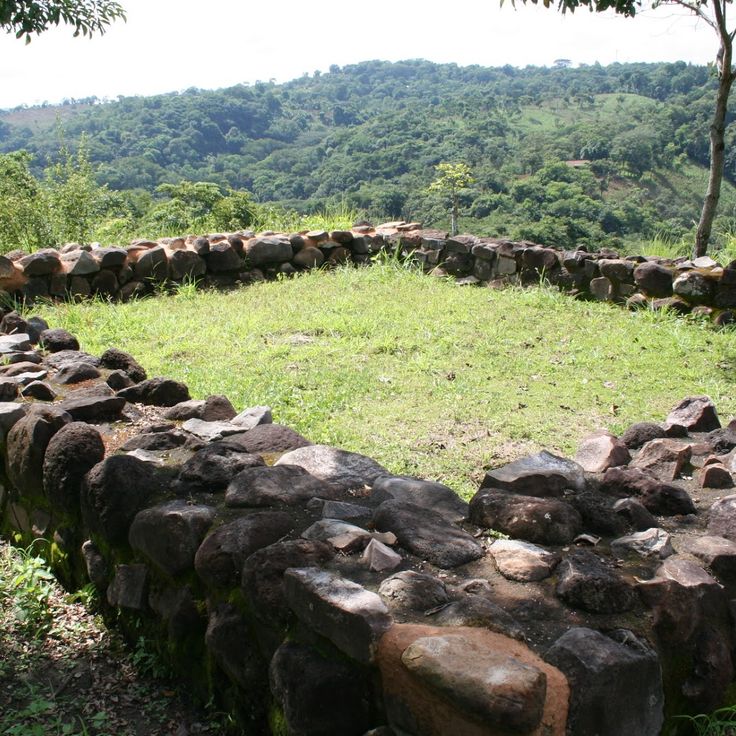
Cihuatan is a pre-Columbian city with pyramids, ball courts, and dwelling remains from the 10th to 12th century. The site shows how people lived here hundreds of years ago and how their community was organized. You can walk among the stone foundations and explore the remains of various structures that reveal what daily life was like in this ancient settlement.
Laguna de Alegría is a volcanic lake in Usulután with distinctive green, sulfurous waters set at 1600 meters elevation. The lake sits surrounded by thermal springs that feed into this natural wonder. This water body showcases the geothermal character of El Salvador's volcanic landscape and offers visitors a chance to experience the country's geological features and natural areas.
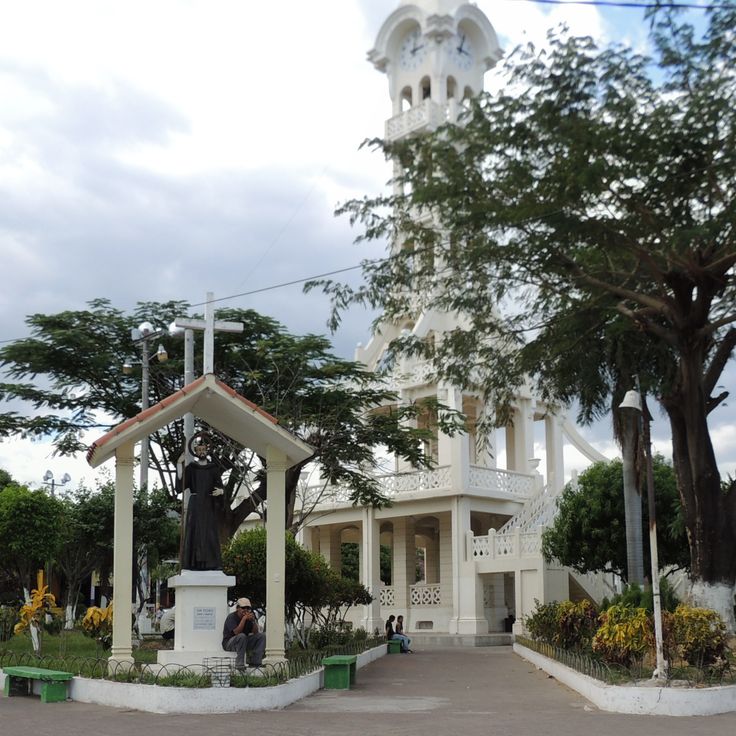
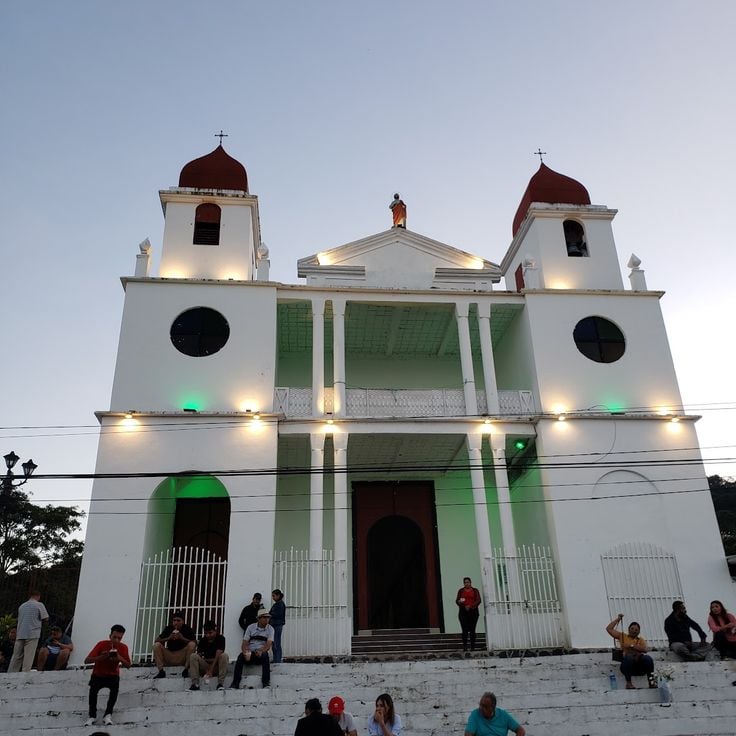
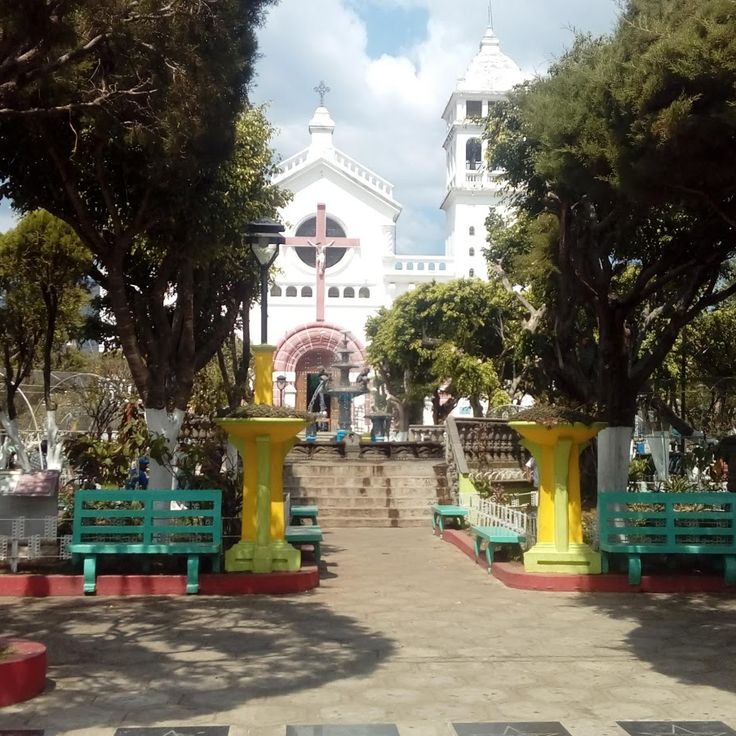
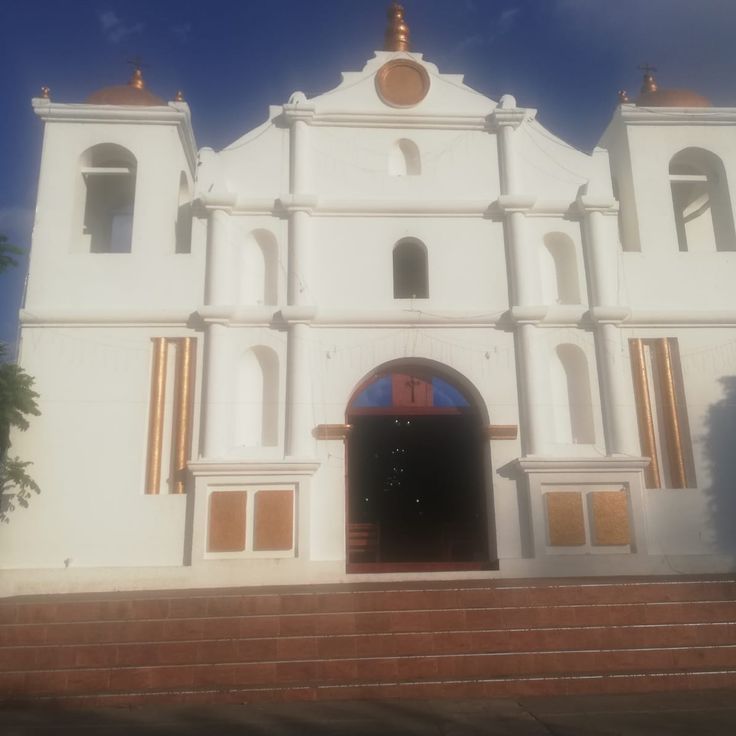
Juayúa is a mountain agricultural center in Sonsonate that serves as an important settlement within El Salvador's major sites. Located at 1000 meters elevation, this place features a white colonial church that dominates the village center. Every Sunday, a food market brings the community together, where local products are sold and visitors can experience the rhythm of daily rural life.
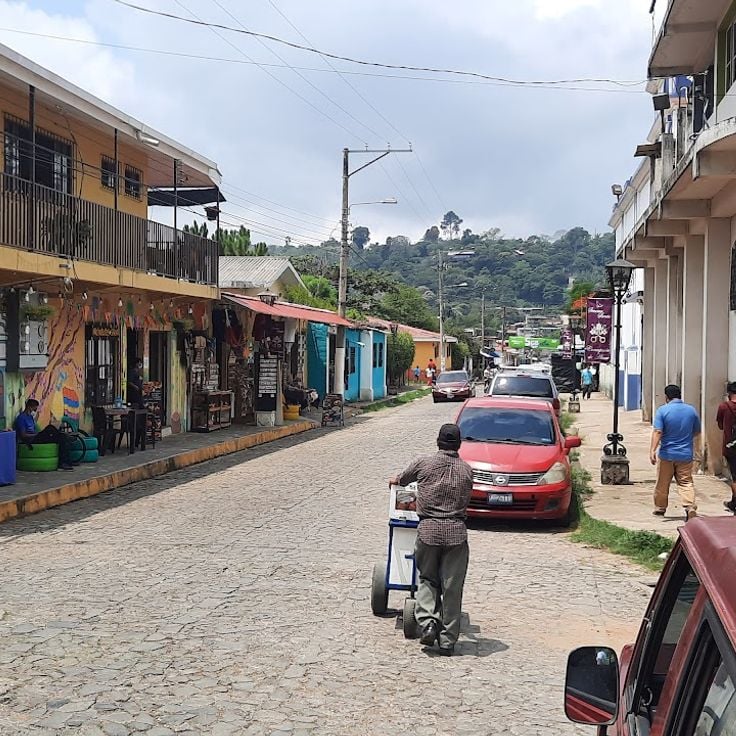
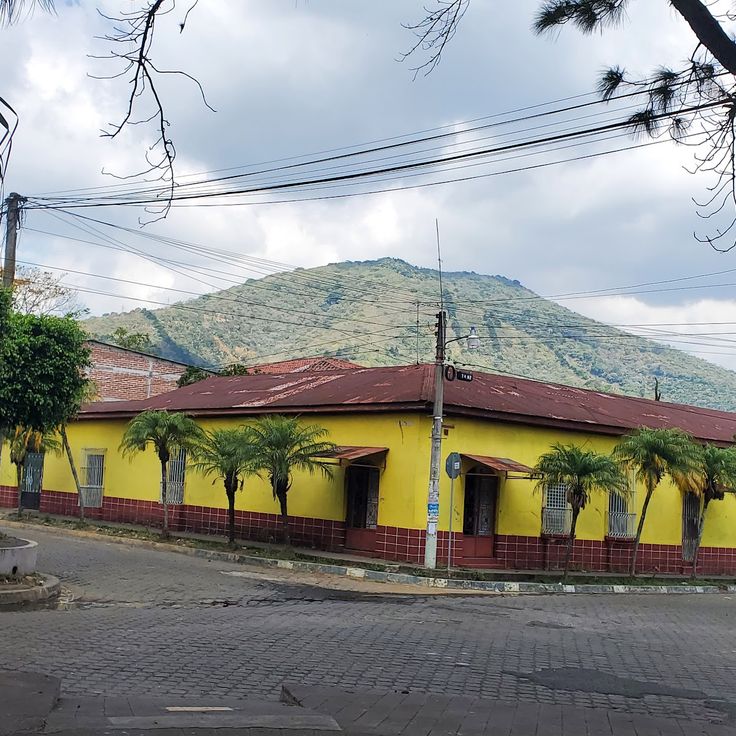
Ataco is a historic center in the Ahuachapán highlands where colorful murals decorate the facades of local buildings. Situated at 1200 meters elevation, the town sits amid coffee plantations that shape the surrounding landscape. The vibrant artwork reflects local culture and traditions, making this village an inviting place for visitors curious about regional craftsmanship and rural life.
Apaneca is a village situated at 1480 meters elevation, surrounded by coffee-producing farms and flower fields. As part of this collection of major sites in El Salvador, this place shows how the country's landscape blends agriculture and nature in the highlands.
Ciudad Vieja is where El Salvador's first colonial capital was established. In 1525, San Salvador de la Bermuda was founded here. Today visitors find building remains and the ruins of a central square scattered across the site. The place shows how Spanish colonial rule shaped the country. The archaeological remains help you understand how early settlers lived and what importance this location held for El Salvador's history.
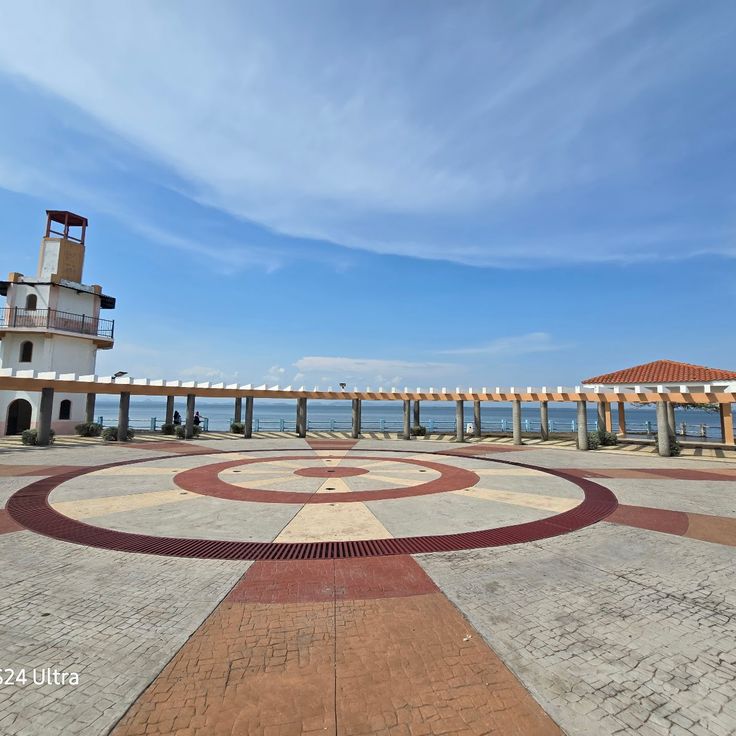
The Gulf of Fonseca is a body of Pacific Ocean water that borders three countries along El Salvador's coast. This natural site is part of the collection exploring El Salvador's volcanoes, lakes, Maya temples, and coastal areas. The coasts of this gulf feature mangrove forests, volcanic beaches, and fishing ports where daily life follows the rhythm of the tides and fishing seasons. Visitors can experience the natural diversity of the region and see how the sea shapes the lives of coastal communities.
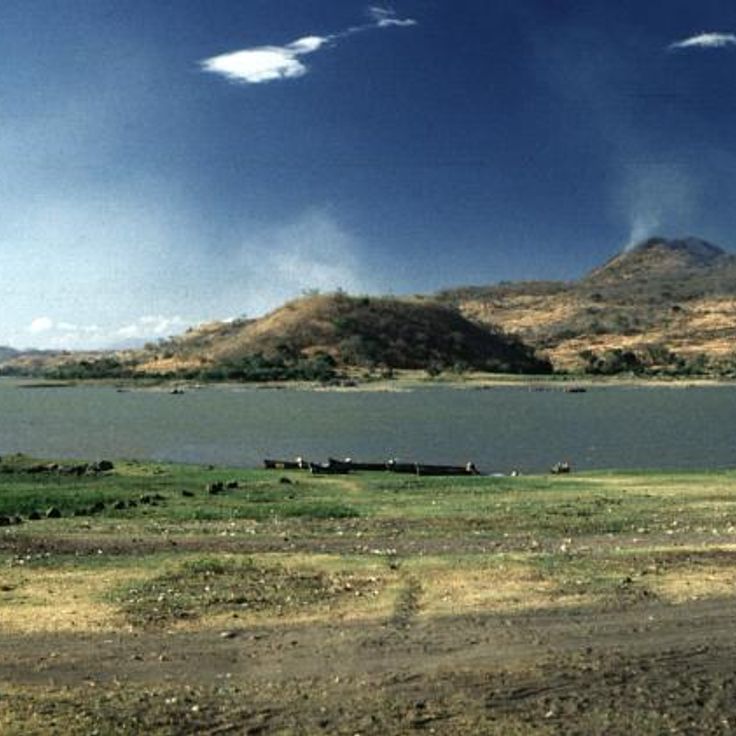
Lake Güija sits on the border between El Salvador and Guatemala, part of the natural landscapes featured in this collection of El Salvador's major sites. Fed by the Ostúa and Angue rivers, this lake shapes the countryside of the Santa Ana region. Visitors can experience the geography and ecology of the area while exploring one of the country's significant water bodies.
Cacaopera is a mountain village within this collection of El Salvador's major sites, where an indigenous community preserves its traditions and crafts. Located at 750 meters elevation, this village represents the living heritage found throughout the country, alongside its temples, colonial towns, and natural areas. The residents of Cacaopera maintain their ancestral language and produce handmade goods that reflect generations of cultural knowledge.
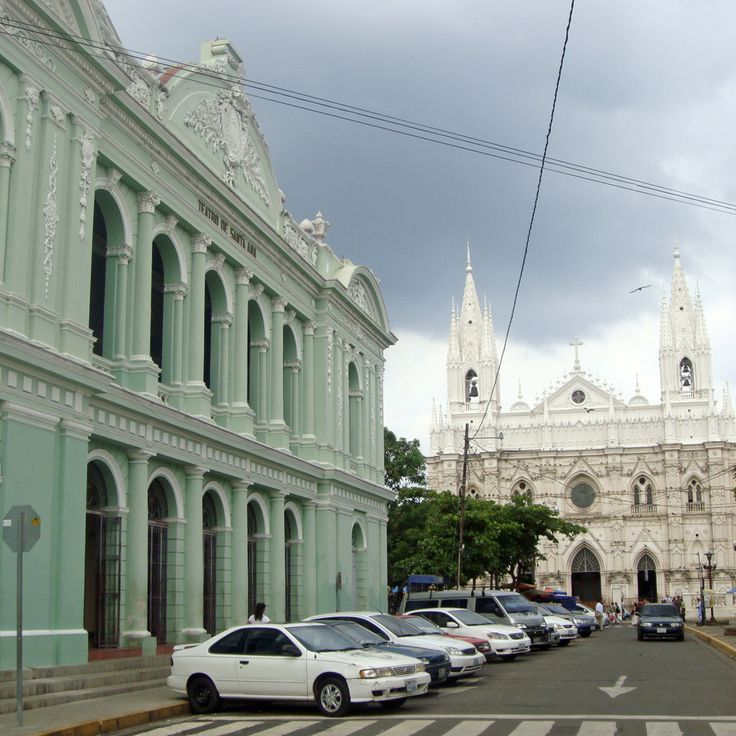
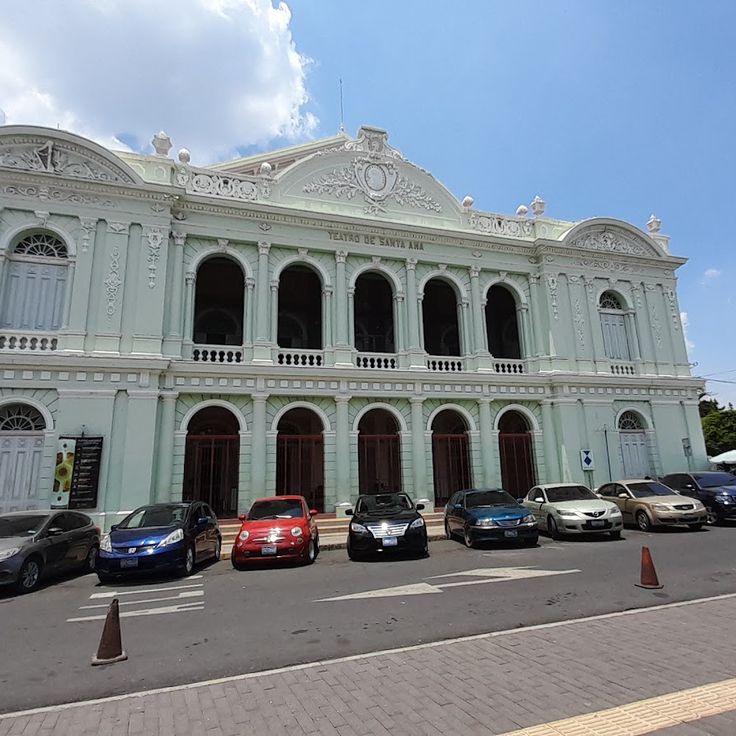
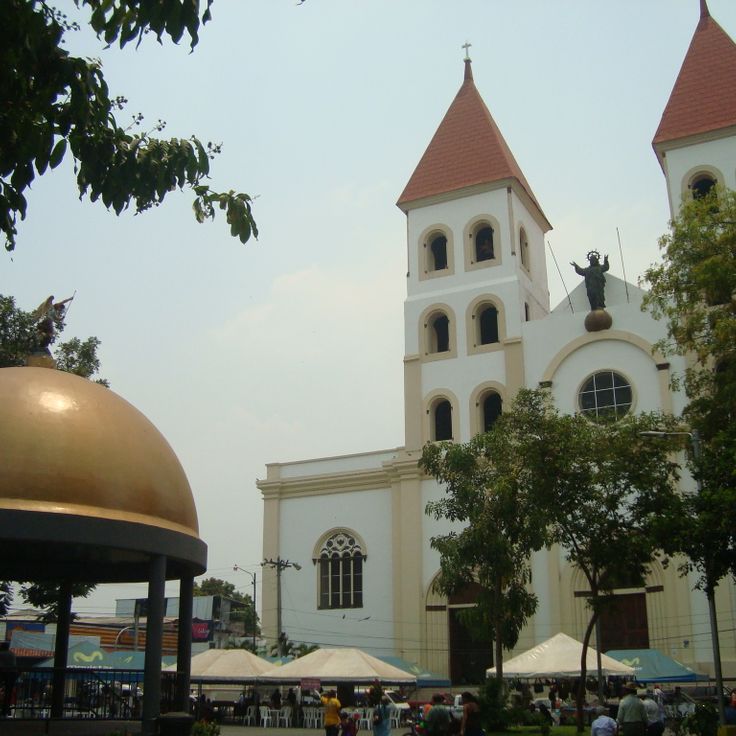
Santa Ana is the second-largest city in El Salvador and serves as an important center for exploring the country's history and architecture. The city features a neo-Gothic cathedral and a municipal theater, both built in the early 20th century. These buildings showcase the cultural development of El Salvador during this period and invite visitors to experience one of the country's significant urban centers.
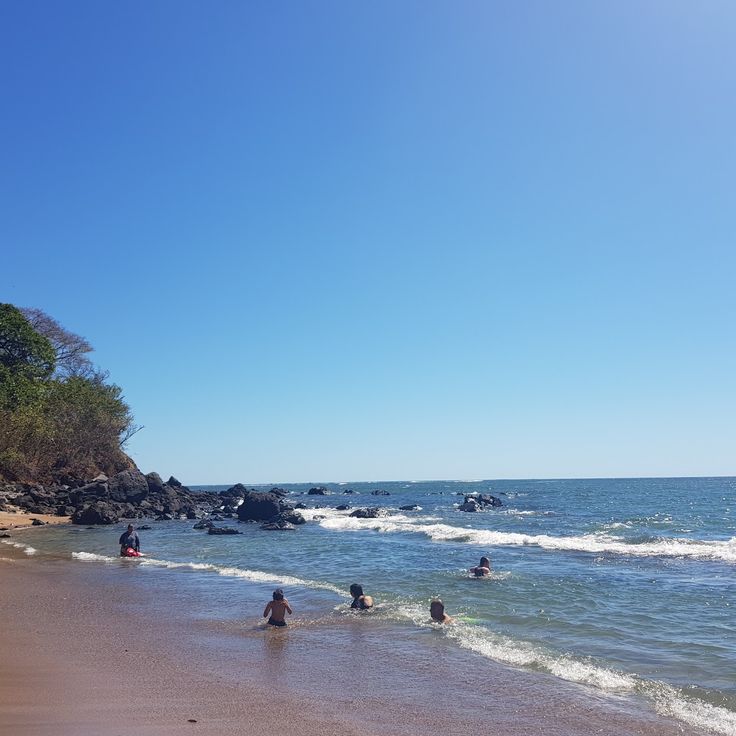
Los Cobanos is a coral reef area on the Pacific coast of El Salvador, part of this collection of sites showcasing the country's natural diversity. The reef sits in shallow waters and offers good conditions for diving and swimming. Visitors can explore the underwater world and enjoy the coastal environment.
The Santa Ana National Theater is a neoclassical building constructed in 1910 and stands as one of El Salvador's significant architectural sites. This theater features a 700-seat performance hall, detailed ceiling murals, and marble finishes throughout. The structure reflects the cultural importance of Santa Ana and represents the architectural heritage of the country.
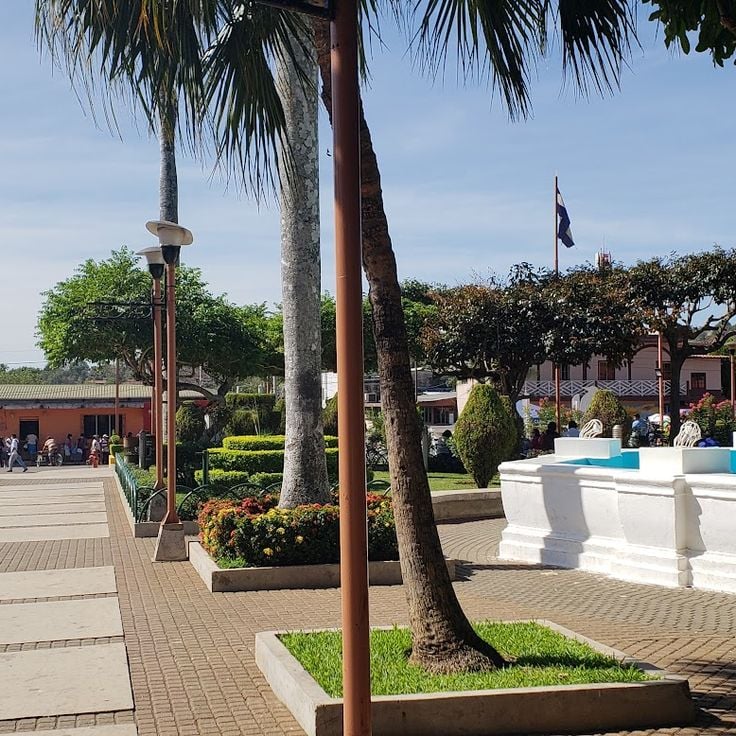
The Plaza Libertad is the main square in Santa Ana, surrounded by buildings from the colonial period that give the space its character. At the center stands a kiosk built in 1889 that serves as a gathering point. The plaza hosts cafes and restaurants around its edges, making it a place where locals and travelers naturally congregate to eat, rest, and observe the rhythms of the city.
San Miguel Volcano is a conical stratovolcano that dominates the eastern region of El Salvador. Its peak rises prominently above the surrounding landscape, offering views across the land below. The volcano's last eruption occurred in 2013, when it released ash and gases into the air. This volcano is part of the natural and geological highlights of El Salvador, a country known for its volcanoes, lakes, and Mayan sites.
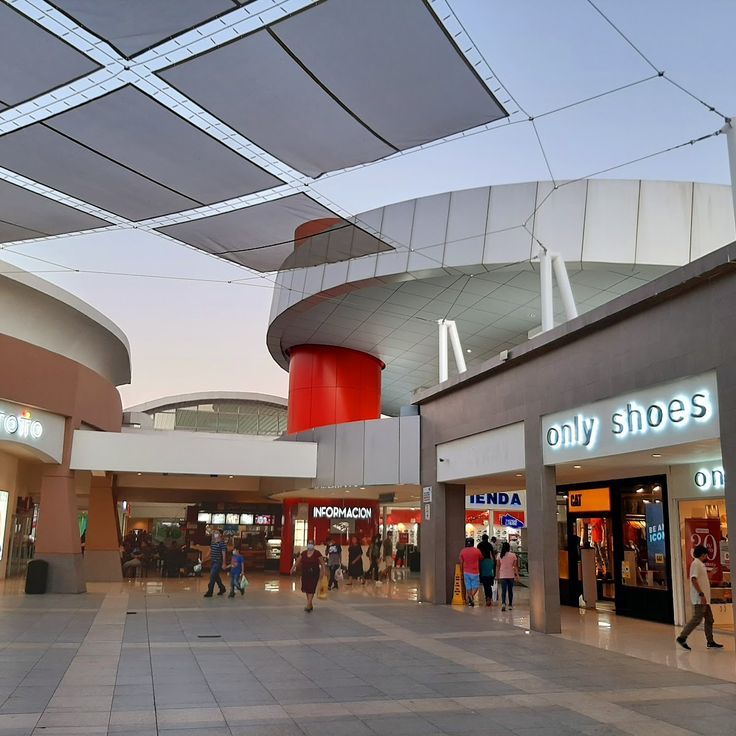
Metrocentro is a shopping center in San Salvador that reflects modern urban life in El Salvador. The complex houses over 300 stores, a cinema, restaurants, and a children's play area. It serves as a gathering place where locals and visitors shop, dine, and spend time together. Metrocentro stands in contrast to the archaeological sites, volcanoes, and colonial towns found throughout the country, offering a contemporary perspective on Salvadoran culture and commerce.
Nahuizalco is an artisanal village in the Sonsonate region that preserves indigenous traditions passed down through generations. The village features houses with colonial-style architecture and comes alive with a night market where locals sell handcrafted goods. Walking through Nahuizalco, visitors can observe traditional craftsmanship and daily life that reflect the cultural roots of El Salvador. The village offers a window into how local communities keep their heritage alive through their work and customs.
Salcoatitán is a village founded in the 16th century that represents the colonial heritage of El Salvador within this collection of major sites. Located on the Route of Flowers, this settlement is known for its coffee production and its colonial church, which stands as a reminder of the region's past.
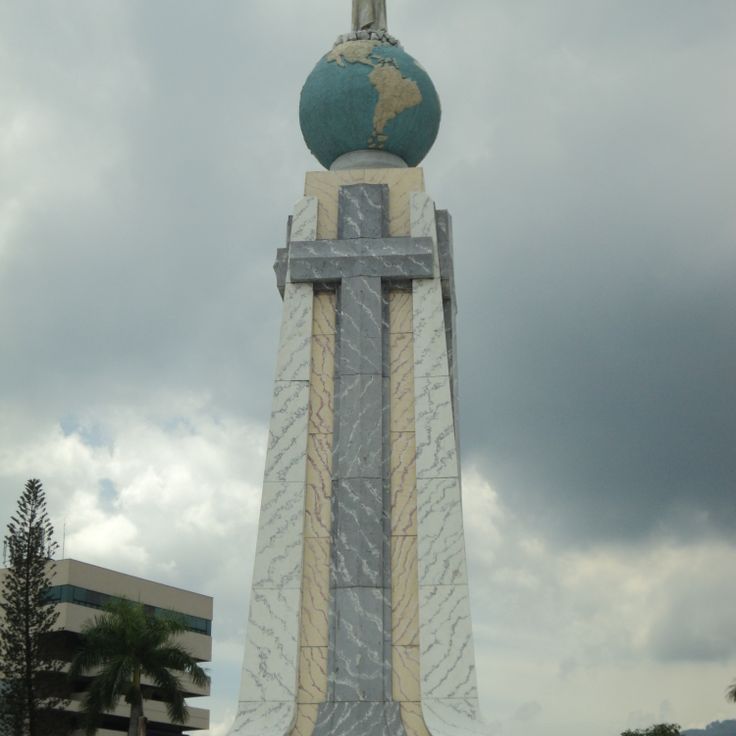
This national monument was erected in 1942 on Salvador del Mundo square, featuring a statue of Jesus atop a cylindrical pedestal. It stands as one of San Salvador's most recognizable symbols and a landmark that defines the city's skyline. Locals and visitors gather here to take in views across the capital.
El Boquerón is a national park surrounding the San Salvador volcano. Visitors can hike along trails that lead to the crater, which measures 1500 meters in diameter and reaches 500 meters deep. This site represents one of El Salvador's natural destinations where travelers can experience volcanic landscapes firsthand. The trails offer views across the land, and walkers feel the ground shaped by volcanic forces that created this remarkable formation.
San Salvador is the administrative and economic capital of El Salvador, founded in the 16th century. This city showcases its history in the old center with the Metropolitan Cathedral and the National Palace. San Salvador serves as a gateway to explore the diverse sites across El Salvador, from volcanoes and lakes to ancient Mayan temples and colonial towns scattered throughout the region.
Santa Teresa Hot Springs are natural pools fed by sulfurous thermal springs, located in a mountainous setting where nature maintains the water temperature. These springs offer visitors a relaxing experience while exploring the natural sites that define El Salvador's diverse landscape.
Suchitoto is a town established in the 16th century and represents one of the historical urban centers of El Salvador worth visiting. The streets here are paved with stones, lined with colonial houses painted white, and the Santa Lucia Church rises above Lake Suchitlán. Walking through this place, you sense how daily life continues in spaces shaped by centuries of history.
Lake Coatepeque stands out among El Salvador's natural sites worth visiting. This volcanic lake sits in the Santa Ana region and draws visitors with its striking blue waters. Wooded shores frame the lake, creating a natural, forested setting. The lake invites water activities like swimming, kayaking, and boat rides. It sits at a good elevation that keeps the climate pleasant year-round. Coatepeque offers a different kind of natural experience compared to the country's waterfalls and hot springs.
Los Volcanos National Park is a protected area covering 6000 hectares in Santa Ana that contains three of El Salvador's volcanoes. The park features Santa Ana at 2381 meters, Izalco at 1950 meters, and Cerro Verde at 2030 meters. This park allows visitors to explore El Salvador's volcanic landscape, a key part of the country's natural character and geological history.
Tazumal is one of El Salvador's most important Maya sites. The archaeological site features a multi-level pyramid that still stands prominently today. Around the pyramid, visitors can see the remains of a ball court where the Maya once played ritual games. The on-site museum displays ceramic objects and other artifacts that reveal details about the daily lives of the ancient people who inhabited this place. Tazumal offers visitors a chance to explore and understand the pre-Columbian history of El Salvador.
Puerta del Diablo is a natural passage carved between two towering rocks in San Salvador. This site serves as a viewpoint where visitors can see Lake Ilopango and the Pacific Ocean spreading below from an elevation of around 1000 meters (3280 feet). The location offers a vantage point to appreciate the volcanic landscape and natural beauty that define El Salvador's geography.
Joya de Cerén is a 6th-century Mayan village buried under volcanic ash. This site is one of El Salvador's major archaeological locations, showcasing daily life before Spanish contact. The structures and everyday objects have remained exceptionally preserved. Visitors can see houses, tools, and other items that reveal how the ancient people lived and worked in their community.
El Imposible National Park is a protected area in Ahuachapán that showcases the natural diversity El Salvador offers to visitors. This park covers a mountainous region with hiking trails and viewpoints where travelers can observe various plants and animals. The park plays an important role in preserving the country's ecological treasures.
El Rosario Church in San Salvador is a modern building constructed in 1971 that stands out for its distinctive concrete design. The church features colored glass panels that cast patterns of light across the interior walls and floor, creating an interplay of colors throughout the space. As part of the collection of major sites in El Salvador, this church represents the country's mid-twentieth century architectural development and offers visitors a different perspective on religious buildings compared to the colonial structures found elsewhere in the region.
Salto de Malacatiupan is a natural waterfall in the Ahuachapán region, part of El Salvador's varied natural landscape. The water flows through successive pools and maintains a temperature of 50 degrees Celsius year-round. This site showcases the geothermal character of the country, found alongside archaeological sites, volcanoes, and colonial towns throughout the region.
Plaza Futura is a modern commercial complex in San Salvador that fits into El Salvador's architectural and commercial landscape. The complex houses shops, offices, and restaurants, offering visitors an observation point at the top of the country's tallest tower where they can look out over the entire city. From this viewing platform, you can see the streets, buildings, and valley of San Salvador spread across the landscape below.
The Art Museum of El Salvador stands in San Salvador and displays works by Salvadoran artists alongside rotating international exhibitions across its galleries. This museum fits into the broader exploration of El Salvador's architectural, natural, and historical sites, which include volcanoes, lakes, Maya temples like Tazumal and Joya de Cerén, colonial towns, and Pacific beaches. The museum offers insight into the country's artistic traditions and creative expressions.
Lake Ilopango is the largest body of water in El Salvador, formed within a volcanic caldera near San Salvador. This lake sits surrounded by mountains and is an important part of the country's natural landscape. People visit to fish, swim, and relax by the water. The shores and waters offer views of the volcanic peaks that shaped the region. Walking around this lake, you sense the geological forces that created this land and continue to shape it today.
Santa Ana Cathedral is a significant religious structure in El Salvador's historical urban centers. This cathedral combines Gothic and Byzantine style elements and was constructed between 1906 and 1959. The building features an ornately decorated altar and distinctive twin bell towers that shape the city's skyline. It represents the religious and architectural heritage of the region and draws visitors who wish to explore El Salvador's cultural treasures.
The National Museum of Anthropology in San Salvador houses archaeological collections and traditional Salvadoran objects that tell the story of pre-Columbian civilizations through to modern times. Visitors can trace how different cultures developed and shaped the country across centuries, from ancient settlements to contemporary life.
La Laguna Botanical Garden in San Salvador is a park that brings together over 3500 species of local and exotic plants. The garden is part of the natural sites that El Salvador offers to visitors, featuring walking paths where you can explore the diverse plant life. Picnic areas are scattered throughout, giving you a comfortable place to rest and enjoy the surroundings.
The Tamanique Waterfalls are part of El Salvador's natural landscape and consist of three waterfalls cascading down a 100-meter-high rock wall. After a 45-minute walk through the forest, visitors reach natural pools where they can swim and cool off. This site showcases the country's natural diversity alongside pre-Columbian temples and colonial towns found throughout the region.
Paseo El Carmen is a shopping street in Santa Tecla that combines restaurants and 19th-century colonial buildings. The street serves as the nightlife center of Santa Tecla and fits perfectly within the collection of major sites of El Salvador, where history, architecture, and modern life intersect.
San Andrés is a Mayan archaeological site in La Libertad that ranks among El Salvador's major sites. The location features pyramids, palaces, and residential zones built between 600 and 900 CE. Visitors can explore the remains of this pre-Columbian settlement and learn about Maya life in the region during this period.
Alegría is a village in Usulután that offers visitors a place shaped by its natural surroundings and local traditions. Located at 1200 meters altitude, the village sits amid coffee plantations and is known for its hot springs and mild climate. Here travelers can experience the connection between nature and everyday life in the highlands.
Cihuatan is a pre-Columbian city with pyramids, ball courts, and dwelling remains from the 10th to 12th century. The site shows how people lived here hundreds of years ago and how their community was organized. You can walk among the stone foundations and explore the remains of various structures that reveal what daily life was like in this ancient settlement.
Laguna de Alegría is a volcanic lake in Usulután with distinctive green, sulfurous waters set at 1600 meters elevation. The lake sits surrounded by thermal springs that feed into this natural wonder. This water body showcases the geothermal character of El Salvador's volcanic landscape and offers visitors a chance to experience the country's geological features and natural areas.
Juayúa is a mountain agricultural center in Sonsonate that serves as an important settlement within El Salvador's major sites. Located at 1000 meters elevation, this place features a white colonial church that dominates the village center. Every Sunday, a food market brings the community together, where local products are sold and visitors can experience the rhythm of daily rural life.
Ataco is a historic center in the Ahuachapán highlands where colorful murals decorate the facades of local buildings. Situated at 1200 meters elevation, the town sits amid coffee plantations that shape the surrounding landscape. The vibrant artwork reflects local culture and traditions, making this village an inviting place for visitors curious about regional craftsmanship and rural life.
Apaneca is a village situated at 1480 meters elevation, surrounded by coffee-producing farms and flower fields. As part of this collection of major sites in El Salvador, this place shows how the country's landscape blends agriculture and nature in the highlands.
Ciudad Vieja is where El Salvador's first colonial capital was established. In 1525, San Salvador de la Bermuda was founded here. Today visitors find building remains and the ruins of a central square scattered across the site. The place shows how Spanish colonial rule shaped the country. The archaeological remains help you understand how early settlers lived and what importance this location held for El Salvador's history.
The Gulf of Fonseca is a body of Pacific Ocean water that borders three countries along El Salvador's coast. This natural site is part of the collection exploring El Salvador's volcanoes, lakes, Maya temples, and coastal areas. The coasts of this gulf feature mangrove forests, volcanic beaches, and fishing ports where daily life follows the rhythm of the tides and fishing seasons. Visitors can experience the natural diversity of the region and see how the sea shapes the lives of coastal communities.
Lake Güija sits on the border between El Salvador and Guatemala, part of the natural landscapes featured in this collection of El Salvador's major sites. Fed by the Ostúa and Angue rivers, this lake shapes the countryside of the Santa Ana region. Visitors can experience the geography and ecology of the area while exploring one of the country's significant water bodies.
Cacaopera is a mountain village within this collection of El Salvador's major sites, where an indigenous community preserves its traditions and crafts. Located at 750 meters elevation, this village represents the living heritage found throughout the country, alongside its temples, colonial towns, and natural areas. The residents of Cacaopera maintain their ancestral language and produce handmade goods that reflect generations of cultural knowledge.
Santa Ana is the second-largest city in El Salvador and serves as an important center for exploring the country's history and architecture. The city features a neo-Gothic cathedral and a municipal theater, both built in the early 20th century. These buildings showcase the cultural development of El Salvador during this period and invite visitors to experience one of the country's significant urban centers.
Los Cobanos is a coral reef area on the Pacific coast of El Salvador, part of this collection of sites showcasing the country's natural diversity. The reef sits in shallow waters and offers good conditions for diving and swimming. Visitors can explore the underwater world and enjoy the coastal environment.
The Santa Ana National Theater is a neoclassical building constructed in 1910 and stands as one of El Salvador's significant architectural sites. This theater features a 700-seat performance hall, detailed ceiling murals, and marble finishes throughout. The structure reflects the cultural importance of Santa Ana and represents the architectural heritage of the country.
The Plaza Libertad is the main square in Santa Ana, surrounded by buildings from the colonial period that give the space its character. At the center stands a kiosk built in 1889 that serves as a gathering point. The plaza hosts cafes and restaurants around its edges, making it a place where locals and travelers naturally congregate to eat, rest, and observe the rhythms of the city.
San Miguel Volcano is a conical stratovolcano that dominates the eastern region of El Salvador. Its peak rises prominently above the surrounding landscape, offering views across the land below. The volcano's last eruption occurred in 2013, when it released ash and gases into the air. This volcano is part of the natural and geological highlights of El Salvador, a country known for its volcanoes, lakes, and Mayan sites.
Metrocentro is a shopping center in San Salvador that reflects modern urban life in El Salvador. The complex houses over 300 stores, a cinema, restaurants, and a children's play area. It serves as a gathering place where locals and visitors shop, dine, and spend time together. Metrocentro stands in contrast to the archaeological sites, volcanoes, and colonial towns found throughout the country, offering a contemporary perspective on Salvadoran culture and commerce.
Nahuizalco is an artisanal village in the Sonsonate region that preserves indigenous traditions passed down through generations. The village features houses with colonial-style architecture and comes alive with a night market where locals sell handcrafted goods. Walking through Nahuizalco, visitors can observe traditional craftsmanship and daily life that reflect the cultural roots of El Salvador. The village offers a window into how local communities keep their heritage alive through their work and customs.
Salcoatitán is a village founded in the 16th century that represents the colonial heritage of El Salvador within this collection of major sites. Located on the Route of Flowers, this settlement is known for its coffee production and its colonial church, which stands as a reminder of the region's past.
This national monument was erected in 1942 on Salvador del Mundo square, featuring a statue of Jesus atop a cylindrical pedestal. It stands as one of San Salvador's most recognizable symbols and a landmark that defines the city's skyline. Locals and visitors gather here to take in views across the capital.
El Boquerón is a national park surrounding the San Salvador volcano. Visitors can hike along trails that lead to the crater, which measures 1500 meters in diameter and reaches 500 meters deep. This site represents one of El Salvador's natural destinations where travelers can experience volcanic landscapes firsthand. The trails offer views across the land, and walkers feel the ground shaped by volcanic forces that created this remarkable formation.
San Salvador is the administrative and economic capital of El Salvador, founded in the 16th century. This city showcases its history in the old center with the Metropolitan Cathedral and the National Palace. San Salvador serves as a gateway to explore the diverse sites across El Salvador, from volcanoes and lakes to ancient Mayan temples and colonial towns scattered throughout the region.
Santa Teresa Hot Springs are natural pools fed by sulfurous thermal springs, located in a mountainous setting where nature maintains the water temperature. These springs offer visitors a relaxing experience while exploring the natural sites that define El Salvador's diverse landscape.
Suchitoto is a town established in the 16th century and represents one of the historical urban centers of El Salvador worth visiting. The streets here are paved with stones, lined with colonial houses painted white, and the Santa Lucia Church rises above Lake Suchitlán. Walking through this place, you sense how daily life continues in spaces shaped by centuries of history.
Lake Coatepeque stands out among El Salvador's natural sites worth visiting. This volcanic lake sits in the Santa Ana region and draws visitors with its striking blue waters. Wooded shores frame the lake, creating a natural, forested setting. The lake invites water activities like swimming, kayaking, and boat rides. It sits at a good elevation that keeps the climate pleasant year-round. Coatepeque offers a different kind of natural experience compared to the country's waterfalls and hot springs.
Los Volcanos National Park is a protected area covering 6000 hectares in Santa Ana that contains three of El Salvador's volcanoes. The park features Santa Ana at 2381 meters, Izalco at 1950 meters, and Cerro Verde at 2030 meters. This park allows visitors to explore El Salvador's volcanic landscape, a key part of the country's natural character and geological history.
Tazumal is one of El Salvador's most important Maya sites. The archaeological site features a multi-level pyramid that still stands prominently today. Around the pyramid, visitors can see the remains of a ball court where the Maya once played ritual games. The on-site museum displays ceramic objects and other artifacts that reveal details about the daily lives of the ancient people who inhabited this place. Tazumal offers visitors a chance to explore and understand the pre-Columbian history of El Salvador.
Puerta del Diablo is a natural passage carved between two towering rocks in San Salvador. This site serves as a viewpoint where visitors can see Lake Ilopango and the Pacific Ocean spreading below from an elevation of around 1000 meters (3280 feet). The location offers a vantage point to appreciate the volcanic landscape and natural beauty that define El Salvador's geography.
Joya de Cerén is a 6th-century Mayan village buried under volcanic ash. This site is one of El Salvador's major archaeological locations, showcasing daily life before Spanish contact. The structures and everyday objects have remained exceptionally preserved. Visitors can see houses, tools, and other items that reveal how the ancient people lived and worked in their community.
El Imposible National Park is a protected area in Ahuachapán that showcases the natural diversity El Salvador offers to visitors. This park covers a mountainous region with hiking trails and viewpoints where travelers can observe various plants and animals. The park plays an important role in preserving the country's ecological treasures.
El Rosario Church in San Salvador is a modern building constructed in 1971 that stands out for its distinctive concrete design. The church features colored glass panels that cast patterns of light across the interior walls and floor, creating an interplay of colors throughout the space. As part of the collection of major sites in El Salvador, this church represents the country's mid-twentieth century architectural development and offers visitors a different perspective on religious buildings compared to the colonial structures found elsewhere in the region.
Salto de Malacatiupan is a natural waterfall in the Ahuachapán region, part of El Salvador's varied natural landscape. The water flows through successive pools and maintains a temperature of 50 degrees Celsius year-round. This site showcases the geothermal character of the country, found alongside archaeological sites, volcanoes, and colonial towns throughout the region.
Plaza Futura is a modern commercial complex in San Salvador that fits into El Salvador's architectural and commercial landscape. The complex houses shops, offices, and restaurants, offering visitors an observation point at the top of the country's tallest tower where they can look out over the entire city. From this viewing platform, you can see the streets, buildings, and valley of San Salvador spread across the landscape below.
The Art Museum of El Salvador stands in San Salvador and displays works by Salvadoran artists alongside rotating international exhibitions across its galleries. This museum fits into the broader exploration of El Salvador's architectural, natural, and historical sites, which include volcanoes, lakes, Maya temples like Tazumal and Joya de Cerén, colonial towns, and Pacific beaches. The museum offers insight into the country's artistic traditions and creative expressions.
Lake Ilopango is the largest body of water in El Salvador, formed within a volcanic caldera near San Salvador. This lake sits surrounded by mountains and is an important part of the country's natural landscape. People visit to fish, swim, and relax by the water. The shores and waters offer views of the volcanic peaks that shaped the region. Walking around this lake, you sense the geological forces that created this land and continue to shape it today.
Santa Ana Cathedral is a significant religious structure in El Salvador's historical urban centers. This cathedral combines Gothic and Byzantine style elements and was constructed between 1906 and 1959. The building features an ornately decorated altar and distinctive twin bell towers that shape the city's skyline. It represents the religious and architectural heritage of the region and draws visitors who wish to explore El Salvador's cultural treasures.
The National Museum of Anthropology in San Salvador houses archaeological collections and traditional Salvadoran objects that tell the story of pre-Columbian civilizations through to modern times. Visitors can trace how different cultures developed and shaped the country across centuries, from ancient settlements to contemporary life.
La Laguna Botanical Garden in San Salvador is a park that brings together over 3500 species of local and exotic plants. The garden is part of the natural sites that El Salvador offers to visitors, featuring walking paths where you can explore the diverse plant life. Picnic areas are scattered throughout, giving you a comfortable place to rest and enjoy the surroundings.
The Tamanique Waterfalls are part of El Salvador's natural landscape and consist of three waterfalls cascading down a 100-meter-high rock wall. After a 45-minute walk through the forest, visitors reach natural pools where they can swim and cool off. This site showcases the country's natural diversity alongside pre-Columbian temples and colonial towns found throughout the region.
Paseo El Carmen is a shopping street in Santa Tecla that combines restaurants and 19th-century colonial buildings. The street serves as the nightlife center of Santa Tecla and fits perfectly within the collection of major sites of El Salvador, where history, architecture, and modern life intersect.
San Andrés is a Mayan archaeological site in La Libertad that ranks among El Salvador's major sites. The location features pyramids, palaces, and residential zones built between 600 and 900 CE. Visitors can explore the remains of this pre-Columbian settlement and learn about Maya life in the region during this period.
Alegría is a village in Usulután that offers visitors a place shaped by its natural surroundings and local traditions. Located at 1200 meters altitude, the village sits amid coffee plantations and is known for its hot springs and mild climate. Here travelers can experience the connection between nature and everyday life in the highlands.
Cihuatan is a pre-Columbian city with pyramids, ball courts, and dwelling remains from the 10th to 12th century. The site shows how people lived here hundreds of years ago and how their community was organized. You can walk among the stone foundations and explore the remains of various structures that reveal what daily life was like in this ancient settlement.
Laguna de Alegría is a volcanic lake in Usulután with distinctive green, sulfurous waters set at 1600 meters elevation. The lake sits surrounded by thermal springs that feed into this natural wonder. This water body showcases the geothermal character of El Salvador's volcanic landscape and offers visitors a chance to experience the country's geological features and natural areas.
Juayúa is a mountain agricultural center in Sonsonate that serves as an important settlement within El Salvador's major sites. Located at 1000 meters elevation, this place features a white colonial church that dominates the village center. Every Sunday, a food market brings the community together, where local products are sold and visitors can experience the rhythm of daily rural life.
Ataco is a historic center in the Ahuachapán highlands where colorful murals decorate the facades of local buildings. Situated at 1200 meters elevation, the town sits amid coffee plantations that shape the surrounding landscape. The vibrant artwork reflects local culture and traditions, making this village an inviting place for visitors curious about regional craftsmanship and rural life.
Apaneca is a village situated at 1480 meters elevation, surrounded by coffee-producing farms and flower fields. As part of this collection of major sites in El Salvador, this place shows how the country's landscape blends agriculture and nature in the highlands.
Ciudad Vieja is where El Salvador's first colonial capital was established. In 1525, San Salvador de la Bermuda was founded here. Today visitors find building remains and the ruins of a central square scattered across the site. The place shows how Spanish colonial rule shaped the country. The archaeological remains help you understand how early settlers lived and what importance this location held for El Salvador's history.
The Gulf of Fonseca is a body of Pacific Ocean water that borders three countries along El Salvador's coast. This natural site is part of the collection exploring El Salvador's volcanoes, lakes, Maya temples, and coastal areas. The coasts of this gulf feature mangrove forests, volcanic beaches, and fishing ports where daily life follows the rhythm of the tides and fishing seasons. Visitors can experience the natural diversity of the region and see how the sea shapes the lives of coastal communities.
Lake Güija sits on the border between El Salvador and Guatemala, part of the natural landscapes featured in this collection of El Salvador's major sites. Fed by the Ostúa and Angue rivers, this lake shapes the countryside of the Santa Ana region. Visitors can experience the geography and ecology of the area while exploring one of the country's significant water bodies.
Cacaopera is a mountain village within this collection of El Salvador's major sites, where an indigenous community preserves its traditions and crafts. Located at 750 meters elevation, this village represents the living heritage found throughout the country, alongside its temples, colonial towns, and natural areas. The residents of Cacaopera maintain their ancestral language and produce handmade goods that reflect generations of cultural knowledge.
Santa Ana is the second-largest city in El Salvador and serves as an important center for exploring the country's history and architecture. The city features a neo-Gothic cathedral and a municipal theater, both built in the early 20th century. These buildings showcase the cultural development of El Salvador during this period and invite visitors to experience one of the country's significant urban centers.
Los Cobanos is a coral reef area on the Pacific coast of El Salvador, part of this collection of sites showcasing the country's natural diversity. The reef sits in shallow waters and offers good conditions for diving and swimming. Visitors can explore the underwater world and enjoy the coastal environment.
The Santa Ana National Theater is a neoclassical building constructed in 1910 and stands as one of El Salvador's significant architectural sites. This theater features a 700-seat performance hall, detailed ceiling murals, and marble finishes throughout. The structure reflects the cultural importance of Santa Ana and represents the architectural heritage of the country.
The Plaza Libertad is the main square in Santa Ana, surrounded by buildings from the colonial period that give the space its character. At the center stands a kiosk built in 1889 that serves as a gathering point. The plaza hosts cafes and restaurants around its edges, making it a place where locals and travelers naturally congregate to eat, rest, and observe the rhythms of the city.
San Miguel Volcano is a conical stratovolcano that dominates the eastern region of El Salvador. Its peak rises prominently above the surrounding landscape, offering views across the land below. The volcano's last eruption occurred in 2013, when it released ash and gases into the air. This volcano is part of the natural and geological highlights of El Salvador, a country known for its volcanoes, lakes, and Mayan sites.
Metrocentro is a shopping center in San Salvador that reflects modern urban life in El Salvador. The complex houses over 300 stores, a cinema, restaurants, and a children's play area. It serves as a gathering place where locals and visitors shop, dine, and spend time together. Metrocentro stands in contrast to the archaeological sites, volcanoes, and colonial towns found throughout the country, offering a contemporary perspective on Salvadoran culture and commerce.
Nahuizalco is an artisanal village in the Sonsonate region that preserves indigenous traditions passed down through generations. The village features houses with colonial-style architecture and comes alive with a night market where locals sell handcrafted goods. Walking through Nahuizalco, visitors can observe traditional craftsmanship and daily life that reflect the cultural roots of El Salvador. The village offers a window into how local communities keep their heritage alive through their work and customs.
Salcoatitán is a village founded in the 16th century that represents the colonial heritage of El Salvador within this collection of major sites. Located on the Route of Flowers, this settlement is known for its coffee production and its colonial church, which stands as a reminder of the region's past.
This national monument was erected in 1942 on Salvador del Mundo square, featuring a statue of Jesus atop a cylindrical pedestal. It stands as one of San Salvador's most recognizable symbols and a landmark that defines the city's skyline. Locals and visitors gather here to take in views across the capital.