Lake Nicaragua, Freshwater lake in Southwestern Nicaragua
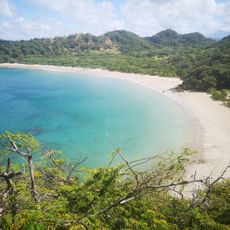
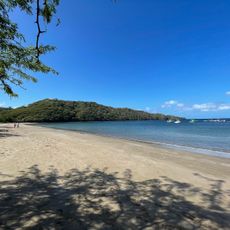
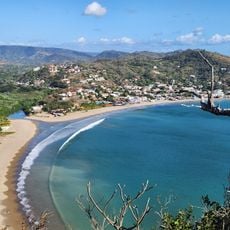
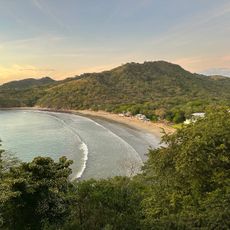
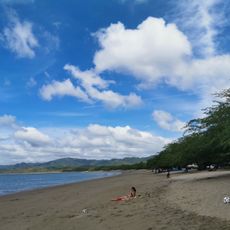
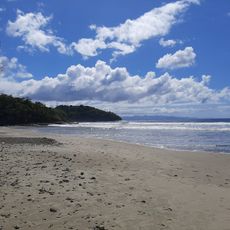
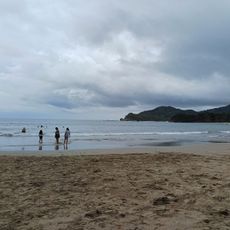
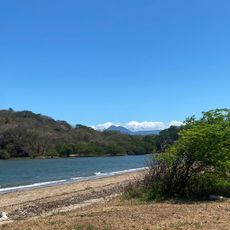
Lake Nicaragua stretches across more than 8,000 square kilometers, making it the largest freshwater body in Central America. Its shoreline ranges from volcanic islands to flat plains, where small towns and fishing villages line the water.
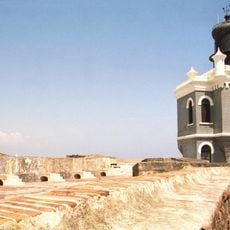
Caribbean pirates repeatedly attacked Granada, a city on the northwest shore, leading to the construction of protective fortifications along the San Juan River. These raids shaped the region's military architecture during colonial times.
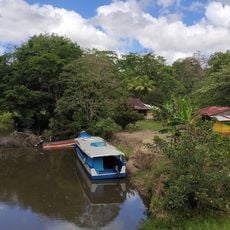
Indigenous peoples called this body of water Cocibolca, while Spanish conquerors named it Mar Dulce – both names meaning sweet sea in their respective languages. Fishermen still rely on its waters today, and small boats connect communities along the shoreline.
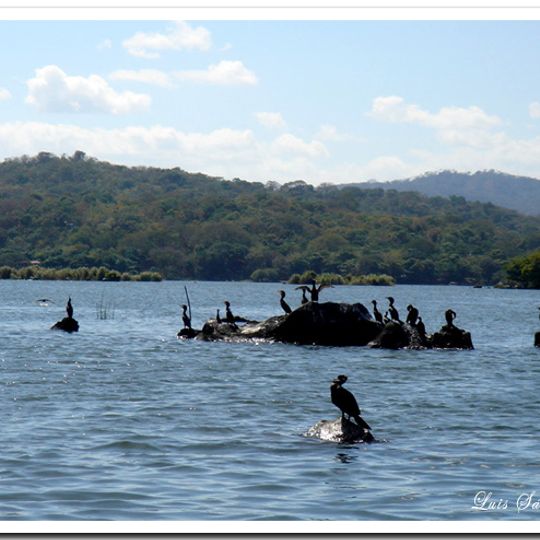
Several shoreline towns offer access to the water, with boats and ferries serving as the main transport between communities. Calmer conditions in the morning make for better boat rides and wildlife watching along the coast.
In 1877 the discovery of sharks in the lake was so striking that the Nicaraguan government issued a special postage stamp bearing the animal's image as a national symbol. Scientists long assumed it was an endemic species, the Lake Nicaragua shark, until 1961 comparisons of specimens showed it was the widespread bull shark. Tagged sharks have later been caught in the open ocean, some completing the journey in as little as 7 days.
The community of curious travelers
AroundUs brings together thousands of curated places, local tips, and hidden gems, enriched daily by 92,675 contributors worldwide.