Panamá Viejo, Archaeological ruins in Parque Lefevre, Panama.
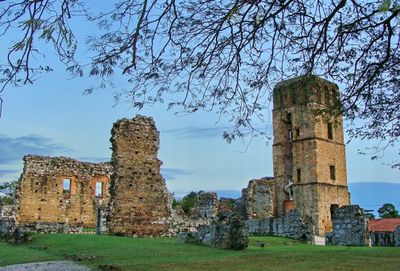
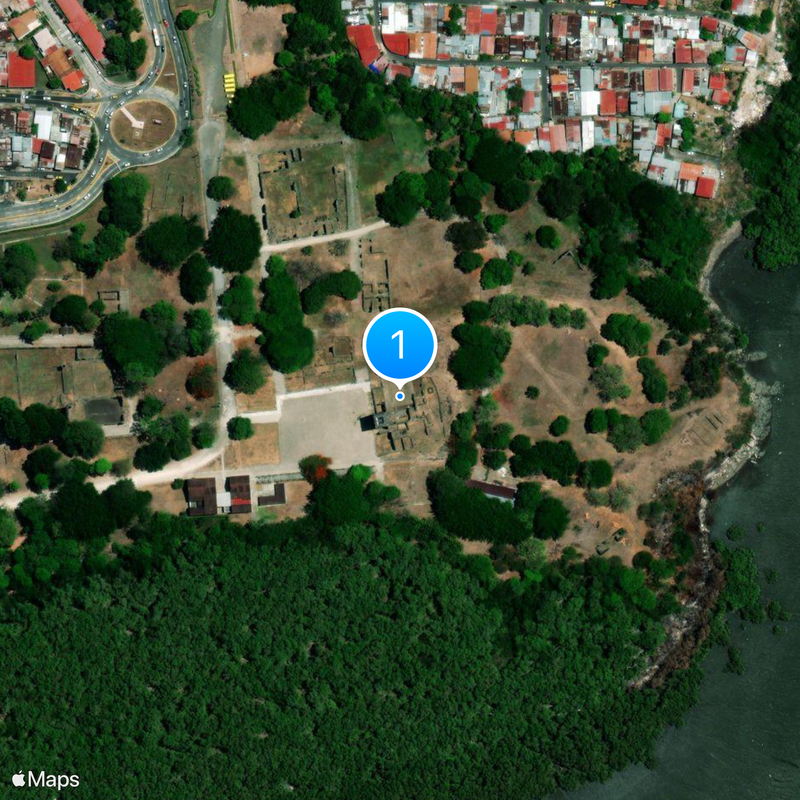
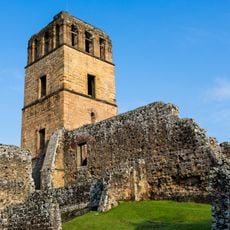
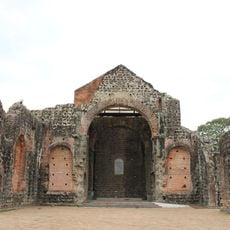
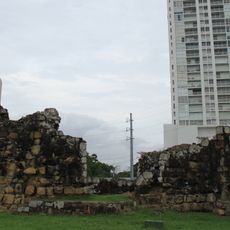
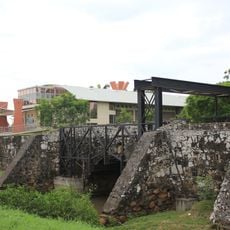
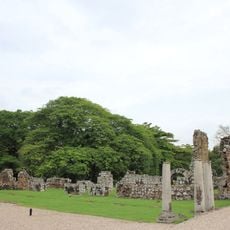
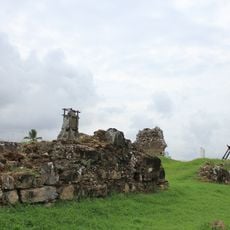
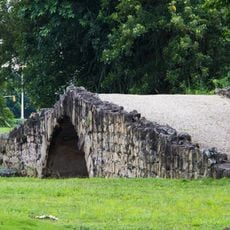
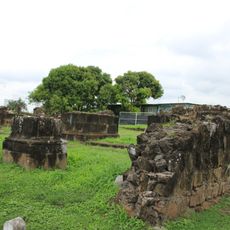
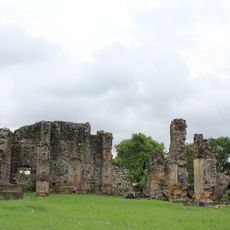
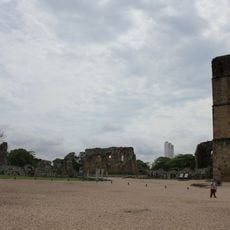
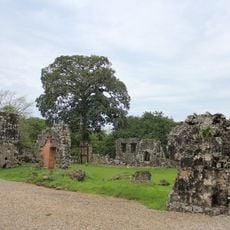
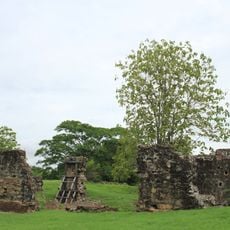
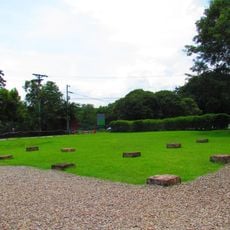
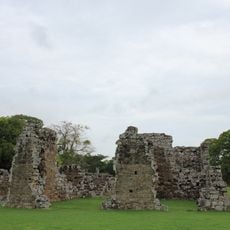
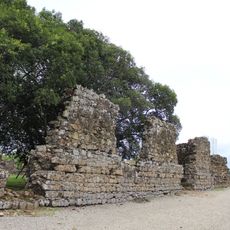
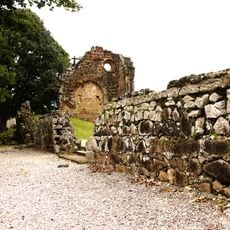
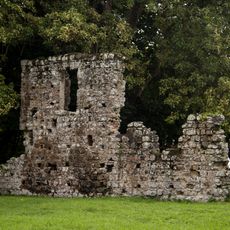
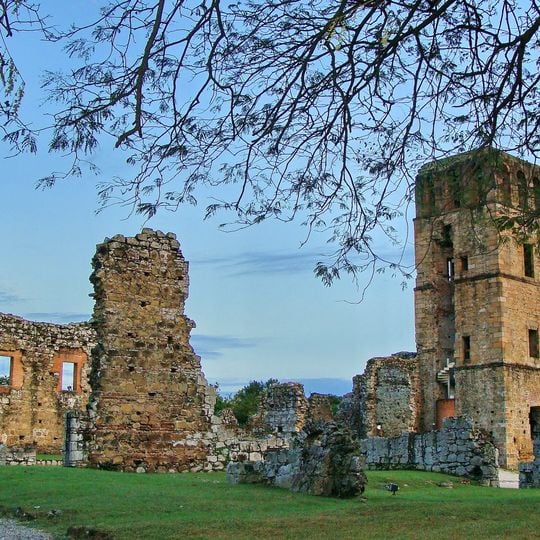
Panamá Viejo is an archaeological site in the eastern part of the city where stone walls, residential remains, and a tall church tower show the remnants of the first Spanish city on this coast. The ruins spread across several blocks with foundations made from coral stone, arches, and floor plans of homes, warehouses, and religious buildings.
Pedro Arias Dávila founded the city in 1519 as the first permanent European base on the Pacific and it served for nearly 150 years as a trade hub for gold and goods from South America. An attack by Henry Morgan in 1671 destroyed most of the buildings completely, and the surviving residents established the new city several kilometers to the west.
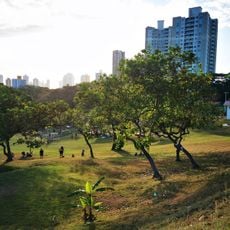
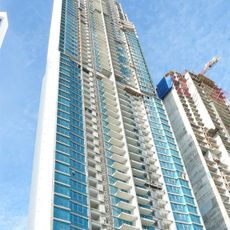
The site reveals its past as the first permanent European settlement on the Pacific coast through plazas and stone pathways that still keep their original layout. School groups come here today to learn about the colonial period directly in front of the old walls and see the contrasts between the ruins and the modern cityscape.
A small museum at the entrance provides information and maps to help orient yourself across the entire site before entering the open areas with the ruins. The ground is uneven and there is little shade, so sturdy footwear and sun protection are important on hot days.
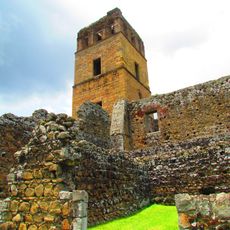
The cathedral was once the largest church along the entire Pacific coast and its walls are made from coral stone taken directly from the nearby sea. From the top of the preserved tower you can see both the skyscrapers of the modern downtown and the ships heading toward the Panama Canal at the same time.
The community of curious travelers
AroundUs brings together thousands of curated places, local tips, and hidden gems, enriched daily by 91,313 contributors worldwide.