See the monuments around you in AROpen chests in the app
Around Us is built for your phone — point your camera at the streets and discover the monuments and places around you in augmented reality.Around Us is built for your phone — chests unlock when you walk, explore and capture nearby places.
Panama City combines Spanish colonial architecture with modern urban design. Visitors can explore the 16th-century ruins at Panama Viejo, walk through the historic streets of Casco Viejo, and discover tropical forests at Metropolitan National Park. The city features waterfront boulevards, cultural venues, and architectural landmarks like the Frank Gehry-designed Biodiversity Museum.
This collection includes a range of places that reflect Panama's history and character. From the Presidential Palace to the Panama Canal Locks, visitors can explore important historical landmarks. Traditional markets like the Fish Market and squares like Plaza Cinco de Mayo show the city's everyday life. Ancon Hill offers views of the skyline, while green spaces like Omar Park and the Amador Causeway invite exploration.
The area around the capital also offers natural experiences and cultural insights. The Panama Canal and its visitor center illustrate the importance of this waterway to the world. Rainforests like Gamboa and Soberania National Park provide nature adventures. At the same time, modern shopping centers and neighborhoods like Costa del Este shape the city's contemporary character.
Panama City combines Spanish colonial architecture with modern urban design. Visitors can explore the 16th-century ruins at Panama Viejo, walk through the historic streets of Casco Viejo, and discover tropical forests at Metropolitan National Park. The city features waterfront boulevards, cultural venues, and architectural landmarks like the Frank Gehry-designed Biodiversity Museum.
This collection includes a range of places that reflect Panama's history and character. From the Presidential Palace to the Panama Canal Locks, visitors can explore important historical landmarks. Traditional markets like the Fish Market and squares like Plaza Cinco de Mayo show the city's everyday life. Ancon Hill offers views of the skyline, while green spaces like Omar Park and the Amador Causeway invite exploration.
The area around the capital also offers natural experiences and cultural insights. The Panama Canal and its visitor center illustrate the importance of this waterway to the world. Rainforests like Gamboa and Soberania National Park provide nature adventures. At the same time, modern shopping centers and neighborhoods like Costa del Este shape the city's contemporary character.
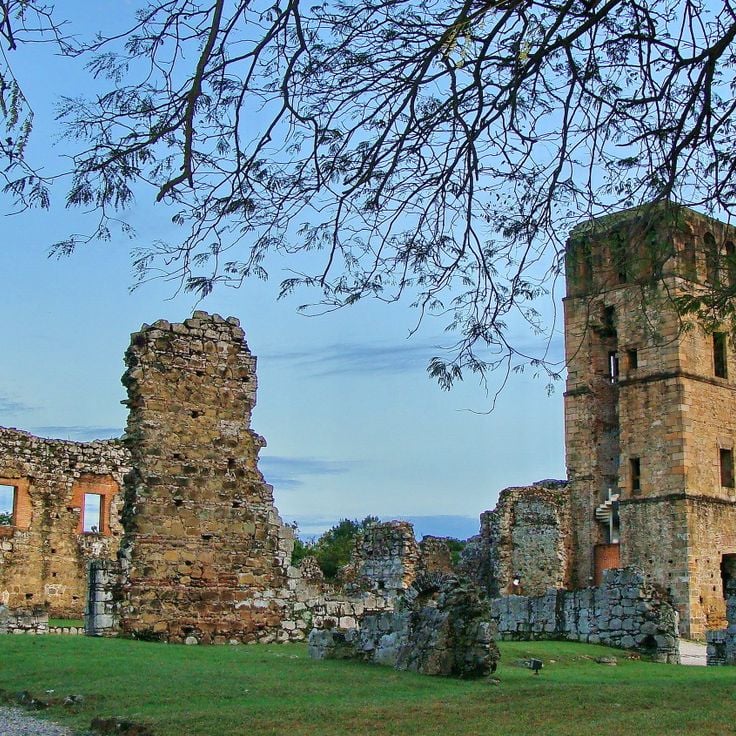
Panama Viejo is the archaeological site of one of the earliest European settlements on the Pacific coast of the Americas. Stone ruins and foundations from 1519 show how the first residents lived in this location. The site connects to Panama's history from Spanish colonial times to the modern city. Visitors can walk through the remains and explore the origins of this region.
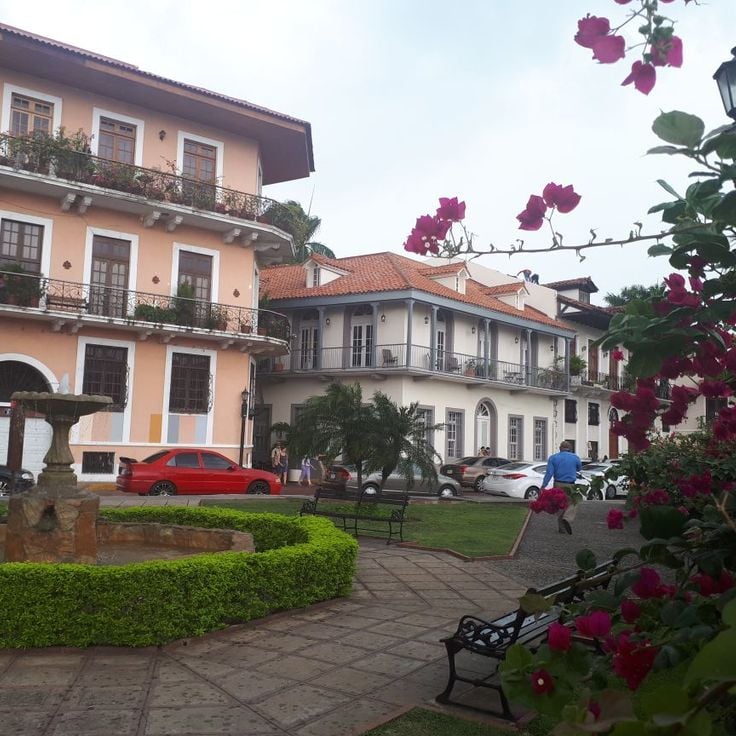
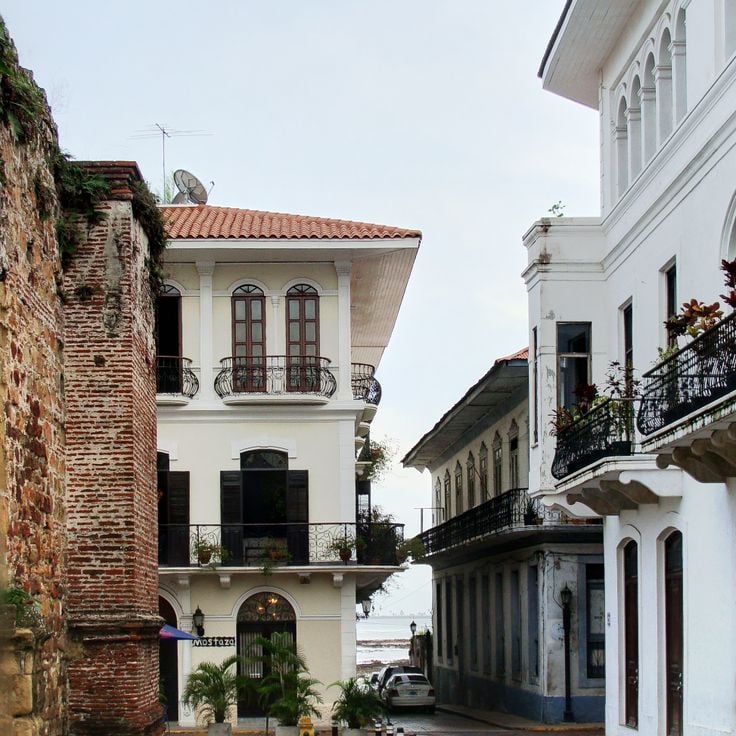
Casco Viejo is a historic district dating to the 17th century that stands as a centerpiece within this collection of historical sites and landmarks in Panama City. This district showcases Spanish colonial architecture through its characteristic buildings, churches, and plazas, recognized by UNESCO as a World Heritage site. The narrow streets invite visitors to walk and experience the rhythm of colonial times. Casco Viejo represents the historical heart of the city and complements other sites such as the ruins of Panama Viejo and the Biodiversity Museum.
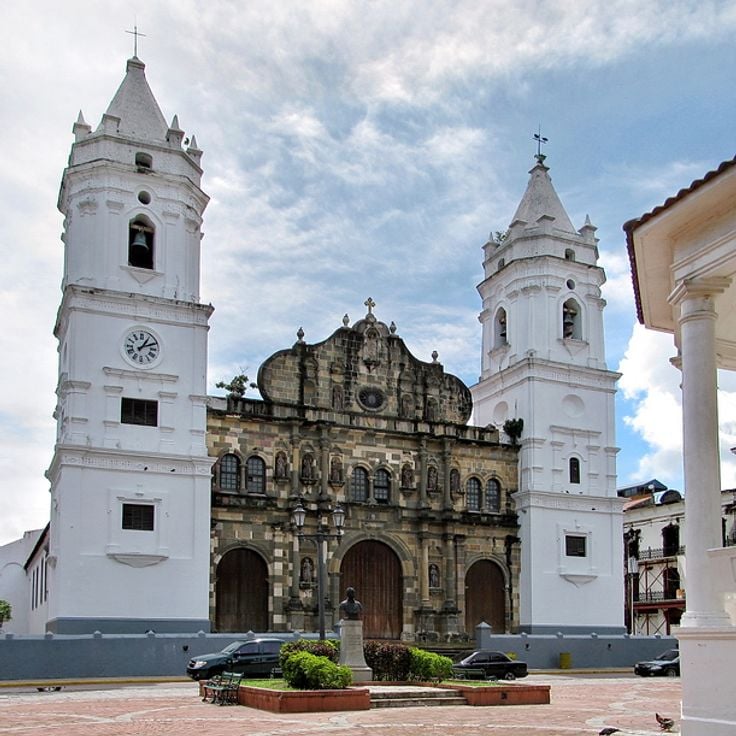
The cathedral is the most important religious building in Casco Viejo and shows Panama City's long history. It was built between 1688 and 1796 and stands in a central plaza of the old town. Its two side towers and mother-of-pearl decorated spires are visible from far away. The building combines Spanish colonial architecture with local materials and craftsmanship from that period. The cathedral is part of the historic ensemble of Casco Viejo, which together with the ruins of Panama Viejo and the forests of Metropolitan National Park displays the different sides of Panama City.
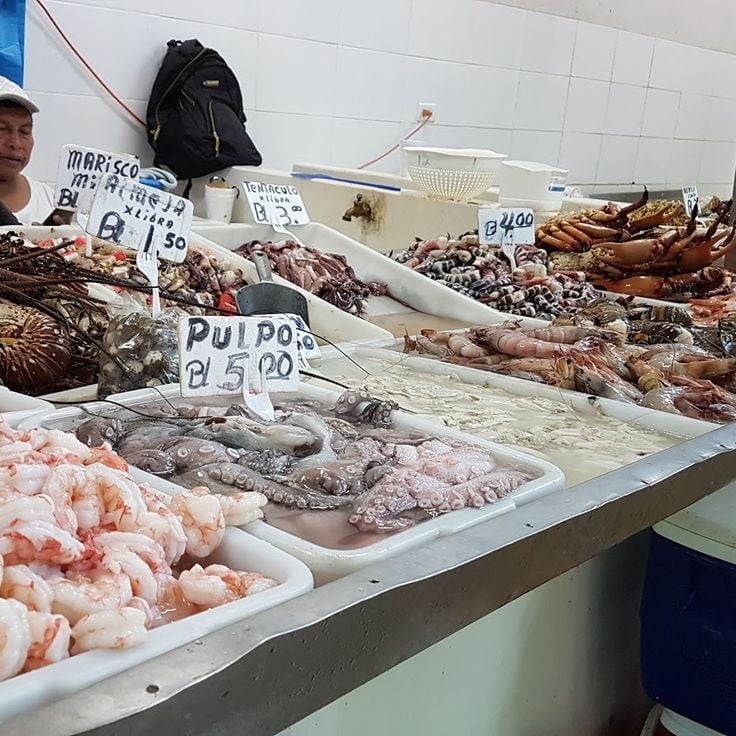
The Fish Market is a two-story concrete building on Balboa Avenue where local fishermen sell fresh catches daily. This market is one of Panama City's working commercial spaces that reveals the city's connection to the sea. Restaurants inside serve ceviche and seafood dishes that visitors can enjoy on site. The space shows everyday rhythms of the city and its food traditions.
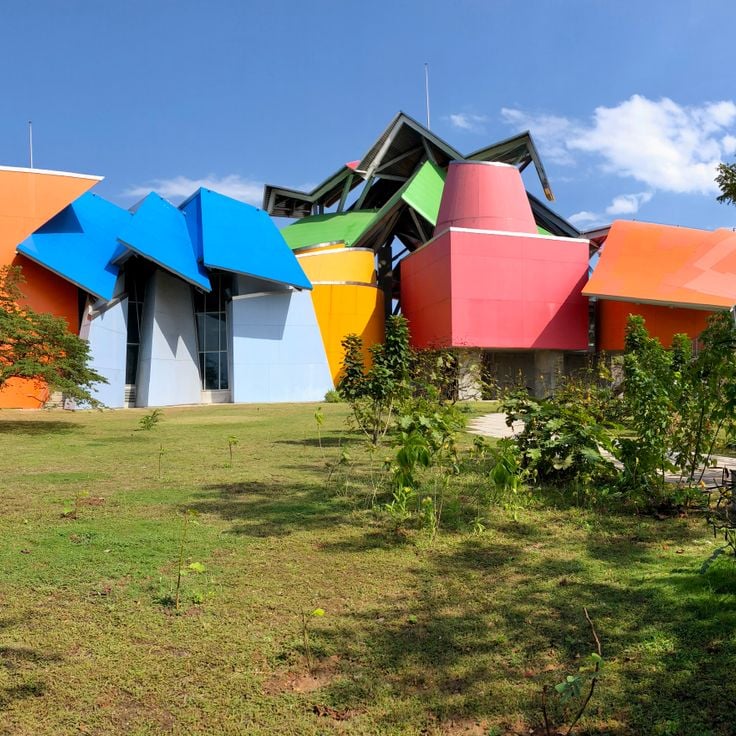
The Biomuseo is a contemporary museum in Panama City that fits into the collection of historical sites and landmarks throughout the city. Its exterior features colorful panels and the interior houses interactive exhibits on Panama's natural history along with scientific displays. Located on the Amador Causeway, this museum adds a modern perspective to the city's mix of colonial heritage and urban development.
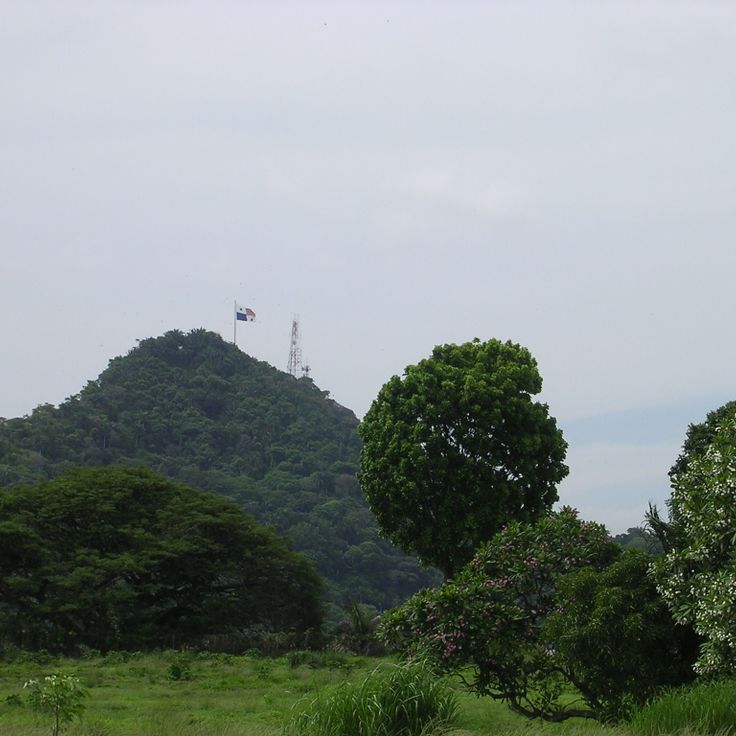
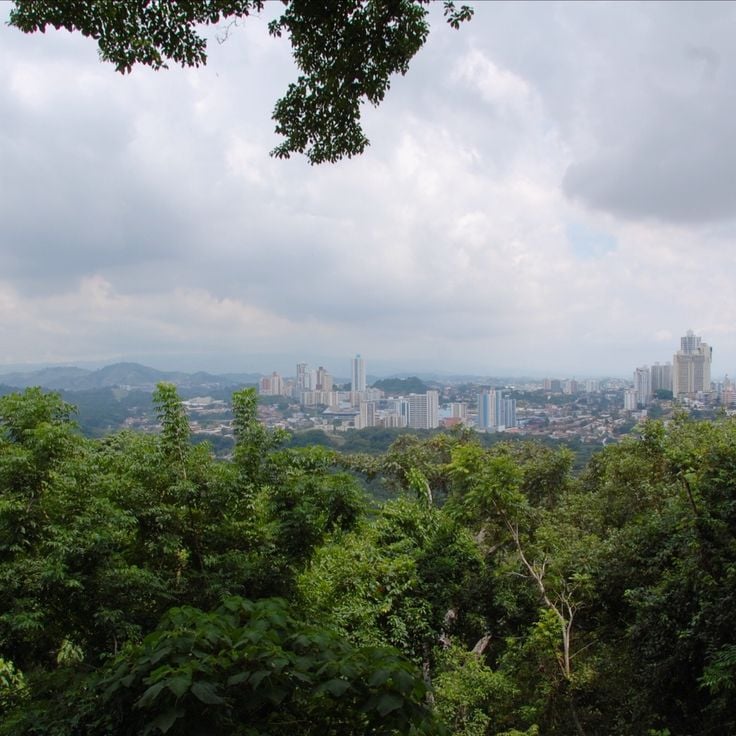
This hill in Panama City offers visitors a natural vantage point to understand the city and its surroundings. Ancon Hill features hiking trails through forest vegetation and provides views of Panama City, the Panama Canal, and the Bay of Panama. From its heights, you can see how the city's historical sites and modern development relate to the landscape and waterways that define the region.
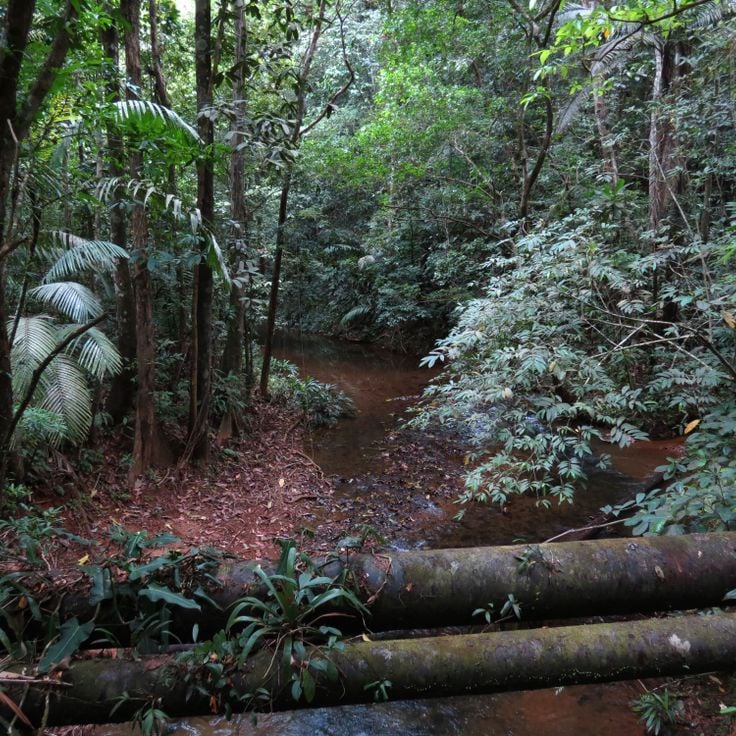
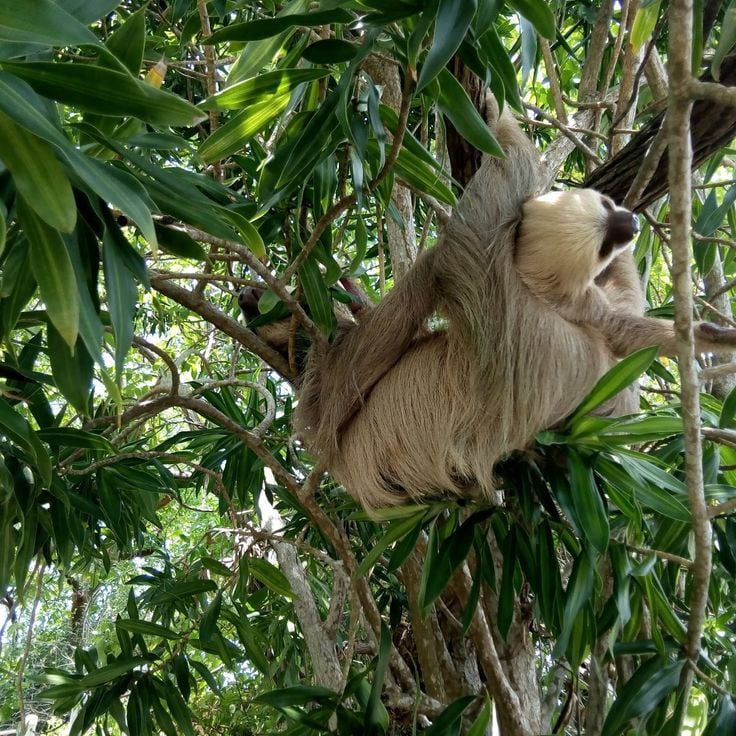
The Metropolitan National Park is a protected forest area in Panama City that complements the collection of historical sites and landmarks in the city. Visitors to the park can discover native plant species, walking paths, and local wildlife including sloths, monkeys, and numerous tropical birds near downtown. This forest provides a green refuge within the urban landscape.
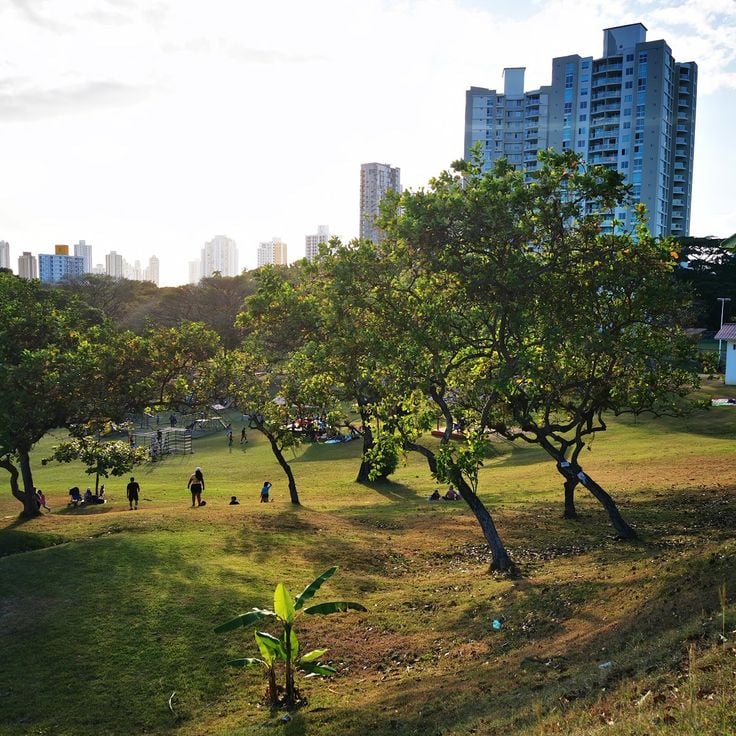
Omar Park is a municipal green space in Panama City that serves residents and visitors as a place for recreation and sports. The park features sports fields, exercise stations, and walking paths spread across a large area. An amphitheater and gardens provide spaces for gathering and relaxation. This park complements the historical sites throughout Panama City and demonstrates how the city balances its Spanish colonial heritage with modern urban amenities.
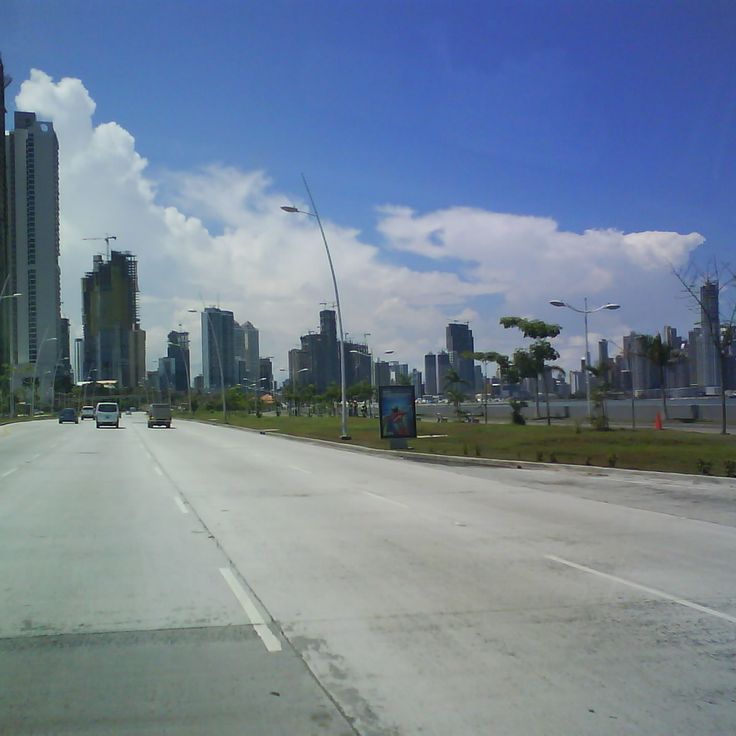
The Cinta Costera is a paved waterfront promenade along Panama Bay, winding through Panama City with landscaped gardens, sports facilities, and cycle paths. This waterfront boulevard shows how the city integrates recreation with its maritime heritage. Visitors walk here to exercise, enjoy the views across the bay, or simply spend time by the water. The promenade connects neighborhoods and offers a place where locals and travelers experience the city's relationship with the sea.
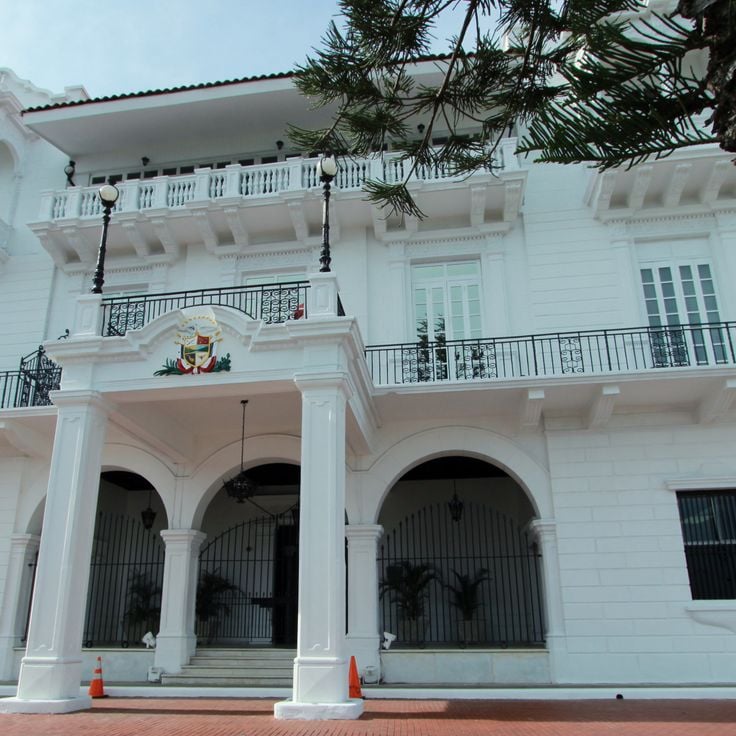
The Presidential Palace in this historical collection is a neoclassical government building at the heart of Casco Viejo. The structure displays historical architecture and official state rooms that reflect Panama's political history. As part of the city's range of historical sites, the palace sits alongside the ruins of Panama Viejo, the streets of the colonial quarter, and modern landmarks. Visitors can trace the city's development from Spanish colonial times to today.
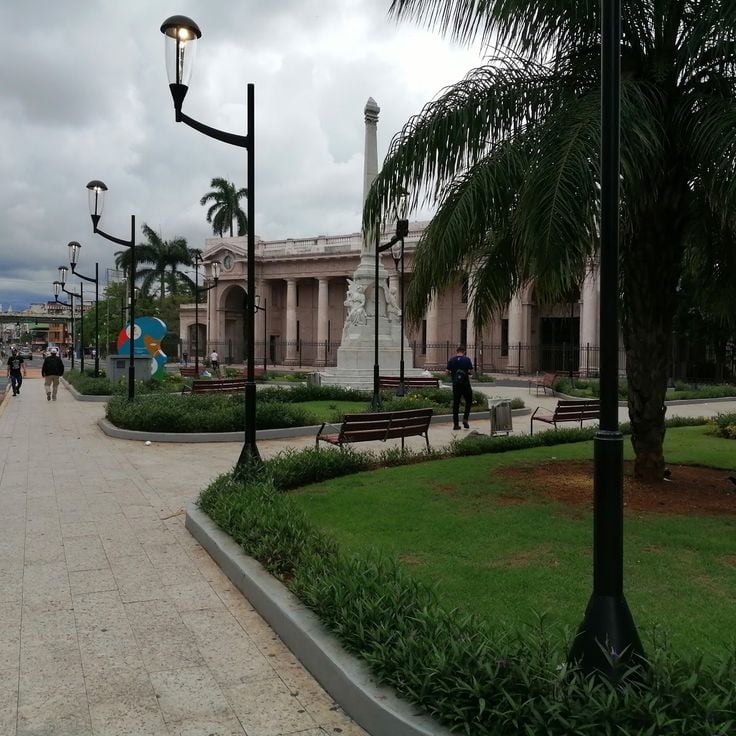
Plaza Cinco de Mayo is a public square marking the end of Avenida Central and sits within Panama City's mix of Spanish colonial heritage and contemporary urban development. The plaza brings together local vendors and traditional market stalls that reflect everyday commerce and community life. Visitors can explore this space as part of discovering the city's layered history, from 16th-century ruins at Panama Viejo to the historic streets of Casco Viejo, while experiencing how residents and traders use public spaces today.
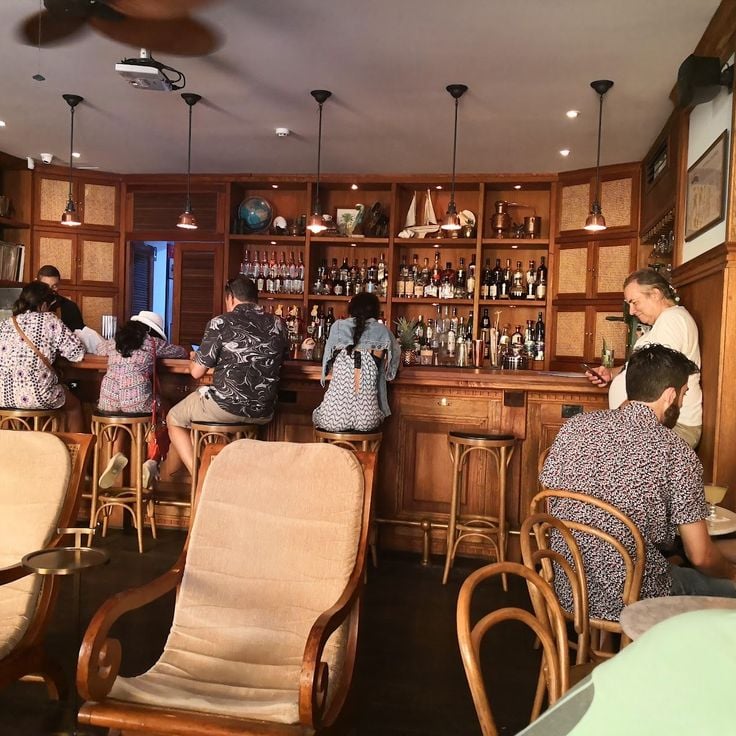
The Pedro Mandinga Rum Distillery is Panama's first craft rum distillery, located in the historic Casco Viejo neighborhood. It produces spirits from local sugar cane and represents the artisanal traditions that complement the city's Spanish colonial sites, modern architecture, and cultural venues that travelers can explore throughout Panama City.
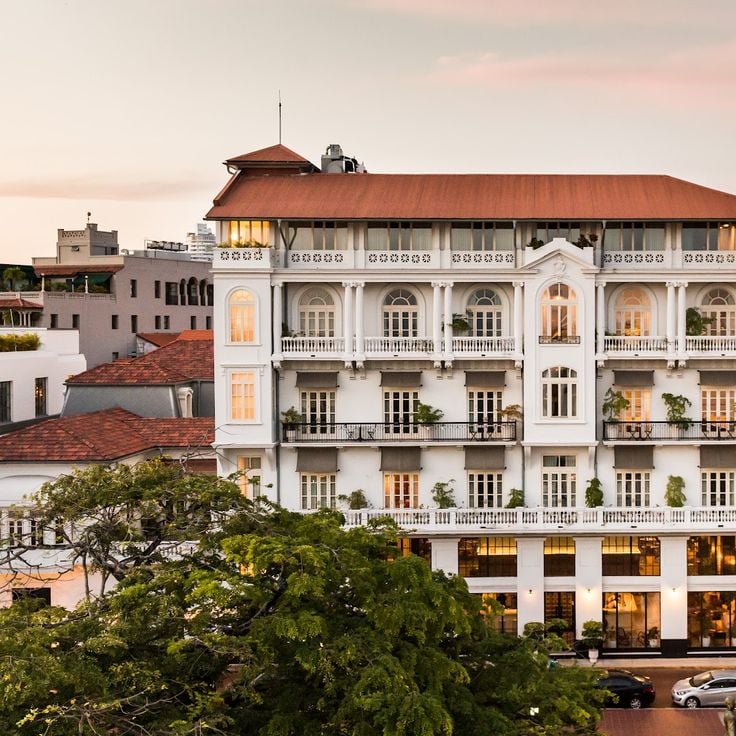
The American Trade Hotel preserves the history of the Casco Viejo neighborhood that visitors can explore in Panama City. The hotel displays original architectural elements and cultural artifacts that reflect the neighborhood's past, offering a place to experience the city's Spanish colonial architecture.
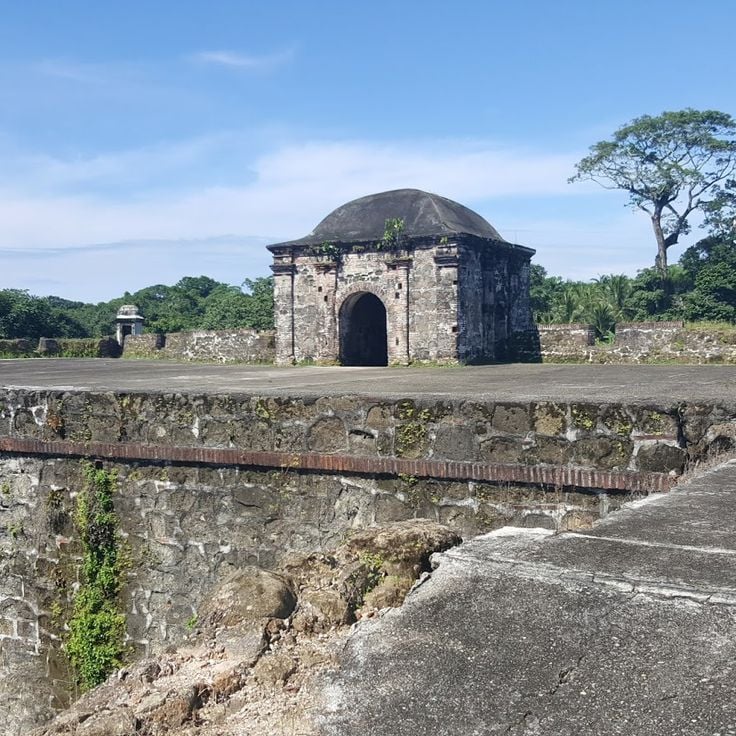
Fort San Lorenzo is a historical fortification from the Spanish colonial period located in Panama City. Built to defend the Chagres River route from pirate attacks, this fortress demonstrates the military architecture of Spanish rule. As part of Panama City's collection of historical sites, the fort reveals how colonial powers protected their interests in the region. The structure stands as a reminder of the strategic importance this area held during early trade routes.
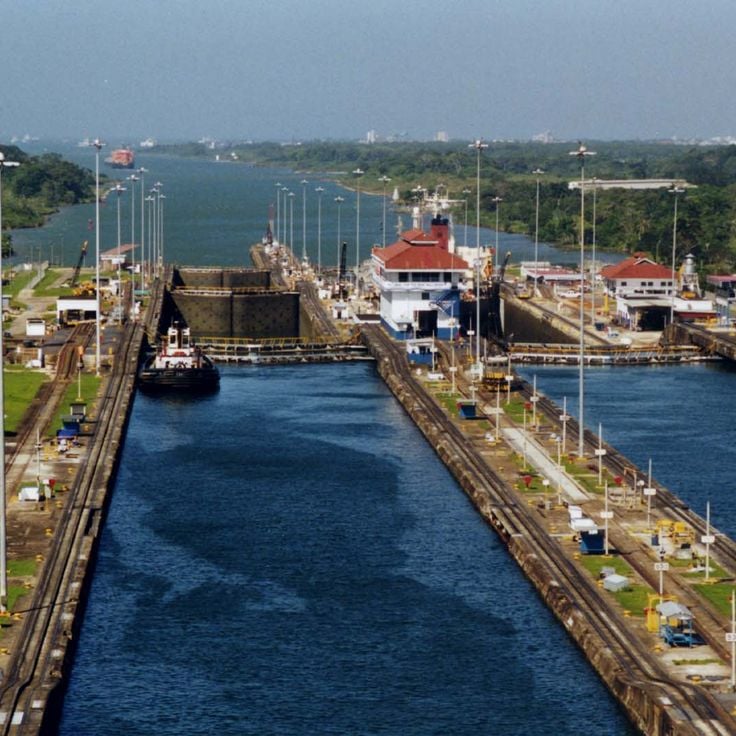
The Panama Canal Locks are engineering structures that allow vessels to travel between the Atlantic and Pacific Oceans. They are central to this collection of historical sites and modern landmarks in Panama City. From the viewing areas, travelers can watch large ships pass through the locks and observe how water levels are controlled. The locks represent the technical history of the city and its importance to global trade. Along with the 16th-century ruins at Panama Viejo and the historic streets of Casco Viejo, the locks stand among the most significant sights in the region.
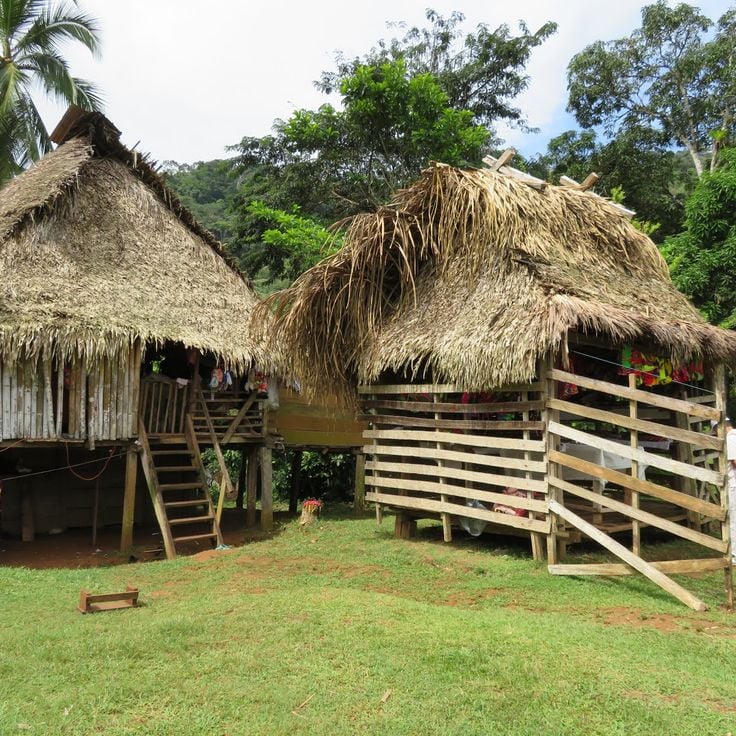
Embera Village is an indigenous community on the Chagres River that preserves the traditional customs and crafts of the Embera people. Within Panama City's collection of historical sites and landmarks, this village offers insight into the cultures that inhabited this region long before Spanish colonial architecture and modern development. The crafts and daily life of the Embera demonstrate a way of living that remains connected to the tropical forest environment.
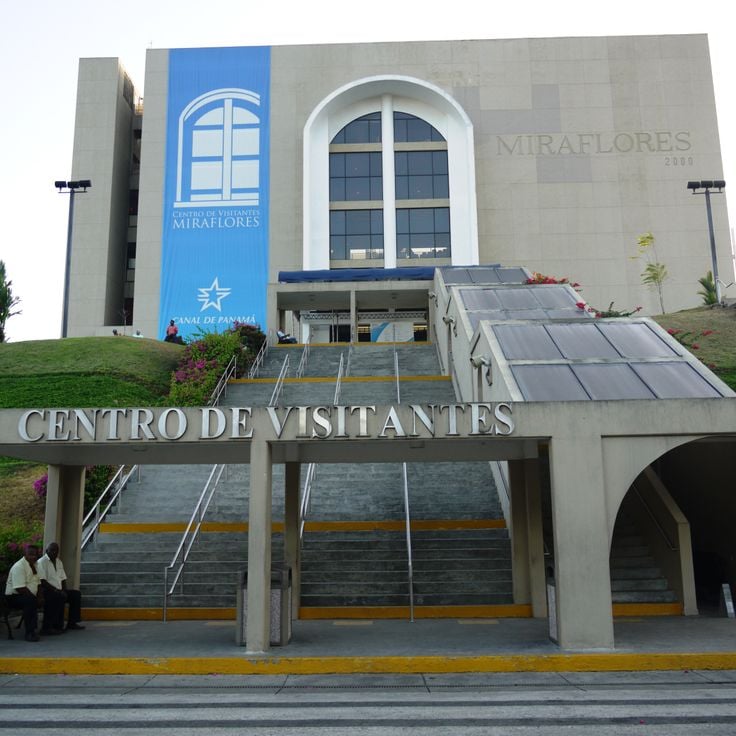
The Miraflores Visitor Center in Panama City sits directly overlooking the Panama Canal. It has observation decks and museum exhibits spread across four floors that explain how the canal operates. From here, visitors can watch ships pass through the locks while learning about this crucial waterway and the engineering that makes it function.
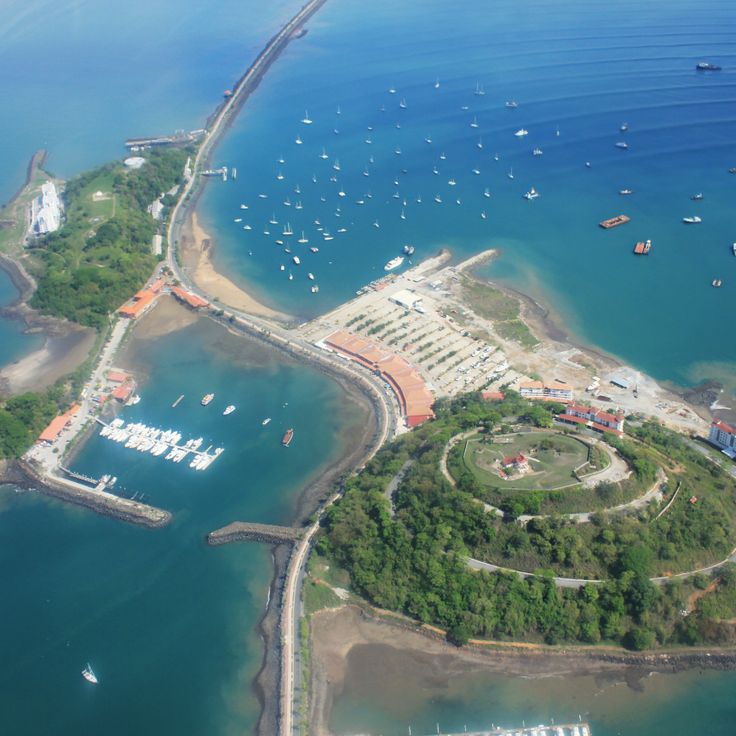
The Amador Causeway is a land bridge connecting four islands in Panama Bay and forms part of Panama City's collection of historical sites and landmarks. This causeway features walking paths, restaurants, and views of the city skyline. It offers visitors a way to experience the modern side of Panama City while exploring the bay, complementing the colonial ruins at Panama Viejo and the historic streets of Casco Viejo.
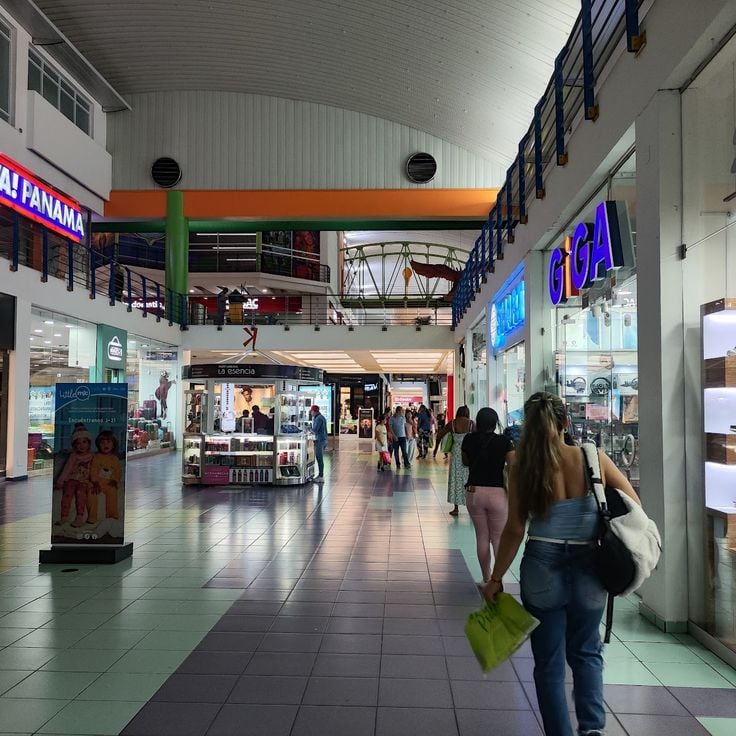
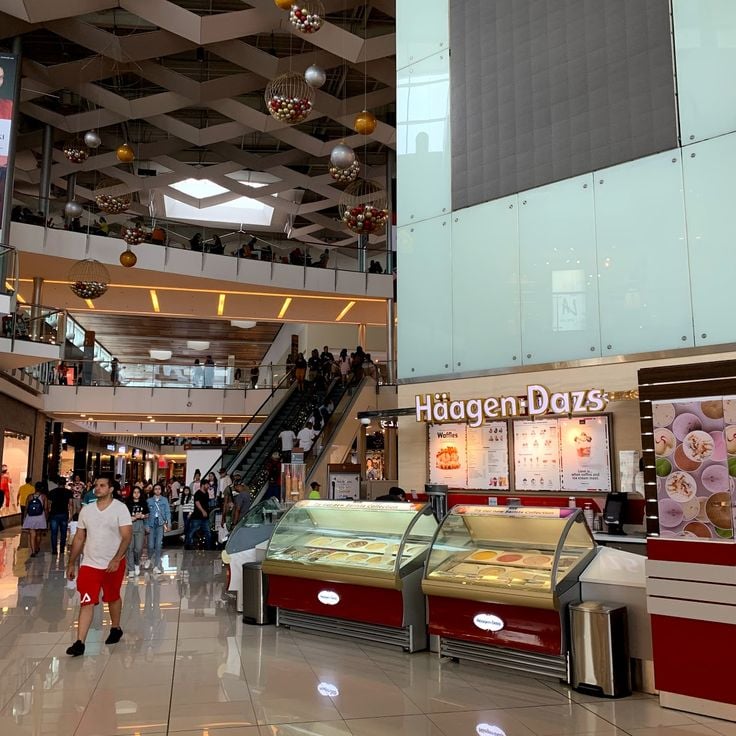
Albrook Mall is a large retail complex in Panama City that contributes to the collection of historical sites and landmarks throughout the city. The mall features international brand stores, diverse dining options, and indoor entertainment facilities. Located within a city that blends Spanish colonial architecture with modern urban design, Albrook Mall represents how Panama City integrates contemporary shopping destinations alongside its historical attractions and cultural venues.
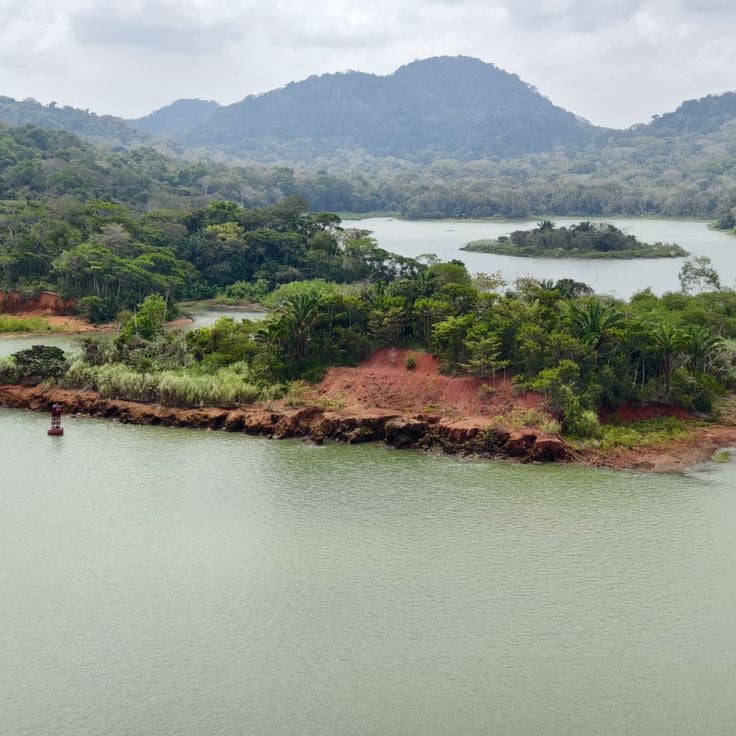
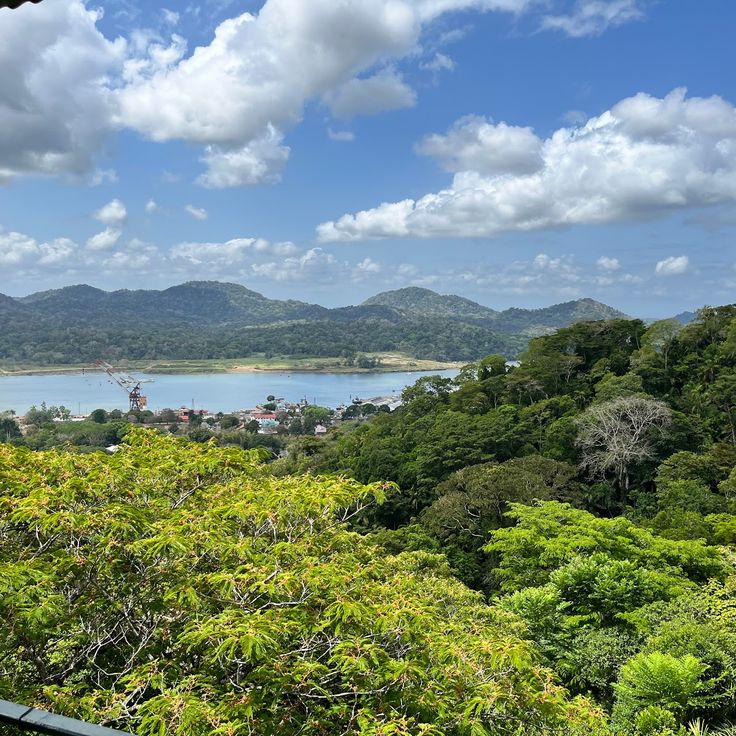
Gatun Lake is an artificial lake that forms part of the Panama Canal system, created by damming the Chagres River. It sits at the heart of this major waterway linking the Caribbean to the Pacific. The lake allows visitors to understand the engineering that makes the canal work while experiencing the tropical landscape that surrounds it. From its shores, travelers can watch ships pass through the lock chambers and observe the forest and wildlife that thrive around the water.
Multiplaza Pacific is a contemporary shopping center located in Panama City and represents the modern retail destinations found within the city. It complements the historical sites and cultural venues featured in this collection, offering international stores and restaurants that reflect everyday urban life in Panama City. The center demonstrates how contemporary commercial architecture coexists alongside the Spanish colonial buildings of Casco Viejo and the 16th-century ruins of Panama Viejo.
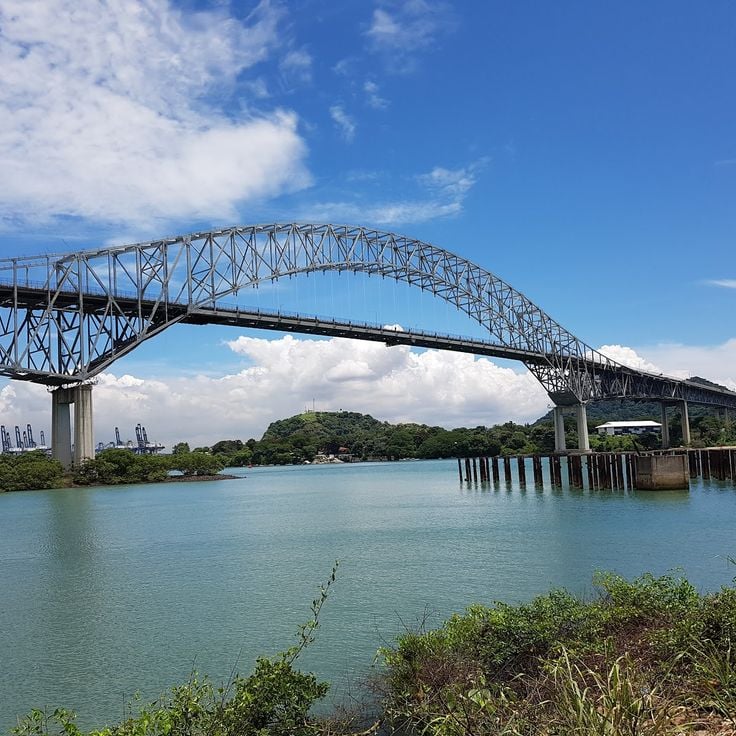
The Bridge of the Americas is a steel bridge that crosses the Pacific entrance of the Panama Canal, connecting the eastern and western parts of the country. It stands as a key transportation link in Panama City and reflects the technical infrastructure that has connected this historic city to the modern world. The bridge offers travelers a view of Panama's role as a transportation hub between two continents.
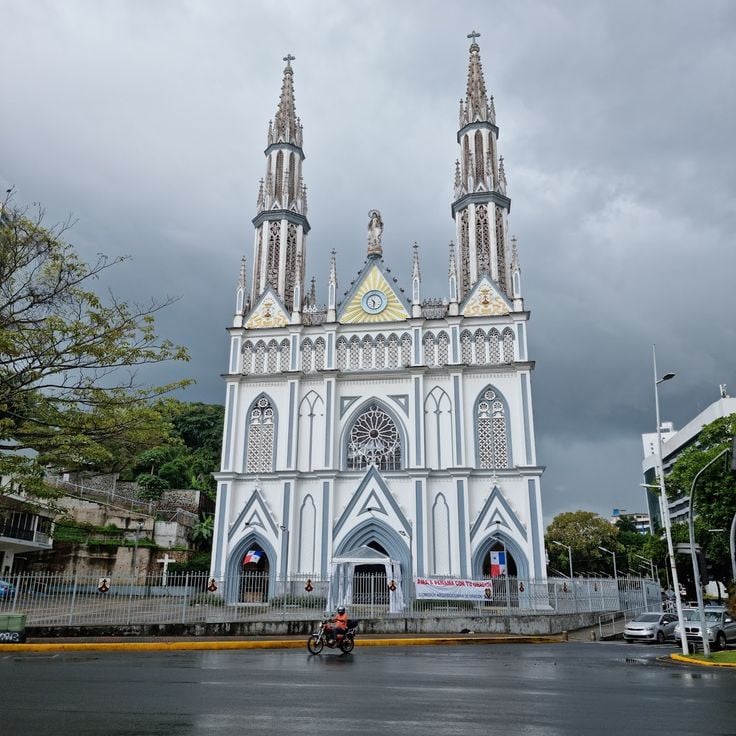
Iglesia del Carmen is a Catholic church in Panama City that stands among the city's historical sites and landmarks. The building displays Gothic architecture with two pointed spires rising above Via España street. The stone facade is decorated with intricate carvings and features stained glass windows. This church represents an important part of the city's religious and architectural heritage, complementing the Spanish colonial structures of Panama Viejo and the historic streets of Casco Viejo.
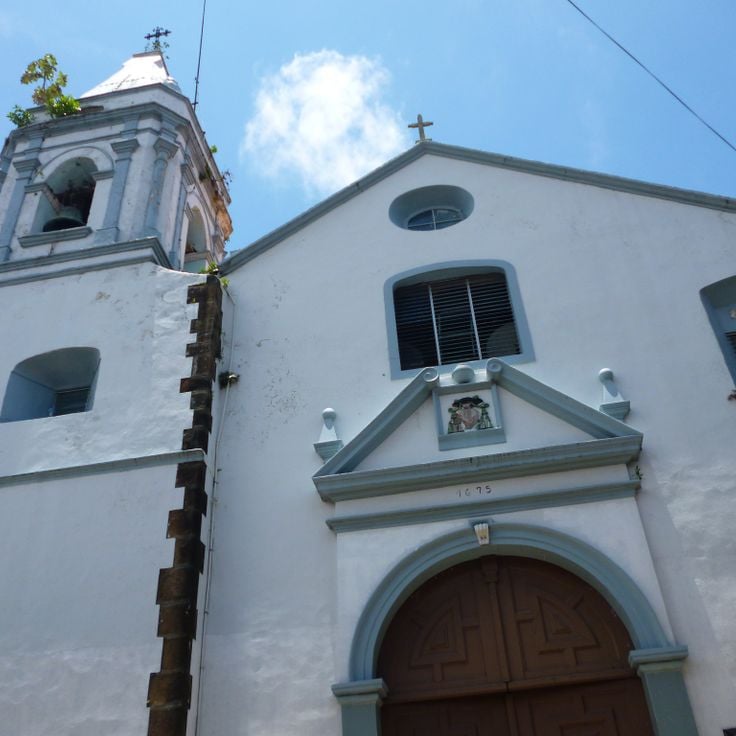
San Jose Church in Panama City is a Catholic temple built in 1673 and stands as a testament to the city's colonial past. The building showcases Spanish colonial design mixed with local architectural touches, and features a baroque altar decorated with gold leaf. The church sits among the historical sites that define Panama City, from the 16th-century ruins at Panama Viejo to the streets of Casco Viejo, offering visitors a chance to experience religious and architectural heritage.
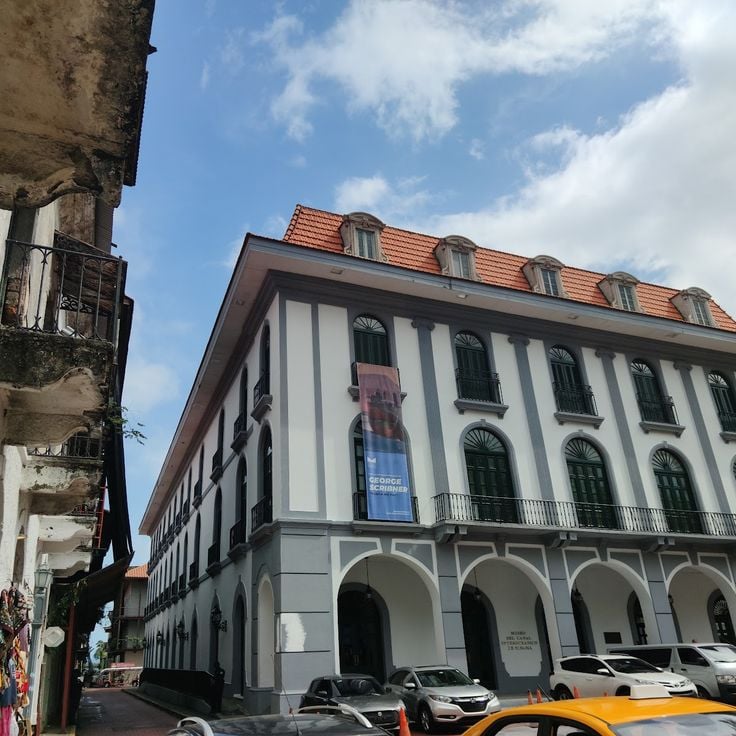
The Museo del Canal Interoceánico documents the history of the Panama Canal through exhibits and artifacts housed in a restored 19th-century building. Within Panama City, this museum contributes to understanding the city's colonial past and modern development, where Spanish colonial architecture stands alongside contemporary urban design.
Soberanía National Park is a protected area within Panama City where visitors can experience the natural side of the region. The park features hiking trails and paths that wind through former plantations, home to diverse tropical plants and animals. This site complements the city's historical attractions, offering a chance to explore lush forests while discovering the ecological richness that exists alongside Panama City's colonial architecture and modern landmarks. Walking through the park gives a sense of the tropical environment that surrounds the urban center.
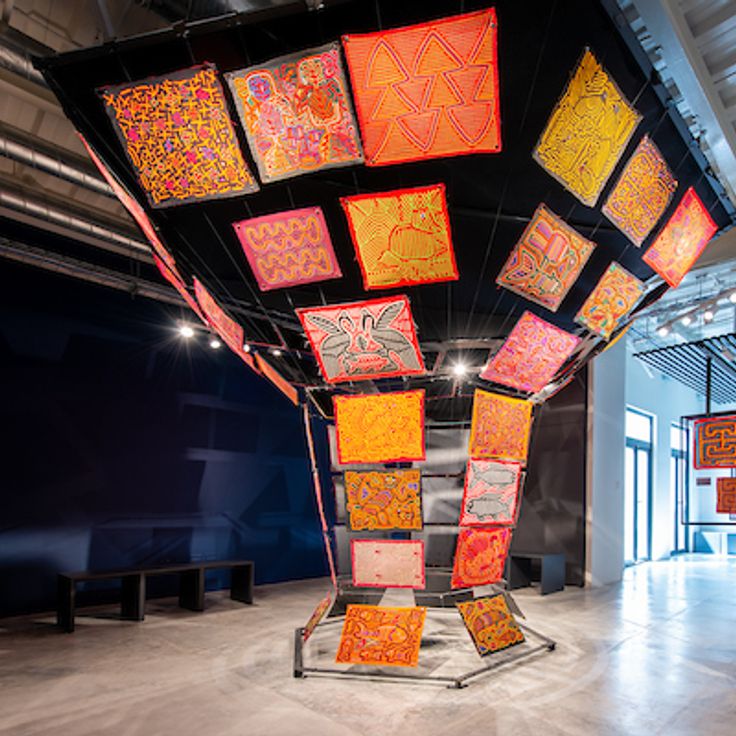
The Museo de la Mola is a museum in this collection of historical sites and landmarks in Panama City dedicated to Guna indigenous textiles. It displays historical garments, ceremonial pieces and cultural objects that document how this craft developed across generations.
Punta Culebra Nature Center is a marine exhibition center located on the Amador Peninsula in Panama City. It features aquatic displays and educational programs that teach about ocean life and ecosystems. The center fits into Panama City's mix of Spanish colonial buildings, contemporary architecture, and natural spaces. Visitors can explore this facility alongside other attractions, from the 16th-century ruins at Panama Viejo to the tropical forests at Metropolitan National Park.
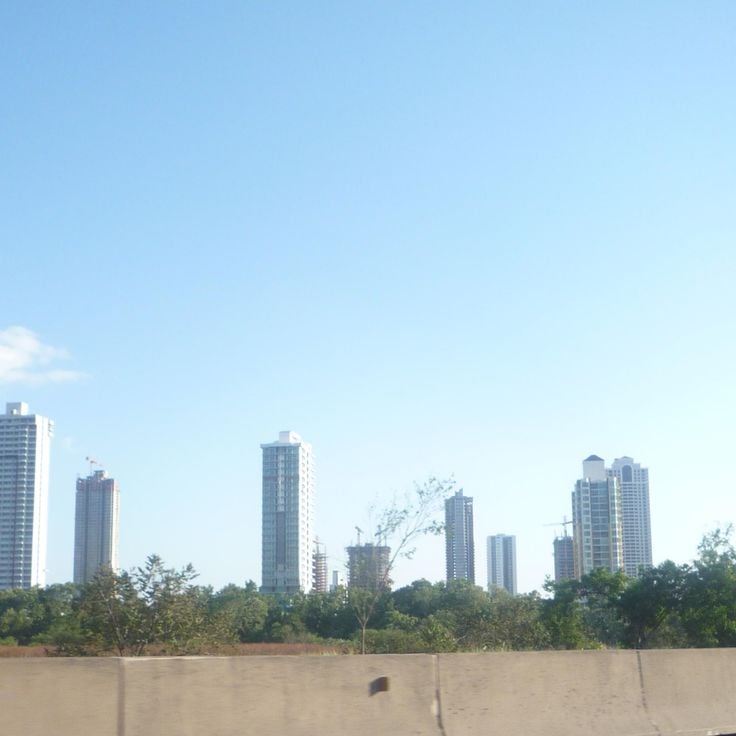
Costa del Este is a modern residential and commercial district in Panama City that represents the city's contemporary urban development. This neighborhood complements the historical sites featured in this collection, with its waterfront developments and infrastructure. While Panama Viejo and Casco Viejo showcase colonial streets and Spanish architecture, Costa del Este displays the modern face of the city through contemporary buildings and planned communities. The district offers contrast to older neighborhoods and shows how Panama City has grown and evolved in recent decades.
Gamboa Rainforest is a natural forest area along the Panama Canal that contains tropical vegetation and wildlife. This place provides a different experience from the 16th-century ruins at Panama Viejo and the historic streets of Casco Viejo, allowing visitors to explore the living landscape that surrounds the city. The forest includes research facilities and offers a chance to see the biodiversity that makes this region special.
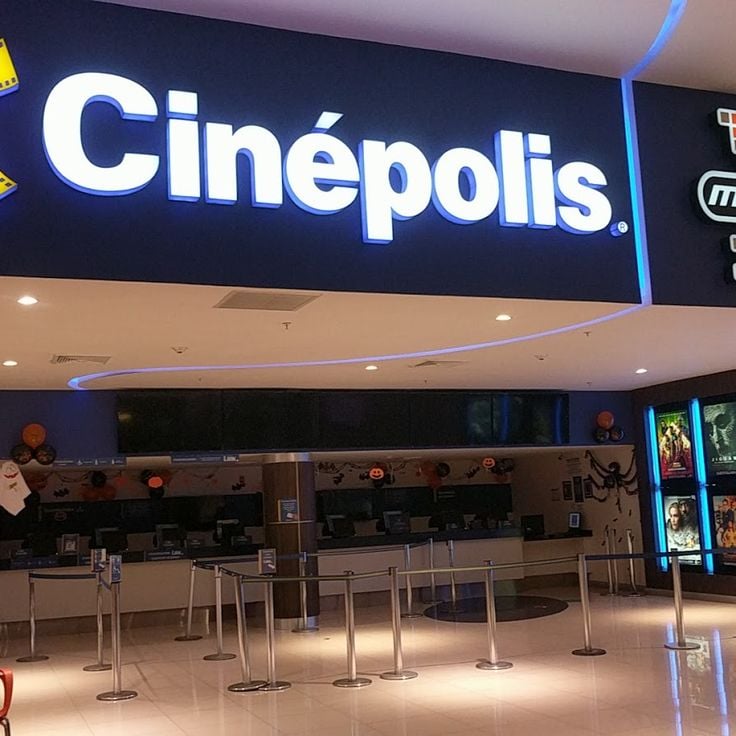
Cinépolis is a cinema complex in downtown Panama City offering digital projection and stadium seating across multiple screens. Located within a commercial center, this venue provides a modern movie-watching experience with food and beverage options. It serves as a contemporary leisure destination in the city's urban landscape.
The San Felipe District is the historical colonial center of Panama City, established in 1673. This neighborhood showcases Spanish colonial architecture through its stone streets and period buildings. The Presidential Palace sits near the Pacific Ocean. The San Felipe District represents a key part of Panama City, where colonial history meets contemporary urban life, offering visitors a chance to walk through centuries-old streets and experience the foundations of the city's architectural heritage.
Panama Viejo is the archaeological site of one of the earliest European settlements on the Pacific coast of the Americas. Stone ruins and foundations from 1519 show how the first residents lived in this location. The site connects to Panama's history from Spanish colonial times to the modern city. Visitors can walk through the remains and explore the origins of this region.
Casco Viejo is a historic district dating to the 17th century that stands as a centerpiece within this collection of historical sites and landmarks in Panama City. This district showcases Spanish colonial architecture through its characteristic buildings, churches, and plazas, recognized by UNESCO as a World Heritage site. The narrow streets invite visitors to walk and experience the rhythm of colonial times. Casco Viejo represents the historical heart of the city and complements other sites such as the ruins of Panama Viejo and the Biodiversity Museum.
The cathedral is the most important religious building in Casco Viejo and shows Panama City's long history. It was built between 1688 and 1796 and stands in a central plaza of the old town. Its two side towers and mother-of-pearl decorated spires are visible from far away. The building combines Spanish colonial architecture with local materials and craftsmanship from that period. The cathedral is part of the historic ensemble of Casco Viejo, which together with the ruins of Panama Viejo and the forests of Metropolitan National Park displays the different sides of Panama City.
The Fish Market is a two-story concrete building on Balboa Avenue where local fishermen sell fresh catches daily. This market is one of Panama City's working commercial spaces that reveals the city's connection to the sea. Restaurants inside serve ceviche and seafood dishes that visitors can enjoy on site. The space shows everyday rhythms of the city and its food traditions.
The Biomuseo is a contemporary museum in Panama City that fits into the collection of historical sites and landmarks throughout the city. Its exterior features colorful panels and the interior houses interactive exhibits on Panama's natural history along with scientific displays. Located on the Amador Causeway, this museum adds a modern perspective to the city's mix of colonial heritage and urban development.
This hill in Panama City offers visitors a natural vantage point to understand the city and its surroundings. Ancon Hill features hiking trails through forest vegetation and provides views of Panama City, the Panama Canal, and the Bay of Panama. From its heights, you can see how the city's historical sites and modern development relate to the landscape and waterways that define the region.
The Metropolitan National Park is a protected forest area in Panama City that complements the collection of historical sites and landmarks in the city. Visitors to the park can discover native plant species, walking paths, and local wildlife including sloths, monkeys, and numerous tropical birds near downtown. This forest provides a green refuge within the urban landscape.
Omar Park is a municipal green space in Panama City that serves residents and visitors as a place for recreation and sports. The park features sports fields, exercise stations, and walking paths spread across a large area. An amphitheater and gardens provide spaces for gathering and relaxation. This park complements the historical sites throughout Panama City and demonstrates how the city balances its Spanish colonial heritage with modern urban amenities.
The Cinta Costera is a paved waterfront promenade along Panama Bay, winding through Panama City with landscaped gardens, sports facilities, and cycle paths. This waterfront boulevard shows how the city integrates recreation with its maritime heritage. Visitors walk here to exercise, enjoy the views across the bay, or simply spend time by the water. The promenade connects neighborhoods and offers a place where locals and travelers experience the city's relationship with the sea.
The Presidential Palace in this historical collection is a neoclassical government building at the heart of Casco Viejo. The structure displays historical architecture and official state rooms that reflect Panama's political history. As part of the city's range of historical sites, the palace sits alongside the ruins of Panama Viejo, the streets of the colonial quarter, and modern landmarks. Visitors can trace the city's development from Spanish colonial times to today.
Plaza Cinco de Mayo is a public square marking the end of Avenida Central and sits within Panama City's mix of Spanish colonial heritage and contemporary urban development. The plaza brings together local vendors and traditional market stalls that reflect everyday commerce and community life. Visitors can explore this space as part of discovering the city's layered history, from 16th-century ruins at Panama Viejo to the historic streets of Casco Viejo, while experiencing how residents and traders use public spaces today.
The Pedro Mandinga Rum Distillery is Panama's first craft rum distillery, located in the historic Casco Viejo neighborhood. It produces spirits from local sugar cane and represents the artisanal traditions that complement the city's Spanish colonial sites, modern architecture, and cultural venues that travelers can explore throughout Panama City.
The American Trade Hotel preserves the history of the Casco Viejo neighborhood that visitors can explore in Panama City. The hotel displays original architectural elements and cultural artifacts that reflect the neighborhood's past, offering a place to experience the city's Spanish colonial architecture.
Fort San Lorenzo is a historical fortification from the Spanish colonial period located in Panama City. Built to defend the Chagres River route from pirate attacks, this fortress demonstrates the military architecture of Spanish rule. As part of Panama City's collection of historical sites, the fort reveals how colonial powers protected their interests in the region. The structure stands as a reminder of the strategic importance this area held during early trade routes.
The Panama Canal Locks are engineering structures that allow vessels to travel between the Atlantic and Pacific Oceans. They are central to this collection of historical sites and modern landmarks in Panama City. From the viewing areas, travelers can watch large ships pass through the locks and observe how water levels are controlled. The locks represent the technical history of the city and its importance to global trade. Along with the 16th-century ruins at Panama Viejo and the historic streets of Casco Viejo, the locks stand among the most significant sights in the region.
Embera Village is an indigenous community on the Chagres River that preserves the traditional customs and crafts of the Embera people. Within Panama City's collection of historical sites and landmarks, this village offers insight into the cultures that inhabited this region long before Spanish colonial architecture and modern development. The crafts and daily life of the Embera demonstrate a way of living that remains connected to the tropical forest environment.
The Miraflores Visitor Center in Panama City sits directly overlooking the Panama Canal. It has observation decks and museum exhibits spread across four floors that explain how the canal operates. From here, visitors can watch ships pass through the locks while learning about this crucial waterway and the engineering that makes it function.
The Amador Causeway is a land bridge connecting four islands in Panama Bay and forms part of Panama City's collection of historical sites and landmarks. This causeway features walking paths, restaurants, and views of the city skyline. It offers visitors a way to experience the modern side of Panama City while exploring the bay, complementing the colonial ruins at Panama Viejo and the historic streets of Casco Viejo.
Albrook Mall is a large retail complex in Panama City that contributes to the collection of historical sites and landmarks throughout the city. The mall features international brand stores, diverse dining options, and indoor entertainment facilities. Located within a city that blends Spanish colonial architecture with modern urban design, Albrook Mall represents how Panama City integrates contemporary shopping destinations alongside its historical attractions and cultural venues.
Gatun Lake is an artificial lake that forms part of the Panama Canal system, created by damming the Chagres River. It sits at the heart of this major waterway linking the Caribbean to the Pacific. The lake allows visitors to understand the engineering that makes the canal work while experiencing the tropical landscape that surrounds it. From its shores, travelers can watch ships pass through the lock chambers and observe the forest and wildlife that thrive around the water.
Multiplaza Pacific is a contemporary shopping center located in Panama City and represents the modern retail destinations found within the city. It complements the historical sites and cultural venues featured in this collection, offering international stores and restaurants that reflect everyday urban life in Panama City. The center demonstrates how contemporary commercial architecture coexists alongside the Spanish colonial buildings of Casco Viejo and the 16th-century ruins of Panama Viejo.
The Bridge of the Americas is a steel bridge that crosses the Pacific entrance of the Panama Canal, connecting the eastern and western parts of the country. It stands as a key transportation link in Panama City and reflects the technical infrastructure that has connected this historic city to the modern world. The bridge offers travelers a view of Panama's role as a transportation hub between two continents.
Iglesia del Carmen is a Catholic church in Panama City that stands among the city's historical sites and landmarks. The building displays Gothic architecture with two pointed spires rising above Via España street. The stone facade is decorated with intricate carvings and features stained glass windows. This church represents an important part of the city's religious and architectural heritage, complementing the Spanish colonial structures of Panama Viejo and the historic streets of Casco Viejo.
San Jose Church in Panama City is a Catholic temple built in 1673 and stands as a testament to the city's colonial past. The building showcases Spanish colonial design mixed with local architectural touches, and features a baroque altar decorated with gold leaf. The church sits among the historical sites that define Panama City, from the 16th-century ruins at Panama Viejo to the streets of Casco Viejo, offering visitors a chance to experience religious and architectural heritage.
The Museo del Canal Interoceánico documents the history of the Panama Canal through exhibits and artifacts housed in a restored 19th-century building. Within Panama City, this museum contributes to understanding the city's colonial past and modern development, where Spanish colonial architecture stands alongside contemporary urban design.
Soberanía National Park is a protected area within Panama City where visitors can experience the natural side of the region. The park features hiking trails and paths that wind through former plantations, home to diverse tropical plants and animals. This site complements the city's historical attractions, offering a chance to explore lush forests while discovering the ecological richness that exists alongside Panama City's colonial architecture and modern landmarks. Walking through the park gives a sense of the tropical environment that surrounds the urban center.
The Museo de la Mola is a museum in this collection of historical sites and landmarks in Panama City dedicated to Guna indigenous textiles. It displays historical garments, ceremonial pieces and cultural objects that document how this craft developed across generations.
Punta Culebra Nature Center is a marine exhibition center located on the Amador Peninsula in Panama City. It features aquatic displays and educational programs that teach about ocean life and ecosystems. The center fits into Panama City's mix of Spanish colonial buildings, contemporary architecture, and natural spaces. Visitors can explore this facility alongside other attractions, from the 16th-century ruins at Panama Viejo to the tropical forests at Metropolitan National Park.
Costa del Este is a modern residential and commercial district in Panama City that represents the city's contemporary urban development. This neighborhood complements the historical sites featured in this collection, with its waterfront developments and infrastructure. While Panama Viejo and Casco Viejo showcase colonial streets and Spanish architecture, Costa del Este displays the modern face of the city through contemporary buildings and planned communities. The district offers contrast to older neighborhoods and shows how Panama City has grown and evolved in recent decades.
Gamboa Rainforest is a natural forest area along the Panama Canal that contains tropical vegetation and wildlife. This place provides a different experience from the 16th-century ruins at Panama Viejo and the historic streets of Casco Viejo, allowing visitors to explore the living landscape that surrounds the city. The forest includes research facilities and offers a chance to see the biodiversity that makes this region special.
Cinépolis is a cinema complex in downtown Panama City offering digital projection and stadium seating across multiple screens. Located within a commercial center, this venue provides a modern movie-watching experience with food and beverage options. It serves as a contemporary leisure destination in the city's urban landscape.
The San Felipe District is the historical colonial center of Panama City, established in 1673. This neighborhood showcases Spanish colonial architecture through its stone streets and period buildings. The Presidential Palace sits near the Pacific Ocean. The San Felipe District represents a key part of Panama City, where colonial history meets contemporary urban life, offering visitors a chance to walk through centuries-old streets and experience the foundations of the city's architectural heritage.
Panama Viejo is the archaeological site of one of the earliest European settlements on the Pacific coast of the Americas. Stone ruins and foundations from 1519 show how the first residents lived in this location. The site connects to Panama's history from Spanish colonial times to the modern city. Visitors can walk through the remains and explore the origins of this region.
Casco Viejo is a historic district dating to the 17th century that stands as a centerpiece within this collection of historical sites and landmarks in Panama City. This district showcases Spanish colonial architecture through its characteristic buildings, churches, and plazas, recognized by UNESCO as a World Heritage site. The narrow streets invite visitors to walk and experience the rhythm of colonial times. Casco Viejo represents the historical heart of the city and complements other sites such as the ruins of Panama Viejo and the Biodiversity Museum.
The cathedral is the most important religious building in Casco Viejo and shows Panama City's long history. It was built between 1688 and 1796 and stands in a central plaza of the old town. Its two side towers and mother-of-pearl decorated spires are visible from far away. The building combines Spanish colonial architecture with local materials and craftsmanship from that period. The cathedral is part of the historic ensemble of Casco Viejo, which together with the ruins of Panama Viejo and the forests of Metropolitan National Park displays the different sides of Panama City.
The Fish Market is a two-story concrete building on Balboa Avenue where local fishermen sell fresh catches daily. This market is one of Panama City's working commercial spaces that reveals the city's connection to the sea. Restaurants inside serve ceviche and seafood dishes that visitors can enjoy on site. The space shows everyday rhythms of the city and its food traditions.
The Biomuseo is a contemporary museum in Panama City that fits into the collection of historical sites and landmarks throughout the city. Its exterior features colorful panels and the interior houses interactive exhibits on Panama's natural history along with scientific displays. Located on the Amador Causeway, this museum adds a modern perspective to the city's mix of colonial heritage and urban development.
This hill in Panama City offers visitors a natural vantage point to understand the city and its surroundings. Ancon Hill features hiking trails through forest vegetation and provides views of Panama City, the Panama Canal, and the Bay of Panama. From its heights, you can see how the city's historical sites and modern development relate to the landscape and waterways that define the region.
The Metropolitan National Park is a protected forest area in Panama City that complements the collection of historical sites and landmarks in the city. Visitors to the park can discover native plant species, walking paths, and local wildlife including sloths, monkeys, and numerous tropical birds near downtown. This forest provides a green refuge within the urban landscape.
Omar Park is a municipal green space in Panama City that serves residents and visitors as a place for recreation and sports. The park features sports fields, exercise stations, and walking paths spread across a large area. An amphitheater and gardens provide spaces for gathering and relaxation. This park complements the historical sites throughout Panama City and demonstrates how the city balances its Spanish colonial heritage with modern urban amenities.
The Cinta Costera is a paved waterfront promenade along Panama Bay, winding through Panama City with landscaped gardens, sports facilities, and cycle paths. This waterfront boulevard shows how the city integrates recreation with its maritime heritage. Visitors walk here to exercise, enjoy the views across the bay, or simply spend time by the water. The promenade connects neighborhoods and offers a place where locals and travelers experience the city's relationship with the sea.
The Presidential Palace in this historical collection is a neoclassical government building at the heart of Casco Viejo. The structure displays historical architecture and official state rooms that reflect Panama's political history. As part of the city's range of historical sites, the palace sits alongside the ruins of Panama Viejo, the streets of the colonial quarter, and modern landmarks. Visitors can trace the city's development from Spanish colonial times to today.
Plaza Cinco de Mayo is a public square marking the end of Avenida Central and sits within Panama City's mix of Spanish colonial heritage and contemporary urban development. The plaza brings together local vendors and traditional market stalls that reflect everyday commerce and community life. Visitors can explore this space as part of discovering the city's layered history, from 16th-century ruins at Panama Viejo to the historic streets of Casco Viejo, while experiencing how residents and traders use public spaces today.
The Pedro Mandinga Rum Distillery is Panama's first craft rum distillery, located in the historic Casco Viejo neighborhood. It produces spirits from local sugar cane and represents the artisanal traditions that complement the city's Spanish colonial sites, modern architecture, and cultural venues that travelers can explore throughout Panama City.
The American Trade Hotel preserves the history of the Casco Viejo neighborhood that visitors can explore in Panama City. The hotel displays original architectural elements and cultural artifacts that reflect the neighborhood's past, offering a place to experience the city's Spanish colonial architecture.
Fort San Lorenzo is a historical fortification from the Spanish colonial period located in Panama City. Built to defend the Chagres River route from pirate attacks, this fortress demonstrates the military architecture of Spanish rule. As part of Panama City's collection of historical sites, the fort reveals how colonial powers protected their interests in the region. The structure stands as a reminder of the strategic importance this area held during early trade routes.
The Panama Canal Locks are engineering structures that allow vessels to travel between the Atlantic and Pacific Oceans. They are central to this collection of historical sites and modern landmarks in Panama City. From the viewing areas, travelers can watch large ships pass through the locks and observe how water levels are controlled. The locks represent the technical history of the city and its importance to global trade. Along with the 16th-century ruins at Panama Viejo and the historic streets of Casco Viejo, the locks stand among the most significant sights in the region.
Embera Village is an indigenous community on the Chagres River that preserves the traditional customs and crafts of the Embera people. Within Panama City's collection of historical sites and landmarks, this village offers insight into the cultures that inhabited this region long before Spanish colonial architecture and modern development. The crafts and daily life of the Embera demonstrate a way of living that remains connected to the tropical forest environment.
The Miraflores Visitor Center in Panama City sits directly overlooking the Panama Canal. It has observation decks and museum exhibits spread across four floors that explain how the canal operates. From here, visitors can watch ships pass through the locks while learning about this crucial waterway and the engineering that makes it function.
The Amador Causeway is a land bridge connecting four islands in Panama Bay and forms part of Panama City's collection of historical sites and landmarks. This causeway features walking paths, restaurants, and views of the city skyline. It offers visitors a way to experience the modern side of Panama City while exploring the bay, complementing the colonial ruins at Panama Viejo and the historic streets of Casco Viejo.
Albrook Mall is a large retail complex in Panama City that contributes to the collection of historical sites and landmarks throughout the city. The mall features international brand stores, diverse dining options, and indoor entertainment facilities. Located within a city that blends Spanish colonial architecture with modern urban design, Albrook Mall represents how Panama City integrates contemporary shopping destinations alongside its historical attractions and cultural venues.
Gatun Lake is an artificial lake that forms part of the Panama Canal system, created by damming the Chagres River. It sits at the heart of this major waterway linking the Caribbean to the Pacific. The lake allows visitors to understand the engineering that makes the canal work while experiencing the tropical landscape that surrounds it. From its shores, travelers can watch ships pass through the lock chambers and observe the forest and wildlife that thrive around the water.
Multiplaza Pacific is a contemporary shopping center located in Panama City and represents the modern retail destinations found within the city. It complements the historical sites and cultural venues featured in this collection, offering international stores and restaurants that reflect everyday urban life in Panama City. The center demonstrates how contemporary commercial architecture coexists alongside the Spanish colonial buildings of Casco Viejo and the 16th-century ruins of Panama Viejo.
The Bridge of the Americas is a steel bridge that crosses the Pacific entrance of the Panama Canal, connecting the eastern and western parts of the country. It stands as a key transportation link in Panama City and reflects the technical infrastructure that has connected this historic city to the modern world. The bridge offers travelers a view of Panama's role as a transportation hub between two continents.
Iglesia del Carmen is a Catholic church in Panama City that stands among the city's historical sites and landmarks. The building displays Gothic architecture with two pointed spires rising above Via España street. The stone facade is decorated with intricate carvings and features stained glass windows. This church represents an important part of the city's religious and architectural heritage, complementing the Spanish colonial structures of Panama Viejo and the historic streets of Casco Viejo.
San Jose Church in Panama City is a Catholic temple built in 1673 and stands as a testament to the city's colonial past. The building showcases Spanish colonial design mixed with local architectural touches, and features a baroque altar decorated with gold leaf. The church sits among the historical sites that define Panama City, from the 16th-century ruins at Panama Viejo to the streets of Casco Viejo, offering visitors a chance to experience religious and architectural heritage.
The Museo del Canal Interoceánico documents the history of the Panama Canal through exhibits and artifacts housed in a restored 19th-century building. Within Panama City, this museum contributes to understanding the city's colonial past and modern development, where Spanish colonial architecture stands alongside contemporary urban design.
Soberanía National Park is a protected area within Panama City where visitors can experience the natural side of the region. The park features hiking trails and paths that wind through former plantations, home to diverse tropical plants and animals. This site complements the city's historical attractions, offering a chance to explore lush forests while discovering the ecological richness that exists alongside Panama City's colonial architecture and modern landmarks. Walking through the park gives a sense of the tropical environment that surrounds the urban center.
The Museo de la Mola is a museum in this collection of historical sites and landmarks in Panama City dedicated to Guna indigenous textiles. It displays historical garments, ceremonial pieces and cultural objects that document how this craft developed across generations.
Punta Culebra Nature Center is a marine exhibition center located on the Amador Peninsula in Panama City. It features aquatic displays and educational programs that teach about ocean life and ecosystems. The center fits into Panama City's mix of Spanish colonial buildings, contemporary architecture, and natural spaces. Visitors can explore this facility alongside other attractions, from the 16th-century ruins at Panama Viejo to the tropical forests at Metropolitan National Park.
Costa del Este is a modern residential and commercial district in Panama City that represents the city's contemporary urban development. This neighborhood complements the historical sites featured in this collection, with its waterfront developments and infrastructure. While Panama Viejo and Casco Viejo showcase colonial streets and Spanish architecture, Costa del Este displays the modern face of the city through contemporary buildings and planned communities. The district offers contrast to older neighborhoods and shows how Panama City has grown and evolved in recent decades.
Gamboa Rainforest is a natural forest area along the Panama Canal that contains tropical vegetation and wildlife. This place provides a different experience from the 16th-century ruins at Panama Viejo and the historic streets of Casco Viejo, allowing visitors to explore the living landscape that surrounds the city. The forest includes research facilities and offers a chance to see the biodiversity that makes this region special.
Cinépolis is a cinema complex in downtown Panama City offering digital projection and stadium seating across multiple screens. Located within a commercial center, this venue provides a modern movie-watching experience with food and beverage options. It serves as a contemporary leisure destination in the city's urban landscape.
The San Felipe District is the historical colonial center of Panama City, established in 1673. This neighborhood showcases Spanish colonial architecture through its stone streets and period buildings. The Presidential Palace sits near the Pacific Ocean. The San Felipe District represents a key part of Panama City, where colonial history meets contemporary urban life, offering visitors a chance to walk through centuries-old streets and experience the foundations of the city's architectural heritage.