See the monuments around you in AROpen chests in the app
Around Us is built for your phone — point your camera at the streets and discover the monuments and places around you in augmented reality.Around Us is built for your phone — chests unlock when you walk, explore and capture nearby places.
Panama offers much more than its famous canal. The places in this collection show the country's range and variety. In the west, mountain landscapes and volcanoes rise above the land. Volcan Baru offers views of both oceans on clear days. Along the coasts, islands sit with tropical beaches and coral reefs, including the San Blas Islands with their turquoise waters. In the east, green national parks feature rivers, waterfalls, and thick forest.
Panama's past lives on in several locations. Portobelo and San Lorenzo were once major ports during the Spanish colonial period, and their ruins still tell that story. On islands like Coiba and Barro Colorado, visitors can find rare animals and plants. On mountain trails and in protected areas, quetzals and other bird species live hidden in the canopy.
Each region has its own character. Towns like Santa Catalina draw surfers. Small islands offer quiet and solitude. Trails lead through cloud forests and to hidden waterfalls. The selection ranges from empty beaches to sites rooted in history.
Panama offers much more than its famous canal. The places in this collection show the country's range and variety. In the west, mountain landscapes and volcanoes rise above the land. Volcan Baru offers views of both oceans on clear days. Along the coasts, islands sit with tropical beaches and coral reefs, including the San Blas Islands with their turquoise waters. In the east, green national parks feature rivers, waterfalls, and thick forest.
Panama's past lives on in several locations. Portobelo and San Lorenzo were once major ports during the Spanish colonial period, and their ruins still tell that story. On islands like Coiba and Barro Colorado, visitors can find rare animals and plants. On mountain trails and in protected areas, quetzals and other bird species live hidden in the canopy.
Each region has its own character. Towns like Santa Catalina draw surfers. Small islands offer quiet and solitude. Trails lead through cloud forests and to hidden waterfalls. The selection ranges from empty beaches to sites rooted in history.
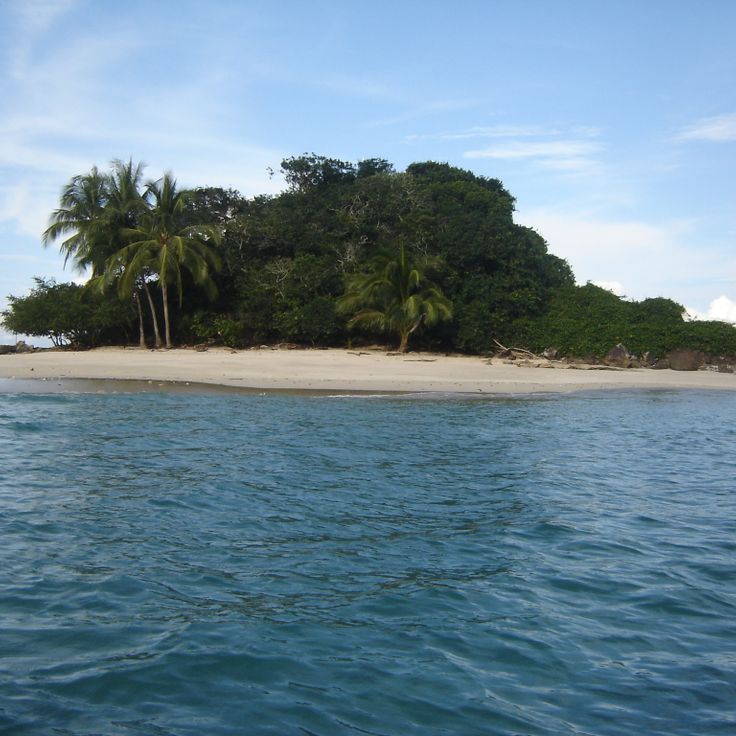
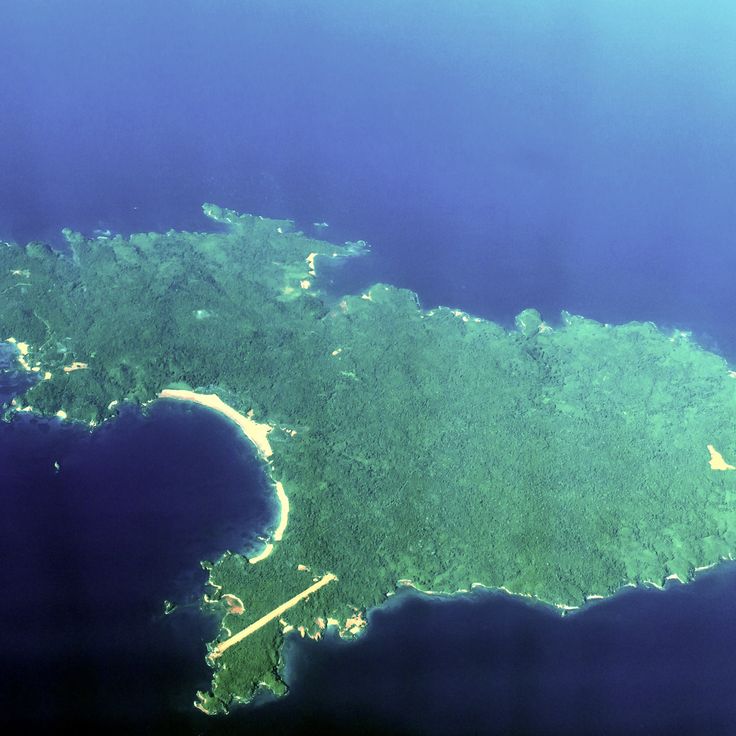
Coiba Island is a national park that represents Panama's natural diversity. The island features white sand beaches and coral reefs. The surrounding waters are home to hammerhead sharks, rays and sea turtles. It stands among a collection of locations that showcase Panama's varied character, from beaches to historic sites like the colonial ruins of Portobelo.
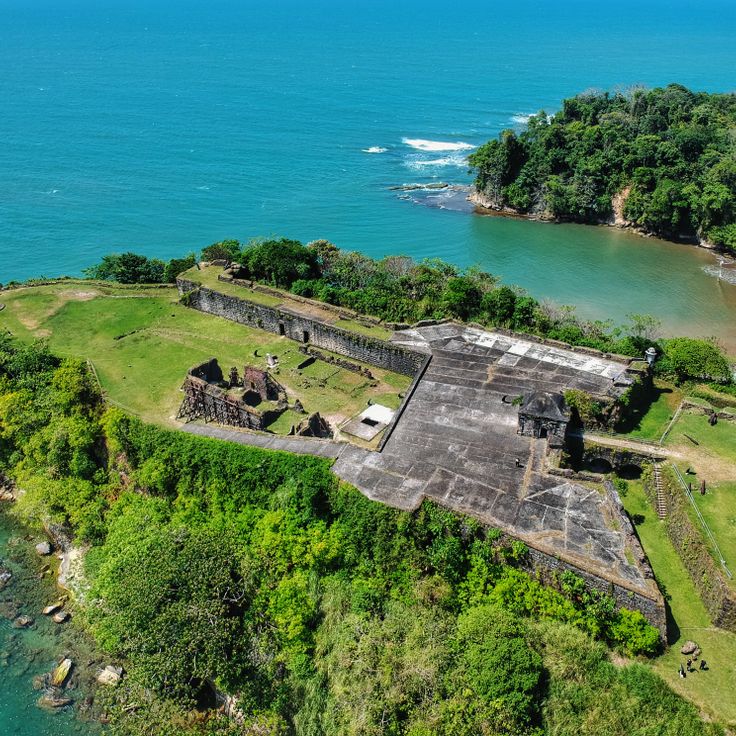
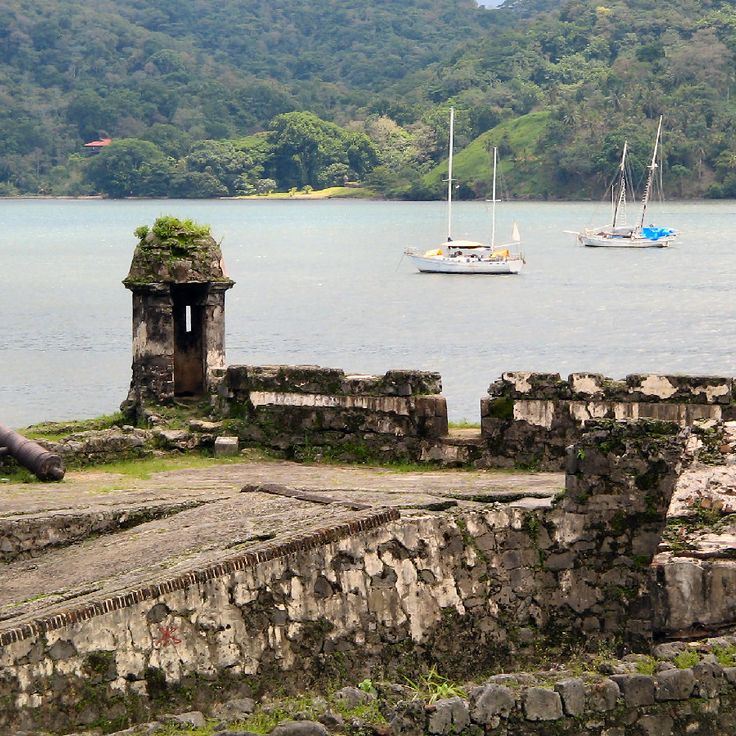
San Lorenzo Fort is a stone structure from the 16th century that protected Spanish gold shipments. The fortification stands on a cliff at the entrance of the Chagres River and reveals the strategic importance of this region in Panama's colonial past. As part of the selection showing Panama's diversity, this historic site represents the country's colonial history alongside natural treasures like the San Blas Islands and Volcan Baru.
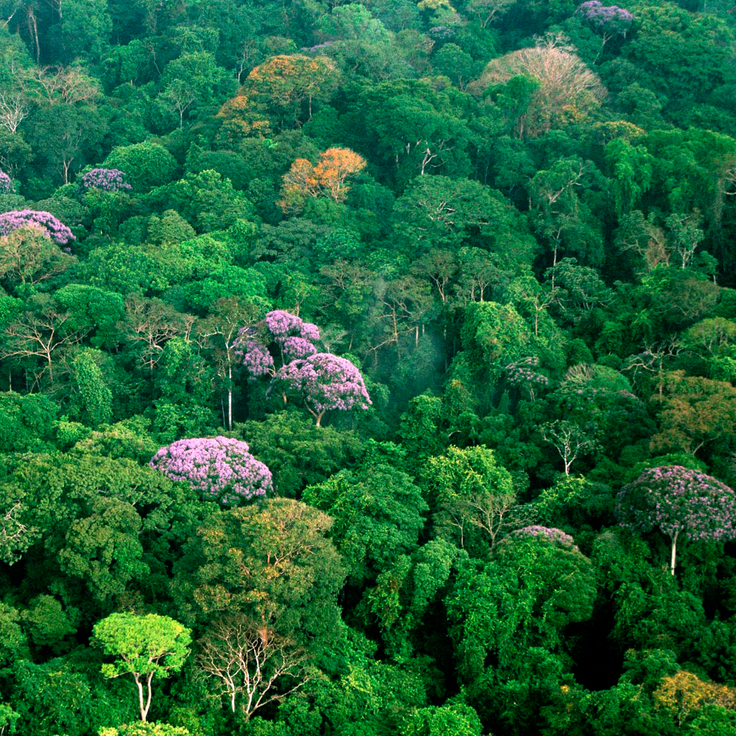
Barro Colorado Island demonstrates Panama's natural diversity beyond the usual tourist routes. This biological reserve contains a research station dedicated to studying tropical forests. Scientists work here to observe the wide variety of animal life, from mammals to birds. The island provides insights into how rainforests function and the creatures that depend on them.
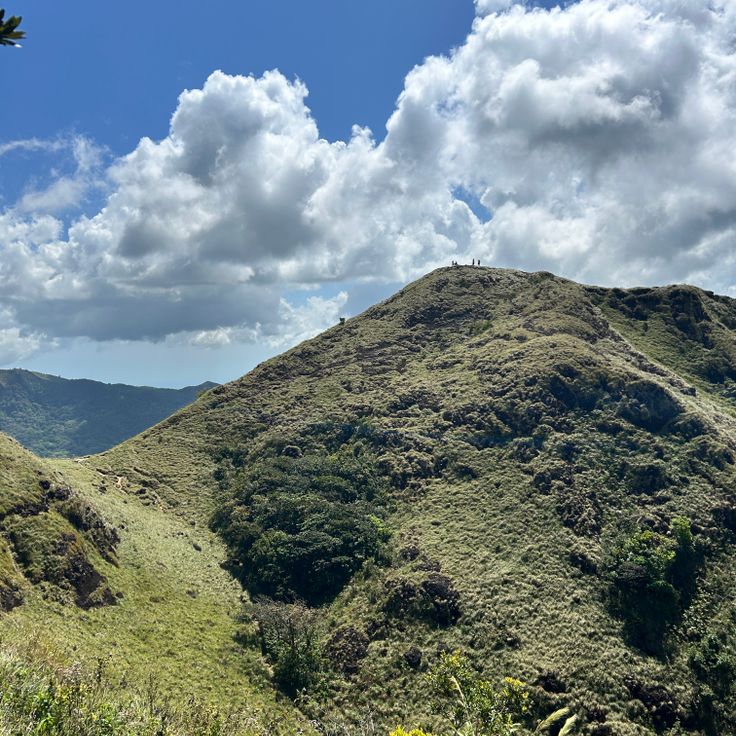
Sleeping Indian Mountain showcases the geographic diversity of Panama highlighted in this collection. This mountain formation resembles a reclining woman when viewed from a distance. The hiking trail to the summit provides views of El Valle town and the volcanic crater, reflecting the country's rich natural heritage.
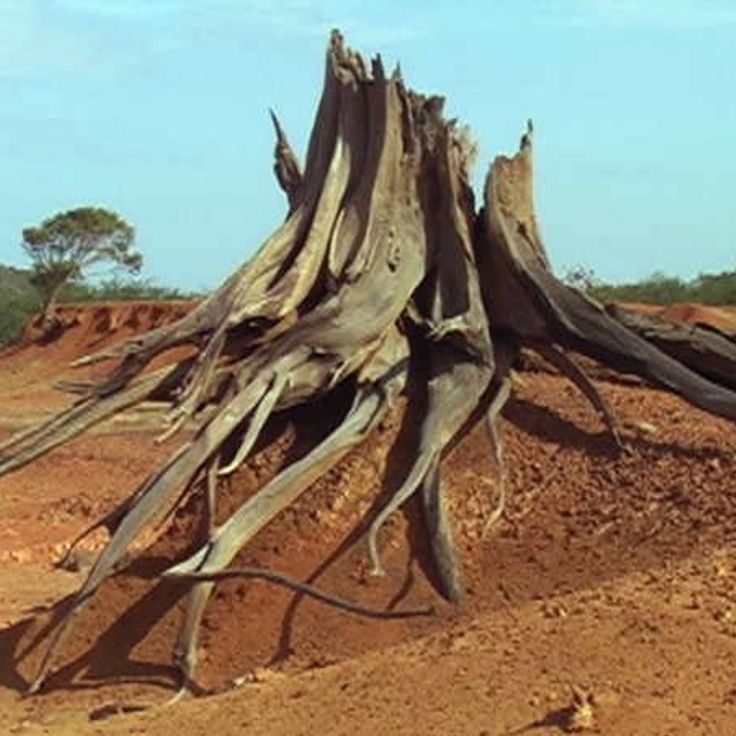
Sarigua National Park is a dry region in Herrera that reflects Panama's diversity. The park displays geological formations and archaeological findings from early pre-Columbian settlers. Visitors can discover the area's history through ancient remains and landscape features.
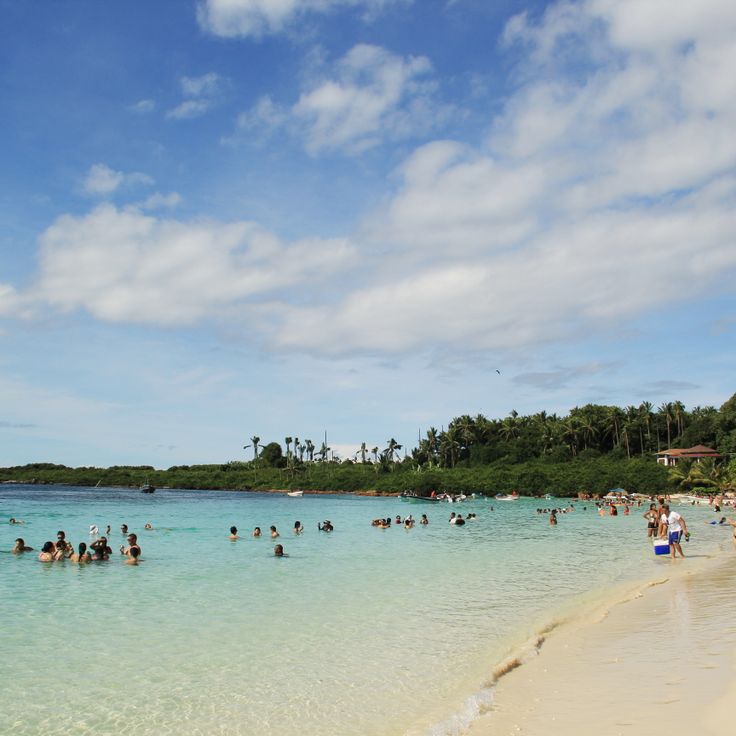
Isla Iguana is an island off the coast of Los Santos that shows the diversity of Panama through its coral reefs and beaches. The island hosts over 250 fish species in its coral reefs and offers beaches for water sports activities. It is part of a collection of places ranging from Isla Coiba with its beaches to the colonial ruins of Portobelo, including national parks, mountains and historic sites.
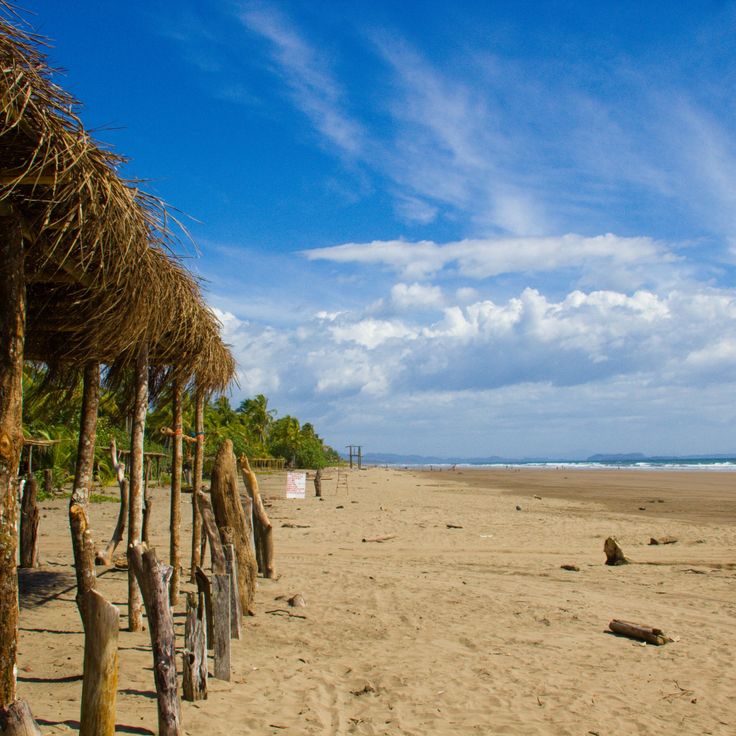
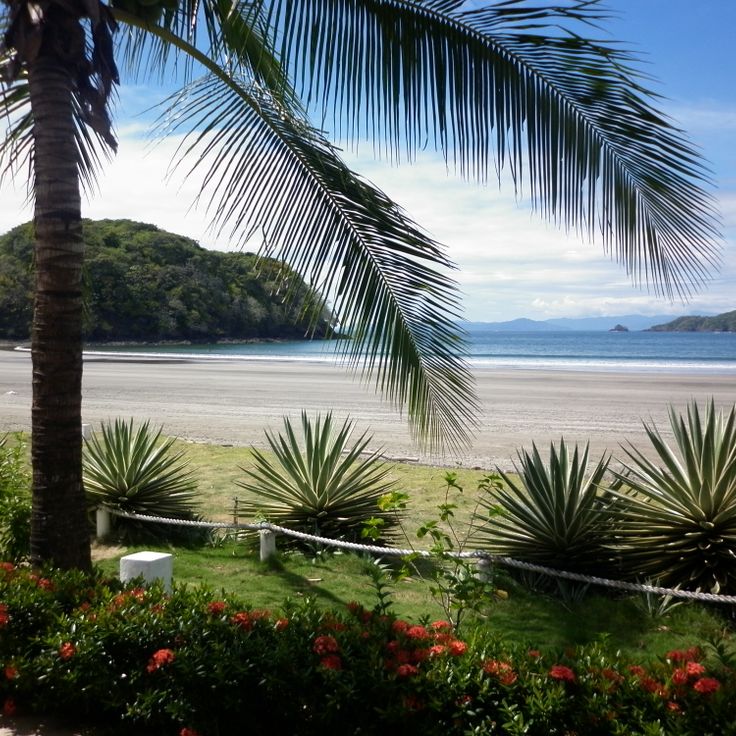
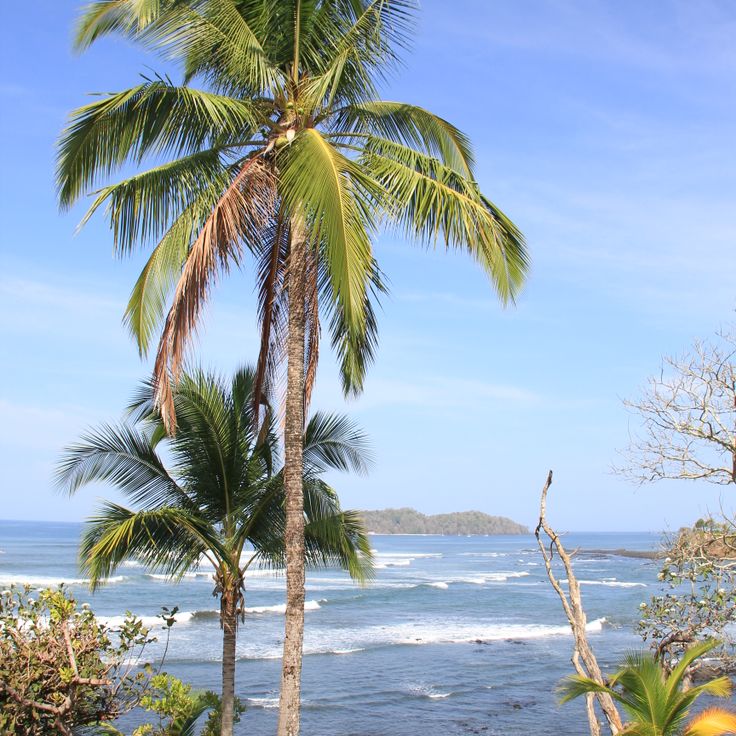
Las Lajas Beach is part of this collection showcasing Panama's variety. This coastal strip stretches about 20 kilometers along Chiriquí's shore and features black sand and regular waves that draw surfers. Palm trees line the waterfront, defining the character of this beach that complements the collection's range from Volcan Barú to the San Blas Islands.
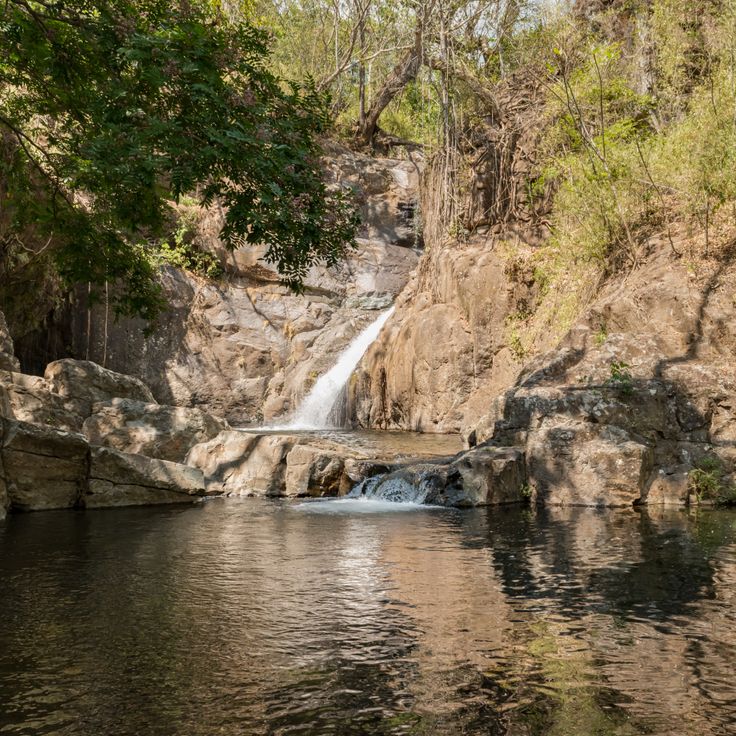
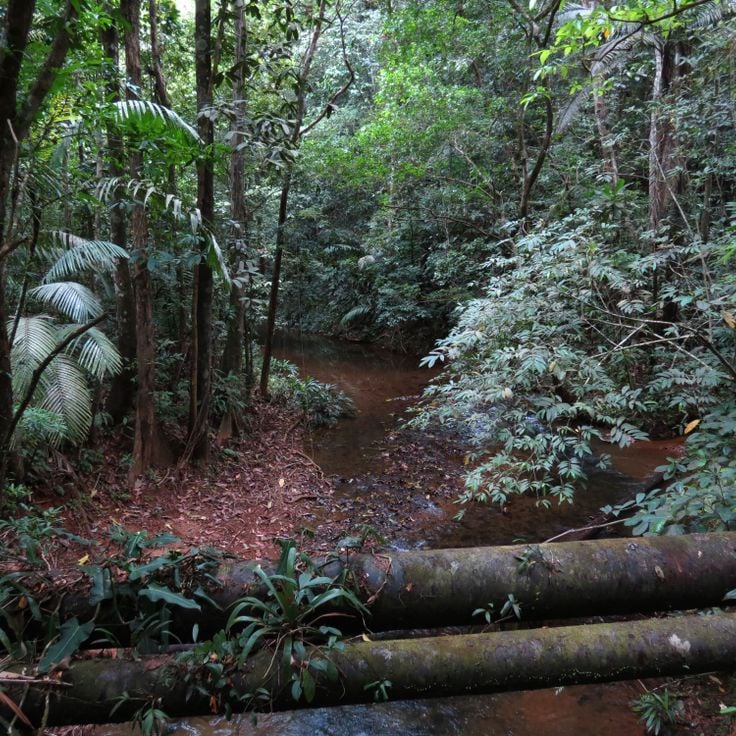
Escondido Falls is a series of waterfalls in the rainforest that showcases Panama's natural diversity. This site features natural swimming pools and marked hiking trails winding through the jungle. It represents the country's varied landscapes, from mountains and beaches to historic sites and national parks, offering visitors a chance to experience the rainforest away from the main tourist routes.
Volcan Baru in Chiriquí is part of Panama's diverse landscape away from the main routes. At 3,475 meters, this volcano offers the rare opportunity to view both the Pacific Ocean and the Caribbean Sea from one location during clear weather. The hike to the summit passes through different vegetation zones and rewards visitors with extraordinary views.
Santa Fe National Park displays the natural diversity of Panama. The park is home to many bird species, mammals and orchids along its hiking paths and near waterfalls. It is part of a selection that includes beaches, national parks, mountains and historic sites across the country.
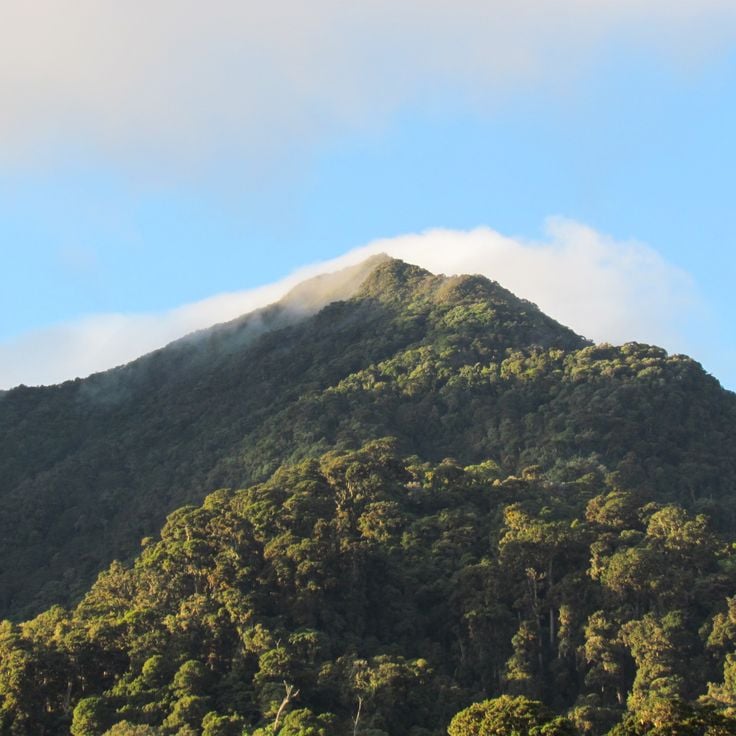
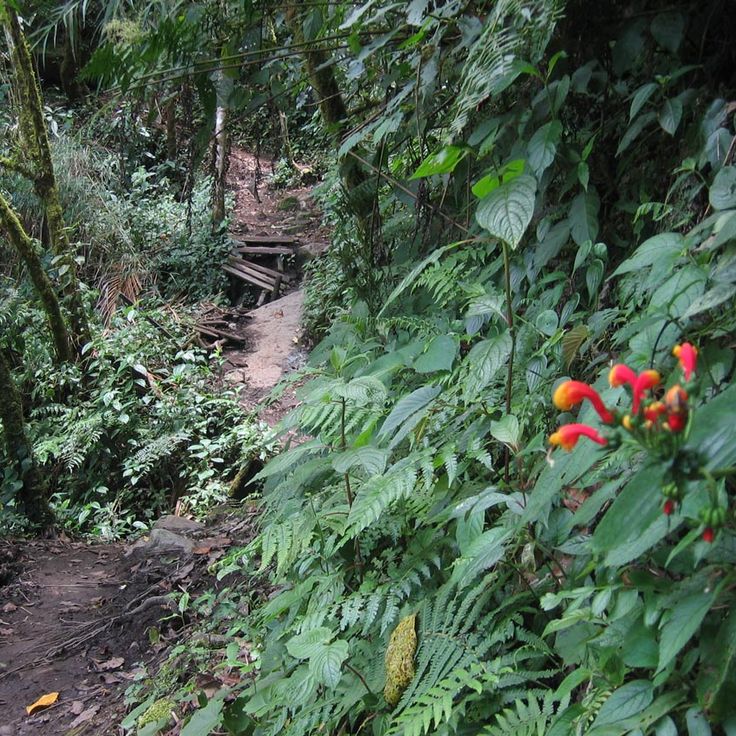
Sendero Los Quetzales is a forest path stretching about 9 kilometers between the towns of Cerro Punta and Boquete in the Chiriquí region. The trail winds through mountain forests where Quetzal birds make their nests. This path shows the natural diversity that defines Panama away from the main routes. Walkers can experience the forest up close and watch for rare bird species.
Omar Torrijos Herrera National Park in Coclé displays the natural diversity of Panama. This 25,000-hectare protected zone contains mountain forests where thick vegetation covers the slopes. Waterfalls drop from rocky cliffs, creating pools below. The park is home to many animal species, from jaguars to colorful birds, along with plants found nowhere else. Visitors walk through green valleys and hear the sounds of the forest. The park shows why protecting Panama's nature matters.
Soberania National Park is part of Panama's diversity away from the main routes. This park spans rainforest and houses over 525 bird species along with numerous mammals. It showcases the country's nature, ranging from Coiba Island with its beaches to the colonial ruins of Portobelo. The park fits within the selection of national parks, mountains, beaches and historic sites that display Panama's variety.
The Portobelo Ruins represent Panama's colonial past and are part of a selection showcasing the country's diversity. These 17th-century fortifications protected Spanish trade routes and include military buildings, customs houses, and barracks. The stone structures stand by the water and tell the story of an important period in the region's history.
Isla San José is part of Panama's diverse landscape and sits within the Pearl Islands. This island features coral reefs, mangrove forests, and white sand beaches. It shows the natural character that defines Panama and offers experiences ranging from coastal areas to forested lands, much like other locations in this selection.
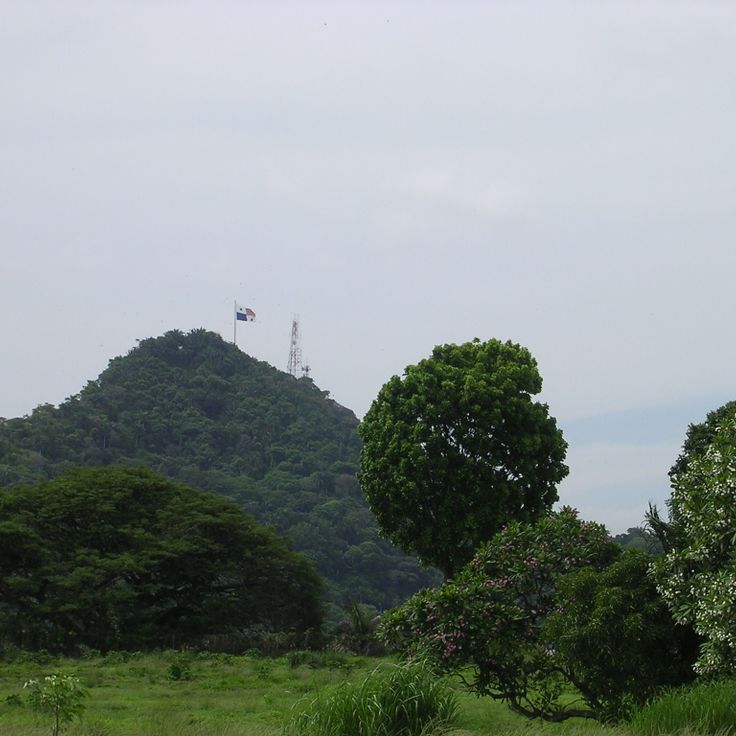
Cerro Ancón is a 199-meter hill within Panama City's limits. This location shows the country's diversity as part of a collection that ranges from Coiba Island to the colonial ruins of Portobelo. From the top, you get wide views of the city's skyline, the Panama Canal, and the Pacific Ocean. You can walk up the hill and take in the landscape while observing how the city spreads out below.
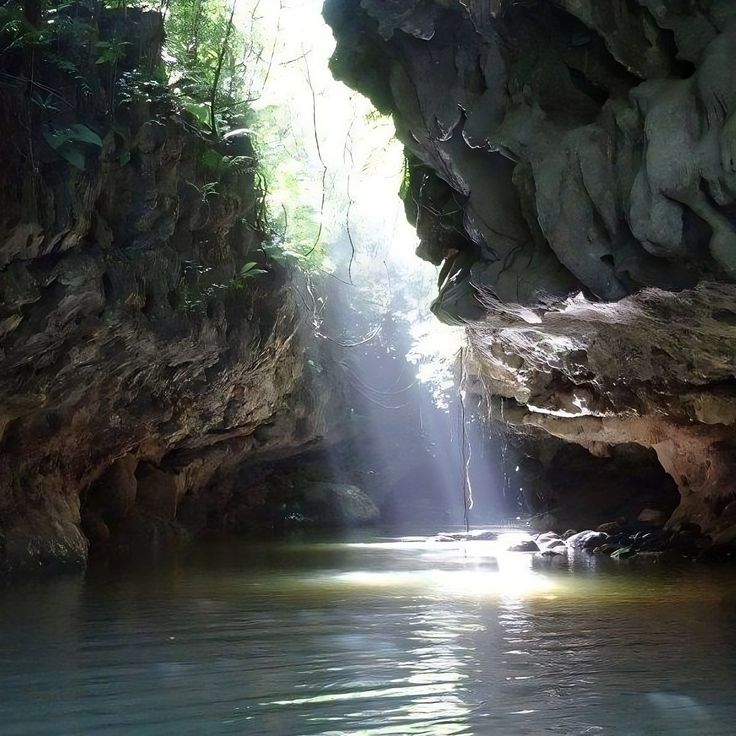
This cave system at Bayano Lake represents the natural diversity featured in this collection of Panamanian destinations. The cave extends several kilometers underground and houses colonies of bats among impressive limestone formations. Visitors walk through the passages to see the geological structures shaped by water over thousands of years.
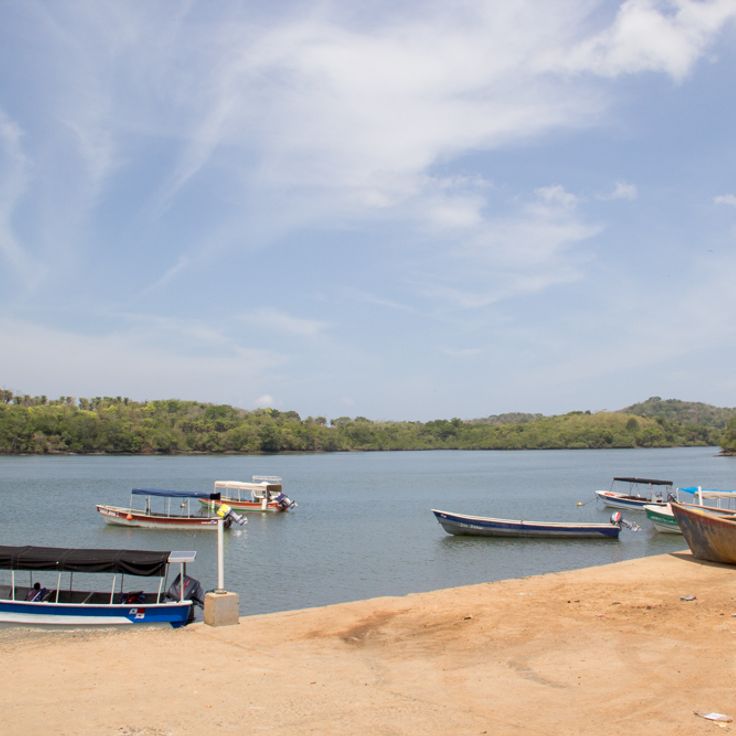
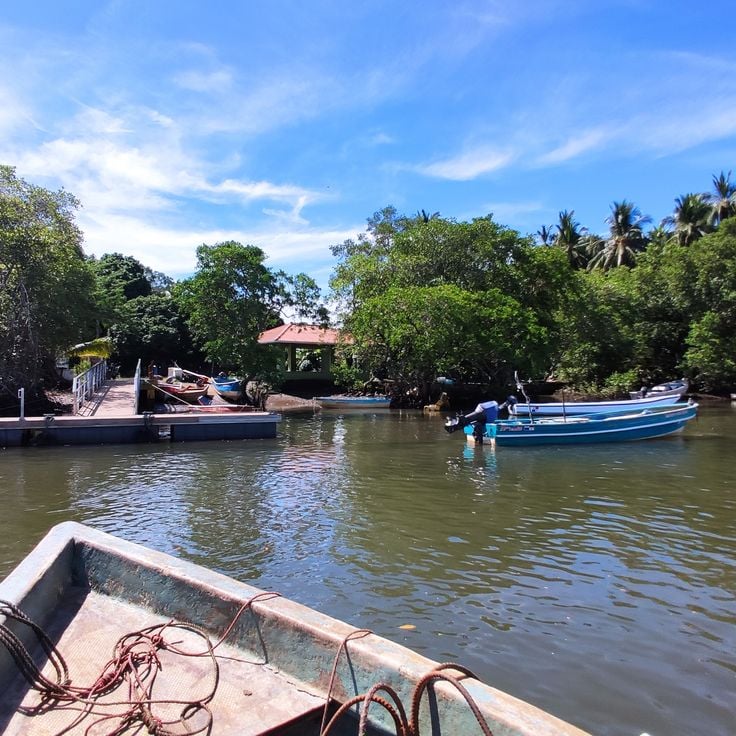
Boca Chica is a small coastal settlement in Chiriquí that shows how Panamanians live in remote areas. Boat services depart from here to reach nearby islands, and local restaurants serve fresh-caught fish. The place represents rural Panamanian life and the country's deep connection to the sea, far from the main tourist routes.
This settlement demonstrates Panama's diversity and sits in a valley of Panama Province. It uses renewable energy and practices organic farming. It represents a sustainable way of living off the main routes of the country, as shown in this collection that ranges from Coiba Island to the colonial ruins of Portobelo.
Isla Cañas is part of Panama's diverse landscape and serves as a nesting site for five species of sea turtles, with long sandy beaches that draw visitors interested in wildlife. This island represents the country's natural heritage alongside colonial ruins, national parks, and other attractions like Volcan Baru, which offers views of both oceans, and the San Blas Islands with their turquoise waters and coral reefs.
Punta Patiño Nature Reserve showcases Panama's diversity away from the main routes. This protected area in the Darién region contains mangrove forests, rainforests, and numerous bird species. The reserve provides a look into untouched nature and forms part of the collection of national parks, mountains, beaches, and historic sites that reveal Panama's variety.
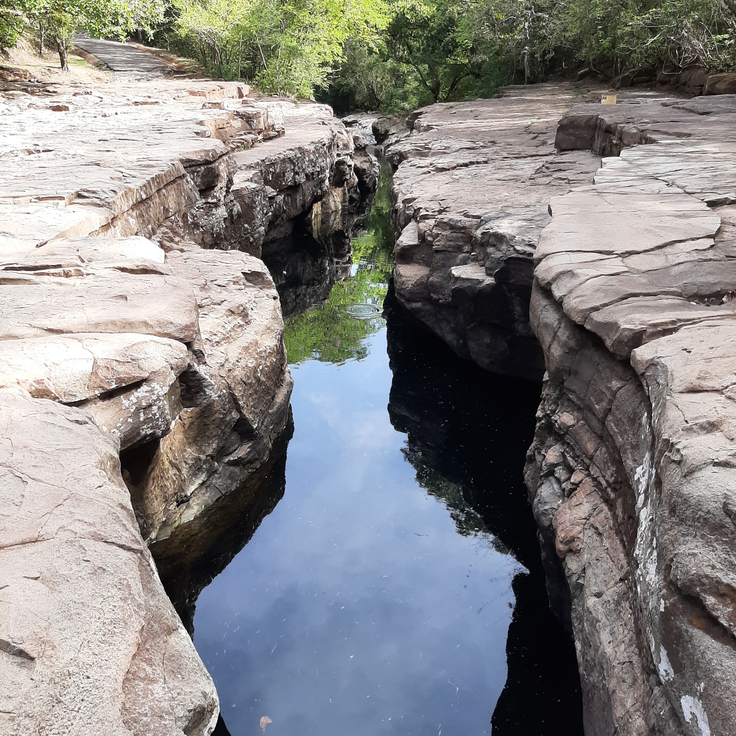
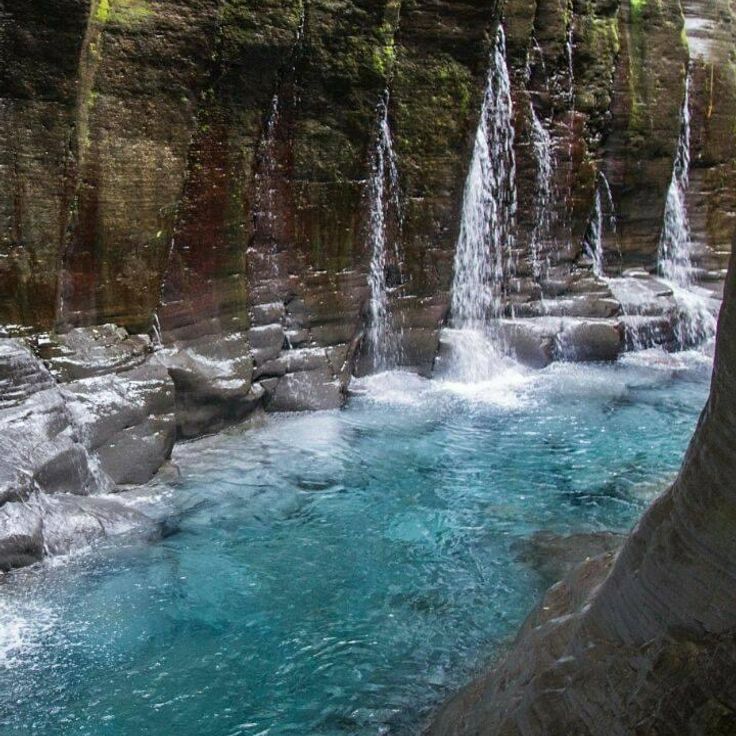
Los Cajones de Chame displays the natural diversity of Panama with rock formations that create natural basins with clear water. The site offers swimming opportunities between tall rock walls and lets visitors experience the geological features of the country up close.
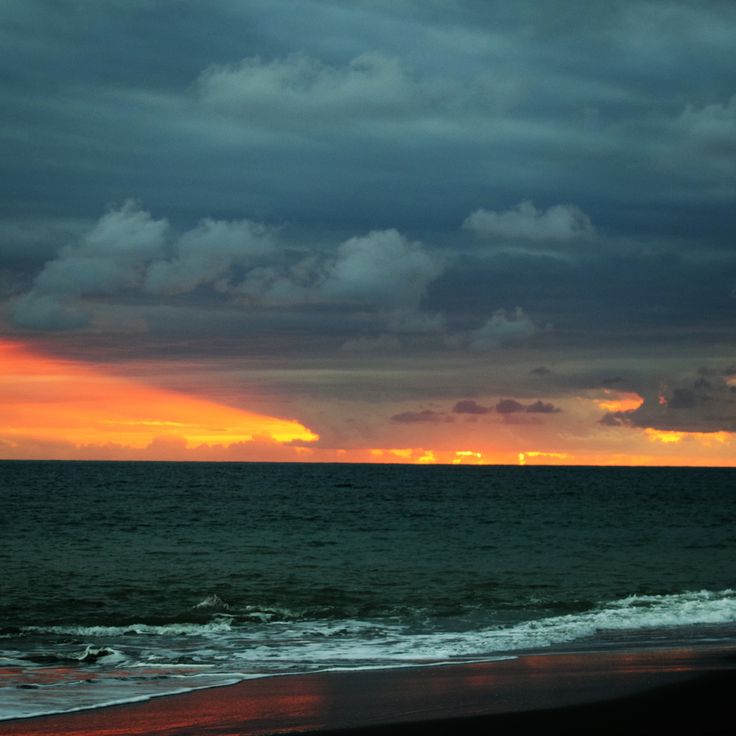
Playa Venao represents Panama's diversity away from the main routes. This three-kilometer beach draws surfers seeking consistent waves. The shore offers options for all skill levels, with several surf schools operating along the sand. Beginners and experienced surfers alike find what they need here. The location showcases a different side of Panama compared to its most visited destinations.
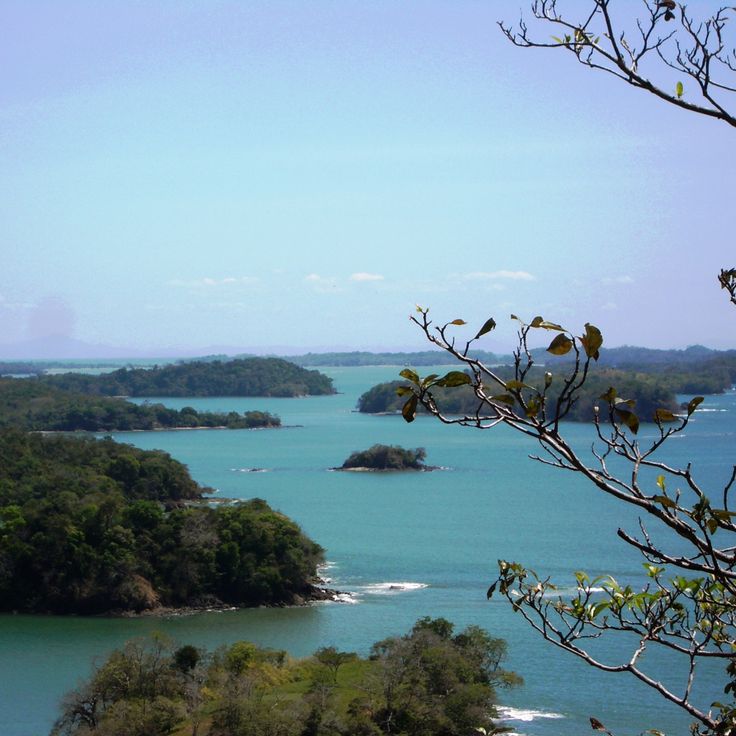
Isla Boca Brava in Chiriquí displays the diversity of Panama away from the main routes. This island offers rainforest hiking trails, kayak routes through mangroves, and beaches where sea turtles nest. The location embodies the natural character of the country, from the beaches of Coiba Island to the coral reefs of the San Blas Islands.
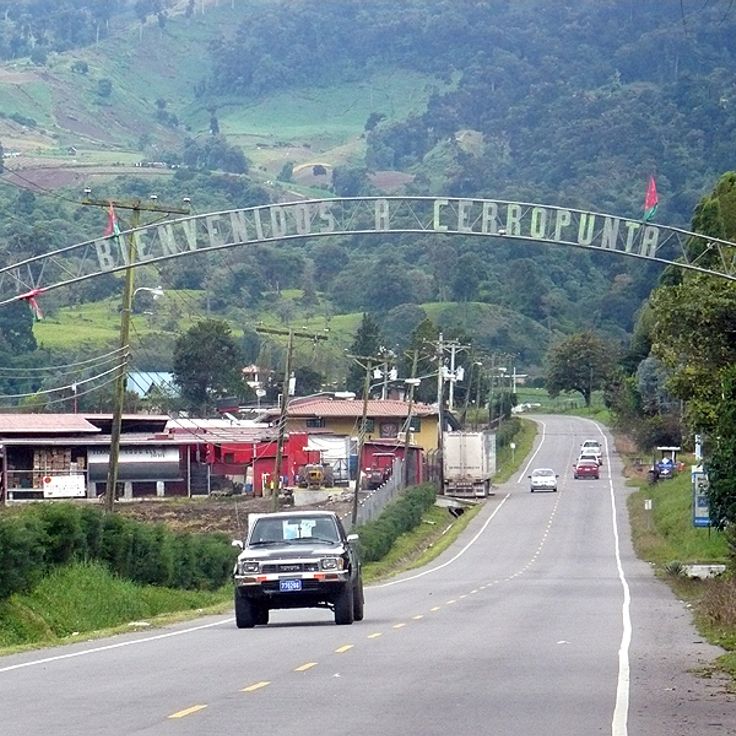
Cerro Punta is a mountain settlement at 2000 meters elevation in the Chiriqui region, showcasing Panama's agricultural diversity away from main routes. Farmers here grow vegetables and flowers, taking advantage of the cool highland climate. The area is also home to many bird species that inhabit the surrounding forests and farmlands.
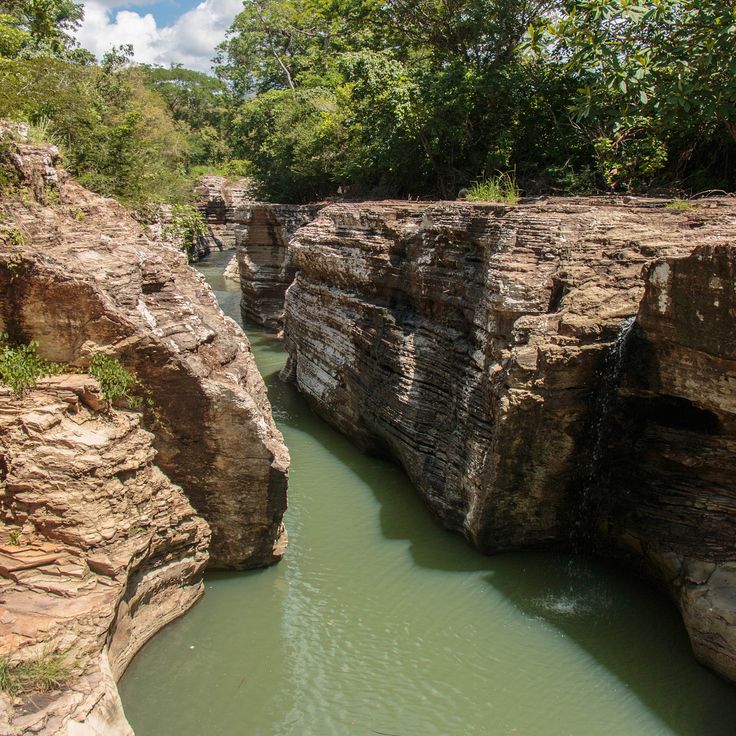
The Río Cangilones de Gualaca flows through granite rock formations that create natural pools and channels. This river showcases Panama's natural diversity with its varying water depths between 3 and 5 meters, offering visitors a chance to swim and explore the landscape.
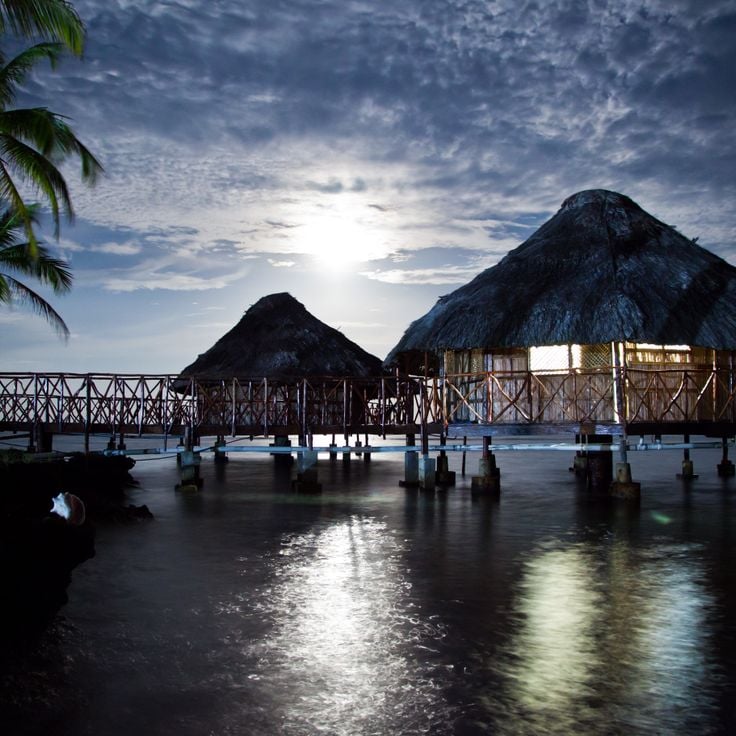
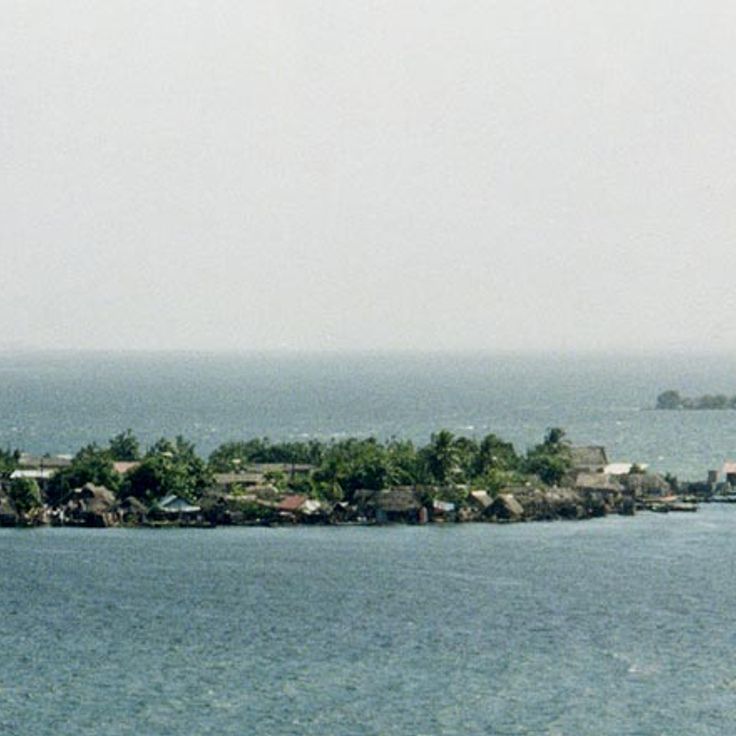
The San Blas Islands are part of this collection showcasing Panama's diversity. These 378 islands and cays in the Caribbean Sea feature white sand beaches and coconut palms. The indigenous Guna people maintain their own traditions and way of life here.
This national park was established in 1966 at 800 meters elevation within mountain forests. It is part of a collection showcasing Panama's range of landscapes and ecosystems. The park is home to 266 bird species and offers views of both the Atlantic and Pacific Oceans from its peaks. Visitors hike through thick forest and watch for rare birds.
Canyon Macho de Monte extends several kilometers through the Ngäbe-Buglé region with waterfalls and natural basins at varying depths. In this collection of locations off Panama's main routes, this canyon demonstrates the country's natural diversity alongside islands with beaches, national parks, mountains, and historic sites.
Las Tablas displays the traditional craftsmanship of Panama and is known for its lively festivals featuring regional dance and music. The town embodies the cultural diversity of the country and offers visitors a window into the local customs and daily rhythms of Los Santos.
Santa Catalina is a coastal town that reflects Panama's diversity away from the main routes. The town offers year-round surfing with consistent waves on the Pacific coast. Santa Catalina fits well into a trip that also includes the colonial ruins of Portobelo and the San Blas Islands.
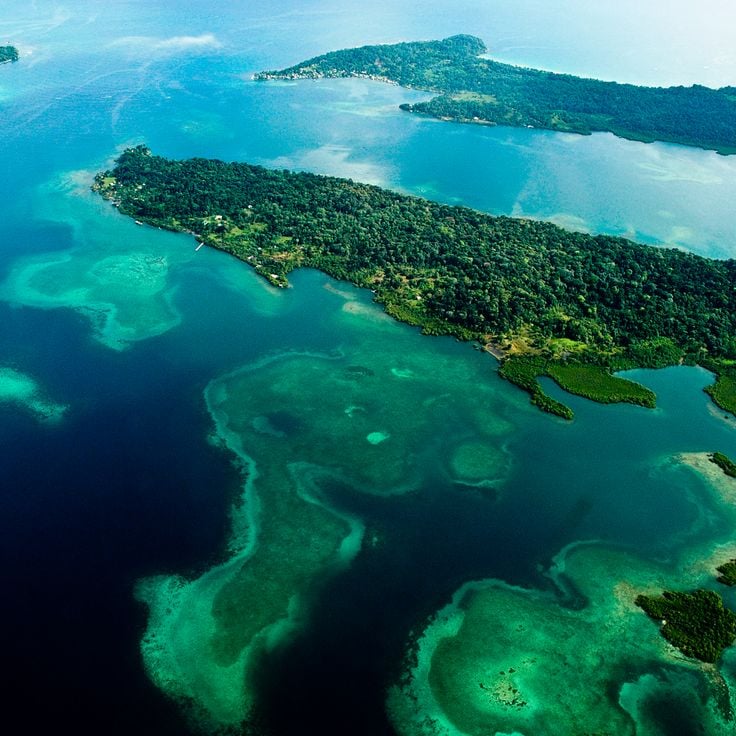
Bastimentos Island National Marine Park is part of Panama's diverse landscape and protects coral reefs, mangrove forests and beaches where sea turtles nest. The park displays the natural character of the San Blas Islands with their turquoise waters and coral reefs.
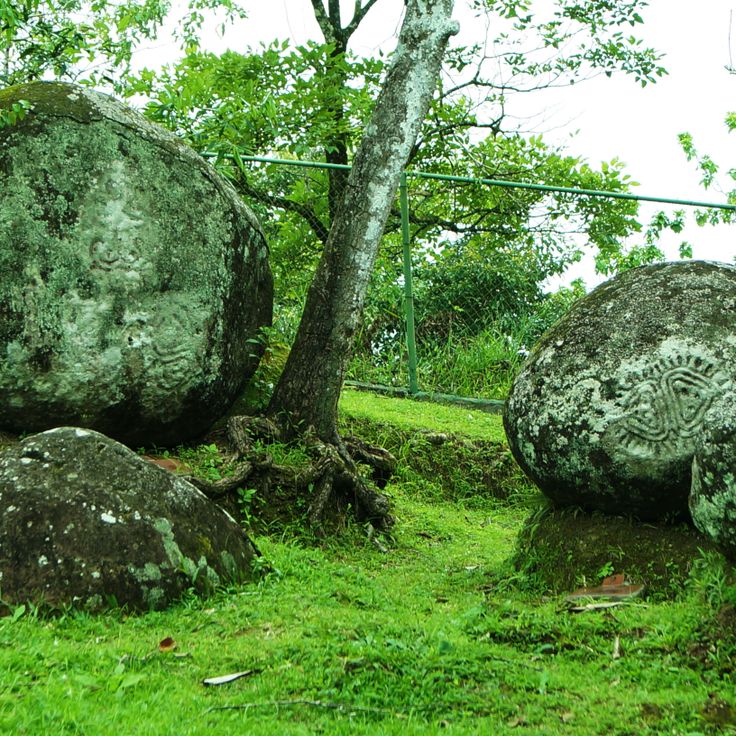
Piedra Pintada displays pre-Columbian stone carvings with figures and geometric patterns. The site represents Panama's diverse history, ranging from colonial ruins to national parks and natural wonders. Visitors can access the rock art through marked hiking paths that wind through the valley.
Playa Cambutal is a black sand beach in Los Santos that fits within Panama's diversity. The beach stretches for several kilometers and offers consistent waves for surfers, along with several yoga studios in the area. This location represents the country's natural beaches alongside historic sites like Portobelo and the San Blas Islands.
Coiba Island is a national park that represents Panama's natural diversity. The island features white sand beaches and coral reefs. The surrounding waters are home to hammerhead sharks, rays and sea turtles. It stands among a collection of locations that showcase Panama's varied character, from beaches to historic sites like the colonial ruins of Portobelo.
San Lorenzo Fort is a stone structure from the 16th century that protected Spanish gold shipments. The fortification stands on a cliff at the entrance of the Chagres River and reveals the strategic importance of this region in Panama's colonial past. As part of the selection showing Panama's diversity, this historic site represents the country's colonial history alongside natural treasures like the San Blas Islands and Volcan Baru.
Barro Colorado Island demonstrates Panama's natural diversity beyond the usual tourist routes. This biological reserve contains a research station dedicated to studying tropical forests. Scientists work here to observe the wide variety of animal life, from mammals to birds. The island provides insights into how rainforests function and the creatures that depend on them.
Sleeping Indian Mountain showcases the geographic diversity of Panama highlighted in this collection. This mountain formation resembles a reclining woman when viewed from a distance. The hiking trail to the summit provides views of El Valle town and the volcanic crater, reflecting the country's rich natural heritage.
Sarigua National Park is a dry region in Herrera that reflects Panama's diversity. The park displays geological formations and archaeological findings from early pre-Columbian settlers. Visitors can discover the area's history through ancient remains and landscape features.
Isla Iguana is an island off the coast of Los Santos that shows the diversity of Panama through its coral reefs and beaches. The island hosts over 250 fish species in its coral reefs and offers beaches for water sports activities. It is part of a collection of places ranging from Isla Coiba with its beaches to the colonial ruins of Portobelo, including national parks, mountains and historic sites.
Las Lajas Beach is part of this collection showcasing Panama's variety. This coastal strip stretches about 20 kilometers along Chiriquí's shore and features black sand and regular waves that draw surfers. Palm trees line the waterfront, defining the character of this beach that complements the collection's range from Volcan Barú to the San Blas Islands.
Escondido Falls is a series of waterfalls in the rainforest that showcases Panama's natural diversity. This site features natural swimming pools and marked hiking trails winding through the jungle. It represents the country's varied landscapes, from mountains and beaches to historic sites and national parks, offering visitors a chance to experience the rainforest away from the main tourist routes.
Volcan Baru in Chiriquí is part of Panama's diverse landscape away from the main routes. At 3,475 meters, this volcano offers the rare opportunity to view both the Pacific Ocean and the Caribbean Sea from one location during clear weather. The hike to the summit passes through different vegetation zones and rewards visitors with extraordinary views.
Santa Fe National Park displays the natural diversity of Panama. The park is home to many bird species, mammals and orchids along its hiking paths and near waterfalls. It is part of a selection that includes beaches, national parks, mountains and historic sites across the country.
Sendero Los Quetzales is a forest path stretching about 9 kilometers between the towns of Cerro Punta and Boquete in the Chiriquí region. The trail winds through mountain forests where Quetzal birds make their nests. This path shows the natural diversity that defines Panama away from the main routes. Walkers can experience the forest up close and watch for rare bird species.
Omar Torrijos Herrera National Park in Coclé displays the natural diversity of Panama. This 25,000-hectare protected zone contains mountain forests where thick vegetation covers the slopes. Waterfalls drop from rocky cliffs, creating pools below. The park is home to many animal species, from jaguars to colorful birds, along with plants found nowhere else. Visitors walk through green valleys and hear the sounds of the forest. The park shows why protecting Panama's nature matters.
Soberania National Park is part of Panama's diversity away from the main routes. This park spans rainforest and houses over 525 bird species along with numerous mammals. It showcases the country's nature, ranging from Coiba Island with its beaches to the colonial ruins of Portobelo. The park fits within the selection of national parks, mountains, beaches and historic sites that display Panama's variety.
The Portobelo Ruins represent Panama's colonial past and are part of a selection showcasing the country's diversity. These 17th-century fortifications protected Spanish trade routes and include military buildings, customs houses, and barracks. The stone structures stand by the water and tell the story of an important period in the region's history.
Isla San José is part of Panama's diverse landscape and sits within the Pearl Islands. This island features coral reefs, mangrove forests, and white sand beaches. It shows the natural character that defines Panama and offers experiences ranging from coastal areas to forested lands, much like other locations in this selection.
Cerro Ancón is a 199-meter hill within Panama City's limits. This location shows the country's diversity as part of a collection that ranges from Coiba Island to the colonial ruins of Portobelo. From the top, you get wide views of the city's skyline, the Panama Canal, and the Pacific Ocean. You can walk up the hill and take in the landscape while observing how the city spreads out below.
This cave system at Bayano Lake represents the natural diversity featured in this collection of Panamanian destinations. The cave extends several kilometers underground and houses colonies of bats among impressive limestone formations. Visitors walk through the passages to see the geological structures shaped by water over thousands of years.
Boca Chica is a small coastal settlement in Chiriquí that shows how Panamanians live in remote areas. Boat services depart from here to reach nearby islands, and local restaurants serve fresh-caught fish. The place represents rural Panamanian life and the country's deep connection to the sea, far from the main tourist routes.
This settlement demonstrates Panama's diversity and sits in a valley of Panama Province. It uses renewable energy and practices organic farming. It represents a sustainable way of living off the main routes of the country, as shown in this collection that ranges from Coiba Island to the colonial ruins of Portobelo.
Isla Cañas is part of Panama's diverse landscape and serves as a nesting site for five species of sea turtles, with long sandy beaches that draw visitors interested in wildlife. This island represents the country's natural heritage alongside colonial ruins, national parks, and other attractions like Volcan Baru, which offers views of both oceans, and the San Blas Islands with their turquoise waters and coral reefs.
Punta Patiño Nature Reserve showcases Panama's diversity away from the main routes. This protected area in the Darién region contains mangrove forests, rainforests, and numerous bird species. The reserve provides a look into untouched nature and forms part of the collection of national parks, mountains, beaches, and historic sites that reveal Panama's variety.
Los Cajones de Chame displays the natural diversity of Panama with rock formations that create natural basins with clear water. The site offers swimming opportunities between tall rock walls and lets visitors experience the geological features of the country up close.
Playa Venao represents Panama's diversity away from the main routes. This three-kilometer beach draws surfers seeking consistent waves. The shore offers options for all skill levels, with several surf schools operating along the sand. Beginners and experienced surfers alike find what they need here. The location showcases a different side of Panama compared to its most visited destinations.
Isla Boca Brava in Chiriquí displays the diversity of Panama away from the main routes. This island offers rainforest hiking trails, kayak routes through mangroves, and beaches where sea turtles nest. The location embodies the natural character of the country, from the beaches of Coiba Island to the coral reefs of the San Blas Islands.
Cerro Punta is a mountain settlement at 2000 meters elevation in the Chiriqui region, showcasing Panama's agricultural diversity away from main routes. Farmers here grow vegetables and flowers, taking advantage of the cool highland climate. The area is also home to many bird species that inhabit the surrounding forests and farmlands.
The Río Cangilones de Gualaca flows through granite rock formations that create natural pools and channels. This river showcases Panama's natural diversity with its varying water depths between 3 and 5 meters, offering visitors a chance to swim and explore the landscape.
The San Blas Islands are part of this collection showcasing Panama's diversity. These 378 islands and cays in the Caribbean Sea feature white sand beaches and coconut palms. The indigenous Guna people maintain their own traditions and way of life here.
This national park was established in 1966 at 800 meters elevation within mountain forests. It is part of a collection showcasing Panama's range of landscapes and ecosystems. The park is home to 266 bird species and offers views of both the Atlantic and Pacific Oceans from its peaks. Visitors hike through thick forest and watch for rare birds.
Canyon Macho de Monte extends several kilometers through the Ngäbe-Buglé region with waterfalls and natural basins at varying depths. In this collection of locations off Panama's main routes, this canyon demonstrates the country's natural diversity alongside islands with beaches, national parks, mountains, and historic sites.
Las Tablas displays the traditional craftsmanship of Panama and is known for its lively festivals featuring regional dance and music. The town embodies the cultural diversity of the country and offers visitors a window into the local customs and daily rhythms of Los Santos.
Santa Catalina is a coastal town that reflects Panama's diversity away from the main routes. The town offers year-round surfing with consistent waves on the Pacific coast. Santa Catalina fits well into a trip that also includes the colonial ruins of Portobelo and the San Blas Islands.
Bastimentos Island National Marine Park is part of Panama's diverse landscape and protects coral reefs, mangrove forests and beaches where sea turtles nest. The park displays the natural character of the San Blas Islands with their turquoise waters and coral reefs.
Piedra Pintada displays pre-Columbian stone carvings with figures and geometric patterns. The site represents Panama's diverse history, ranging from colonial ruins to national parks and natural wonders. Visitors can access the rock art through marked hiking paths that wind through the valley.
Playa Cambutal is a black sand beach in Los Santos that fits within Panama's diversity. The beach stretches for several kilometers and offers consistent waves for surfers, along with several yoga studios in the area. This location represents the country's natural beaches alongside historic sites like Portobelo and the San Blas Islands.
Coiba Island is a national park that represents Panama's natural diversity. The island features white sand beaches and coral reefs. The surrounding waters are home to hammerhead sharks, rays and sea turtles. It stands among a collection of locations that showcase Panama's varied character, from beaches to historic sites like the colonial ruins of Portobelo.
San Lorenzo Fort is a stone structure from the 16th century that protected Spanish gold shipments. The fortification stands on a cliff at the entrance of the Chagres River and reveals the strategic importance of this region in Panama's colonial past. As part of the selection showing Panama's diversity, this historic site represents the country's colonial history alongside natural treasures like the San Blas Islands and Volcan Baru.
Barro Colorado Island demonstrates Panama's natural diversity beyond the usual tourist routes. This biological reserve contains a research station dedicated to studying tropical forests. Scientists work here to observe the wide variety of animal life, from mammals to birds. The island provides insights into how rainforests function and the creatures that depend on them.
Sleeping Indian Mountain showcases the geographic diversity of Panama highlighted in this collection. This mountain formation resembles a reclining woman when viewed from a distance. The hiking trail to the summit provides views of El Valle town and the volcanic crater, reflecting the country's rich natural heritage.
Sarigua National Park is a dry region in Herrera that reflects Panama's diversity. The park displays geological formations and archaeological findings from early pre-Columbian settlers. Visitors can discover the area's history through ancient remains and landscape features.
Isla Iguana is an island off the coast of Los Santos that shows the diversity of Panama through its coral reefs and beaches. The island hosts over 250 fish species in its coral reefs and offers beaches for water sports activities. It is part of a collection of places ranging from Isla Coiba with its beaches to the colonial ruins of Portobelo, including national parks, mountains and historic sites.
Las Lajas Beach is part of this collection showcasing Panama's variety. This coastal strip stretches about 20 kilometers along Chiriquí's shore and features black sand and regular waves that draw surfers. Palm trees line the waterfront, defining the character of this beach that complements the collection's range from Volcan Barú to the San Blas Islands.
Escondido Falls is a series of waterfalls in the rainforest that showcases Panama's natural diversity. This site features natural swimming pools and marked hiking trails winding through the jungle. It represents the country's varied landscapes, from mountains and beaches to historic sites and national parks, offering visitors a chance to experience the rainforest away from the main tourist routes.
Volcan Baru in Chiriquí is part of Panama's diverse landscape away from the main routes. At 3,475 meters, this volcano offers the rare opportunity to view both the Pacific Ocean and the Caribbean Sea from one location during clear weather. The hike to the summit passes through different vegetation zones and rewards visitors with extraordinary views.
Santa Fe National Park displays the natural diversity of Panama. The park is home to many bird species, mammals and orchids along its hiking paths and near waterfalls. It is part of a selection that includes beaches, national parks, mountains and historic sites across the country.
Sendero Los Quetzales is a forest path stretching about 9 kilometers between the towns of Cerro Punta and Boquete in the Chiriquí region. The trail winds through mountain forests where Quetzal birds make their nests. This path shows the natural diversity that defines Panama away from the main routes. Walkers can experience the forest up close and watch for rare bird species.
Omar Torrijos Herrera National Park in Coclé displays the natural diversity of Panama. This 25,000-hectare protected zone contains mountain forests where thick vegetation covers the slopes. Waterfalls drop from rocky cliffs, creating pools below. The park is home to many animal species, from jaguars to colorful birds, along with plants found nowhere else. Visitors walk through green valleys and hear the sounds of the forest. The park shows why protecting Panama's nature matters.
Soberania National Park is part of Panama's diversity away from the main routes. This park spans rainforest and houses over 525 bird species along with numerous mammals. It showcases the country's nature, ranging from Coiba Island with its beaches to the colonial ruins of Portobelo. The park fits within the selection of national parks, mountains, beaches and historic sites that display Panama's variety.
The Portobelo Ruins represent Panama's colonial past and are part of a selection showcasing the country's diversity. These 17th-century fortifications protected Spanish trade routes and include military buildings, customs houses, and barracks. The stone structures stand by the water and tell the story of an important period in the region's history.
Isla San José is part of Panama's diverse landscape and sits within the Pearl Islands. This island features coral reefs, mangrove forests, and white sand beaches. It shows the natural character that defines Panama and offers experiences ranging from coastal areas to forested lands, much like other locations in this selection.
Cerro Ancón is a 199-meter hill within Panama City's limits. This location shows the country's diversity as part of a collection that ranges from Coiba Island to the colonial ruins of Portobelo. From the top, you get wide views of the city's skyline, the Panama Canal, and the Pacific Ocean. You can walk up the hill and take in the landscape while observing how the city spreads out below.
This cave system at Bayano Lake represents the natural diversity featured in this collection of Panamanian destinations. The cave extends several kilometers underground and houses colonies of bats among impressive limestone formations. Visitors walk through the passages to see the geological structures shaped by water over thousands of years.
Boca Chica is a small coastal settlement in Chiriquí that shows how Panamanians live in remote areas. Boat services depart from here to reach nearby islands, and local restaurants serve fresh-caught fish. The place represents rural Panamanian life and the country's deep connection to the sea, far from the main tourist routes.
This settlement demonstrates Panama's diversity and sits in a valley of Panama Province. It uses renewable energy and practices organic farming. It represents a sustainable way of living off the main routes of the country, as shown in this collection that ranges from Coiba Island to the colonial ruins of Portobelo.
Isla Cañas is part of Panama's diverse landscape and serves as a nesting site for five species of sea turtles, with long sandy beaches that draw visitors interested in wildlife. This island represents the country's natural heritage alongside colonial ruins, national parks, and other attractions like Volcan Baru, which offers views of both oceans, and the San Blas Islands with their turquoise waters and coral reefs.
Punta Patiño Nature Reserve showcases Panama's diversity away from the main routes. This protected area in the Darién region contains mangrove forests, rainforests, and numerous bird species. The reserve provides a look into untouched nature and forms part of the collection of national parks, mountains, beaches, and historic sites that reveal Panama's variety.
Los Cajones de Chame displays the natural diversity of Panama with rock formations that create natural basins with clear water. The site offers swimming opportunities between tall rock walls and lets visitors experience the geological features of the country up close.
Playa Venao represents Panama's diversity away from the main routes. This three-kilometer beach draws surfers seeking consistent waves. The shore offers options for all skill levels, with several surf schools operating along the sand. Beginners and experienced surfers alike find what they need here. The location showcases a different side of Panama compared to its most visited destinations.
Isla Boca Brava in Chiriquí displays the diversity of Panama away from the main routes. This island offers rainforest hiking trails, kayak routes through mangroves, and beaches where sea turtles nest. The location embodies the natural character of the country, from the beaches of Coiba Island to the coral reefs of the San Blas Islands.
Cerro Punta is a mountain settlement at 2000 meters elevation in the Chiriqui region, showcasing Panama's agricultural diversity away from main routes. Farmers here grow vegetables and flowers, taking advantage of the cool highland climate. The area is also home to many bird species that inhabit the surrounding forests and farmlands.
The Río Cangilones de Gualaca flows through granite rock formations that create natural pools and channels. This river showcases Panama's natural diversity with its varying water depths between 3 and 5 meters, offering visitors a chance to swim and explore the landscape.
The San Blas Islands are part of this collection showcasing Panama's diversity. These 378 islands and cays in the Caribbean Sea feature white sand beaches and coconut palms. The indigenous Guna people maintain their own traditions and way of life here.
This national park was established in 1966 at 800 meters elevation within mountain forests. It is part of a collection showcasing Panama's range of landscapes and ecosystems. The park is home to 266 bird species and offers views of both the Atlantic and Pacific Oceans from its peaks. Visitors hike through thick forest and watch for rare birds.
Canyon Macho de Monte extends several kilometers through the Ngäbe-Buglé region with waterfalls and natural basins at varying depths. In this collection of locations off Panama's main routes, this canyon demonstrates the country's natural diversity alongside islands with beaches, national parks, mountains, and historic sites.
Las Tablas displays the traditional craftsmanship of Panama and is known for its lively festivals featuring regional dance and music. The town embodies the cultural diversity of the country and offers visitors a window into the local customs and daily rhythms of Los Santos.
Santa Catalina is a coastal town that reflects Panama's diversity away from the main routes. The town offers year-round surfing with consistent waves on the Pacific coast. Santa Catalina fits well into a trip that also includes the colonial ruins of Portobelo and the San Blas Islands.
Bastimentos Island National Marine Park is part of Panama's diverse landscape and protects coral reefs, mangrove forests and beaches where sea turtles nest. The park displays the natural character of the San Blas Islands with their turquoise waters and coral reefs.
Piedra Pintada displays pre-Columbian stone carvings with figures and geometric patterns. The site represents Panama's diverse history, ranging from colonial ruins to national parks and natural wonders. Visitors can access the rock art through marked hiking paths that wind through the valley.
Playa Cambutal is a black sand beach in Los Santos that fits within Panama's diversity. The beach stretches for several kilometers and offers consistent waves for surfers, along with several yoga studios in the area. This location represents the country's natural beaches alongside historic sites like Portobelo and the San Blas Islands.