Altos de Campana National Park, National park in Panamá Oeste and Coclé Provinces, Panama.
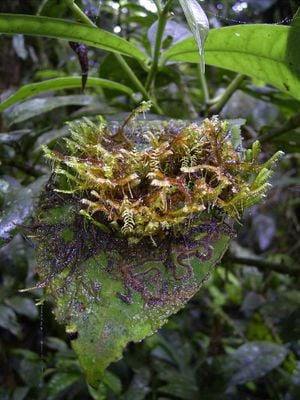
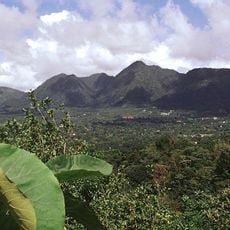
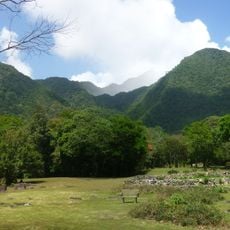
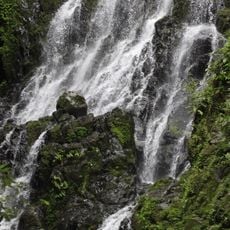
Altos de Campana National Park covers 4,816 ha on the western slope of the Panama Canal basin, rising from 400 m to the 1,030 m summit of Cerro Campana. It is an extension of the igneous formation of the El Valle de Antón volcano, with cliffs, lava fields and volcanic tuffs. Four forest types, including tropical wet and very wet premontane forest, cover the terrain.
Created in 1966 as Panama's first national park, Altos de Campana covers 4,816 hectares on the western slope of the Panama Canal basin. Its terrain is an extension of the igneous formation of the El Valle de Antón volcano, and the lava fields, volcanic tuffs and cliffs on Cerro Campana record that past activity.
The park's name comes from Cerro Campana, the 1,030 m summit at its heart. Its forests shelter the tiny golden frog (Atelopus zeteki), found in a very restricted area of the park and one of seven endemic amphibians and reptiles recorded here. Birdwatchers time visits for the swallow-tailed kite migrations between January and February and between June and September.
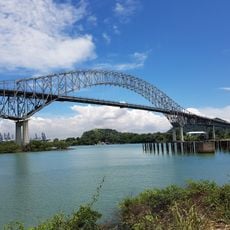
The park sits roughly 50 kilometers west of Panama City along the Interamerican Highway and is relatively easy to reach. The Sendero La Cruz trail takes visitors through different forest layers, making it possible to explore the varying ecosystems in one outing.
Cerro Campana's isolation has turned its upper slopes into a biogeographic island and centre of endemism. The golden frog (Atelopus zeteki) survives only in a very restricted area of the park, alongside other endemic amphibians and reptiles such as Bolitoglossa schizodactyla and Anolis lionotus.
The community of curious travelers
AroundUs brings together thousands of curated places, local tips, and hidden gems, enriched daily by 93,771 contributors worldwide.