Coiba, National park and World Heritage Site in Veraguas Province, Panama
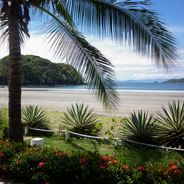
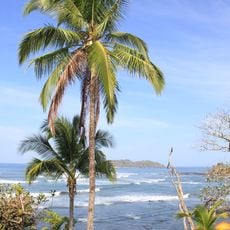
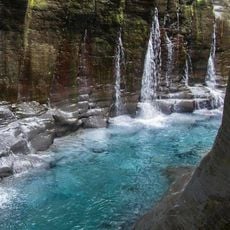
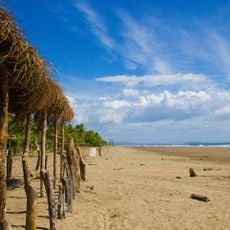
Coiba is Panama's largest Pacific island, about 503 km², in the Gulf of Chiriquí roughly 25 km southwest of the mainland. It is uninhabited apart from a ranger station, rises to about 65 m and is three-quarters forested, with rocky stretches and sand beaches. The national park, created in 1992, covers the island, 38 smaller islands and a wide marine area.
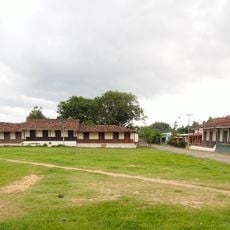
Coiba was inhabited by the Coiba Cacique people until Spanish conquest around 1560. A penal colony was set up in 1919, and its reputation worsened under the dictatorships of Omar Torrijos (1969–1981) and Manuel Noriega (1983–1989), with accounts of extreme torture and about 300 murders. The prison closed in 2004.
The island takes its name from the Coiba Cacique people, who lived there until Spanish colonisation around 1560. Panamanians avoid the former prison site, which they associate with ghostly apparitions. The ranger station is the only settlement, and the island itself is otherwise uninhabited.
Coiba lies in the Gulf of Chiriquí, about 25 km southwest of the mainland and roughly 120 km from Panama City. The island has no permanent residents apart from a ranger station, so trips are organised from the mainland coast. Rain falls mainly in the summer half of the year, around 1900 mm annually.
The area is home to a special monkey species found nowhere else, living in the treetops of the rainforest. These animals are often hard for visitors to spot, but their calls echo through the jungle and make their presence clear.
The community of curious travelers
AroundUs brings together thousands of curated places, local tips, and hidden gems, enriched daily by 93,830 contributors worldwide.