Cerro Punta, Agricultural village in Chiriquí Province, Panama
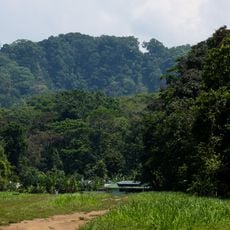
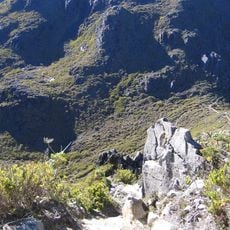
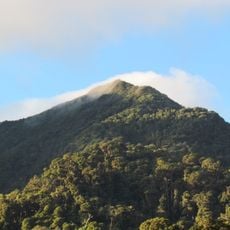
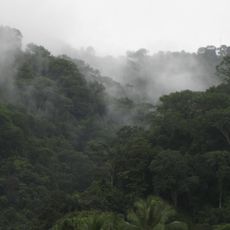
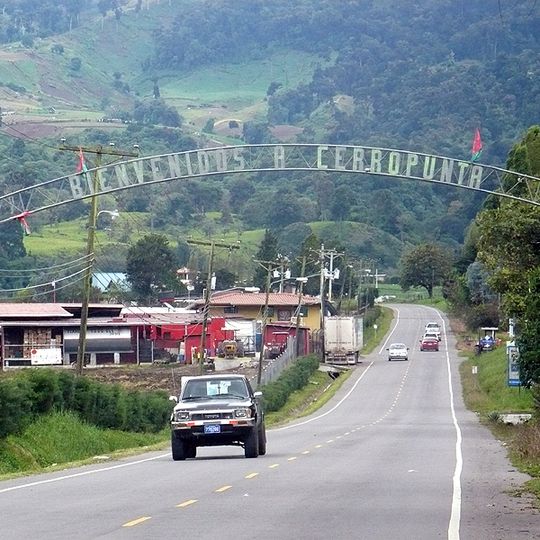
Cerro Punta is an agricultural village in Chiriquí Province, Panama, situated at elevations between 1900 and 2300 meters. The settlement spreads across steep terrain with scattered houses and farming areas that cover much of the landscape.
The highland village was discovered in 1921 by three explorers—Abraham Candanedo, Abel Candanedo, and Andrés Gutiérrez—during their expeditions through the mountains. This exploration marked the opening up of this remote region during Panama's second republican period.
The population of 7,754 residents includes three primary demographic groups: 60 percent white and mestizo, 30 percent indigenous people, and 10 percent foreign inhabitants.
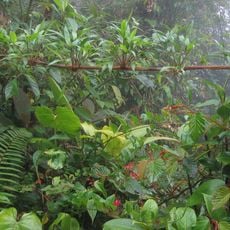
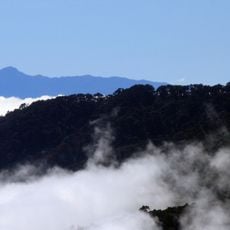
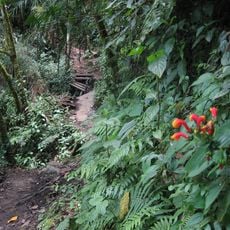
The region stays cool year-round with temperatures between 11 and 18 degrees Celsius and frequent rain. Frost can occur during the dry season, so bring warm clothing and be prepared for muddy or slippery paths.
Local farmers grow vegetables and fruits in volcanic soil, with harvests that differ from crops elsewhere in Panama. This highland location is the highest settlement in the province, creating conditions that enable a distinct form of agriculture.
The community of curious travelers
AroundUs brings together thousands of curated places, local tips, and hidden gems, enriched daily by 91,816 contributors worldwide.