Cahuita National Park, National park in Cahuita, Costa Rica
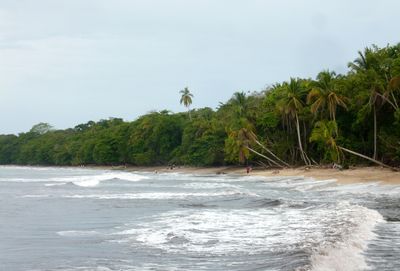
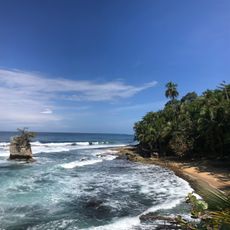
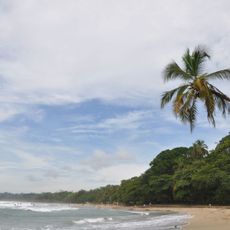
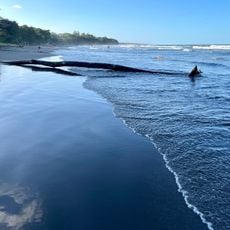
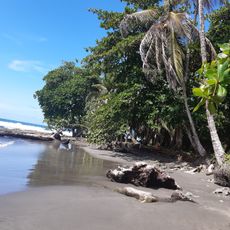
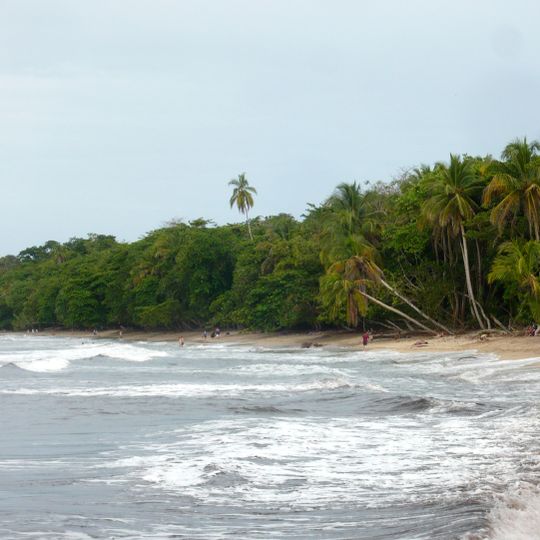
The protected area spans 1,067 hectares of tropical forest and 22,400 hectares of marine territory along the Caribbean coast of Costa Rica.
William Smith's family established the first settlement in 1828 at Punta Cahuita, cultivating yams, cassava, cacao, and coconut in traditional palm-leaf structures.
The territory preserves the heritage of indigenous communities and African descendants who arrived from Bocas del Toro and Nicaragua during the 18th century.
Visitors can access the park daily from 7 AM to 4 PM through two entrances: Puerto Vargas sector and Playa Blanca sector.
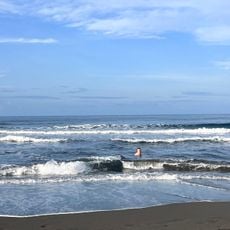
The park contains the most developed coral reef system in Costa Rica's Caribbean waters, featuring extensive marine biodiversity and white sand beaches.
Location: Cahuita
Inception: 1982
Operator: Área de Conservación La Amistad Caribe (ACLAC)
Opening Hours: 07:00-16:00
GPS coordinates: 9.72917,-82.82500
Latest update: May 17, 2025 10:34
Costa Rica spans 19,700 square miles (51,100 square kilometers) between the Pacific Ocean and Caribbean Sea, offering photographers a concentration of varied landscapes within a compact area. The country maintains over 30 national parks and protected areas, including Arenal Volcano, whose near-perfect cone rises 5,479 feet (1,670 meters) above surrounding rainforest, and Monteverde Cloud Forest, where mist drifts through canopy vegetation supporting rare species such as the resplendent quetzal. Rio Celeste flows through Tenorio Volcano National Park, displaying its characteristic turquoise color from volcanic minerals, while Tabacon Hot Springs delivers naturally heated water from underground sources. Coastal regions present diverse subjects, from the beaches of Manuel Antonio National Park, where white-faced capuchin monkeys move through trees, to Cahuita National Park on the Caribbean coast with its coral reefs. The Nicoya Peninsula and Papagayo Peninsula provide access to Tamarindo Beach and Santa Teresa Beach, while the southern zone includes Marino Ballena National Park, named for its whale-shaped sandbar visible at low tide. Tortuga Island, off the coast of Puntarenas, serves as a day-trip destination. Inland, San Jose Central Market documents daily commerce, the National Theater displays neoclassical architecture from 1897, and Guayabo National Monument preserves pre-Columbian ruins. Cerro Chirripó rises to 12,533 feet (3,820 meters) as the country's highest point, offering views of both oceans in clear conditions.
Cerro Chirripó
77.8 km
Tortuguero National Park
106.7 km
Guayabo National Monument
98.8 km
La Amistad International Park
38.1 km
Cerro de la Muerte
104.1 km
Volcán Barú National Park
104.4 km
Bastimentos Island National Marine Park
89.1 km
Chirripó National Park
77.1 km
Talamanca Reserve
38 km
Barriles
104.3 km
Tapantí National Park
107 km
Barbilla National Park
69.4 km
Las Mercedes
99.5 km
Cerro Ventisqueros
80.3 km
Volio Waterfall
10.7 km
Río Parismina
84.4 km
Playa Manzanillo
21.2 km
Playa Cocles
13.6 km
Starfish Beach
65.7 km
Puerto Limón Lighthouse
36 km
Playa Negra
3.3 km
Playa Cieneguita
35.8 km
Talamanca Range-La Amistad Reserves
38 km
Round Rock Beach
2.6 km
Sendero Los Quetzales
103.5 km
The Lost Waterfalls
105.9 km
Playa Grande
5.5 km
Gobernación de Bocas del Toro
77.3 kmReviews
Visited this place? Tap the stars to rate it and share your experience / photos with the community! Try now! You can cancel it anytime.
Discover hidden gems everywhere you go!
From secret cafés to breathtaking viewpoints, skip the crowded tourist spots and find places that match your style. Our app makes it easy with voice search, smart filtering, route optimization, and insider tips from travelers worldwide. Download now for the complete mobile experience.
A unique approach to discovering new places❞
— Le Figaro
All the places worth exploring❞
— France Info
A tailor-made excursion in just a few clicks❞
— 20 Minutes