Las Mercedes, Archaeological site in Limón Province, Costa Rica
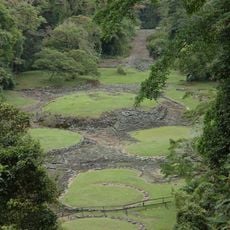
Las Mercedes is an archaeological site in Limon Province featuring three distinct complexes arranged across elevated terrain. The layout includes raised platforms, open plazas, stone walls, burial grounds, and paved roads connecting these different sections.
Occupation at Las Mercedes ran from about 1500 BC to AD 1500, with monumental platforms and plazas built from around AD 1000. Swedish ethnographer Carl Vilhelm Hartman excavated the site between 1896 and 1899, removing two 1.85-metre stone warrior figurines now held at the Museum of Ethnography in Stockholm. European glass beads found in excavations show inhabitants were still there at first Spanish contact.
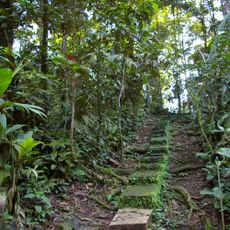
The two stone-paved causeways, the Iroquois and the Pocora, gave controlled, ceremonial access to the central complex, running in opposite directions perpendicular to the rivers. Near the Santa Emilia stream, two low walls with circular halves (R31 and R32) flank the Pocora road, and a set of stairs (R33) between them descends to the water.
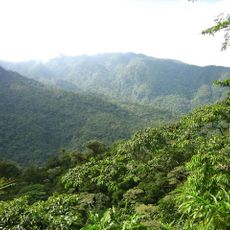
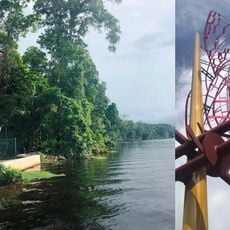
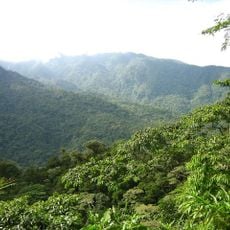
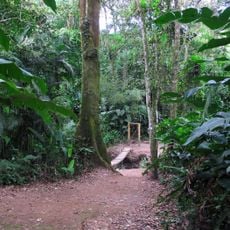
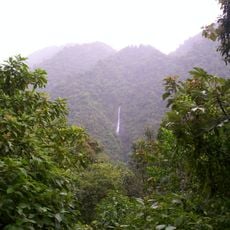
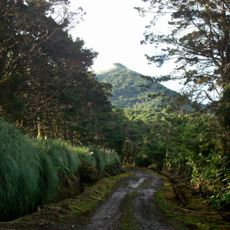
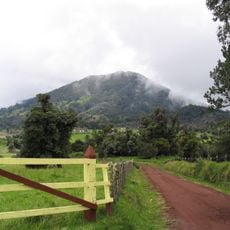
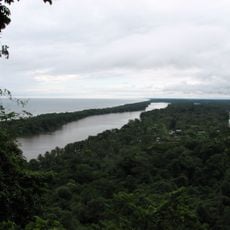
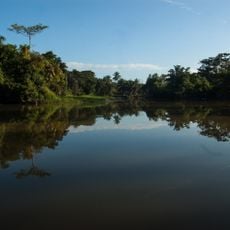
The site sits in a densely forested area between two rivers and is best explored on foot. Visitors should prepare for uneven ground and wet conditions, as the region receives regular rainfall.
The Swedish ethnographer Carl Vilhelm Hartman excavated the Hartman Platform in 1896 and removed two 1.85-metre stone "warrior" figurines, now held at the Museum of Ethnography in Stockholm. The site lies within EARTH University's reserve, and about 660 metres of the stone-paved Iroquois Causeway can be followed along the reserve edge.
The community of curious travelers
AroundUs brings together thousands of curated places, local tips, and hidden gems, enriched daily by 93,932 contributors worldwide.