Stone spheres of Costa Rica, Archaeological site in Palmar Sur, Costa Rica.
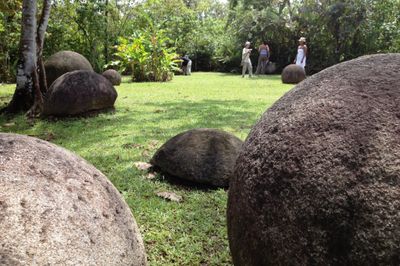
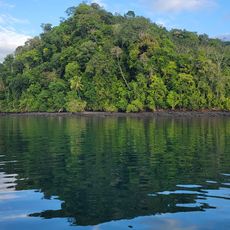
The Stone spheres of Costa Rica are an archaeological ensemble scattered throughout the Diquís Delta and Isla del Caño in Puntarenas Province. More than 300 of these objects are located at different sites and form a remarkable testimony to pre-Columbian stone-working craft.
The spheres were uncovered in the 1930s and 1939 as the United Fruit Company cleared jungle for banana plantations; workmen drilled and dynamited some in search of gold. Doris Stone published the first study in American Antiquity in 1943, and Samuel Kirkland Lothrop of the Peabody Museum followed with fieldwork in the Diquís Delta, published in 1963. Costa Rica began protecting the spheres in 1970, and UNESCO inscribed the Diquís chiefdom settlements in 2014.
The name bolas de piedra is still used locally, and the spheres were declared a national symbol of Costa Rica on 16 July 2014. Neighbours in Palmar Norte once blocked streets to stop trucks carrying spheres away, and many now stand as garden ornaments across the country.
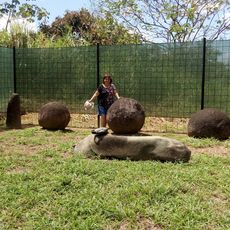
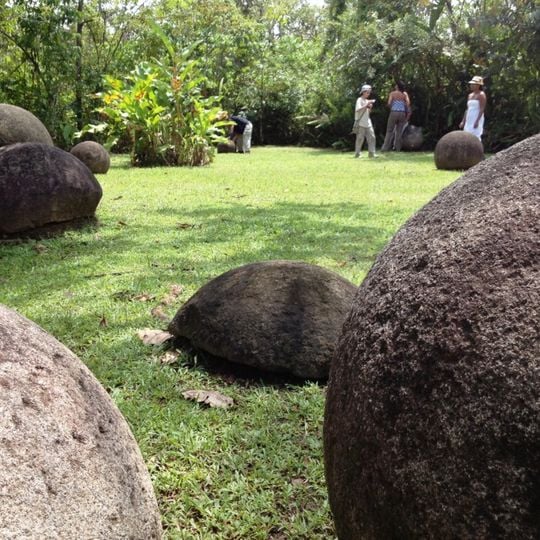
Visitors can examine the spheres at the Finca 6 archaeological site, where several specimens remain in their original positions. Educational exhibits provide information about the creation and meaning of these objects and help frame the visit.
The spheres range from a few centimeters to over 2 meters (about 7 feet) in diameter and weigh up to 15 tons, crafted primarily from gabbro. Their geometric precision shows high craftsmanship, though the tools and methods of production are not yet fully understood.
The community of curious travelers
AroundUs brings together thousands of curated places, local tips, and hidden gems, enriched daily by 92,658 contributors worldwide.