Panama Canal, Maritime waterway in Panama
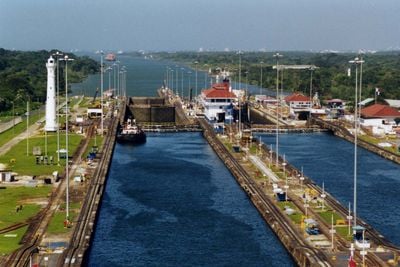
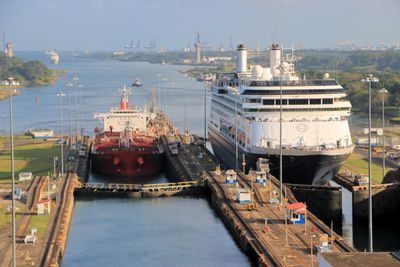
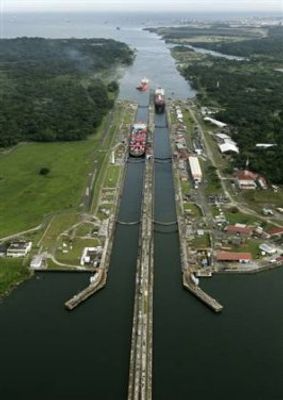
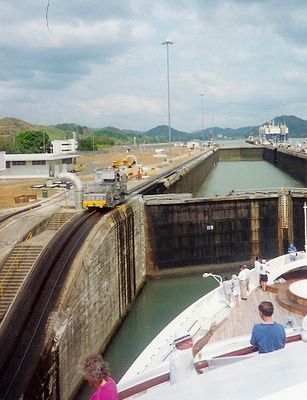
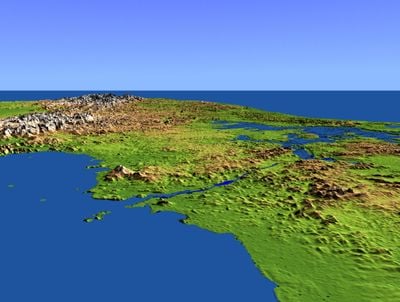
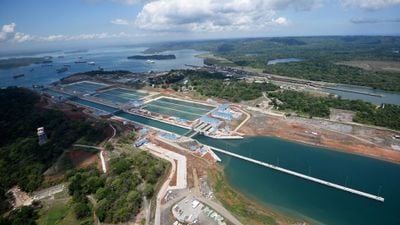
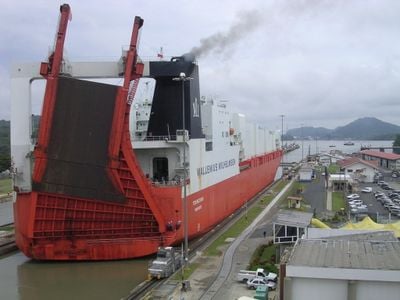
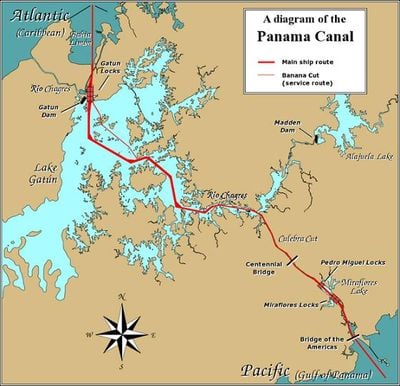
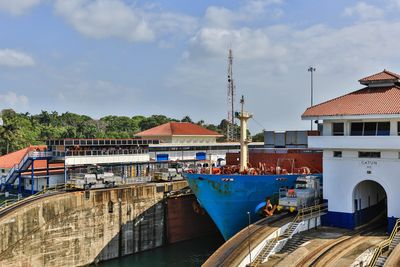
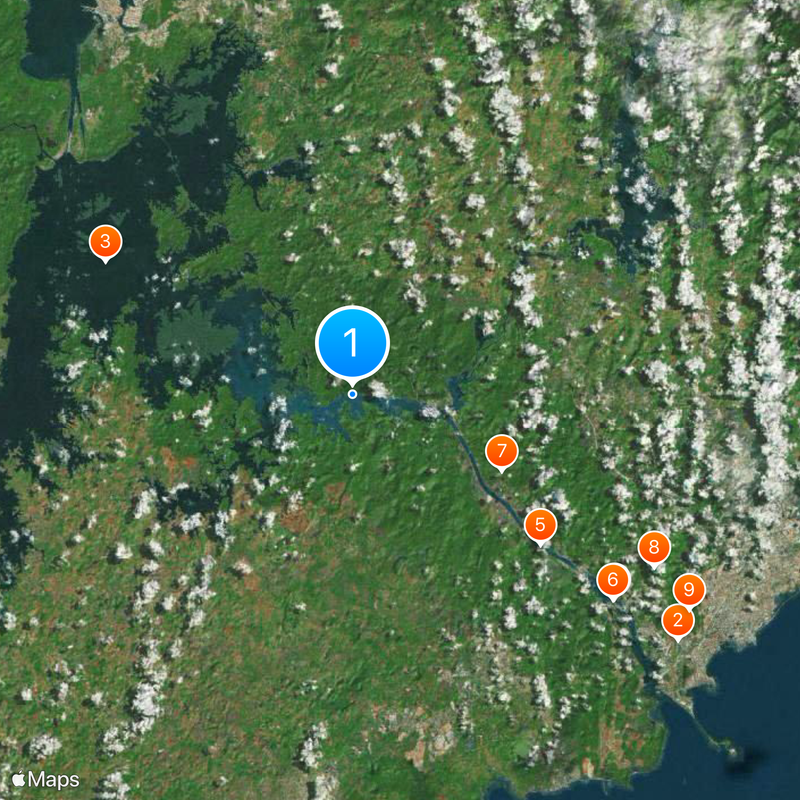
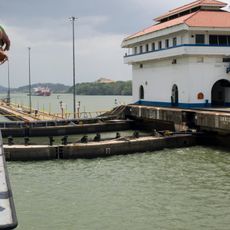
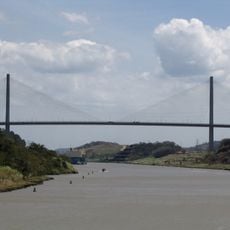
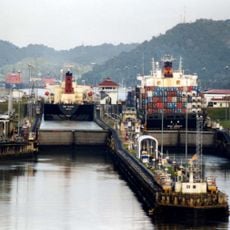
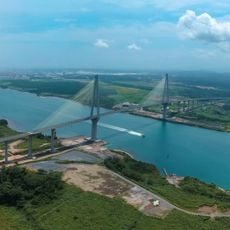
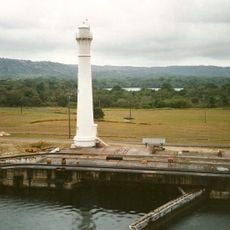
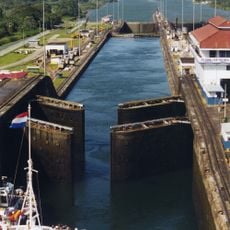
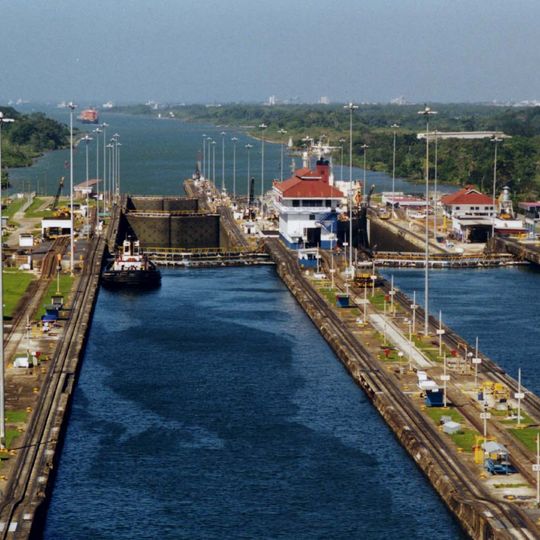
The Panama Canal is a maritime passage connecting the Atlantic and Pacific Oceans across 82 kilometers through a system of locks and artificial lakes. The crossing takes ships through three main lock chambers that raise and lower water levels step by step, while locomotives along the chamber walls control the movement of cargo vessels.
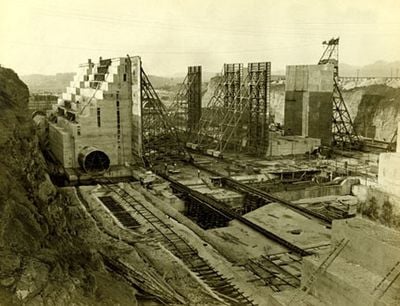
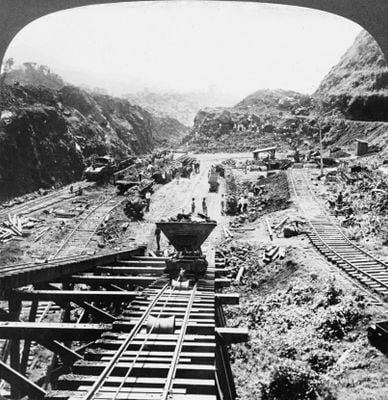
A French company began work in 1881 but had to abandon the project due to technical challenges and disease. The United States took over in 1904 and finished the work in 1914, after Panama gained independence from Colombia.
Ships from around the world pass through here, and local families regularly visit the viewing platforms to watch large freighters cross. These visits have become a kind of local ritual, where people gather to witness a technical spectacle that shapes daily life across the country.
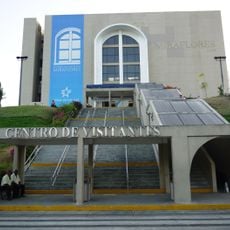
Visitors can watch ships pass through from viewing terraces located at several points along the route. The visitor center at Miraflores offers exhibitions and dining areas where you can follow the action directly from the waterside.
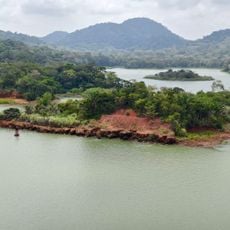
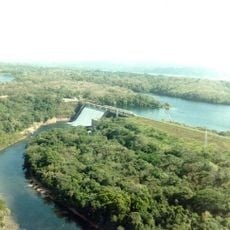
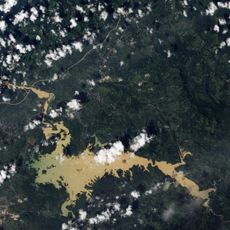
The water that fills and empties the locks comes entirely from rainfall collected in the Gatun Lake watershed. Each ship passage uses around 200 million liters of freshwater, which then flows out to sea.
The community of curious travelers
AroundUs brings together thousands of curated places, local tips, and hidden gems, enriched daily by 90,767 contributors worldwide.