Río Plátano Biosphere Reserve, Biosphere reserve in Gracias a Dios Department, Honduras
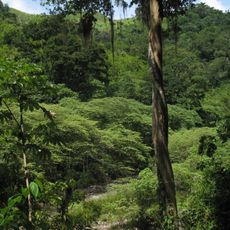
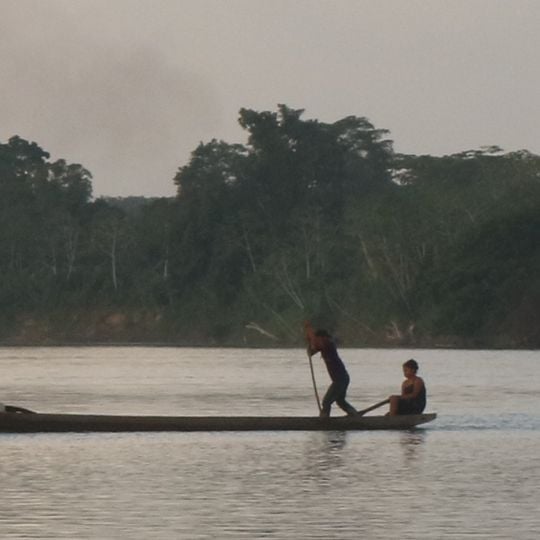
The Río Plátano Biosphere Reserve is a protected area of 5,250 square kilometers in the Gracias a Dios department on Honduras's Caribbean coast. It covers mountainous and lowland tropical rainforest along the Río Plátano, with a buffer zone of 3,250 square kilometers added in 1997. Dugout canoes with standing polers and paddlers are used on the river.
The land was first protected in 1960 as the Ciudad Blanca Archaeological Reserve, named after the legendary settlement. It was renamed Río Plátano Biosphere Reserve in 1980 and added to the World Heritage list in 1982. In 1997, a 3,250 km² buffer zone was added, and the German Development Bank began a plan to expand the reserve toward the Patuca River and Nicaragua's Bosawás reserve.
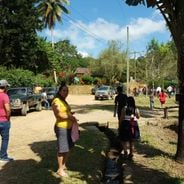
Four groups live in the reserve: Miskito, Pech, Garifuna and ladino. Miskito, Pech and Garifuna communities are mostly in the north along the river, where they farm; many ladino arrived from the south. Miskito residents offer river trips in dugout canoes, and land-title disputes are a recurring source of conflict.
Plan for multi-day trips to explore the area, as trails are long and the jungle is dense throughout. Local guides are essential for safe navigation through this remote wilderness.
The area contains one of the largest continuous forest stretches north of the Amazon and is extraordinarily valuable for research and science. This intact wilderness allows researchers to study natural processes that have disappeared from most other places.
The community of curious travelers
AroundUs brings together thousands of curated places, local tips, and hidden gems, enriched daily by 93,768 contributors worldwide.