Cartagena Province, Spanish colonial province in northern South America.
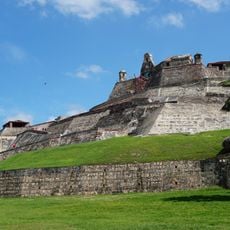
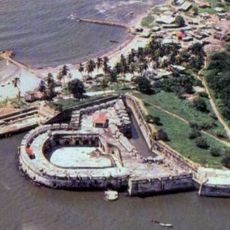
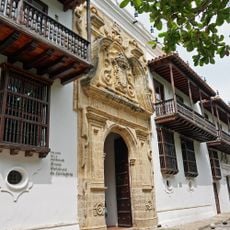
Cartagena Province was a territory on the Caribbean coast of South America that encompassed important port cities and settlements for Spanish colonial rule. It stretched across strategically located areas with waterways used for trade and the exchange of goods between Europe and the colonies.
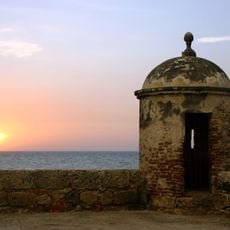
The province was established in 1533 as a captaincy general separated from Tierra Firme and became a central point for Spanish maritime operations in the Caribbean. It underwent significant shifts during the independence wars that altered its political standing.
The name derives from the coastal city that became the hub of Spanish colonial rule. The population was shaped by the mixing of Spanish settlers, enslaved African people, and indigenous communities, reflected in daily social practices and hierarchies that formed over time.
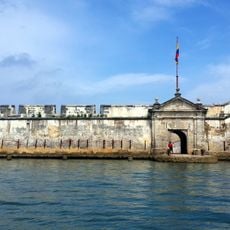
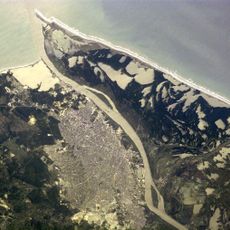
Natural harbors in the territory were easily accessible and enabled efficient Atlantic trade. Visitors wanting to understand the historical importance of this trading network should focus on coastal areas where port facilities and trade routes remain visible today.
During South American independence movements, the territory briefly declared itself free before Spanish forces retook control. This moment revealed the early strength of liberation movements, even though they were ultimately overcome at first.
The community of curious travelers
AroundUs brings together thousands of curated places, local tips, and hidden gems, enriched daily by 90,903 contributors worldwide.