Cuetlajuchitlán, Mesoamerican archaeological site in Huitzuco de los Figueroa, Mexico
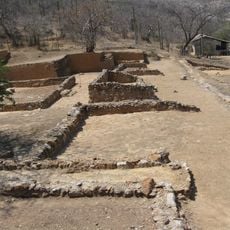
Cuetlajuchitlán is an archaeological site 3 km southeast of Paso Morelos, in Huitzuco de los Figueroa. Its low walls of irregular grey and pale brown limestone, set in mortar, form rectangular and L-shaped rooms and patios crossed by narrow straight pathways. The main structure, Ceremonial Enclosure 1, measures 28 m north-south by 18 m east-west and contains a sunken patio and two pink stone tubs carved from single blocks.
Discovered in 1991 during construction of the Cuernavaca–Acapulco highway, the site was built between 800 BCE and 300 CE. Its first stage (800–600 BCE) left limestone walls and platforms; it flourished from 200 BCE to 200 CE with carved tuff sculptures and column blocks. By around 300 CE it was abandoned, its materials reused in later walls.
The name Cuetlajuchitlán comes from Nahuatl and means "place of red flowers" or "withered place", possibly referring to the poinsettia native to the region. Paso Morelos was formerly called Cuetlajuchitlán or Cuetlajuchi. In Ceremonial Enclosure 1, two pink stone tubs carved from a single block, with a seat on the western side and an eyebrow-shaped outer design, were probably used for ritual baths; a temazcal stands nearby.
Visit during daylight hours to see the structures and layout of the site clearly. The location sits near a major highway and is relatively accessible, though sturdy footwear is recommended as the terrain is uneven in places.
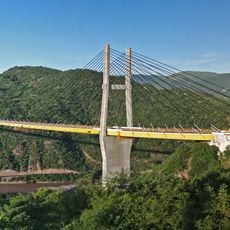
The Cuernavaca–Acapulco highway, known as the Autopista del Sol, passes 50 m below the site through the single-arch Los Querendes tunnel, built with strict precautions after the ruins were found in 1991 during roadwork. Only two of the site's roughly 35 hectares have been explored.
The community of curious travelers
AroundUs brings together thousands of curated places, local tips, and hidden gems, enriched daily by 93,796 contributors worldwide.