See the monuments around you in AROpen chests in the app
Around Us is built for your phone — point your camera at the streets and discover the monuments and places around you in augmented reality.Around Us is built for your phone — chests unlock when you walk, explore and capture nearby places.
Natural and historic sites across Guerrero state Mexico
Guerrero brings together Pacific coastline, colonial towns, and archaeological sites from pre-Hispanic civilizations. The landscape ranges from sandy beaches and offshore islands to cave systems and waterfalls in the mountainous interior of the Sierra Madre del Sur. Taxco displays baroque churches and silver mining heritage, while Acapulco combines modern resort areas with historical fortifications.
The region preserves traces of different eras: Tehuacalco and Teopantecuanitlan document indigenous settlements, Santa Prisca Church showcases eighteenth-century colonial architecture, and Fort San Diego recalls the defensive structures of the colonial period. Natural spaces such as Cacahuamilpa Caves, the botanical garden in Acapulco, and remote beaches near Troncones or Barra de Potosí offer contrast to the cultural sites. The cliffs at La Quebrada and the bays around Zihuatanejo rank among the better-known coastal points, while smaller places like Ixcateopan present local history and rural life.
Natural and historic sites across Guerrero state Mexico
Guerrero brings together Pacific coastline, colonial towns, and archaeological sites from pre-Hispanic civilizations. The landscape ranges from sandy beaches and offshore islands to cave systems and waterfalls in the mountainous interior of the Sierra Madre del Sur. Taxco displays baroque churches and silver mining heritage, while Acapulco combines modern resort areas with historical fortifications.
The region preserves traces of different eras: Tehuacalco and Teopantecuanitlan document indigenous settlements, Santa Prisca Church showcases eighteenth-century colonial architecture, and Fort San Diego recalls the defensive structures of the colonial period. Natural spaces such as Cacahuamilpa Caves, the botanical garden in Acapulco, and remote beaches near Troncones or Barra de Potosí offer contrast to the cultural sites. The cliffs at La Quebrada and the bays around Zihuatanejo rank among the better-known coastal points, while smaller places like Ixcateopan present local history and rural life.
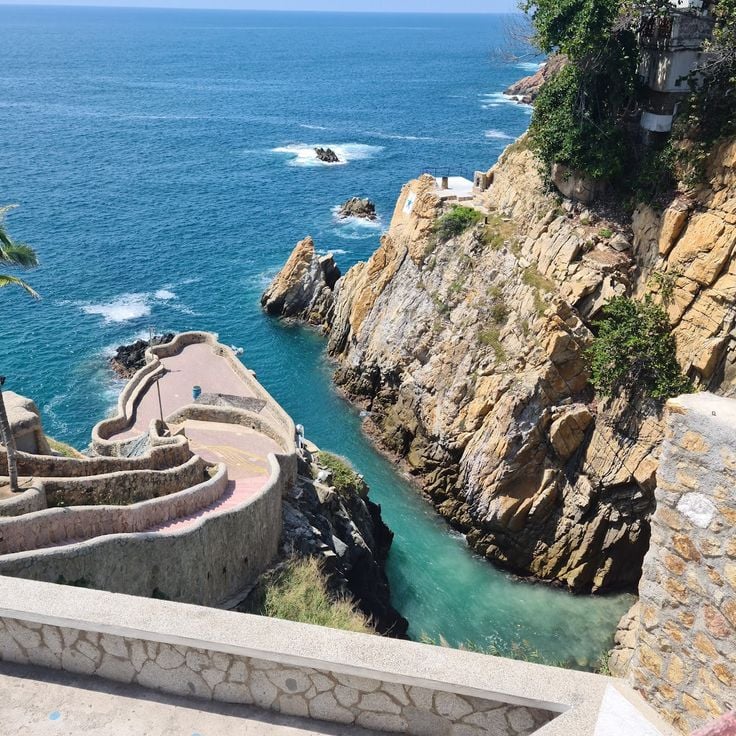
This cliff in Acapulco is known for its daring divers who jump into the Pacific Ocean several times each day. The divers wait for the right wave before leaping from the rock edge into the water below. The spectacle shows a tradition that has existed in Guerrero for decades and now draws visitors from many countries. The jump occurs from a height of 35 meters (115 feet), with each diver timing the moment carefully so the water is deep enough. From the platform you can see the surf and hear the sound of waves crashing against the rocks.
This three-mile stretch of sand presents consistent waves for surfing and nesting areas for sea turtles. Troncones Beach offers a combination of natural coastal landscape and calm water for swimmers. The area belongs to the less developed coastal zones of Guerrero, where visitors can experience both wave activities and the protection of marine species.
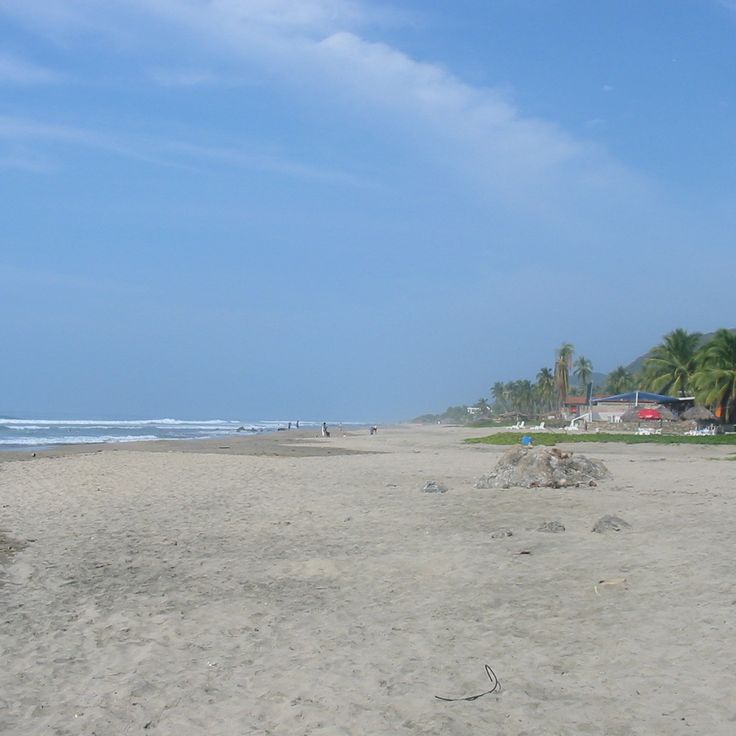
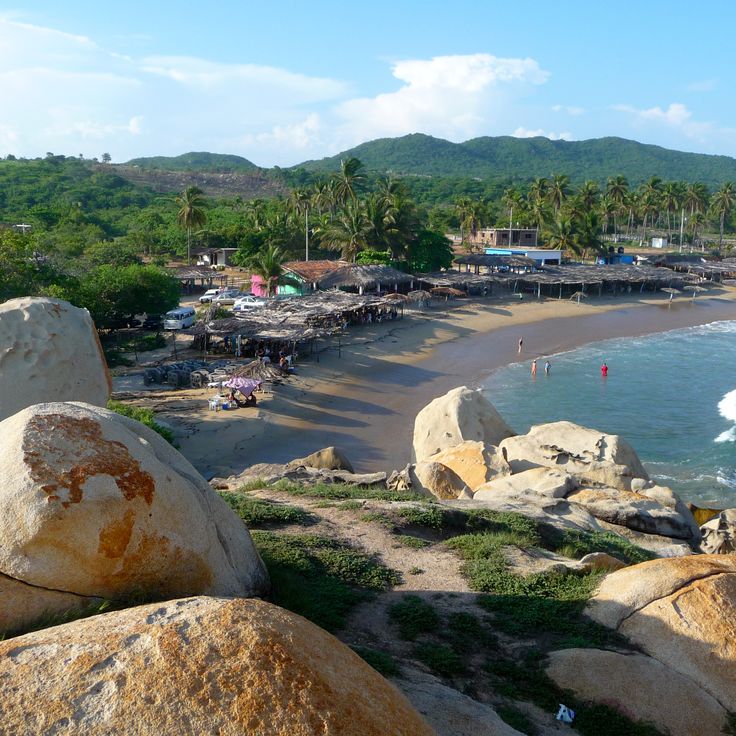
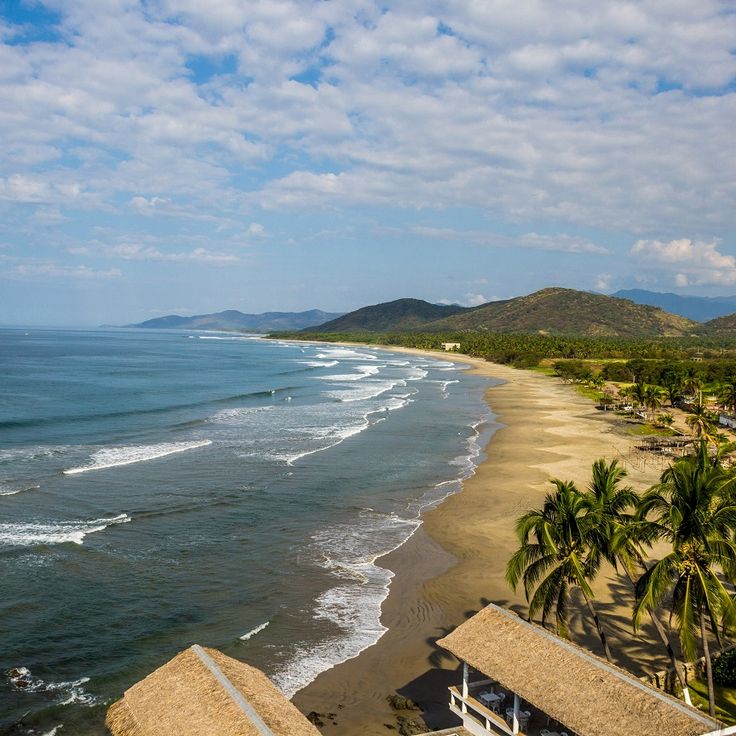
This wide sandy beach stretches for several kilometers along the coast of Acapulco and belongs to the natural landscapes of Guerrero state. Small restaurants offer fresh seafood while the calm waters invite swimming. The beach sits away from the main tourist areas and keeps a relaxed character, where local fishermen pull up their boats and families find shade under palm trees.
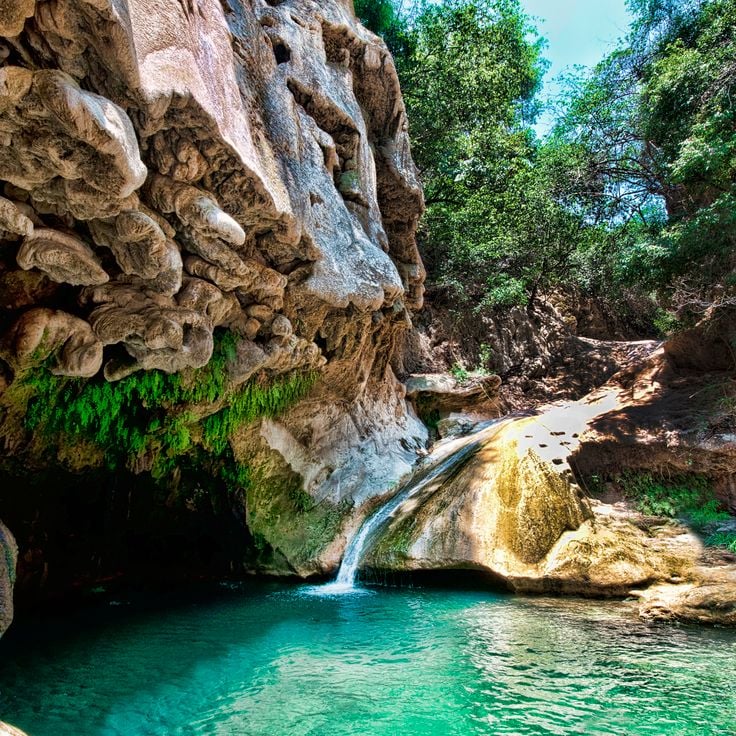
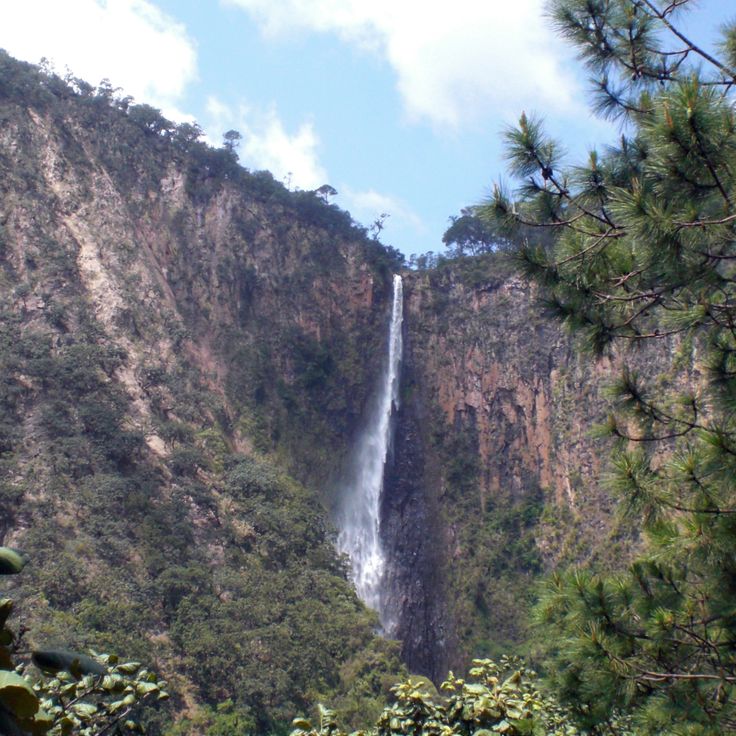
This waterfall near Taxco de Alarcón drops from a height of around 80 feet (25 meters) into a natural pool. The rock formations around the waterfall create a secluded setting, and the surrounding vegetation reflects the tropical flora found in this region of Guerrero. The site attracts visitors seeking a quiet spot away from the historic silver mining town, and offers a cool retreat during the warmer months.
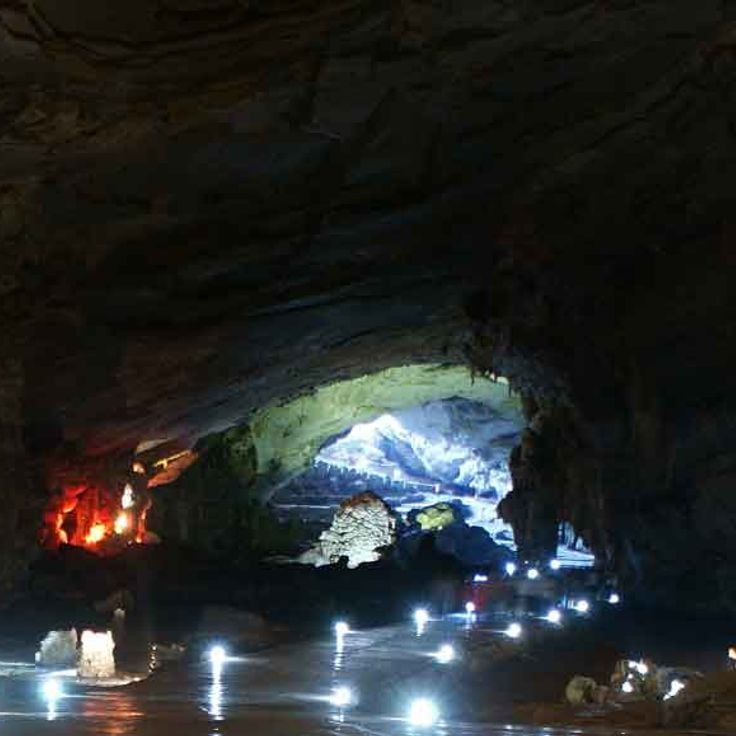
These caves lie within Grutas de Cacahuamilpa National Park and belong to one of the longest underground systems in Mexico. The limestone formations grew over millions of years as water deposited minerals. In the main chambers, stalactites hang from the ceiling and stalagmites rise from the floor. Some columns reach several yards high and show layers of different colors. The temperature remains cool throughout the year. Footpaths wind through the lit sections where rock shapes stand out in shadow and light.
This coral island sits about 2 kilometers from the coast and can only be reached by boat. Tropical fish and sea turtles swim near the beaches. The clear water makes it a good place for snorkeling. The small size means you can walk most of the shoreline in a few hours. Local fishermen run trips from the mainland. Palm trees provide shade along some stretches of sand. The island is one of the natural sites in Guerrero state that draws visitors interested in the marine life of the region.
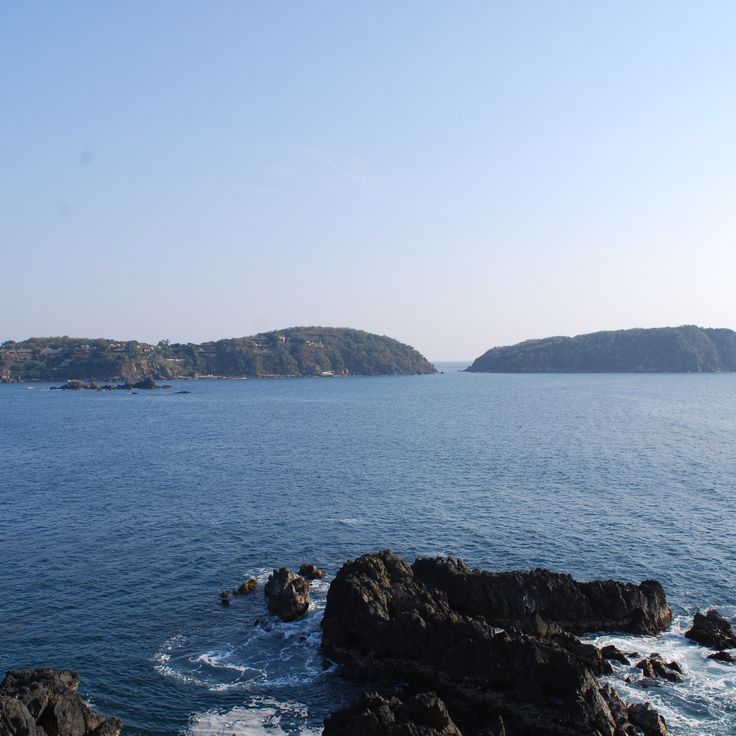
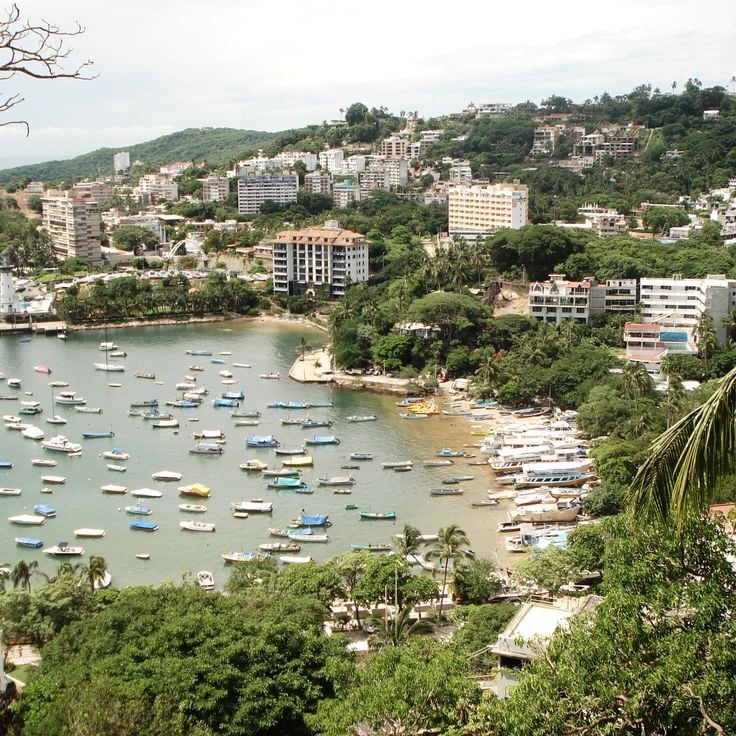
This island sits roughly 1 kilometer (0.6 miles) off Caleta Beach and forms part of the natural heritage sites along Guerrero's Pacific coast. It offers four marked walking paths that wind through tropical vegetation and open onto lookout points facing the bay. A lighthouse stands on the highest elevation and still guides vessels approaching the harbor. Waters surrounding the island shelter many fish species that move among rock formations and patches of coral. Visitors walk the paths to explore the terrain or rest on the beaches, while small boats bring divers and snorkelers to the underwater areas.
This church was completed in 1751 and stands at the center of Taxco with two towers that reach toward the sky. Inside, the altars are covered with gold leaf and surrounded by carved wooden panels and paintings from the colonial period. Santa Prisca represents Mexican baroque style in Guerrero state and continues to attract visitors who come to see how silver wealth shaped the town. The church remains active for religious celebrations and ceremonies throughout the year.
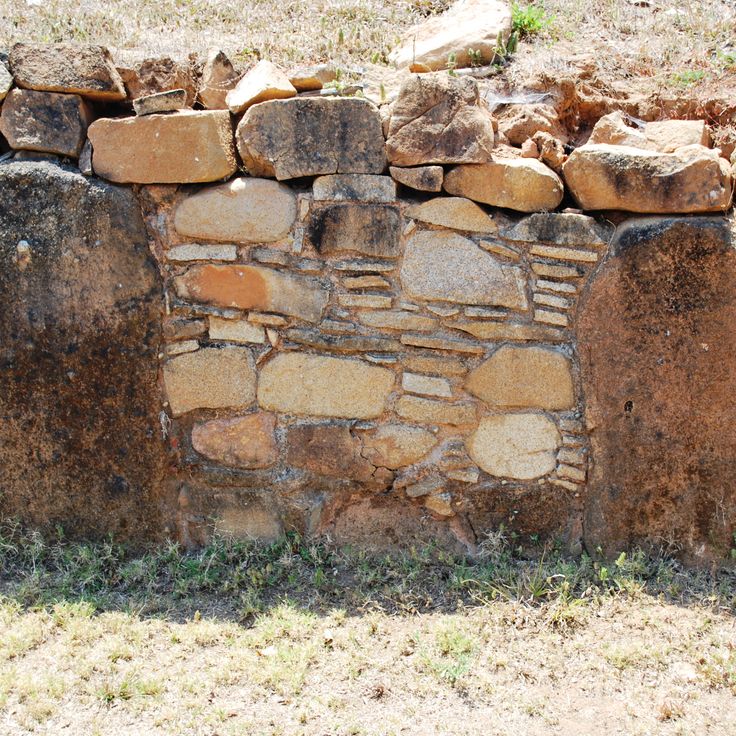
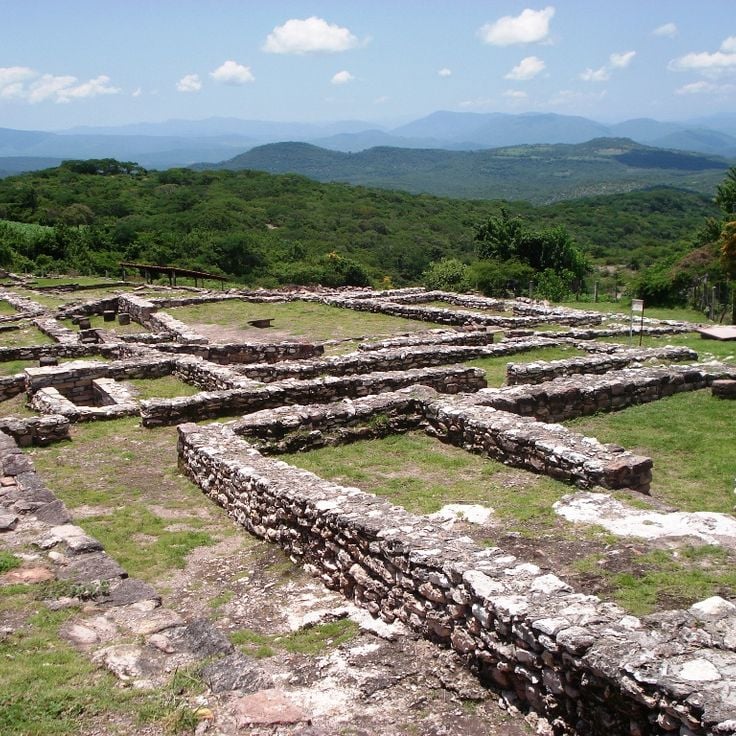
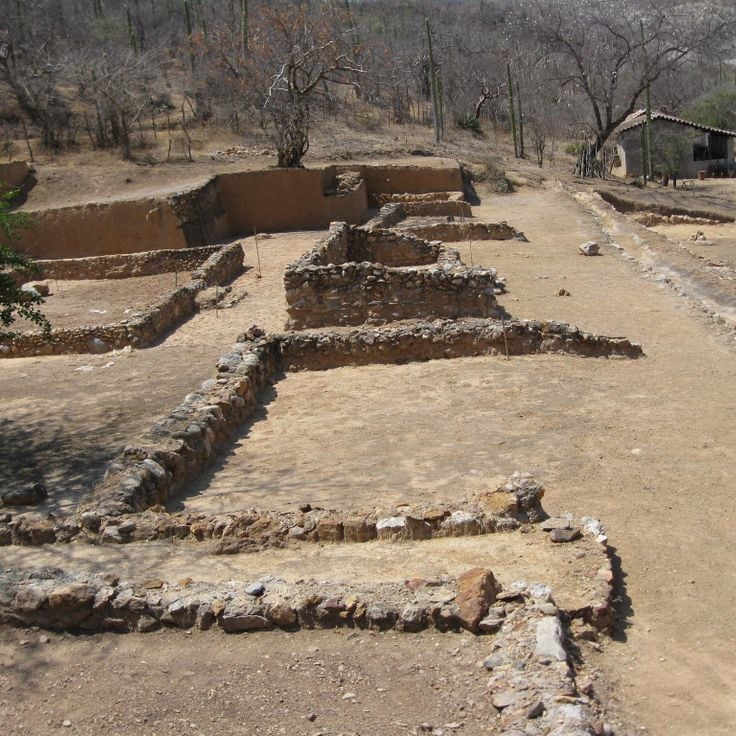
This archaeological site in the mountains preserves the remains of an ancient Yope settlement from the 7th to 12th centuries. The Tehuacalco Archaeological Zone contains pyramids, ceremonial plazas and residential areas arranged across several terraces. Visitors walk among stone structures that once served religious and social functions. The site sits in a quiet landscape with views over forested hills, offering insight into a civilization that lived here before the Spanish conquest.
This national park protects tropical forests across more than 3600 hectares (8900 acres) in the mountains above the coast. El Veladero National Park preserves habitat for birds and small mammals among the wooded hills. Trails wind through thick forest that sheds its leaves in the dry season and grows green again with the rains. The elevation brings cooler temperatures than the shoreline. Archaeological sites with rock paintings and petroglyphs from prehistoric inhabitants lie scattered among the trees. The park serves to maintain local wildlife in a region undergoing rapid development.
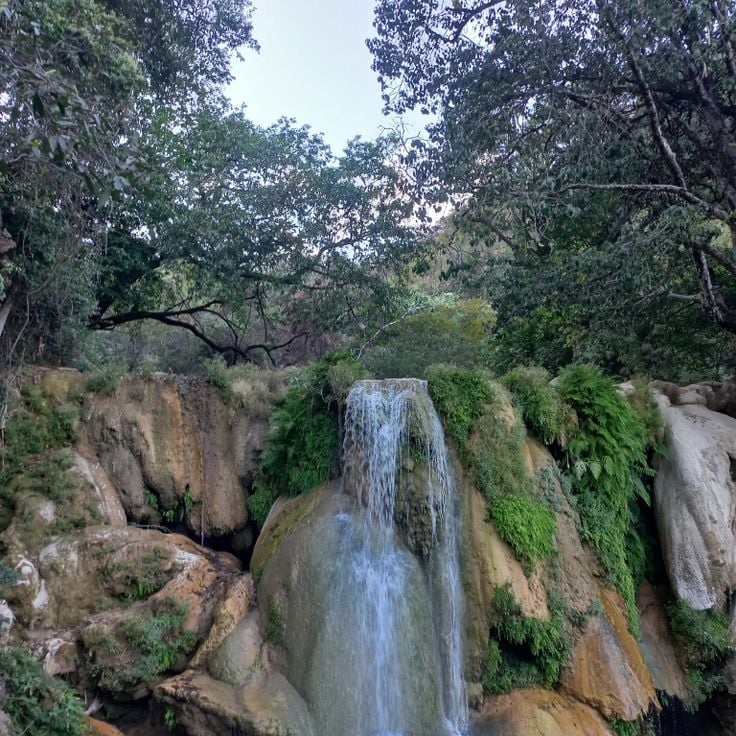
This cascade series flows down multiple levels and forms natural pools between limestone rocks. The water runs through tropical vegetation and invites swimmers into different basins along the way. The site sits near Taxco and shows the geological formations of the Guerrero region, shaped by erosion and the constant flow of water over time.
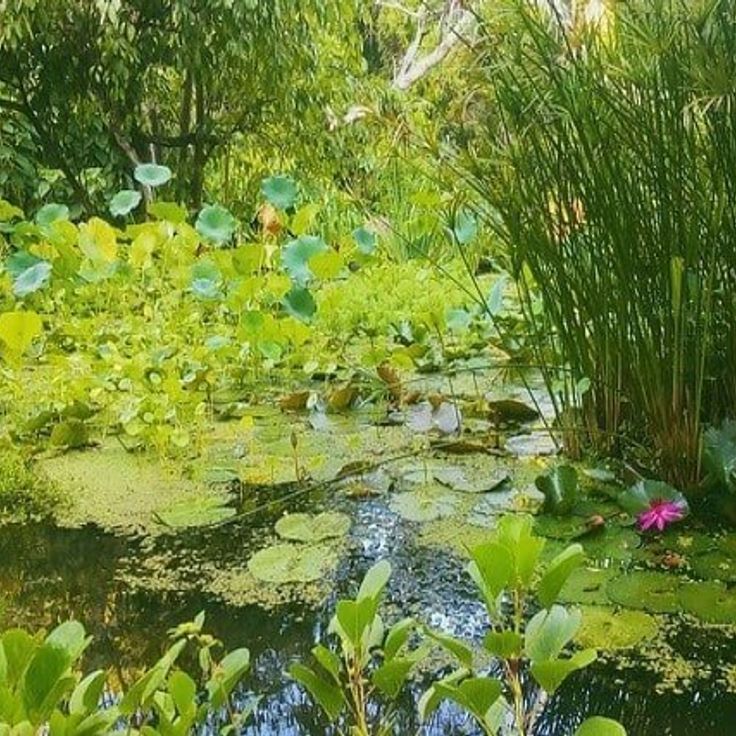
This botanical garden in Acapulco preserves native Mexican plants and tropical species that represent the vegetation of Guerrero state and its coastline. Paths lead through different collections organized by ecological zones and plant groups. Visitors can see cacti, palms, orchids, and trees from various regions of Mexico. The garden serves as a conservation site for threatened species and provides environmental education. The grounds offer shade and green spaces within the city, demonstrating the biological diversity of the country.
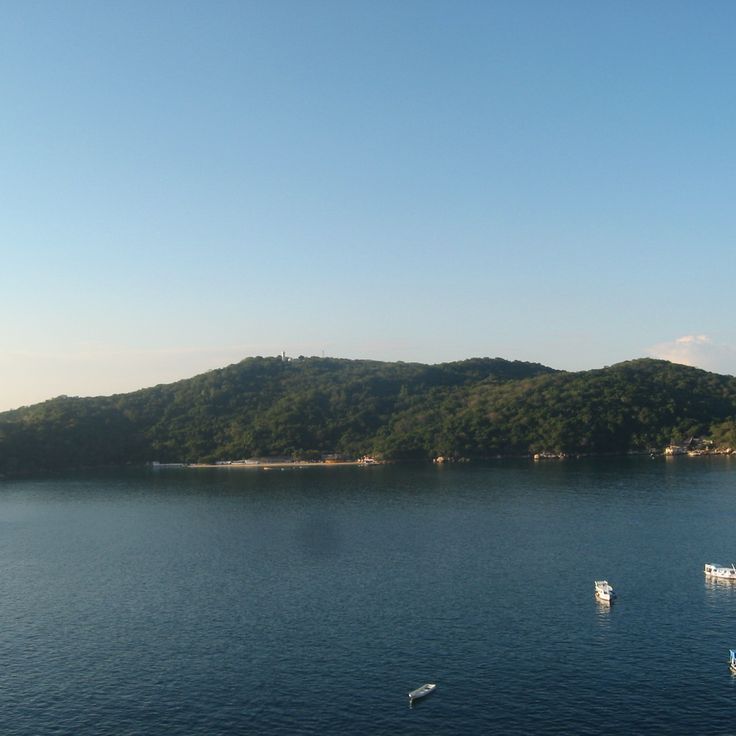
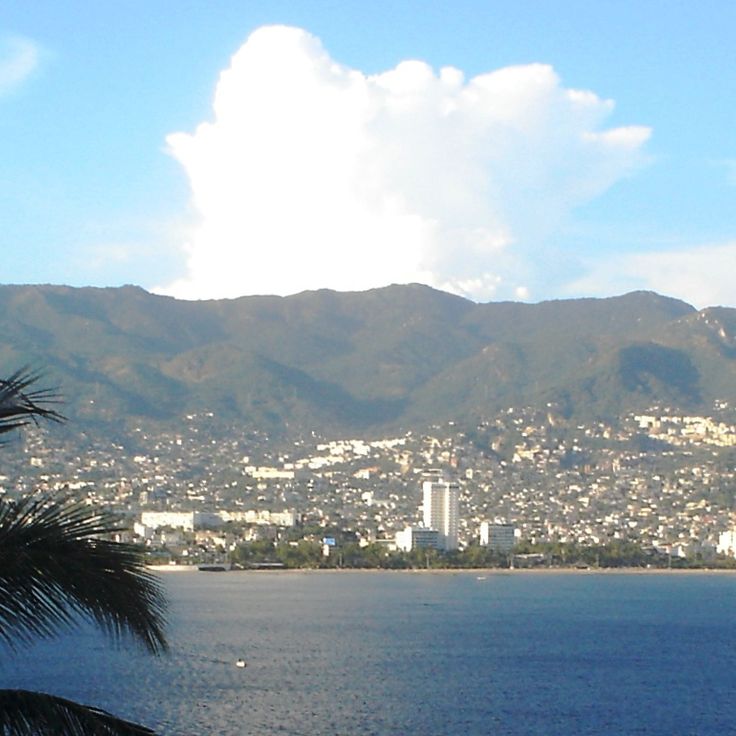
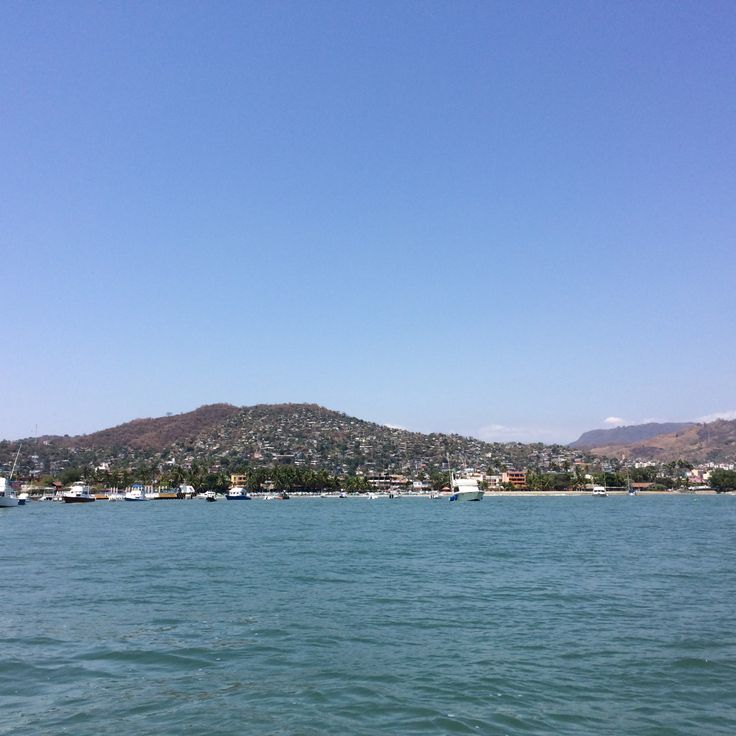
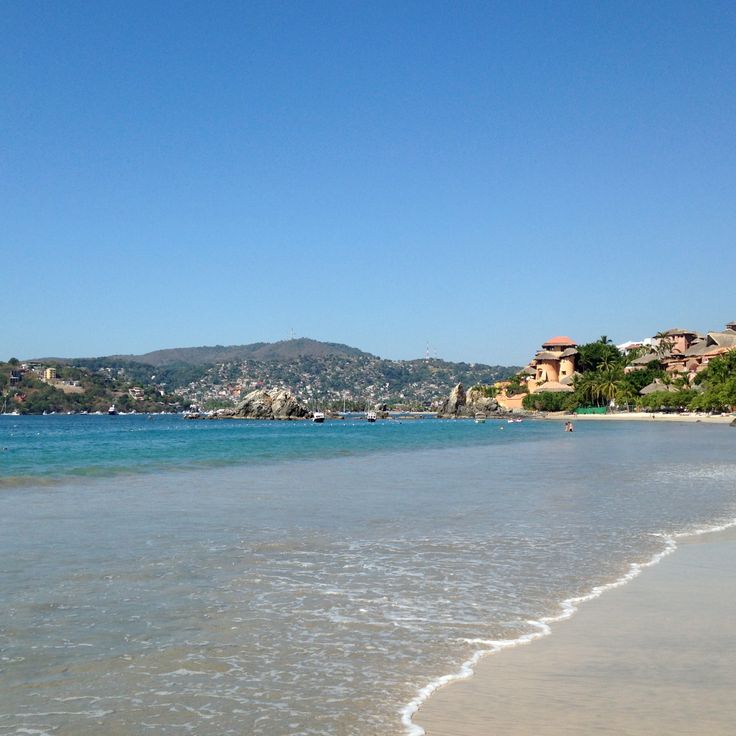
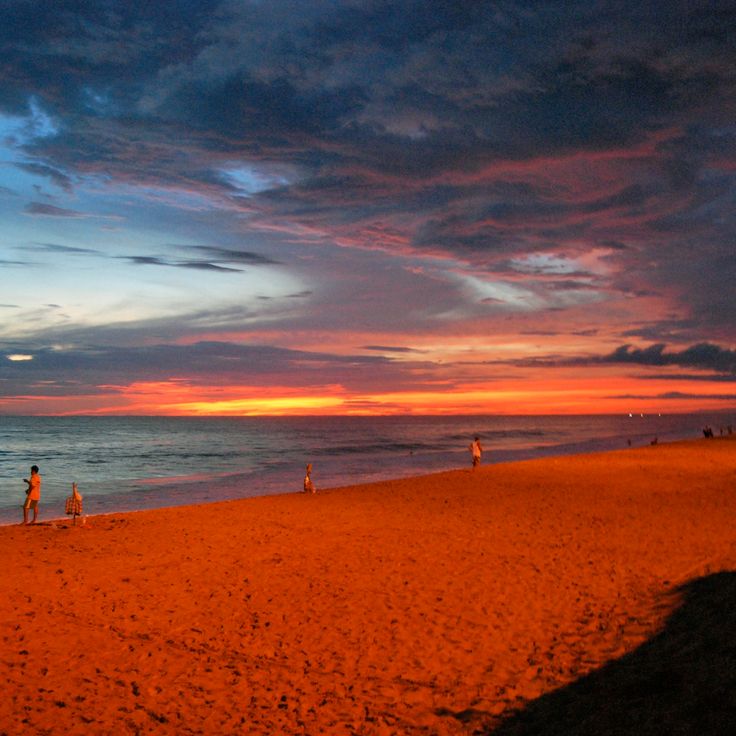
This protected bay on the Pacific Ocean sits framed by mountains and draws visitors who watch fishing boats at work and experience sunsets over the water. Zihuatanejo Bay belongs to the natural anchorages along the Guerrero coast, where local fishermen and travelers meet. The water stays calm thanks to the surrounding hills, and in the late afternoon the sky turns warm colors. Small boats return from fishing while people gather along the shore.
This sandy beach sits along the Pacific coast and shows clear water with restaurants serving fresh fish dishes from local fishermen. Majahua Beach belongs to the natural coastal sites across Guerrero state and combines ocean access with local food culture. Visitors find a quiet setting here where life follows the rhythm of the tides and small boats rest along the shore.
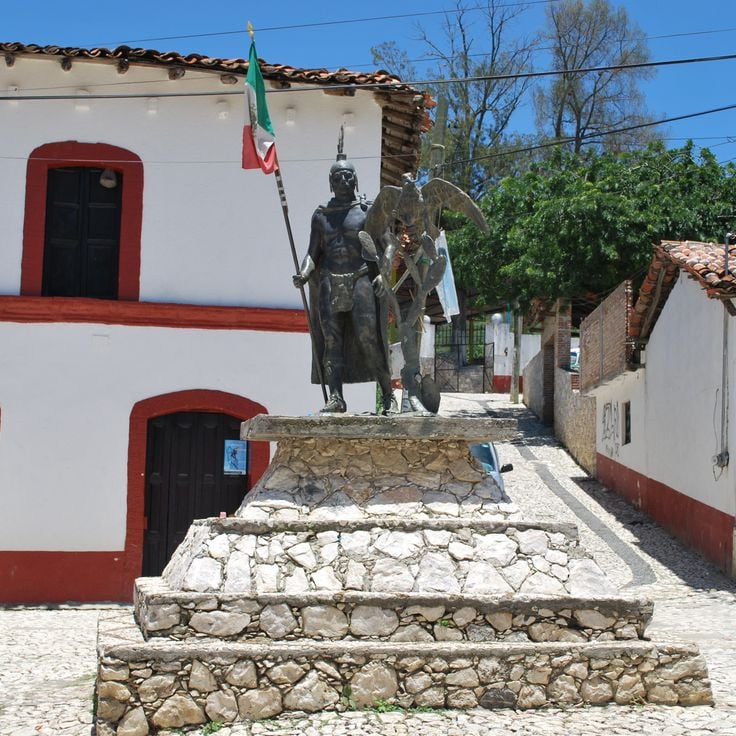
Ixcateopan de Cuauhtémoc preserves the tomb of the last Aztec ruler inside a 16th-century church. The stone walls and altar combine elements from pre-Hispanic times with later colonial construction. Visitors walk through narrow rooms to see the burial site, carved reliefs, and old masonry that mark the meeting of two eras. This place draws people curious about Mexican history and the final chapter of the Aztec empire.
This long stretch of sand is known for sea turtles that lay their eggs along the shore. Local conservation programs organize regular releases of hatchlings into the ocean. The beach lies in a remote area and is monitored by volunteers and biologists dedicated to protecting endangered species. Visitors can participate in releases during certain months and watch the small creatures make their way to the water.
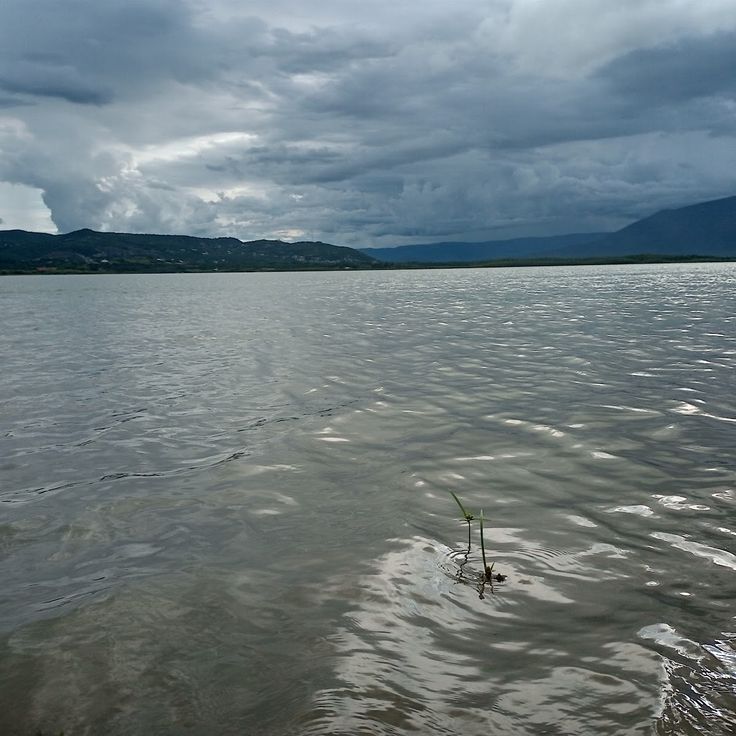
This lagoon sits on the edge of town and draws birdwatchers and families who want to take a boat ride across the calm water. Herons, ducks, and other waterfowl gather along the shores while fishing boats navigate through the reeds. On weekends, small restaurants around the perimeter serve local fish and enliven the area. Early morning offers the best time to observe wildlife before the afternoon heat sets in.
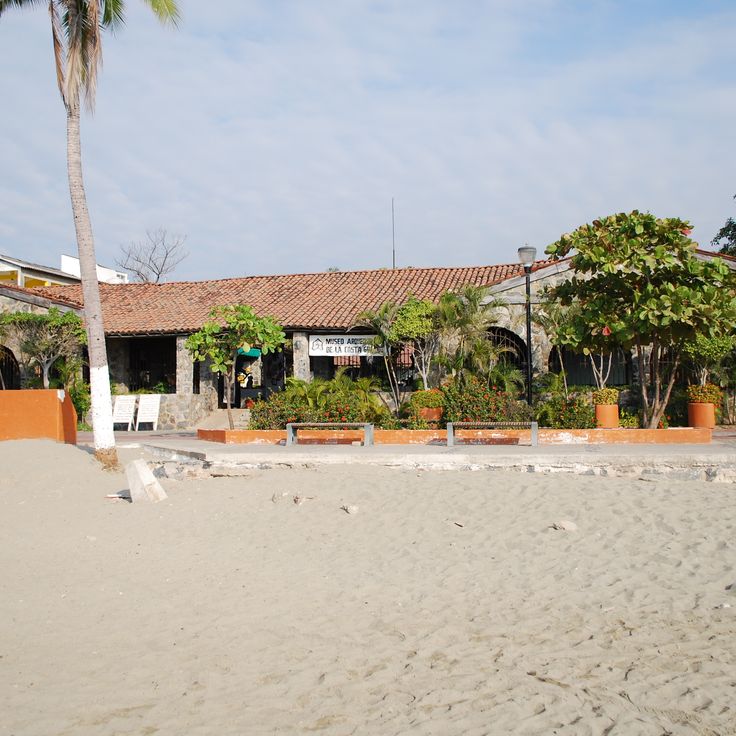
This museum preserves ceramics and objects spanning two thousand years of Pacific coast history. The collection shows everyday items, tools and vessels from the Cuitlateca and Purépecha peoples, along with pieces from the Spanish colonial era. Exhibits document trade routes, settlement patterns and cultural development in this coastal region of Guerrero between pre-Columbian times and the sixteenth century.
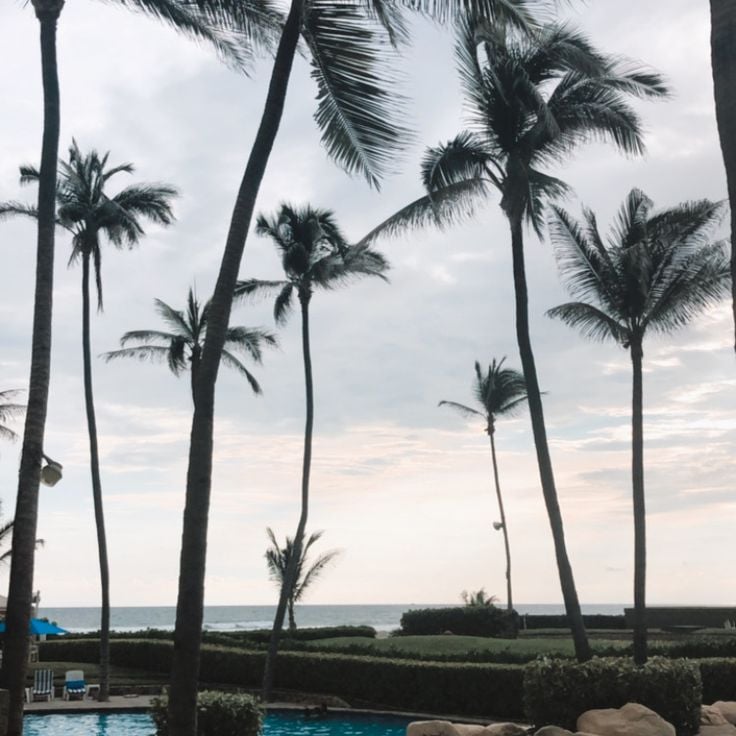
This beach section sits on the edge of Acapulco, combining sand with organized facilities. Playa Diamante offers swimming pools, restaurants, and access to beach clubs. The ocean remains accessible while lounge chairs and umbrellas add comfort for visitors seeking both water and service.
This coastal settlement connects a long sandy beach to mangrove forests and a saltwater lagoon. Barra de Potosí is known for its restaurants serving fresh seafood. Fishermen bring their catch straight to the kitchens while visitors walk through shallow waters or take boats into the mangrove channels. The lagoon separates the beach from the mainland and creates a quiet retreat away from Guerrero's main roads.
This sandy beach stretches over a kilometer along the bay of Zihuatanejo and reflects the natural landscape heritage found throughout Guerrero state. Shallow water and gentle waves make La Ropa Beach a place for swimming and various water sports. Palm trees line the wide shore while local restaurants serve simple food. The protected location creates calm conditions during most of the year. Visitors find shaded areas under the trees and families appreciate the easy entry into the water.
This archaeological site in Guerrero presents stone buildings, pyramids, and ceremonial platforms dating from 350 to 600 CE. Cuetlajuchitlan spreads across forested terrain and offers insight into the pre-Hispanic settlement of the region. The ruins sit away from major tourist routes and provide a quiet setting for exploring the ancient structures.
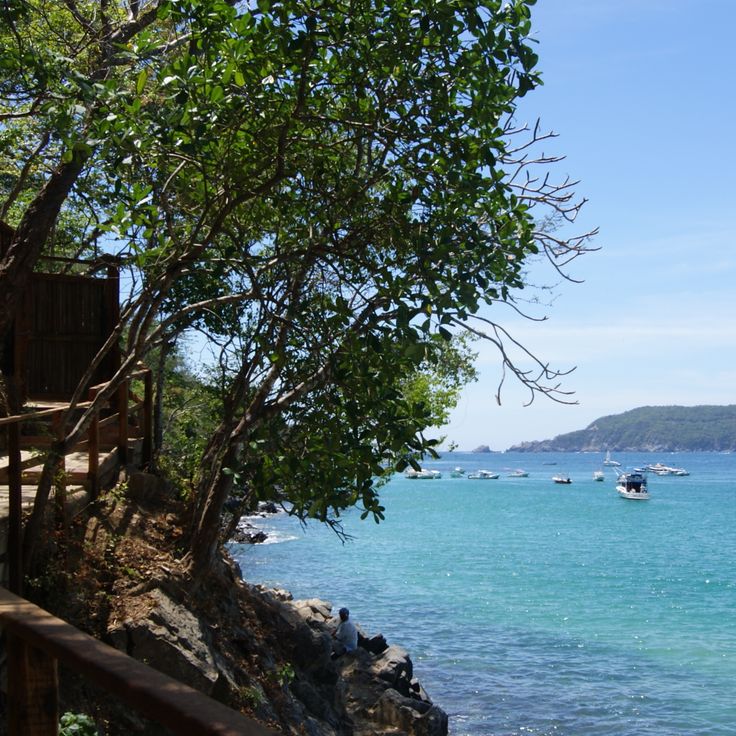
This beach sits in a small cove with clear water and coral reefs near the surface, where local fishermen cast their nets and water sports enthusiasts pass by. Manzanillo Beach is part of the natural and historic sites across Guerrero and shows the coastal landscape of Mexico with its maritime life. The reef starts at shallow depth and extends across the seabed. Fishermen arrive in the morning, while snorkelers and divers explore the water during the day. The cove opens to the Pacific and offers shelter from stronger waves. Palm trees line the sandy strip, and small boats rest on the shore.
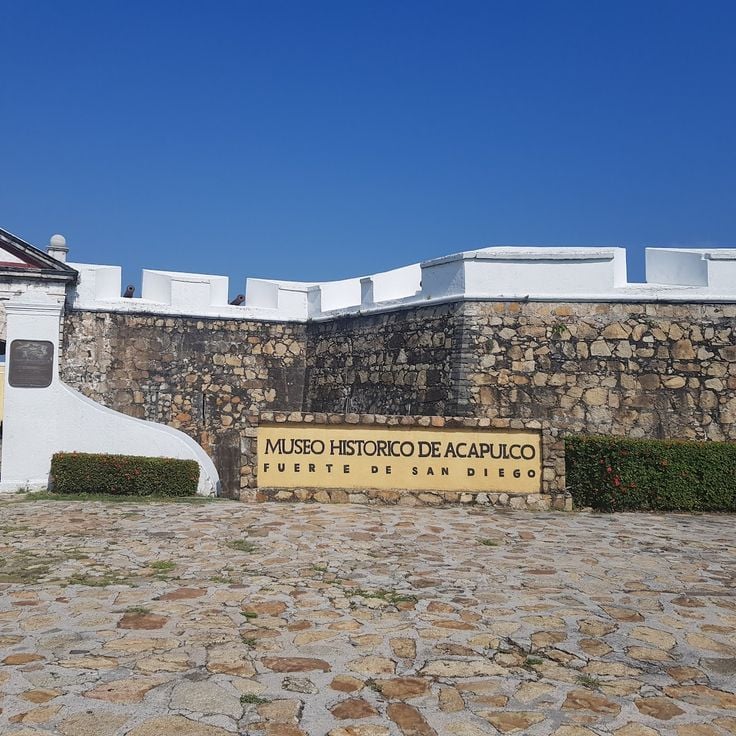
This fortress was built in 1616 to protect the port of Acapulco. The museum displays objects from the time when Spanish ships traded with the Philippines. Visitors can see maps, weapons, and tools from several centuries. The star-shaped architecture offers views over the bay and the city.
This beach lies west of Acapulco and consists of a long sand strip between Pacific surf and lagoons. The water often shows high waves and strong current, which is why many surfers come here between June and September. The sand dunes appear calm compared to the shore, while behind them lie lagoons with quiet water. In the evening, locals and visitors gather to watch the sunset over the ocean.
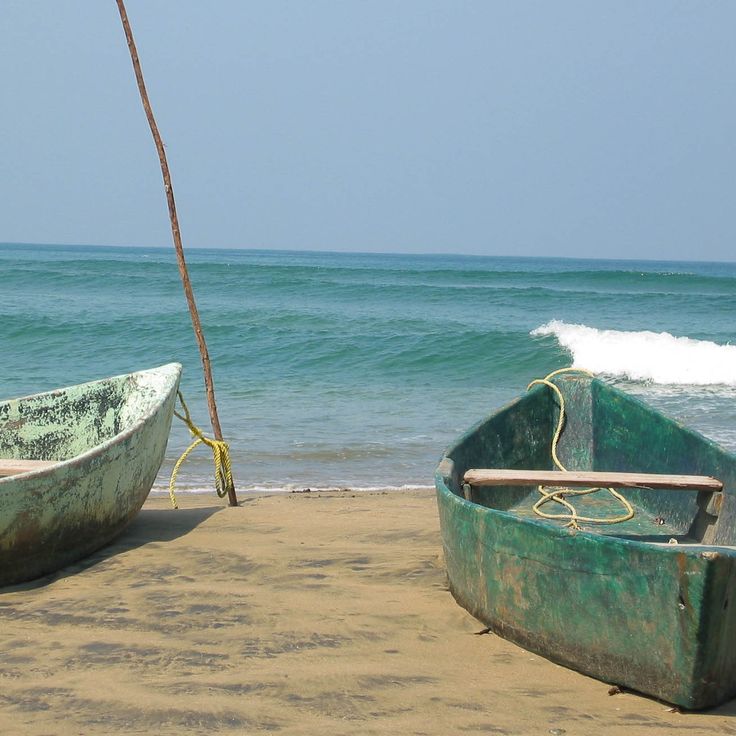
This bay is used by small fishing boats that return each morning with their catch. Wooden boats rest at the docks while fishermen repair their nets. Small restaurants serve the day's catch. Boats travel to nearby islands where sea turtles swim in shallow water. The Bahía de Papanoa is a quiet place where life follows the rhythm of the ocean, and visitors can watch the local community work and eat.
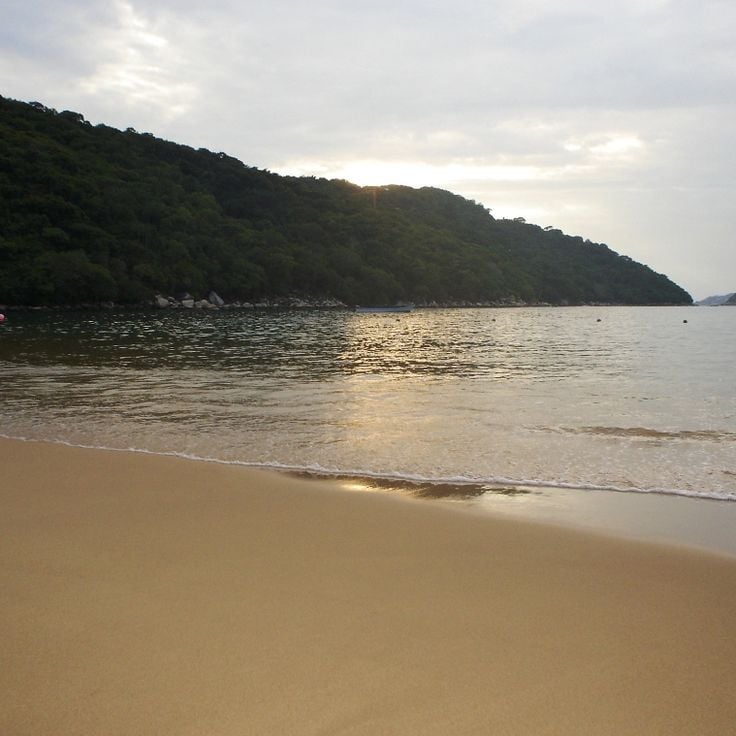
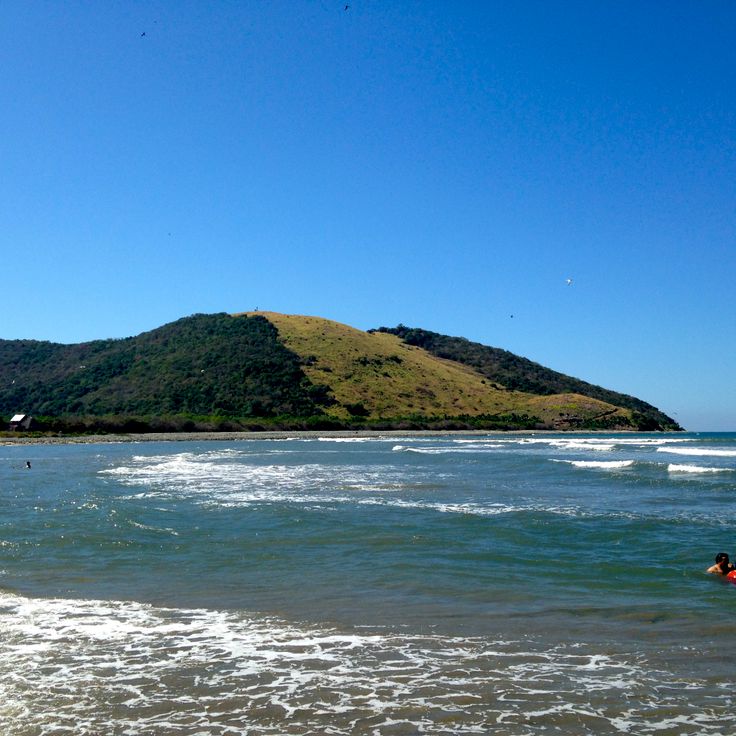
This beach stretches along the coast and belongs to the natural landscapes across Guerrero state. The sea is warm throughout the year. Palm trees line the shore and provide shade. The waves are gentle and the water is clear. Fishermen arrive in the morning, and visitors spend the day on the sand. The surroundings are quiet, with few buildings in sight. Access is by a winding road through forested terrain.
This beach sits at a coral reef where rock formations rise beneath the surface and schools of colored fish swim among them. Water taxis leave every hour from the main pier and carry visitors across the bay. Several beach shacks rent snorkeling gear and chairs. The water remains mostly calm, sheltered by the reef. Small restaurants serve grilled fish and seafood right on the sand. The beach is one of the natural sites in the Guerrero region known for its coastal landscapes.
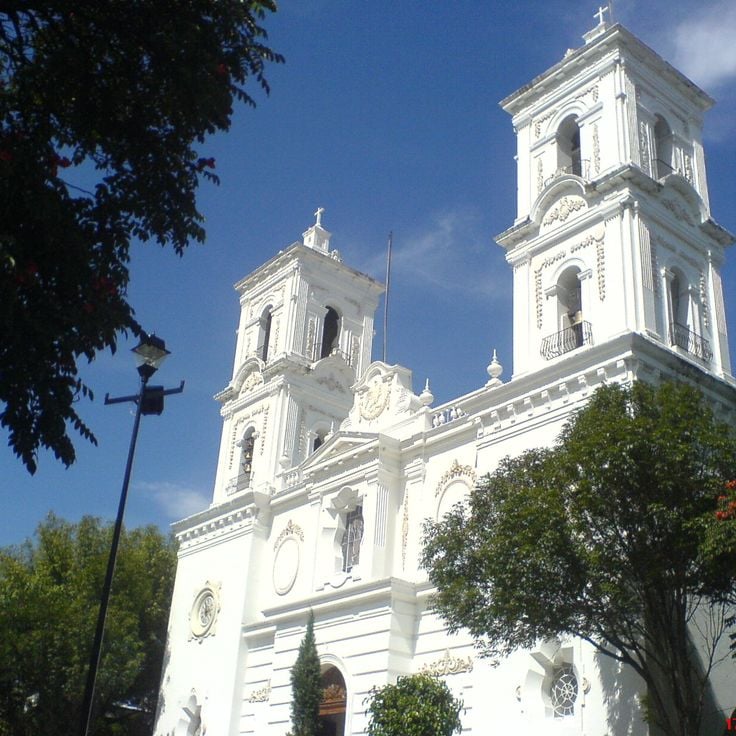
This cathedral stands in the center of Chilpancingo and was built in the 18th century. The white stone facade shows two bell towers that flank the entrance. A dome rises above the altar and can be seen from outside. The interior follows the classic colonial layout with a tall nave and side chapels. Masses and religious festivals bring together locals who gather here for services. The cathedral offers a quiet place in the middle of the city where visitors can see architecture from the Spanish colonial period. The towers shape the skyline and are visible from many streets in town.
This archaeological site of Teopantecuanitlan preserves traces of a civilization that existed before the Olmec. The stonework dates back to 1400 BCE. Ceremonial platforms and stone sculptures occupy the grounds. Water channels are carved into the rock. The findings document early Mexican cultures. The place sits in a remote area of Guerrero and ranks among the oldest known settlements in the region.
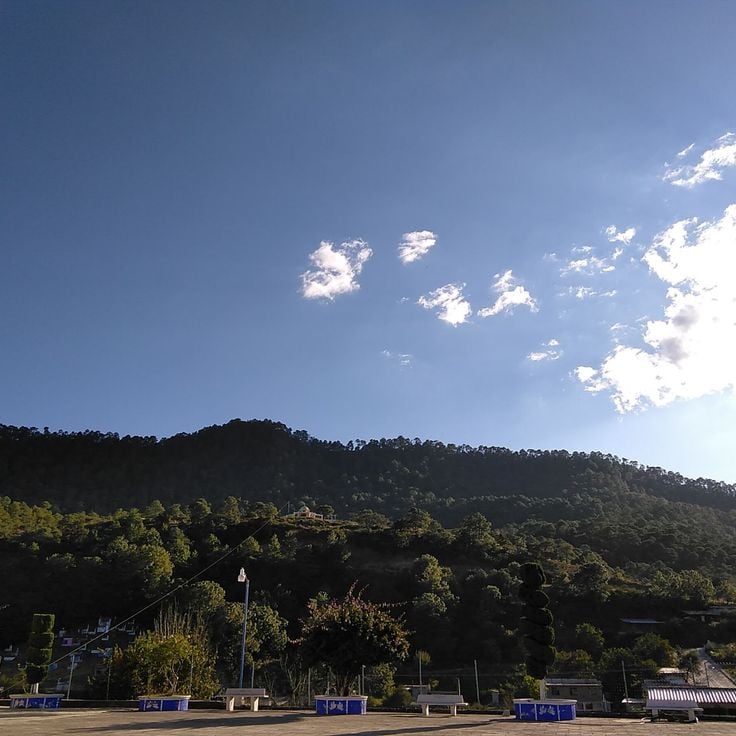
This mountain range extends along the Pacific coast and forms a region of pine forests, waterfalls and hiking trails at elevations reaching 3700 meters (12100 feet). The Sierra Madre del Sur offers access to remote landscapes where temperatures drop with altitude and vegetation changes. Hikers find trails through dense forests and open mountain slopes. The area preserves natural habitats and serves as a watershed for rivers flowing to the coast.
These pools are natural limestone basins filled with mineral water that stays at 73°F (23°C). The water shows different shades of blue and flows between rocks covered with native plants. Pozas azules de Atzala sits in a quiet area where visitors can wade between the pools and feel the warmth of the water. Small waterfalls connect one basin to another, while minerals in the water give the stone its color.
This cliff in Acapulco is known for its daring divers who jump into the Pacific Ocean several times each day. The divers wait for the right wave before leaping from the rock edge into the water below. The spectacle shows a tradition that has existed in Guerrero for decades and now draws visitors from many countries. The jump occurs from a height of 35 meters (115 feet), with each diver timing the moment carefully so the water is deep enough. From the platform you can see the surf and hear the sound of waves crashing against the rocks.
This three-mile stretch of sand presents consistent waves for surfing and nesting areas for sea turtles. Troncones Beach offers a combination of natural coastal landscape and calm water for swimmers. The area belongs to the less developed coastal zones of Guerrero, where visitors can experience both wave activities and the protection of marine species.
This wide sandy beach stretches for several kilometers along the coast of Acapulco and belongs to the natural landscapes of Guerrero state. Small restaurants offer fresh seafood while the calm waters invite swimming. The beach sits away from the main tourist areas and keeps a relaxed character, where local fishermen pull up their boats and families find shade under palm trees.
This waterfall near Taxco de Alarcón drops from a height of around 80 feet (25 meters) into a natural pool. The rock formations around the waterfall create a secluded setting, and the surrounding vegetation reflects the tropical flora found in this region of Guerrero. The site attracts visitors seeking a quiet spot away from the historic silver mining town, and offers a cool retreat during the warmer months.
These caves lie within Grutas de Cacahuamilpa National Park and belong to one of the longest underground systems in Mexico. The limestone formations grew over millions of years as water deposited minerals. In the main chambers, stalactites hang from the ceiling and stalagmites rise from the floor. Some columns reach several yards high and show layers of different colors. The temperature remains cool throughout the year. Footpaths wind through the lit sections where rock shapes stand out in shadow and light.
This coral island sits about 2 kilometers from the coast and can only be reached by boat. Tropical fish and sea turtles swim near the beaches. The clear water makes it a good place for snorkeling. The small size means you can walk most of the shoreline in a few hours. Local fishermen run trips from the mainland. Palm trees provide shade along some stretches of sand. The island is one of the natural sites in Guerrero state that draws visitors interested in the marine life of the region.
This island sits roughly 1 kilometer (0.6 miles) off Caleta Beach and forms part of the natural heritage sites along Guerrero's Pacific coast. It offers four marked walking paths that wind through tropical vegetation and open onto lookout points facing the bay. A lighthouse stands on the highest elevation and still guides vessels approaching the harbor. Waters surrounding the island shelter many fish species that move among rock formations and patches of coral. Visitors walk the paths to explore the terrain or rest on the beaches, while small boats bring divers and snorkelers to the underwater areas.
This church was completed in 1751 and stands at the center of Taxco with two towers that reach toward the sky. Inside, the altars are covered with gold leaf and surrounded by carved wooden panels and paintings from the colonial period. Santa Prisca represents Mexican baroque style in Guerrero state and continues to attract visitors who come to see how silver wealth shaped the town. The church remains active for religious celebrations and ceremonies throughout the year.
This archaeological site in the mountains preserves the remains of an ancient Yope settlement from the 7th to 12th centuries. The Tehuacalco Archaeological Zone contains pyramids, ceremonial plazas and residential areas arranged across several terraces. Visitors walk among stone structures that once served religious and social functions. The site sits in a quiet landscape with views over forested hills, offering insight into a civilization that lived here before the Spanish conquest.
This national park protects tropical forests across more than 3600 hectares (8900 acres) in the mountains above the coast. El Veladero National Park preserves habitat for birds and small mammals among the wooded hills. Trails wind through thick forest that sheds its leaves in the dry season and grows green again with the rains. The elevation brings cooler temperatures than the shoreline. Archaeological sites with rock paintings and petroglyphs from prehistoric inhabitants lie scattered among the trees. The park serves to maintain local wildlife in a region undergoing rapid development.
This cascade series flows down multiple levels and forms natural pools between limestone rocks. The water runs through tropical vegetation and invites swimmers into different basins along the way. The site sits near Taxco and shows the geological formations of the Guerrero region, shaped by erosion and the constant flow of water over time.
This botanical garden in Acapulco preserves native Mexican plants and tropical species that represent the vegetation of Guerrero state and its coastline. Paths lead through different collections organized by ecological zones and plant groups. Visitors can see cacti, palms, orchids, and trees from various regions of Mexico. The garden serves as a conservation site for threatened species and provides environmental education. The grounds offer shade and green spaces within the city, demonstrating the biological diversity of the country.
This protected bay on the Pacific Ocean sits framed by mountains and draws visitors who watch fishing boats at work and experience sunsets over the water. Zihuatanejo Bay belongs to the natural anchorages along the Guerrero coast, where local fishermen and travelers meet. The water stays calm thanks to the surrounding hills, and in the late afternoon the sky turns warm colors. Small boats return from fishing while people gather along the shore.
This sandy beach sits along the Pacific coast and shows clear water with restaurants serving fresh fish dishes from local fishermen. Majahua Beach belongs to the natural coastal sites across Guerrero state and combines ocean access with local food culture. Visitors find a quiet setting here where life follows the rhythm of the tides and small boats rest along the shore.
Ixcateopan de Cuauhtémoc preserves the tomb of the last Aztec ruler inside a 16th-century church. The stone walls and altar combine elements from pre-Hispanic times with later colonial construction. Visitors walk through narrow rooms to see the burial site, carved reliefs, and old masonry that mark the meeting of two eras. This place draws people curious about Mexican history and the final chapter of the Aztec empire.
This long stretch of sand is known for sea turtles that lay their eggs along the shore. Local conservation programs organize regular releases of hatchlings into the ocean. The beach lies in a remote area and is monitored by volunteers and biologists dedicated to protecting endangered species. Visitors can participate in releases during certain months and watch the small creatures make their way to the water.
This lagoon sits on the edge of town and draws birdwatchers and families who want to take a boat ride across the calm water. Herons, ducks, and other waterfowl gather along the shores while fishing boats navigate through the reeds. On weekends, small restaurants around the perimeter serve local fish and enliven the area. Early morning offers the best time to observe wildlife before the afternoon heat sets in.
This museum preserves ceramics and objects spanning two thousand years of Pacific coast history. The collection shows everyday items, tools and vessels from the Cuitlateca and Purépecha peoples, along with pieces from the Spanish colonial era. Exhibits document trade routes, settlement patterns and cultural development in this coastal region of Guerrero between pre-Columbian times and the sixteenth century.
This beach section sits on the edge of Acapulco, combining sand with organized facilities. Playa Diamante offers swimming pools, restaurants, and access to beach clubs. The ocean remains accessible while lounge chairs and umbrellas add comfort for visitors seeking both water and service.
This coastal settlement connects a long sandy beach to mangrove forests and a saltwater lagoon. Barra de Potosí is known for its restaurants serving fresh seafood. Fishermen bring their catch straight to the kitchens while visitors walk through shallow waters or take boats into the mangrove channels. The lagoon separates the beach from the mainland and creates a quiet retreat away from Guerrero's main roads.
This sandy beach stretches over a kilometer along the bay of Zihuatanejo and reflects the natural landscape heritage found throughout Guerrero state. Shallow water and gentle waves make La Ropa Beach a place for swimming and various water sports. Palm trees line the wide shore while local restaurants serve simple food. The protected location creates calm conditions during most of the year. Visitors find shaded areas under the trees and families appreciate the easy entry into the water.
This archaeological site in Guerrero presents stone buildings, pyramids, and ceremonial platforms dating from 350 to 600 CE. Cuetlajuchitlan spreads across forested terrain and offers insight into the pre-Hispanic settlement of the region. The ruins sit away from major tourist routes and provide a quiet setting for exploring the ancient structures.
This beach sits in a small cove with clear water and coral reefs near the surface, where local fishermen cast their nets and water sports enthusiasts pass by. Manzanillo Beach is part of the natural and historic sites across Guerrero and shows the coastal landscape of Mexico with its maritime life. The reef starts at shallow depth and extends across the seabed. Fishermen arrive in the morning, while snorkelers and divers explore the water during the day. The cove opens to the Pacific and offers shelter from stronger waves. Palm trees line the sandy strip, and small boats rest on the shore.
This fortress was built in 1616 to protect the port of Acapulco. The museum displays objects from the time when Spanish ships traded with the Philippines. Visitors can see maps, weapons, and tools from several centuries. The star-shaped architecture offers views over the bay and the city.
This beach lies west of Acapulco and consists of a long sand strip between Pacific surf and lagoons. The water often shows high waves and strong current, which is why many surfers come here between June and September. The sand dunes appear calm compared to the shore, while behind them lie lagoons with quiet water. In the evening, locals and visitors gather to watch the sunset over the ocean.
This bay is used by small fishing boats that return each morning with their catch. Wooden boats rest at the docks while fishermen repair their nets. Small restaurants serve the day's catch. Boats travel to nearby islands where sea turtles swim in shallow water. The Bahía de Papanoa is a quiet place where life follows the rhythm of the ocean, and visitors can watch the local community work and eat.
This beach stretches along the coast and belongs to the natural landscapes across Guerrero state. The sea is warm throughout the year. Palm trees line the shore and provide shade. The waves are gentle and the water is clear. Fishermen arrive in the morning, and visitors spend the day on the sand. The surroundings are quiet, with few buildings in sight. Access is by a winding road through forested terrain.
This beach sits at a coral reef where rock formations rise beneath the surface and schools of colored fish swim among them. Water taxis leave every hour from the main pier and carry visitors across the bay. Several beach shacks rent snorkeling gear and chairs. The water remains mostly calm, sheltered by the reef. Small restaurants serve grilled fish and seafood right on the sand. The beach is one of the natural sites in the Guerrero region known for its coastal landscapes.
This cathedral stands in the center of Chilpancingo and was built in the 18th century. The white stone facade shows two bell towers that flank the entrance. A dome rises above the altar and can be seen from outside. The interior follows the classic colonial layout with a tall nave and side chapels. Masses and religious festivals bring together locals who gather here for services. The cathedral offers a quiet place in the middle of the city where visitors can see architecture from the Spanish colonial period. The towers shape the skyline and are visible from many streets in town.
This archaeological site of Teopantecuanitlan preserves traces of a civilization that existed before the Olmec. The stonework dates back to 1400 BCE. Ceremonial platforms and stone sculptures occupy the grounds. Water channels are carved into the rock. The findings document early Mexican cultures. The place sits in a remote area of Guerrero and ranks among the oldest known settlements in the region.
This mountain range extends along the Pacific coast and forms a region of pine forests, waterfalls and hiking trails at elevations reaching 3700 meters (12100 feet). The Sierra Madre del Sur offers access to remote landscapes where temperatures drop with altitude and vegetation changes. Hikers find trails through dense forests and open mountain slopes. The area preserves natural habitats and serves as a watershed for rivers flowing to the coast.
These pools are natural limestone basins filled with mineral water that stays at 73°F (23°C). The water shows different shades of blue and flows between rocks covered with native plants. Pozas azules de Atzala sits in a quiet area where visitors can wade between the pools and feel the warmth of the water. Small waterfalls connect one basin to another, while minerals in the water give the stone its color.
This cliff in Acapulco is known for its daring divers who jump into the Pacific Ocean several times each day. The divers wait for the right wave before leaping from the rock edge into the water below. The spectacle shows a tradition that has existed in Guerrero for decades and now draws visitors from many countries. The jump occurs from a height of 35 meters (115 feet), with each diver timing the moment carefully so the water is deep enough. From the platform you can see the surf and hear the sound of waves crashing against the rocks.
This three-mile stretch of sand presents consistent waves for surfing and nesting areas for sea turtles. Troncones Beach offers a combination of natural coastal landscape and calm water for swimmers. The area belongs to the less developed coastal zones of Guerrero, where visitors can experience both wave activities and the protection of marine species.
This wide sandy beach stretches for several kilometers along the coast of Acapulco and belongs to the natural landscapes of Guerrero state. Small restaurants offer fresh seafood while the calm waters invite swimming. The beach sits away from the main tourist areas and keeps a relaxed character, where local fishermen pull up their boats and families find shade under palm trees.
This waterfall near Taxco de Alarcón drops from a height of around 80 feet (25 meters) into a natural pool. The rock formations around the waterfall create a secluded setting, and the surrounding vegetation reflects the tropical flora found in this region of Guerrero. The site attracts visitors seeking a quiet spot away from the historic silver mining town, and offers a cool retreat during the warmer months.
These caves lie within Grutas de Cacahuamilpa National Park and belong to one of the longest underground systems in Mexico. The limestone formations grew over millions of years as water deposited minerals. In the main chambers, stalactites hang from the ceiling and stalagmites rise from the floor. Some columns reach several yards high and show layers of different colors. The temperature remains cool throughout the year. Footpaths wind through the lit sections where rock shapes stand out in shadow and light.
This coral island sits about 2 kilometers from the coast and can only be reached by boat. Tropical fish and sea turtles swim near the beaches. The clear water makes it a good place for snorkeling. The small size means you can walk most of the shoreline in a few hours. Local fishermen run trips from the mainland. Palm trees provide shade along some stretches of sand. The island is one of the natural sites in Guerrero state that draws visitors interested in the marine life of the region.
This island sits roughly 1 kilometer (0.6 miles) off Caleta Beach and forms part of the natural heritage sites along Guerrero's Pacific coast. It offers four marked walking paths that wind through tropical vegetation and open onto lookout points facing the bay. A lighthouse stands on the highest elevation and still guides vessels approaching the harbor. Waters surrounding the island shelter many fish species that move among rock formations and patches of coral. Visitors walk the paths to explore the terrain or rest on the beaches, while small boats bring divers and snorkelers to the underwater areas.
This church was completed in 1751 and stands at the center of Taxco with two towers that reach toward the sky. Inside, the altars are covered with gold leaf and surrounded by carved wooden panels and paintings from the colonial period. Santa Prisca represents Mexican baroque style in Guerrero state and continues to attract visitors who come to see how silver wealth shaped the town. The church remains active for religious celebrations and ceremonies throughout the year.
This archaeological site in the mountains preserves the remains of an ancient Yope settlement from the 7th to 12th centuries. The Tehuacalco Archaeological Zone contains pyramids, ceremonial plazas and residential areas arranged across several terraces. Visitors walk among stone structures that once served religious and social functions. The site sits in a quiet landscape with views over forested hills, offering insight into a civilization that lived here before the Spanish conquest.
This national park protects tropical forests across more than 3600 hectares (8900 acres) in the mountains above the coast. El Veladero National Park preserves habitat for birds and small mammals among the wooded hills. Trails wind through thick forest that sheds its leaves in the dry season and grows green again with the rains. The elevation brings cooler temperatures than the shoreline. Archaeological sites with rock paintings and petroglyphs from prehistoric inhabitants lie scattered among the trees. The park serves to maintain local wildlife in a region undergoing rapid development.
This cascade series flows down multiple levels and forms natural pools between limestone rocks. The water runs through tropical vegetation and invites swimmers into different basins along the way. The site sits near Taxco and shows the geological formations of the Guerrero region, shaped by erosion and the constant flow of water over time.
This botanical garden in Acapulco preserves native Mexican plants and tropical species that represent the vegetation of Guerrero state and its coastline. Paths lead through different collections organized by ecological zones and plant groups. Visitors can see cacti, palms, orchids, and trees from various regions of Mexico. The garden serves as a conservation site for threatened species and provides environmental education. The grounds offer shade and green spaces within the city, demonstrating the biological diversity of the country.
This protected bay on the Pacific Ocean sits framed by mountains and draws visitors who watch fishing boats at work and experience sunsets over the water. Zihuatanejo Bay belongs to the natural anchorages along the Guerrero coast, where local fishermen and travelers meet. The water stays calm thanks to the surrounding hills, and in the late afternoon the sky turns warm colors. Small boats return from fishing while people gather along the shore.
This sandy beach sits along the Pacific coast and shows clear water with restaurants serving fresh fish dishes from local fishermen. Majahua Beach belongs to the natural coastal sites across Guerrero state and combines ocean access with local food culture. Visitors find a quiet setting here where life follows the rhythm of the tides and small boats rest along the shore.
Ixcateopan de Cuauhtémoc preserves the tomb of the last Aztec ruler inside a 16th-century church. The stone walls and altar combine elements from pre-Hispanic times with later colonial construction. Visitors walk through narrow rooms to see the burial site, carved reliefs, and old masonry that mark the meeting of two eras. This place draws people curious about Mexican history and the final chapter of the Aztec empire.
This long stretch of sand is known for sea turtles that lay their eggs along the shore. Local conservation programs organize regular releases of hatchlings into the ocean. The beach lies in a remote area and is monitored by volunteers and biologists dedicated to protecting endangered species. Visitors can participate in releases during certain months and watch the small creatures make their way to the water.
This lagoon sits on the edge of town and draws birdwatchers and families who want to take a boat ride across the calm water. Herons, ducks, and other waterfowl gather along the shores while fishing boats navigate through the reeds. On weekends, small restaurants around the perimeter serve local fish and enliven the area. Early morning offers the best time to observe wildlife before the afternoon heat sets in.
This museum preserves ceramics and objects spanning two thousand years of Pacific coast history. The collection shows everyday items, tools and vessels from the Cuitlateca and Purépecha peoples, along with pieces from the Spanish colonial era. Exhibits document trade routes, settlement patterns and cultural development in this coastal region of Guerrero between pre-Columbian times and the sixteenth century.
This beach section sits on the edge of Acapulco, combining sand with organized facilities. Playa Diamante offers swimming pools, restaurants, and access to beach clubs. The ocean remains accessible while lounge chairs and umbrellas add comfort for visitors seeking both water and service.
This coastal settlement connects a long sandy beach to mangrove forests and a saltwater lagoon. Barra de Potosí is known for its restaurants serving fresh seafood. Fishermen bring their catch straight to the kitchens while visitors walk through shallow waters or take boats into the mangrove channels. The lagoon separates the beach from the mainland and creates a quiet retreat away from Guerrero's main roads.
This sandy beach stretches over a kilometer along the bay of Zihuatanejo and reflects the natural landscape heritage found throughout Guerrero state. Shallow water and gentle waves make La Ropa Beach a place for swimming and various water sports. Palm trees line the wide shore while local restaurants serve simple food. The protected location creates calm conditions during most of the year. Visitors find shaded areas under the trees and families appreciate the easy entry into the water.
This archaeological site in Guerrero presents stone buildings, pyramids, and ceremonial platforms dating from 350 to 600 CE. Cuetlajuchitlan spreads across forested terrain and offers insight into the pre-Hispanic settlement of the region. The ruins sit away from major tourist routes and provide a quiet setting for exploring the ancient structures.
This beach sits in a small cove with clear water and coral reefs near the surface, where local fishermen cast their nets and water sports enthusiasts pass by. Manzanillo Beach is part of the natural and historic sites across Guerrero and shows the coastal landscape of Mexico with its maritime life. The reef starts at shallow depth and extends across the seabed. Fishermen arrive in the morning, while snorkelers and divers explore the water during the day. The cove opens to the Pacific and offers shelter from stronger waves. Palm trees line the sandy strip, and small boats rest on the shore.
This fortress was built in 1616 to protect the port of Acapulco. The museum displays objects from the time when Spanish ships traded with the Philippines. Visitors can see maps, weapons, and tools from several centuries. The star-shaped architecture offers views over the bay and the city.
This beach lies west of Acapulco and consists of a long sand strip between Pacific surf and lagoons. The water often shows high waves and strong current, which is why many surfers come here between June and September. The sand dunes appear calm compared to the shore, while behind them lie lagoons with quiet water. In the evening, locals and visitors gather to watch the sunset over the ocean.
This bay is used by small fishing boats that return each morning with their catch. Wooden boats rest at the docks while fishermen repair their nets. Small restaurants serve the day's catch. Boats travel to nearby islands where sea turtles swim in shallow water. The Bahía de Papanoa is a quiet place where life follows the rhythm of the ocean, and visitors can watch the local community work and eat.
This beach stretches along the coast and belongs to the natural landscapes across Guerrero state. The sea is warm throughout the year. Palm trees line the shore and provide shade. The waves are gentle and the water is clear. Fishermen arrive in the morning, and visitors spend the day on the sand. The surroundings are quiet, with few buildings in sight. Access is by a winding road through forested terrain.
This beach sits at a coral reef where rock formations rise beneath the surface and schools of colored fish swim among them. Water taxis leave every hour from the main pier and carry visitors across the bay. Several beach shacks rent snorkeling gear and chairs. The water remains mostly calm, sheltered by the reef. Small restaurants serve grilled fish and seafood right on the sand. The beach is one of the natural sites in the Guerrero region known for its coastal landscapes.
This cathedral stands in the center of Chilpancingo and was built in the 18th century. The white stone facade shows two bell towers that flank the entrance. A dome rises above the altar and can be seen from outside. The interior follows the classic colonial layout with a tall nave and side chapels. Masses and religious festivals bring together locals who gather here for services. The cathedral offers a quiet place in the middle of the city where visitors can see architecture from the Spanish colonial period. The towers shape the skyline and are visible from many streets in town.
This archaeological site of Teopantecuanitlan preserves traces of a civilization that existed before the Olmec. The stonework dates back to 1400 BCE. Ceremonial platforms and stone sculptures occupy the grounds. Water channels are carved into the rock. The findings document early Mexican cultures. The place sits in a remote area of Guerrero and ranks among the oldest known settlements in the region.
This mountain range extends along the Pacific coast and forms a region of pine forests, waterfalls and hiking trails at elevations reaching 3700 meters (12100 feet). The Sierra Madre del Sur offers access to remote landscapes where temperatures drop with altitude and vegetation changes. Hikers find trails through dense forests and open mountain slopes. The area preserves natural habitats and serves as a watershed for rivers flowing to the coast.
These pools are natural limestone basins filled with mineral water that stays at 73°F (23°C). The water shows different shades of blue and flows between rocks covered with native plants. Pozas azules de Atzala sits in a quiet area where visitors can wade between the pools and feel the warmth of the water. Small waterfalls connect one basin to another, while minerals in the water give the stone its color.