Lerma River, Major river system in central Mexico.
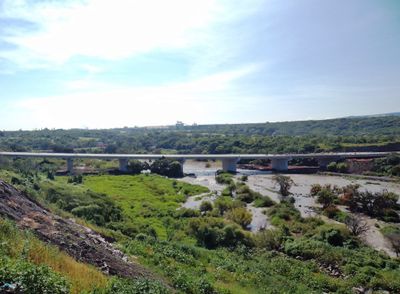
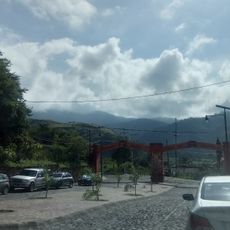
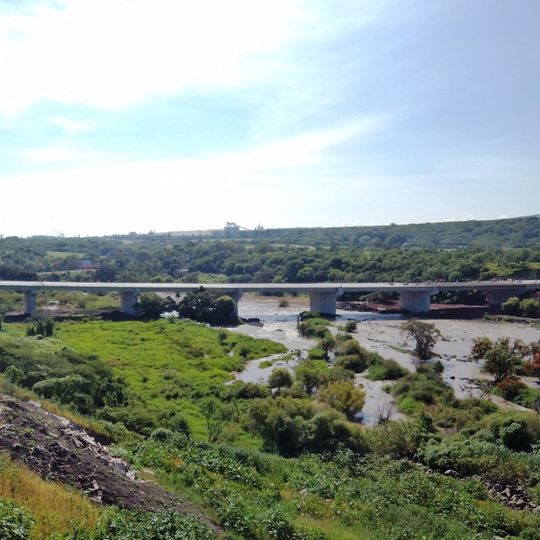
The Lerma River is a waterway in central Mexico that flows from Almoloya del Río to Lake Chapala, crossing several states along the way. It runs through plains, valleys and hilly terrain, with banks often lined by fields, small settlements and reeds.
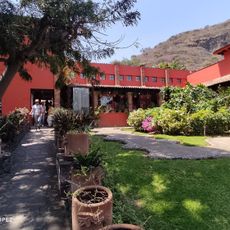
Large haciendas emerged along the river during the 17th and 18th centuries, cultivating grain and raising livestock. Some ranches traced their bull lineages to the original stock of Hernán Cortés, which had been kept in the valley since the conquest.
The name Lerma refers to the Spanish origin of colonial administrators who organized the valley in the 16th century. Local fishermen still use traditional nets in the calmer stretches to catch freshwater fish for regional markets.
Many stretches lie away from major roads and can be reached via country lanes or village streets. The best time to visit is after the rainy season, when water flow is higher and the surroundings appear greener.
The watershed is home to over 100 native freshwater fish species and numerous endemic crayfish. This diversity makes the river an important center for aquatic life in Mexico, although many species are threatened by pollution.
The community of curious travelers
AroundUs brings together thousands of curated places, local tips, and hidden gems, enriched daily by 60,000 contributors worldwide.