Centro Cultural Universitario Tlatelolco, Cultural center and university facilities in Tlatelolco, Mexico
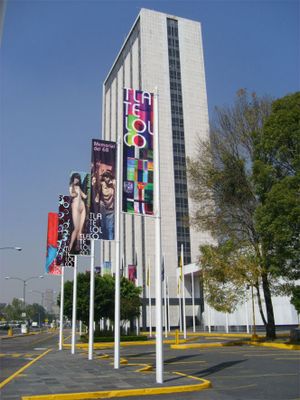
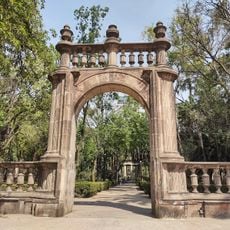
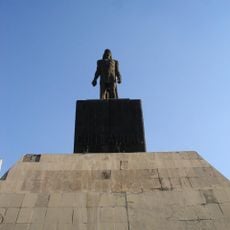
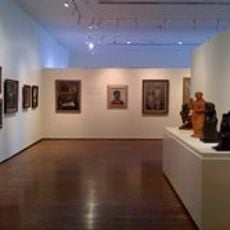
Centro Cultural Universitario Tlatelolco is a cultural center in Mexico City with exhibition spaces for Mexican art, social movements, and contemporary expressions. It offers access to digital archives, libraries, and multiple exhibition areas that focus on Mexican history and current artistic work.
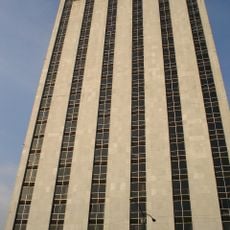
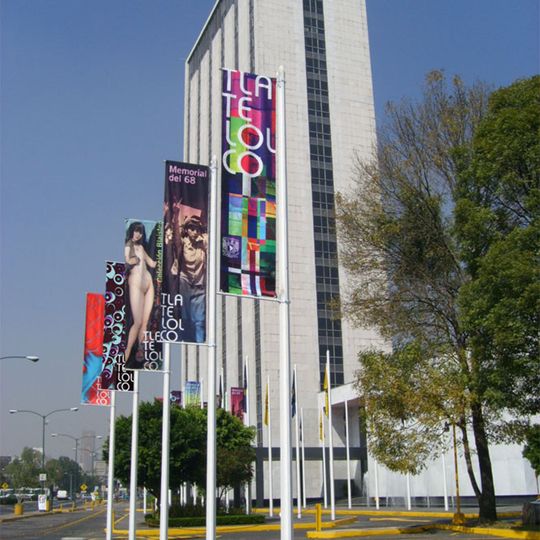
The complex was designed in the 1960s by architect Pedro Ramírez Vázquez as the headquarters of the Secretariat of Foreign Affairs, commissioned by President Adolfo López Mateos and inaugurated on 30 September 1966 by President Gustavo Díaz Ordaz. In 2006 it was donated to UNAM, which opened the Centro Cultural Universitario Tlatelolco in 2007 under rector Juan Ramón de la Fuente, with Sergio Raúl Arroyo as first director.
The M68 Memorial 1968, movimientos sociales, renewed for the movement's 50th anniversary, is a permanent exhibition of 32 thematic cores. It combines digital devices, commissioned artworks and documents from public and private archives, and follows two main routes: Memorial 1968 and Apariciones. The Alaíde Foppa Library and temporary exhibition hall host ongoing cultural activity.
Visitors can attend regular exhibitions and participate in workshops that take place throughout the year. It helps to check ahead about which areas and activities are currently open, as some spaces are used differently depending on current programs.
The tower where the center sits hosted the 1967 signing of the Treaty for the Prohibition of Nuclear Weapons in Latin America and the Caribbean, the Treaty of Tlatelolco. The same building later sheltered citizens organizing relief after the 1985 earthquakes.
The community of curious travelers
AroundUs brings together thousands of curated places, local tips, and hidden gems, enriched daily by 93,872 contributors worldwide.