Gulf of Mexico, Semi-enclosed gulf in North America
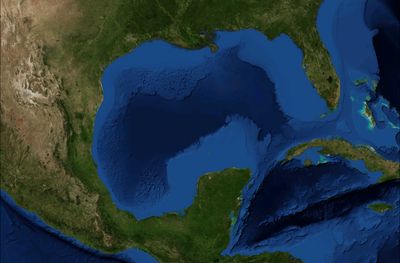
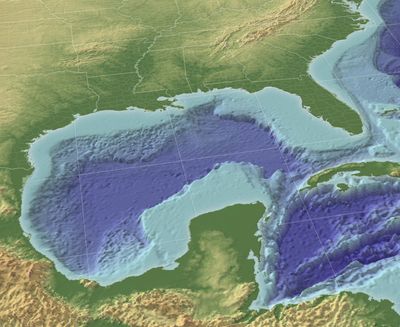
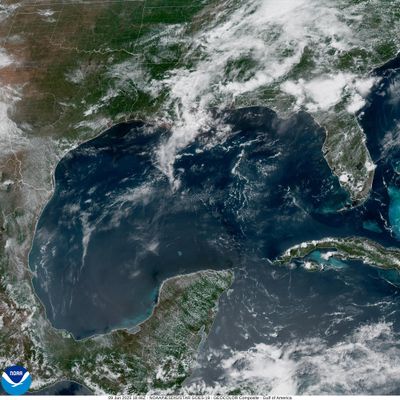
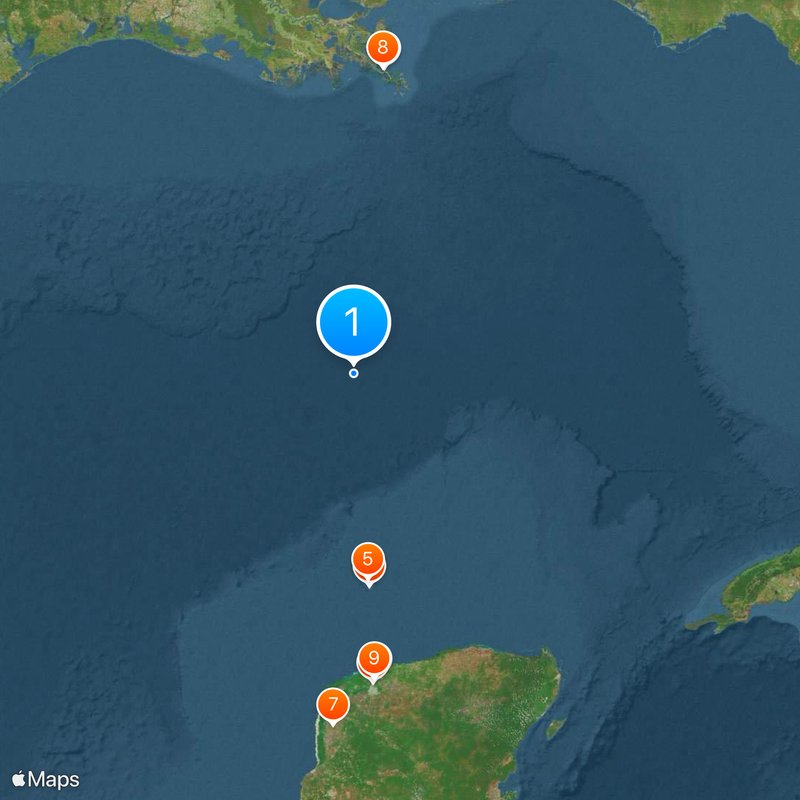
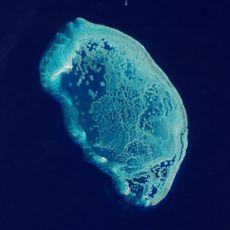
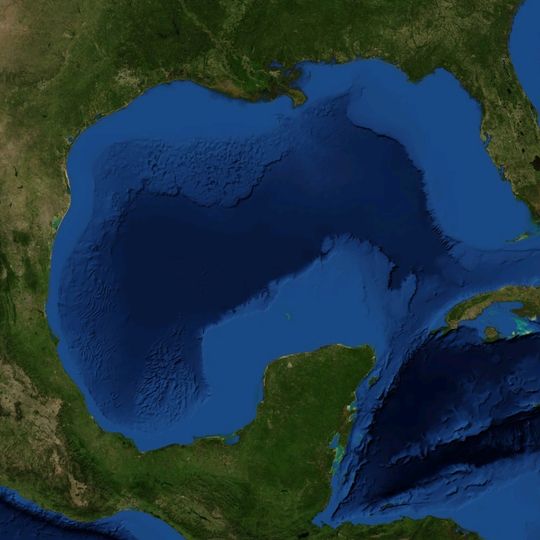
This body of water stretches along the coasts of the United States, Mexico, and Cuba, forming a marine basin separated from the Atlantic by the Florida Straits. Warm currents flow through the area, creating a system of shallow coastal zones and deeper sections marked by sandbars and coral reefs.
European explorers began crossing these waters in the early 16th century, establishing colonies that grew into trade centers. Over the following centuries, the area became the site of numerous naval battles and served as a hub for maritime commerce between the Old World and the Americas.
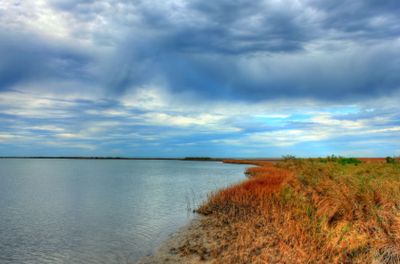
Fishing communities along the coasts continue to follow traditions passed down over generations, launching small boats at dawn and selling their catch at local markets. Visitors can watch fishermen mend their nets on the shore and see families gathering shellfish in shallow waters near the beach.
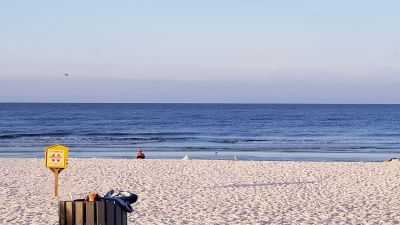
Coastal cities such as New Orleans, Tampa, and Cancun provide access to the waters through public beaches and port areas. Water temperatures remain warm throughout the year, with the calmest conditions outside the hurricane season from June through November.
Beneath the northern Yucatan Peninsula lies a large crater formed by a meteorite impact millions of years ago that transformed life on Earth. Geologists continue to study this hidden feature to understand clues about the mass extinction event that reshaped the planet's history.
The community of curious travelers
AroundUs brings together thousands of curated places, local tips, and hidden gems, enriched daily by 91,639 contributors worldwide.