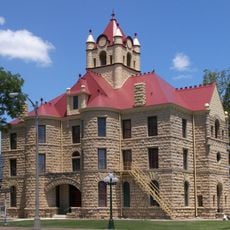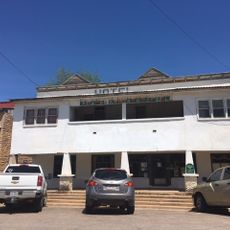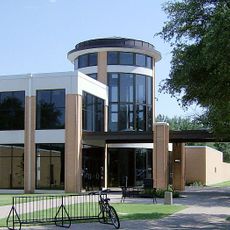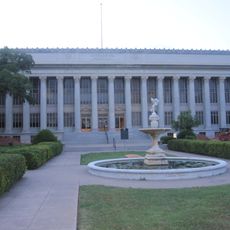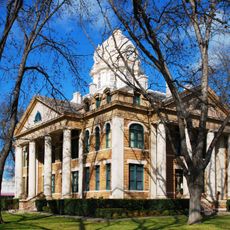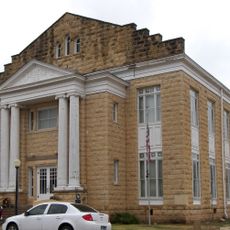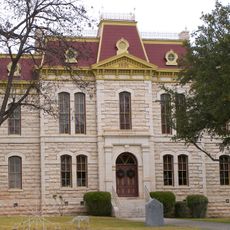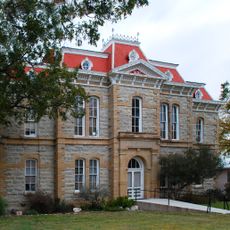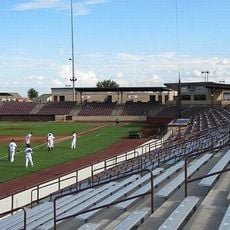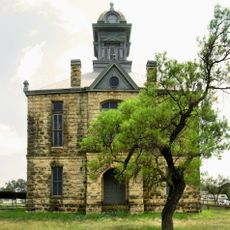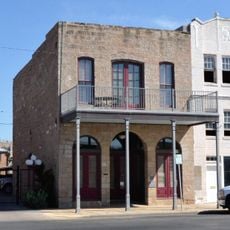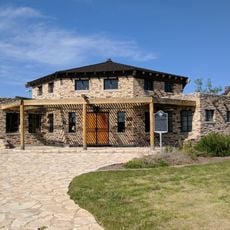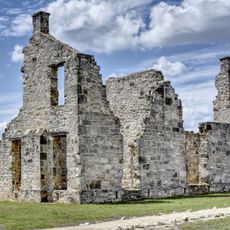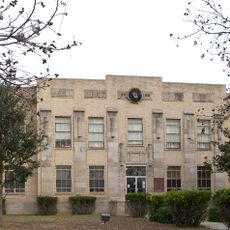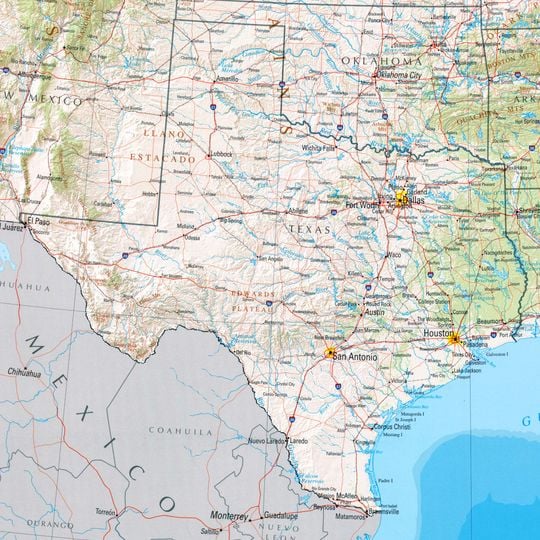
Geography of Texas, Diverse geographical regions in Texas, United States.
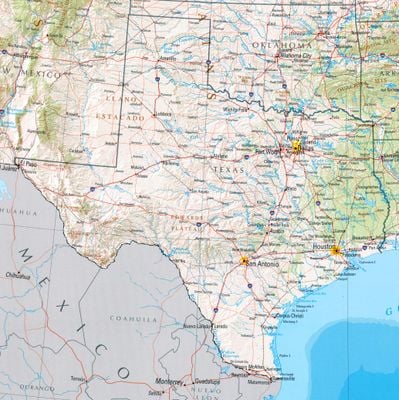
The geography of Texas covers different landscapes that reach from the Gulf of Mexico to the mountains in the west and from the forests in the east to the deserts in the southwest. Rivers run through the area in several directions and divide the land into clearly distinguishable zones, each with its own soils, plants and terrain features.
A geological fault line has divided the area into two halves for millions of years and influenced where people settled and how they used the land. This natural boundary later often ran parallel to routes, settlements and economic zones that developed over the centuries.
The wide plains in the western part of the state have served as cattle grazing land for generations, while the fertile black soils farther east produce cotton and other field crops. These different land uses shape the daily life of the people who work there and have adapted their traditions to each region.
More than one hundred state parks and several state forests offer access to the different landscapes and are suitable for day visits or longer stays. Distances between regions are large, so you should allow enough time to travel from one climate zone to the next.
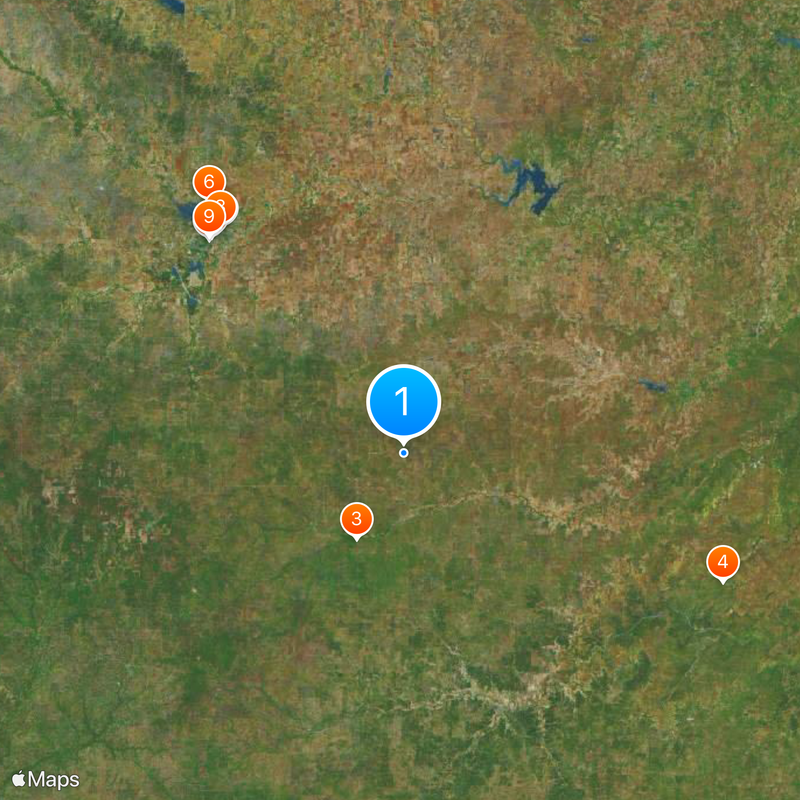
The geographical center of the state lies northeast of the small town of Brady, while the westernmost city is closer to California than to the eastern border. This extent explains why you can drive through several completely different landscapes in one day, from flat coastal land to rocky hills.
The community of curious travelers
AroundUs brings together thousands of curated places, local tips, and hidden gems, enriched daily by 91,822 contributors worldwide.