Glen Rose Formation, Limestone geological formation in Texas, United States
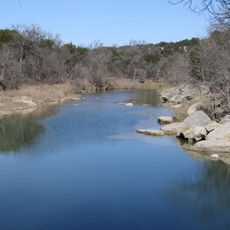
The Glen Rose Formation is a geological layer in central Texas composed of alternating beds of limestone and marl. These materials create a distinctive step-like pattern across the landscape that extends over vast areas.
Robert T. Hill first documented this formation in 1891, establishing its classification within the Trinity Group from the Early Cretaceous period. The rocks formed in a sea that covered this region roughly 100 million years ago.
The formation was once home to ancient marine life, and visitors can observe the preserved remains of organisms throughout the rock layers. Walking through the exposed stone reveals the story of a prehistoric ocean that shaped this landscape millions of years ago.
The formation is accessible through multiple state parks and geological sites where you can examine the rock layers in person. Many locations are well-marked and provide informative signs for visitors.
The limestone beds contain numerous caves including Cascade Caverns and Natural Bridge Caverns, which formed through natural erosion processes. These underground spaces show how water slowly hollowed out the rocks over time.
The community of curious travelers
AroundUs brings together thousands of curated places, local tips, and hidden gems, enriched daily by 60,000 contributors worldwide.