Valongo Wharf, Archaeological site in port district, Rio de Janeiro, Brazil
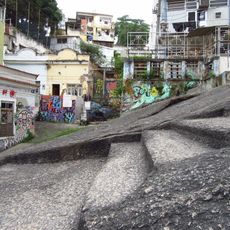
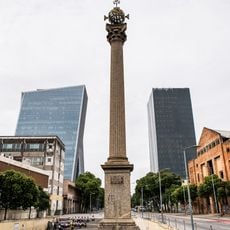
Valongo Wharf is an excavated stone dock in Rio de Janeiro's Saúde district, made of large flat grey and tan slabs laid in tiers. Rectangular foundations and low walls with rough, uneven edges stand behind thin metal railings, with grass growing between the stones. A tall stone column with a sculpted top rises from a square base in the centre.
Built in 1811 by Rio de Janeiro's General Police Intendancy, the wharf served as the landing and trading point for enslaved Africans until 1831, when pressure from Britain ended the transatlantic trade. In 1843 a 60-centimetre embankment was laid over it for a new anchorage to receive Princess Teresa Cristina, who was to marry Emperor D. Pedro II; the dock was renamed Cais da Imperatriz. Buried in 1904 during Mayor Pereira Passos's urban reform, both wharves were rediscovered in 2011 and made a UNESCO World Heritage Site in 2017.
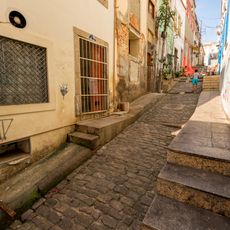
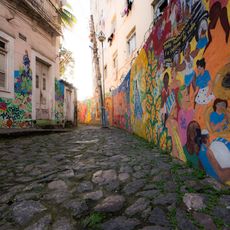
The area around the wharf became known as Pequena África (Little Africa), a name the composer Heitor dos Prazeres gave to the neighbourhood where freed and enslaved Africans of many nations settled between 1850 and 1920. Excavations in 2011 uncovered amulets and cult objects from Congo, Angola and Mozambique, now tied to the site's memory.
The site is located between two streets in the city center and is accessible daily to visitors. Access is managed by a national authority responsible for protecting Brazil's historical heritage.
The excavations revealed two overlapping port facilities from different periods, allowing visitors to see two distinct eras in one location. This layering makes it possible to observe how the place changed over the decades.
The community of curious travelers
AroundUs brings together thousands of curated places, local tips, and hidden gems, enriched daily by 93,764 contributors worldwide.