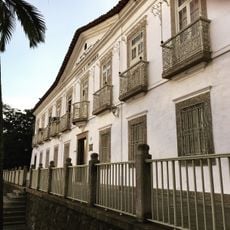
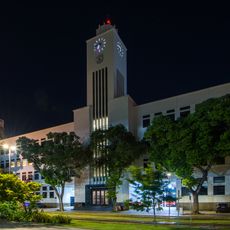
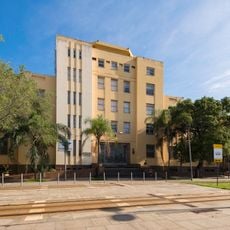
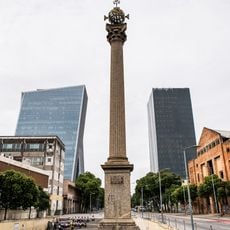
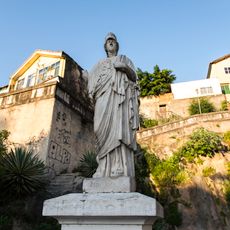
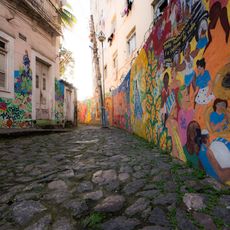
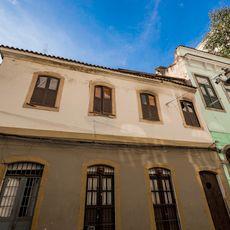
Pedra do Sal, Heritage site in Saúde district, Rio de Janeiro, Brazil
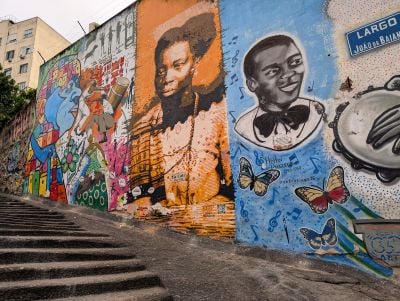
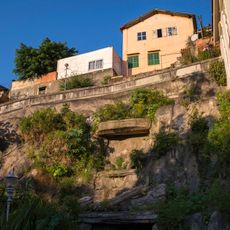
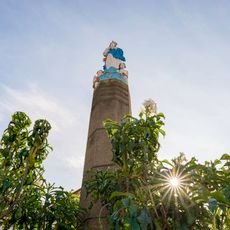
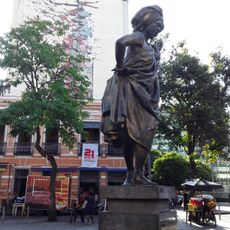
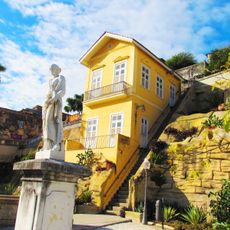
Pedra do Sal is a rock formation in the Saúde neighborhood, about 100 meters from Largo da Prainha. Steps carved into the stone lead from Largo do João da Baiana up to Morro da Conceição. The site includes the Community Remnants of Quilombos of Pedra do Sal and was listed by INEPAC on November 20, 1984.
The name Pedra do Sal comes from the salt unloaded there by enslaved workers from the colonial port and stored in nearby warehouses. In September 1818, construction began on the Pedra do Sal quay, overseen by Francisco Martins Esteves under Marshal Manoel de Mello, using enslaved labourers whose names are recorded. By the 19th century the rock was the centre of a Bahian community, with terreiros such as João Alabá's and Tia Ciata's house shaping the birth of samba.
The name comes from the salt unloaded here from colonial-era ships. The site is a centre of samba and choro, where Donga, João da Baiana, Pixinguinha and Heitor dos Prazeres played. Tia Ciata, born in Salvador in 1854, was a mãe-de-santo of the terreiro of João Alabá and is cited in accounts of the birth of carioca samba. The community of quilombo descendants still lives here.
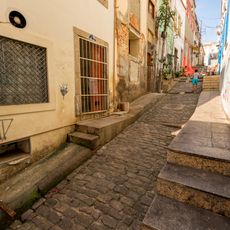
Pedra do Sal sits about 100 metres from Largo da Prainha, in Saúde near the old port zone. From its base at Largo do João da Baiana, steps cut into the rock climb to Morro da Conceição. The surrounding streets are narrow and winding, so arriving on foot is the simplest approach.
The stone takes its name from the colonial salt trade: salt unloaded at the port was carried and distributed here by enslaved workers, and the surrounding salt warehouses (trapiches) grew around it. From its base at Largo do João da Baiana, steps cut into the rock climb to Morro da Conceição.
The community of curious travelers
AroundUs brings together thousands of curated places, local tips, and hidden gems, enriched daily by 94,093 contributors worldwide.