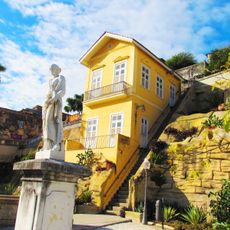
Palácio Episcopal, Episcopal palace in Saúde, Rio de Janeiro, Brazil.
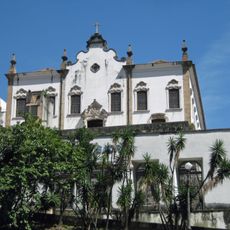
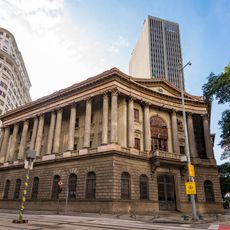
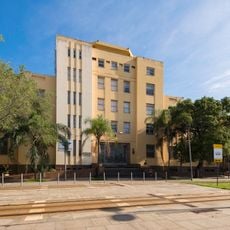
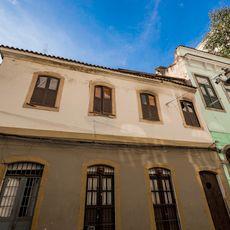
The Episcopal Palace stands on Conceição Hill and displays eleven windows with straight lintels and protruding balconies, enhanced in the 19th century by a triangular pediment. The building retains its original construction of stone and lime with sections of wattle and daub.
The structure began in 1634 as a small chapel and became the residence of Rio's bishops in 1702 after French Capuchin friars departed. This religious and administrative role lasted until 1905.
The palace's chapel holds the tomb of D. Francisco de São Jerônimo, third bishop of Rio de Janeiro, who died in 1721 and was buried there with a reputation for sanctity. The building later housed the Army's Geographical Service, and today it holds the Cartographic Museum, which keeps some of the oldest maps in the country.
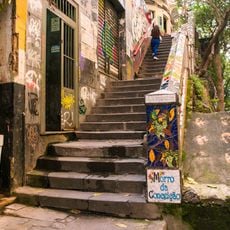
The palace now houses the Cartographic Museum, which keeps some of Brazil's oldest maps, so the visit is indoors rather than a look at the facade. Reach it by walking up the morro da Conceição in Saúde, next to the Fortaleza da Conceição.
French corsair Duguay-Trouin selected this palace as his residence in 1711 when he controlled Rio de Janeiro. This episode reveals how the building played a role in the city's history even during military takeovers.
The community of curious travelers
AroundUs brings together thousands of curated places, local tips, and hidden gems, enriched daily by 94,261 contributors worldwide.