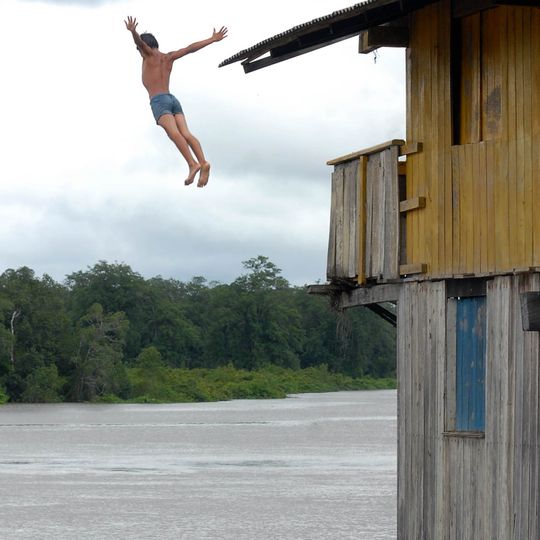
Maracanã Marine Extractive Reserve, Marine extractive reserve in Pará, Brazil
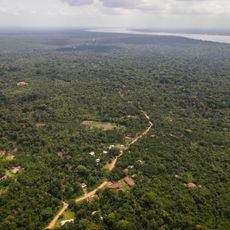
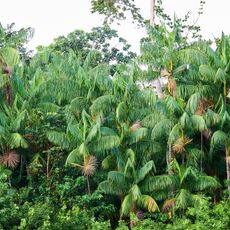
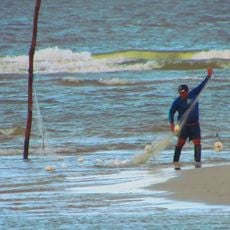
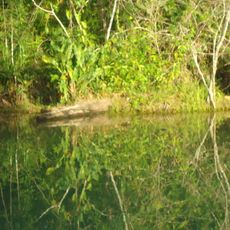
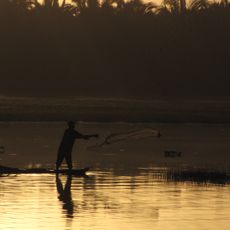
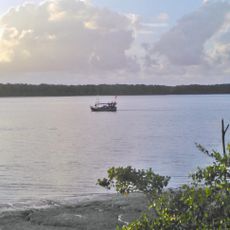
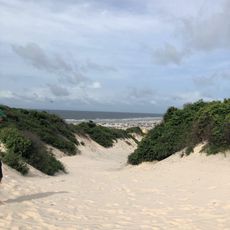
Maracanã Marine Extractive Reserve is a 30,179-hectare protected area in the municipality of Maracanã, Pará, created by decree on 13 December 2002. It covers the mangroves of the lower Maracanã and Caripi rivers and Maracanã Bay up to Algodoal Island, plus the eastern shore at the mouth of the Marapanim River. The flat, tide-flooded clay terrain holds Rhizophora, Avicennia and Laguncularia trees, with 75 coastal communities living mainly from fishing.
The reserve was created by presidential decree in 2002 as Brazil moved to protect traditional coastal communities and their way of life. This action reflected a national shift toward recognizing the importance of preserving communities that depend on marine resources.
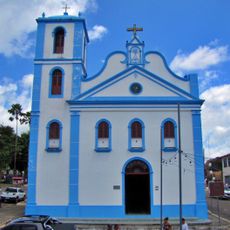
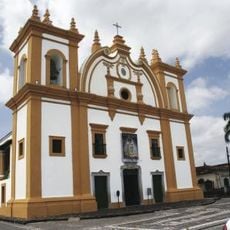
The reserve counts 75 coastal communities, mostly fishing families who also farm, raise animals and build fishing boats and gear by hand. Religious festivals structure the year: Saint Michael the Archangel, Our Lady of Nazareth and Saint Benedict. A 2008 project by the Museu Paraense Emílio Goeldi studied ethnobotany in the fishing community of Vila da Penha.
You need permission from ICMBio, Brazil's environmental agency, before visiting for research or ecotourism activities. Getting this authorization in advance is essential, so plan accordingly and contact the agency early to arrange your visit.
On 22 June 2005 the National Institute for Colonization and Agrarian Reform recognised the reserve as supporting 1,000 families of small rural producers, which let them join PRONAF, Brazil's family farming credit programme. In 2010 the right to use the reserve was granted to the Association of Users of the Maracanã Marine Extractive Reserve.
The community of curious travelers
AroundUs brings together thousands of curated places, local tips, and hidden gems, enriched daily by 95,333 contributors worldwide.