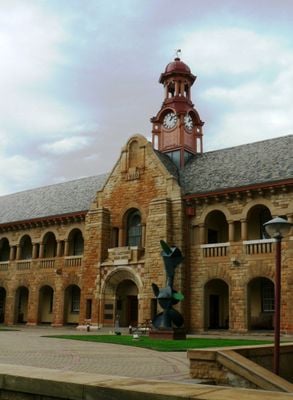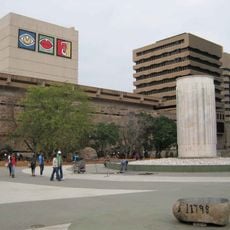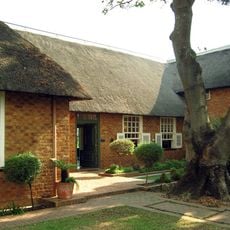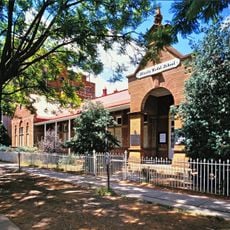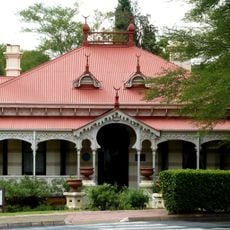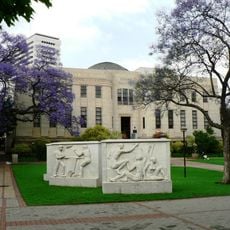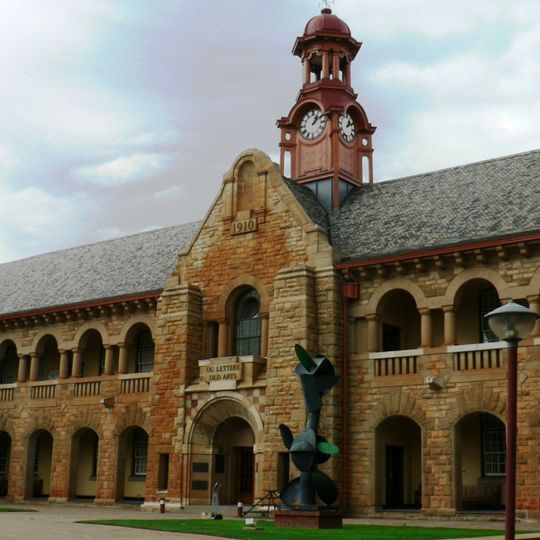
Mapungubwe Museum, Archaeological museum at University of Pretoria, South Africa.
The Mapungubwe Museum is an archaeological museum on the University of Pretoria campus, housing objects recovered from excavations at an ancient settlement in northern South Africa. The collection covers ceramics, metals, trade glass beads, and ivory, giving a broad picture of what daily life and exchange looked like at that site.
Mapungubwe Hill was the center of one of the earliest known states in southern Africa, reaching its peak between the 11th and 13th centuries. The objects now in the museum were unearthed during excavations that began in the 1930s, bringing this forgotten settlement back into the historical record.
The collection shows ceramics, ivory, and metal objects that give a sense of how people lived and traded in this part of southern Africa. The trade glass beads on display are a visible sign that this community had connections reaching far beyond its immediate surroundings.
The museum sits inside the University of Pretoria campus, so visitors should be prepared to follow the university's entry procedures when they arrive. It is a good idea to check in advance whether guided visits are on offer, especially for groups.
Among the objects on display is a small golden rhino, shaped from thin sheets of gold, which is one of the most recognized artifacts from ancient southern Africa. What makes it stand out is that it was not cast but built by wrapping gold foil around a wooden core that has since decayed.
The community of curious travelers
AroundUs brings together thousands of curated places, local tips, and hidden gems, enriched daily by 90,902 contributors worldwide.